
Refrigeration for Abattoir: Carcass Chilling and Offal Freezing Zones Design Guide
Abattoir refrigeration is a product-safety system, not a single cold room. A correct installation separates hot carcass handling, rapid chilling, holding, edible offal cooling, and inedible by-product freezing so that heat, moisture, and microbiological load move in one direction only. Procurement engineers should size the system from kill-floor throughput, animal species, and local ambient conditions before selecting compressors or panels.
1. Abattoir Refrigeration Zones at a Glance
The first planning task is to define every temperature zone before equipment is selected. A typical multi-zone abattoir cold chain includes the following areas:
| Zone | Common Air Temperature | Main Product | Key Risk |
|---|---|---|---|
| Hot carcass holding | 10°C to 15°C, short dwell | Freshly dressed carcasses | Condensation, surface growth |
| Carcass rapid chill | -1°C to +2°C | Beef, sheep, goat, pig carcasses | Uneven cooling, weight loss |
| Carcass holding chiller | 0°C to +4°C | Chilled meat before cutting or dispatch | Temperature drift, microbial growth |
| Edible offal chiller | 0°C to +3°C | Liver, heart, kidneys, tripe | Cross-contamination with waste |
| By-product freezer | -18°C to -25°C | Frozen offal and meat products | Product dehydration, frost accumulation |
| Blast freezer | -35°C to -40°C | Rapid freezing of trimmings and by-products | Poor airflow, partial freezing |
Regulatory temperature targets reinforce this zoning logic. Under European Union hygiene rules, meat from domestic ungulates must be chilled to an internal temperature of not more than 7°C before transport, while offal must be chilled to not more than 3°C [1]. Engineers should treat the EU values as a compliance floor, then tighten them further where export specifications or long holding periods demand it.
2. Carcass Chilling Room Design and Equipment
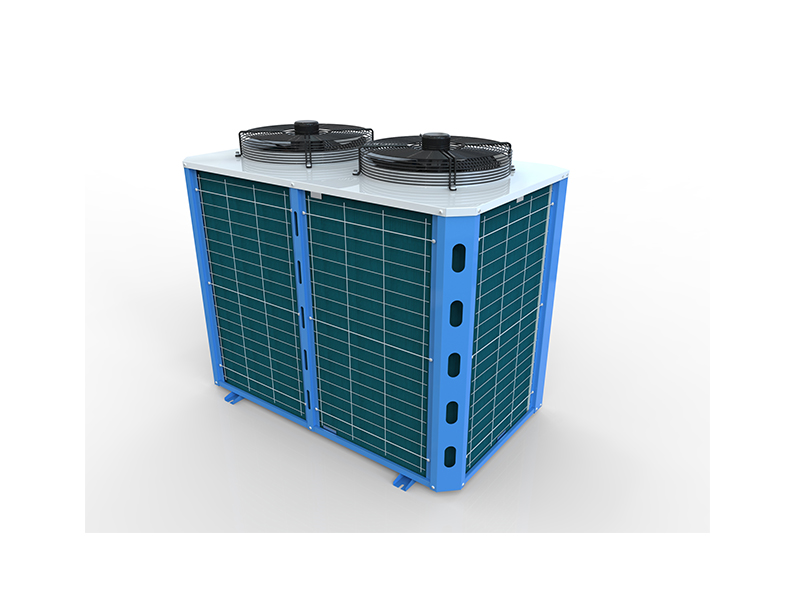
Carcass chilling is the highest refrigeration load in an abattoir because freshly slaughtered carcasses contain substantial body heat and surface moisture. The system must remove heat quickly enough to slow bacterial growth, but not so fast that the outer muscle surface suffers cold shortening or excessive weight loss.
For most bovine and ovine lines, a two-stage chilling approach works well. The first stage pulls hot carcass surface temperature down rapidly with air temperatures slightly below 0°C and steady airflow. The second stage holds carcasses in a 0°C to +4°C environment for maturation and storage. This staged design allows the compressor plant to recover from the sharp kill-floor load spike while protecting meat texture and color.
Air distribution matters as much as compressor capacity. Carcass rails should be arranged parallel to the main airflow path, with evaporator fans positioned to wash cold air over the thickest muscle sections. Spacing between carcasses must allow air to pass through the neck, rib, and hindquarter areas. Poor rail spacing creates warm pockets that do not show up on a single room sensor but still cause spoilage in specific cuts.
Evaporator selection should favor high-airflow unit coolers with wide fin spacing for low-temperature chiller operation. Wide fin spacing reduces frost bridging and makes defrost cycles shorter. For hot carcass loads, the evaporator must also handle high latent load from evaporating surface moisture without freezing into a solid block between defrost cycles.
Carcass chilling works only when room geometry, airflow, compressor capacity, and defrost logic are sized as one system. <Slaughterhouse Chiller and [Freezer Room](https://www.meluckcooling.com/product/freezer-room/) Equipment Guide> covers equipment selection for combined chiller and freezer zones in slaughterhouses.
3. Offal and By-Product Freezing Zones
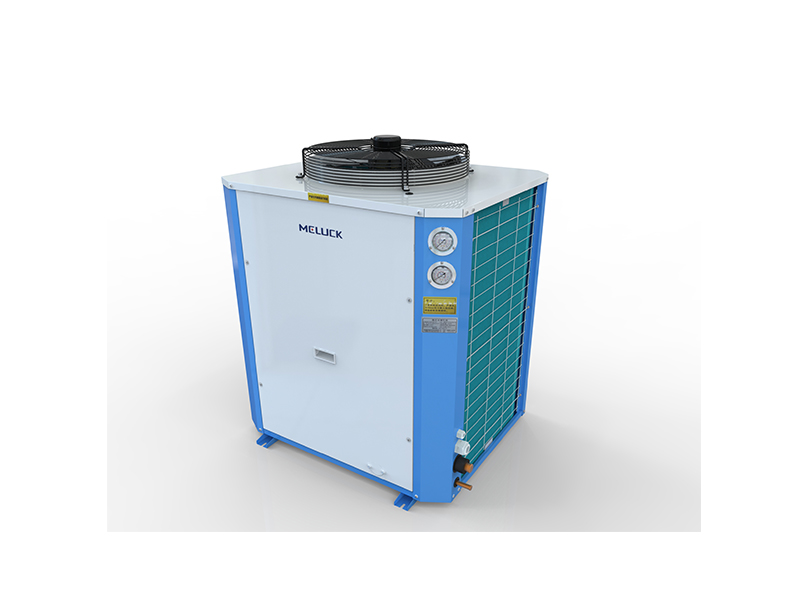
Offal handling creates a cross-contamination risk that ordinary cold room design does not solve. Edible offal such as liver, heart, and kidneys must be cooled quickly and kept separate from inedible waste, hides, and paunch contents. The simplest effective layout is to place edible offal cooling on one side of the processing line and route inedible material directly to a sealed waste room or freezer on the other side [2].
Edible offal chillers should be designed for smaller batches than carcass chillers because offal reaches chilled temperature more quickly than whole carcasses. Batch handling also supports traceability and inspection. Stainless steel trays, washable drainage, and manual or assisted washdown access are more important here than high storage density.
By-product freezers can be separated into two levels. Material that will be rendered or collected within a short window can be stored at -18°C to -25°C. High-risk material that cannot be sold for human consumption should be moved into a dedicated room with clear signage, restricted access, and separate drainage. This physical separation supports hygiene audits and reduces the chance of regulatory non-compliance [3].
For export plants, blast freezing may be required for edible offal that will be shipped as frozen product. A blast freezer room operating at -35°C to -40°C shortens the freezing plateau and preserves cell structure better than a slow storage freezer. The room should be deep enough to allow palletized product to be loaded without blocking the air return path.
Separate temperature zones are critical when edible offal and waste streams move through the same facility. <Cold Room Temperature Zones for Meatball and Surimi Processing> covers zoned design for multi-product protein lines with strict hygiene separation.
4. Condensing Unit Selection and System Layout
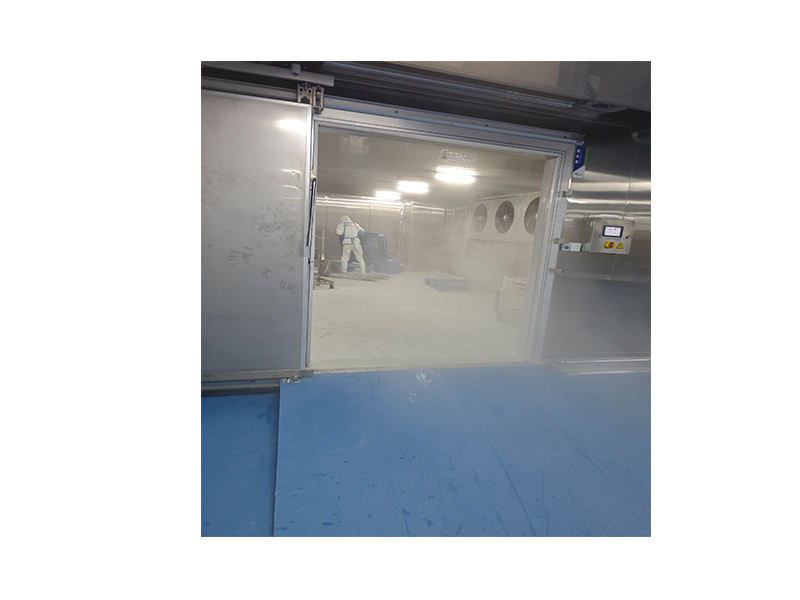
Abattoir refrigeration loads are not constant. The carcass chiller sees a sharp load spike after each kill shift, the holding rooms run at partial load, and blast freezers demand high capacity in a short window. The condensing unit arrangement must follow this load profile rather than simply match total connected horsepower.
For small to medium abattoirs, separate condensing units per temperature zone are easier to commission, maintain, and repair. A dedicated carcass chiller circuit prevents a blast freezer defrost or offal room fault from affecting the most valuable product stream. For larger plants, parallel compressor systems can provide staging and partial-load efficiency, but they require stronger control logic and a larger refrigerant charge.
High ambient temperature is often the limiting factor in hot-climate abattoir projects. A condensing unit rated at nominal European conditions will lose capacity when the outdoor coil sees 40°C or higher. The heat rejection capacity should be selected from the local design ambient dry-bulb temperature, not the average annual temperature. Undersized condensers cause high discharge pressure, frequent high-pressure trips, and reduced compressor life.
Defrost strategy also affects condensing unit sizing and piping layout. Electric defrost is simple and reliable for smaller rooms. Hot gas defrost reduces defrost time in large blast freezers and by-product rooms, but it adds piping complexity and requires the compressor plant to be available during defrost demand.
If you are sizing a new abattoir line, send the room dimensions, hot carcass input per shift, target pull-down time, and local maximum ambient temperature to meluck@meluckcooling.com for a refrigeration load calculation and equipment schedule.
High-capacity plants need more than a larger compressor. <High-Capacity Condensing Unit Selection for Cold Storage> covers compressor matching, heat rejection margins, and control strategies for multi-room cold storage.
5. Panel Construction, Hygiene, and Energy Control
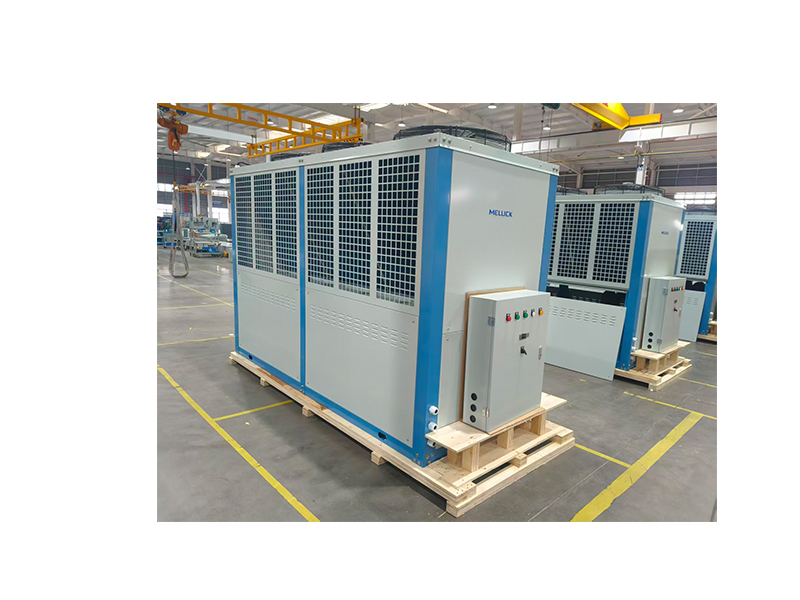
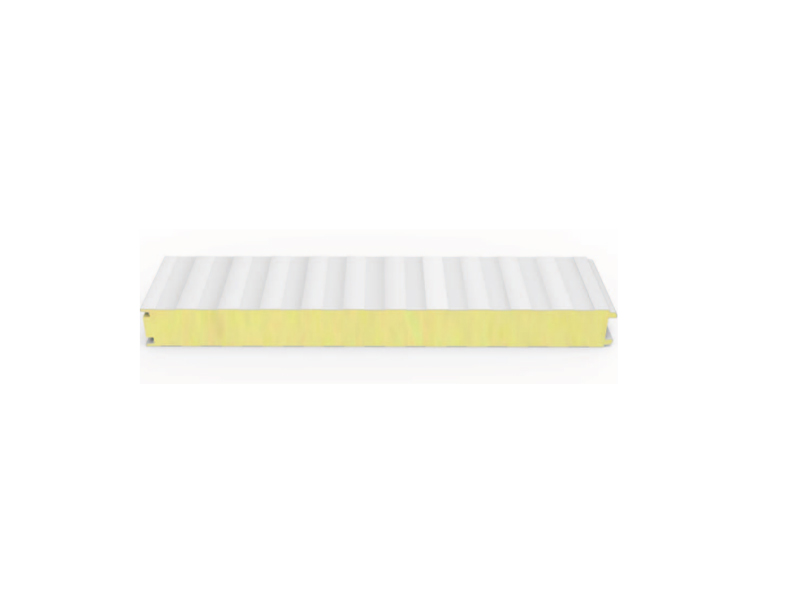
Abattoir rooms must withstand frequent washdown, blood contact, strong cleaning chemicals, and heavy door traffic. Panel selection should prioritize closed-cell insulation, non-porous surfaces, and joint systems that do not trap organic material. PIR panels are generally preferable for freezer rooms because they retain insulation performance at lower thicknesses and offer better fire resistance than standard polyurethane panels [4].
Floor insulation is often overlooked in abattoir projects. A concrete floor slab that is not insulated beneath the vapor barrier allows ground heat to enter the freezer and can cause frost heave over time. The floor assembly should include a continuous vapor barrier, sufficient closed-cell insulation, and a hygienic top finish with proper slope to drainage.
Personnel and product flow should be one-way where possible. Receiving, slaughter, chilling, cutting, packaging, and dispatch should not cross back through the same corridor. Door openings between zones should be minimized, and strip curtains or rapid-close doors can reduce warm air infiltration in busy corridors.
Energy consumption in an abattoir plant is driven most by hot carcass pull-down, blast freezing, and door openings. A load-calculation review, regular condenser cleaning, correct defrost termination, and temperature setpoint discipline usually deliver a better payback than replacing the entire refrigeration plant. For tropical sites, shading condenser units and maintaining coil clearance can prevent avoidable capacity loss.
Plan Your Abattoir Refrigeration Around Product Risk
A reliable abattoir cold chain starts with zone separation and ends with documented temperature control. For technical support with load calculation, equipment selection, or installation planning, send the following information to Shanghai Meluck Refrigeration Equipment Co., Ltd.:
- Species processed and expected carcass input per shift
- Desired temperature zones, from hot carcass holding to by-product freezing
- Room dimensions, ceiling height, and available power supply
- Local maximum ambient temperature and export compliance requirements
- Site location, shipping port, and installation timing
Email: meluck@meluckcooling.com
Phone: +8617369893087
Frequently Asked Questions
What refrigeration temperature is required for abattoir carcasses?
The European Union requires meat from domestic ungulates to be chilled to an internal temperature of not more than 7°C before transport, with offal chilled to not more than 3°C [1]. Many export plants use a chiller room air temperature of 0°C to +4°C to hold product safely after the initial pull-down.
Should a small abattoir use a separate room for offal?
Yes. Even a small plant should separate edible offal from inedible waste, hides, and paunch contents. Physical separation reduces cross-contamination risk, supports inspection, and makes temperature records easier to manage.
What condensing unit size is needed for a carcass chiller?
The condensing unit size depends on hot carcass weight per shift, pull-down time, ambient temperature, and room dimensions. A load calculation is required. Do not size a carcass chiller by floor area alone because the initial product load is much higher than a holding room of the same size.
How can I prevent weight loss in carcass chilling?
Weight loss is controlled by fast surface cooling, moderate airflow, and avoiding excessively low room temperatures in the first chill stage. The target is to remove body heat quickly without freezing the outer muscle surface or causing extreme surface drying.
Which panel material is better for an abattoir freezer?
PIR panels are generally preferable for freezer rooms because they provide strong insulation performance and better fire resistance than standard polyurethane panels [4]. The panel surface must also be suitable for washdown and resistant to cleaning chemicals.
References
[1] European Commission, "Regulation (EC) No 853/2004 laying down specific hygiene rules for food of animal origin," Official Journal of the European Union, L 139, pp. 55-205, 2004.
[2] Food and Agriculture Organization of the United Nations, "Guidelines for slaughtering, meat cutting and further processing," FAO Animal Production and Health Paper 91, Rome, 1991.
[3] Codex Alimentarius Commission, "Code of Hygienic Practice for Meat," CAC/RCP 58-2005, Rev. 2010.
[4] ASHRAE, ASHRAE Handbook: Refrigeration, SI ed., American Society of Heating, Refrigerating and Air-Conditioning Engineers, Atlanta, GA, 2022.
If you're interested, check out these related articles:
Condensing Unit Noise Reduction for Cold Room Applications
Green Coffee Storage: Temperature and Humidity Control
Cold Room Project in Myanmar for Tomato and Tropical Fruit
Cold Storage for Nuts & Dried Fruits: Prevent Rancidity & Mold
With over 15 years of experience as a MELUCK refrigeration engineer, I specialize in the design of cold storage, chillers, ice makers, and cold chain energy-saving systems, providing technical support to distributors and engineering companies worldwide.

meluck