
Cold Room Temperature Zones for Meatball and Surimi Processing
Controlling temperatures across different production stages is what separates a consistent, high‑quality meatball or surimi product line from one plagued by texture defects and spoilage. The specific temperature needs of mixing, forming, cooking, cooling, and freezing are rarely identical, yet many processing plants still rely on a single cold room designed for storage rather than production workflow. A cold room with properly engineered temperature zones for meatball and surimi processing maintains product integrity from raw material preparation through to finished product storage. In my experience, integrating these zones into a single, coherent refrigeration system rather than bolting on separate units leads to better performance and lower lifetime costs.
Cold Room Temperature Zones for Meatball and Surimi Production Stages
Each step in a combined meatball and surimi production line demands a different temperature to protect both food safety and product quality. The raw meat emulsion used for meatballs requires chilled processing at 0°C to 4°C to prevent bacterial growth and maintain fat stability. Surimi paste, derived from fish mince, is even more temperature‑sensitive; working temperatures need to stay between -2°C and 2°C to avoid protein degradation before cooking.
After the products are formed and cooked, rapid cooling is the next critical stage. A blast chiller or a processing room held at +2°C to +5°C can rapidly reduce the temperature of cooked meatballs or surimi pieces, limiting the time they spend in the danger zone. The final step for long‑term storage is freezing, typically at -35°C to -40°C in a blast freezer, followed by storage at -18°C to -25°C in a dedicated freezer room.
The table below outlines the typical temperature zones and their purposes in an integrated line.
| Production Stage | Required Temperature | Cold Room Zone | Purpose |
|---|---|---|---|
| Meatball mixing & forming | 0°C to +4°C | Chiller / Processing Room | Maintain emulsion stability, prevent bacterial growth |
| Surimi paste preparation | -2°C to +2°C | Processing Room (near 0°C) | Prevent protein denaturation |
| Cooking (steam/fry) | +85°C to +100°C | Not cold room | |
| Post‑cook cooling | +2°C to +5°C | Chiller / Blast Chiller | Rapid cool‑down for safety and texture |
| Freezing (IQF or blast) | -35°C to -40°C | Blast Freezer | Lock freshness, enable storage |
| Frozen storage | -18°C to -25°C | Freezer Room | Long‑term preservation |

These temperature windows are not suggestions; straying outside them can cause texture problems, microbial growth, or freezer burn. Having a cold room that is designed to hold these exact ranges at each processing step is what makes the difference between a product that meets export standards and one that is rejected at inspection.
Refrigeration System Configuration for Meatball and Surimi Cold Rooms
Sizing Condensing Units for Each Zone
Providing four or more distinct temperature zones from a single central refrigeration plant is technically demanding but feasible with the right component selection. We typically pair separate condensing units sized for each zone’s maximum heat load, rather than attempting to serve multiple zones from one large system. A Bitzer 4HP to 6HP condensing unit can handle a processing room at 5°C, while a 20HP to 25HP unit is needed for a blast freezer zone dropping to -35°C. For ultra‑low temperature freezing at -40°C and below, a Bitzer two‑stage compressor becomes necessary to maintain efficiency.
Evaporator Selection and Airflow Control
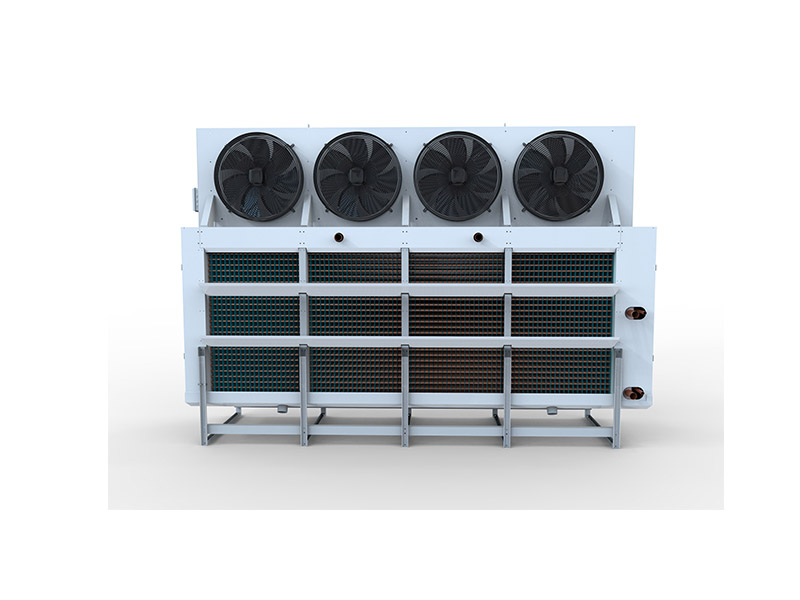
Air cooler selection is equally important. Processing rooms benefit from low‑velocity DL series evaporators that avoid drying out the product, while blast freezers demand high‑velocity DD or DJ series units to achieve the rapid pull‑down needed. In a recent multi‑temperature facility we engineered in Ecuador, we used dedicated Bitzer condensing units for the 5–10°C processing room, the -35°C blast freezer, and the -18°C storage freezer. This separation allowed each section to cycle independently, reducing energy waste and preventing temperature drift in the other zones.
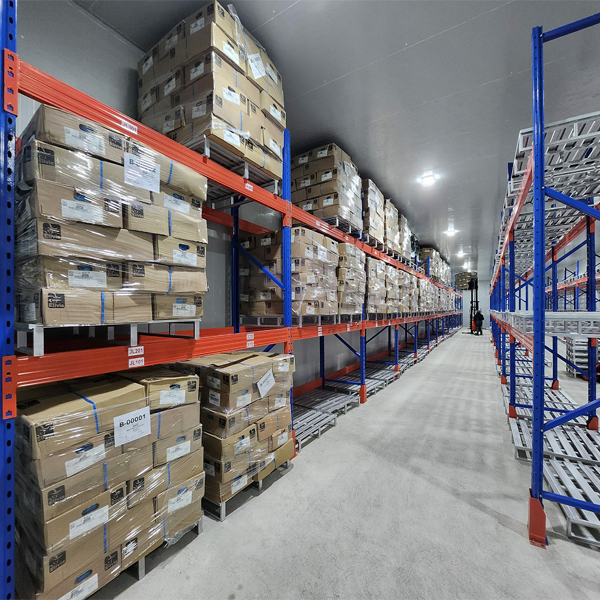
A control panel with integrated temperature monitoring for each zone is essential for HACCP compliance. It also lets operators see at a glance whether any zone is drifting before it becomes a food safety issue.
If your production line includes both high‑moisture surimi and cooked meatball products, the defrost and humidity control setup becomes critical. At MELUCK we have handled similar multi‑product scenarios; sharing your product mix and throughput targets early helps us configure the right evaporator and defrost strategy to avoid operational headaches later.
Key Design and Integration Factors for Production Lines
Sanitary Design and Material Selection
The physical layout of the cold room must allow smooth product flow from one temperature zone to another without cross‑contamination. Stainless steel panels and food‑grade sealants are mandatory for surfaces in direct contact with the product, especially in surimi processing where the fish paste is highly perishable. Sloped floors with drains in processing rooms prevent water accumulation and make cleaning easier. All cold room doors need to seal tightly, yet open and close quickly to minimize temperature fluctuation.
Insulation and Airflow Optimization
Insulation thickness needs to match the temperature differential. For the blast freezer zone at -35°C, we recommend at least 150‑mm PIR panels with a closed‑cell structure to limit heat gain and avoid condensation within the panel. In the processing room, slightly thinner panels may be acceptable, but even 10°C zones still need a proper vapor barrier. Air distribution also matters — slotted ceilings or fabric ducting in processing rooms maintain even temperatures without creating hot spots that could compromise food safety.
Selecting Equipment and Project Partner for Meatball and Surimi Facilities
When sourcing a multi‑zone cold room, it is tempting to piece together equipment from different suppliers to cut initial cost. In our experience, this approach often leads to integration problems, warranty conflicts, and higher long‑term operating expenses. A single‑source turnkey provider that can engineer the complete system, supply the panels, refrigeration units, and controls, and handle installation on site usually delivers a more reliable and easier‑to‑maintain result.
We have delivered similar multi‑temperature facilities in markets ranging from Egypt to Ecuador, where blast freezing, frozen storage, and processing rooms were integrated into one building. In the Egypt French fries plant, for example, a -35°C blast freezer, a 5–10°C packaging area, and a -20°C storage room all ran from separate Bitzer condensing units, yet the overall layout minimized pipe runs and maximized workflow efficiency. The same principle applies directly to meatball and surimi lines, where a centrally planned multi‑zone design can reduce both construction time and operational complexity.
The reliability of a cold room system depends not just on the equipment brand but on the engineering that matches capacity to your actual workflow. At Shanghai Meluck Refrigeration, we provide turnkey multi‑zone cold room projects backed by field experience in food processing facilities worldwide. To discuss your meatball or surimi production line requirements, contact us at meluck@meluckcooling.com or call +8617369893087. We will help you define the temperature zones and spec the right system.
Common Questions About Cold Room Temperature Zoning for Meat and Surimi Processing
What is the most critical temperature zone in a meatball production line?
The post‑cook cooling stage is often the most critical. If cooked meatballs remain at 30°C to 50°C for too long, bacteria can multiply rapidly. A dedicated blast chiller or processing room held at +2°C to +5°C can bring product temperature down quickly, locking in both safety and texture. In surimi lines, the paste preparation temperature is equally vital because even a slight rise can start protein denaturation before forming.
Can one refrigeration system handle multiple temperature zones?
It is possible, but it requires separate evaporators and electronic expansion valves for each zone, plus a modulating capacity compressor or multiple compressors with coherent control logic. In practice, it is often simpler and more reliable to use independent condensing units for each zone, which avoids complex refrigerant piping and control challenges. This is the approach we take in most multi‑zone food processing projects because it delivers stable temperatures with less risk of single‑point failure.
How does surimi processing affect cold room humidity control?
Surimi paste has high moisture content, and processing rooms need dedicated humidity control to prevent condensation on equipment and product surfaces. We usually specify anti‑corrosion evaporator coils and, in humid climates, add a standalone dehumidifier. This not only protects product quality but also reduces ice buildup on cooling coils, cutting defrost frequency and energy use.
What insulation thickness is needed for a blast freezer in a meatball line?
For a blast freezer operating at -35°C, we recommend at least 150‑mm thick PIR panels with a fire‑resistant core. The insulation must include a continuous vapor barrier to prevent moisture ingress — otherwise, ice can form inside the panel and eventually degrade its insulating performance. The panel connection system (cam‑lock or slip‑joint) also matters; a tight seal is critical to maintaining the low temperature and preventing warm air leaks.
What standards apply to cold rooms used for meat and seafood products?
The primary framework is HACCP, which requires temperature monitoring, recording, and verification at each critical control point. If products are exported to the EU or US, the cold room must also comply with the destination country’s food safety regulations, often requiring CE‑certified components. Our equipment meets international standards, and we provide the documentation needed to support audit requirements. If you are preparing to set up or upgrade a processing line and need a supplier who understands production refrigeration beyond storage temperature tables, we are ready to provide a custom design. Share your production capacity and product mix with us, and we’ll configure the right multi‑zone cold room. Reach us at meluck@meluckcooling.com or +8617369893087.
If you're interested, check out these related articles:
Chiller Room Solutions -10C~10C - Meluck
Ecuador Multi-Temperature Cold Storage Project - Meluck
Processing Room Solutions for Food Plants - Meluck
Myanmar Potato Seed Cold Storage Project - Meluck
With over 15 years of experience as a MELUCK refrigeration engineer, I specialize in the design of cold storage, chillers, ice makers, and cold chain energy-saving systems, providing technical support to distributors and engineering companies worldwide.

meluck