
Cold Room Food Safety Audit: Prep Tips for Inspections
When a food safety auditor walks into your facility, the cold room is one of the first places they inspect. I’ve seen well-run operations lose points, or even face shutdowns, because of a single temperature deviation or a missing maintenance log. A cold room food safety audit is not just about cleanliness; it’s a test of your refrigeration system’s stability, your record-keeping, and your overall equipment integrity. From my experience supporting cold storage projects in over 70 countries, the difference between a passed audit and a failed one often comes down to preparation that starts long before the auditor arrives.

What Food Safety Inspectors Actually Check in Your Cold Room
Auditors follow a systematic checklist that covers far more than temperature readings. Their job is to verify that your cold chain does not compromise food safety at any point. The inspection typically breaks down into three core areas.
Temperature Records and Monitoring
Inspectors will pull your temperature logs and compare them against the required range for the products you store. They look for gaps, unrealistic flat lines, and any evidence of prolonged excursions. If your system does not automatically log data, they will question the reliability of manual recording. In our Ecuador project, the multi-zone storage facility passed its export certification audit largely because the Bitzer compressor units held temperatures to ±0.5°C with continuous digital logging.
Equipment Condition and Maintenance
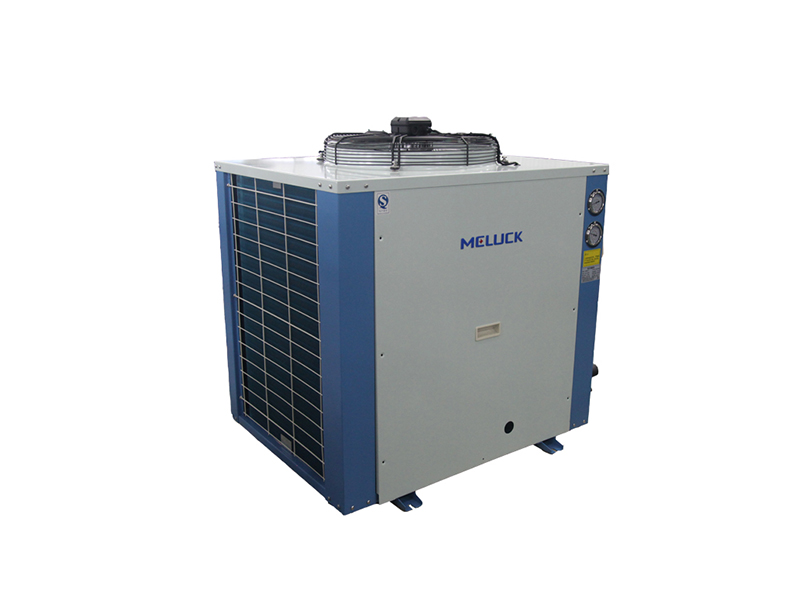
Auditors examine the physical state of your refrigeration equipment. Condenser fins caked with dust, evaporator coils covered in frost, and leaking refrigerant lines are immediate red flags. They will check whether your maintenance records show regular cleaning, coil inspection, and refrigerant checks. A well-maintained condensing unit not only keeps food safe but also signals to the inspector that your operation takes compliance seriously.
Hygiene and Sanitation
Inspectors assess the cleanliness of all surfaces that could contact food products or contribute to cross-contamination. This includes floor drains, door seals, panel joints, and the interior lining of the cold room. Mold growth, rust, or peeling insulation are common reasons for audit failure. The materials you used to build the cold room — stainless steel hardware, smooth panel surfaces — matter more than you think.

Ensuring Precise Temperature Control: Equipment and Monitoring
Stable temperature is the foundation of any cold room food safety audit. If the refrigeration system cannot maintain the setpoint under peak load, no amount of paperwork will fix the problem.
Refrigeration System Reliability
The heart of the cold room is the condensing unit and evaporator combination. A system that is undersized for the ambient conditions or the product load will short-cycle, overshoot, or fail to recover after door openings. I always recommend matching Bitzer reciprocating or scroll compressors to the specific heat load, with enough headroom for the hottest day of the year. In high-ambient regions like Saudi Arabia or Egypt, we routinely specify larger condensing units to prevent temperature drift.
Regular defrost cycles must function correctly. Inspectors notice if evaporators show thick frost buildup, which indicates a failed defrost and reduced cooling capacity.
Calibration and Validation
Temperature probes and controllers need periodic calibration against a certified reference. Auditors will ask to see the calibration certificates for all sensors and the main controller. If your logs show a temperature of 5°C but the calibrated probe reads 6°C, you have a compliance gap. Aim to recalibrate at least every six months, and keep the records easily accessible.
Cold Room Hygiene and Sanitation: What Inspectors Expect
Maintaining a hygienic cold room goes beyond wiping down surfaces. The design of the room and its components directly influences how clean it stays.
Cleaning Protocols
Establish a documented cleaning schedule that covers interior walls, floors, evaporator fins, drain pans, and door gaskets. Use food-grade cleaning agents and avoid leaving water standing, which encourages mold. In the fish processing cold storage we built in Manta, Ecuador, the 10-ton flake ice system and constant-temperature processing room were designed with sloped drainage and stainless steel finishes to simplify sanitation between production runs.
Pest Control
Even in a sealed cold room, insects and rodents can find entry points around door seals, cable penetrations, and drains. Auditors check for insect screens, door integrity, and pest control logs. If your cold room door does not close fully or the panel joints have gaps, the inspector will flag it as a potential contamination risk.
If your cold room surfaces show signs of rust, panel separation, or persistent mold despite cleaning, it might be time to discuss panel replacement or a hygiene upgrade with a specialist. Reach out at meluck@meluckcooling.com or call +8617369893087. We can help you identify the right insulation and surface materials for your specific environment.
Audit-Proof Documentation: Records and Logs
The paper trail is often where well-maintained cold rooms stumble. Auditors expect a complete and honest record of your cold room’s operation.
Start with temperature logs that are time-stamped, continuous, and cover every day the facility is in use. Include notes explaining any deviations: power outage, door left open, defrost cycle, etc. Maintenance records should list every service visit, part replacement, and calibration event. If you use a digital monitoring system that sends alerts, keep a log of how you responded to each alarm.
A clear, simple filing system, whether digital or physical, makes the auditor’s job easier and builds trust. I’ve observed that facilities with well-organized documentation often face fewer follow-up questions during the inspection.
Common Reasons Cold Rooms Fail Audits
| Finding | Root Cause |
|---|---|
| Poor temperature control | Undersized or neglected refrigeration equipment |
| Missing or incomplete temperature logs | Lack of automated monitoring or poor documentation habits |
| Rusty evaporator fins, corroded drain pans | Inadequate maintenance and cleaning of condensate lines |
| Door seals not closing tightly | Worn gaskets or misaligned doors |
| No calibration records for probes | Inconsistent preventive maintenance schedule |
Each of these points traces back to either equipment selection, maintenance discipline, or documentation habits. Fixing the underlying systems, rather than putting out fires the week before an audit, is far more effective.
Equipment Reliability: Design and Maintenance to Pass Audits
During a food safety audit, your cold room’s hardware speaks louder than your assurances. Therefore, the equipment itself is a preventative control.
Selecting the Right Equipment from the Start
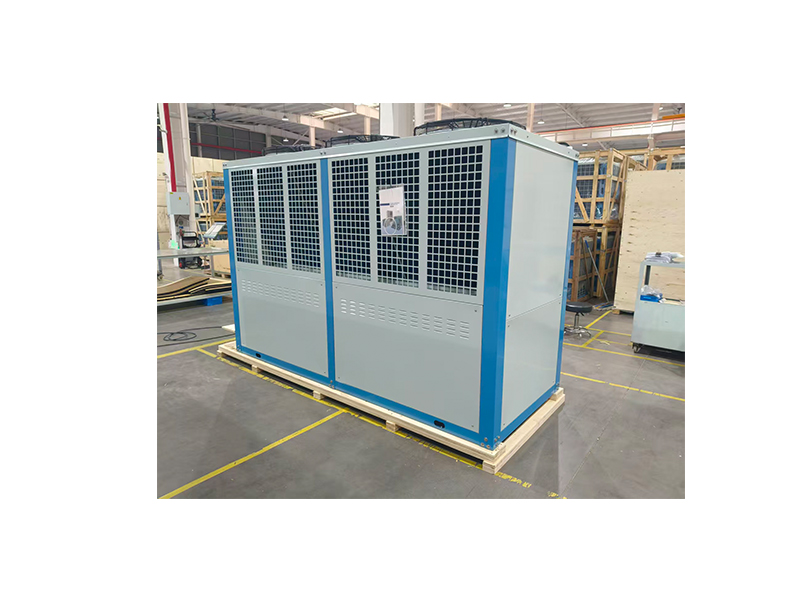
If you are building or upgrading a cold room, choose refrigeration components that match the product’s storage requirements and the local climate. For frozen storage at –18°C, a Bitzer 4HP or higher condensing unit with appropriate evaporator selection will provide stable operation. For high-heat environments, air-cooled condensers with larger heat rejection capacity become necessary. We consistently use genuine Bitzer compressors and PIR insulated panels in our turnkey cold room projects, because the combination gives predictable temperature stability and reduces the inspector’s focus on equipment-related risks.
Preventive Maintenance That Impresses Inspectors
Create a preventive maintenance program that includes quarterly condenser cleaning, semiannual refrigerant level checks, and annual evaporator fin inspection. Keep a log of each task, signed by the technician. When the auditor sees a well-thumbed maintenance log with dated entries, they gain confidence in your system. I’ve seen that even a small detail like recording the replacement of a door gasket can turn an audit in the client’s favor.
If your cold room operates in a coastal or tropical climate with high humidity and salt exposure, the selection of anti-corrosion materials and proper coil coatings becomes critical. For advice on the right equipment configuration for your site conditions, you can reach me directly at meluck@meluckcooling.com or call +8617369893087.
Preparing for Your Next Cold Room Food Safety Audit
A cold room food safety audit doesn’t have to be a stressful event. With the right equipment, consistent maintenance, and thorough documentation, you can walk into your next inspection with confidence. If you’re planning a new cold storage project or upgrading an existing facility to meet export standards, contact MELUCK at meluck@meluckcooling.com or call +8617369893087. We’ll review your requirements and help you build a cold chain that keeps your product safe and your audit history clean.
Common Questions About Cold Room Food Safety Audits
How often do I need to calibrate my cold room’s temperature sensors?
Calibration frequency depends on usage and sensor type, but a six-month interval is a practical minimum for most food storage applications. If your cold room is subject to frequent washdowns or aggressive cleaning chemicals, consider quarterly checks. Always compare the readings against a certified reference thermometer and record the results, noting any adjustments made. This record becomes a valuable piece of evidence during an audit.
Many facility managers assume a non-conformity means the audit is lost. That is rarely the case.
What inspectors want is proof that you recognized the gap and corrected it. After receiving a non-conformity, stay calm, take detailed notes, and ask for clarification on the specific standard. Immediately implement a corrective action — for example, recalibrate a sensor or replace a damaged door seal — and document it. Most food safety schemes allow you to submit a corrective action plan within a specified timeframe. In our experience, auditors respond positively to evidence of quick, competent follow-up.
Do food safety auditors check the cold room’s insulation and structural integrity?
Yes, they will visually inspect the panels, floor, and ceiling for damage, water ingress, or mold growth. They may also note gaps in panel joints and door seals. A well-built cold room with PIR panels and tight cam-lock connections eliminates these issues from the start. If you are unsure about your insulation’s condition, we can help you evaluate whether a panel replacement or upgrade would strengthen your audit readiness.
If you're interested, check out these related articles:
Egypt French Fries Cold Storage Project - Meluck
Chiller Room Solutions -10C~10C - Meluck
With over 15 years of experience as a MELUCK refrigeration engineer, I specialize in the design of cold storage, chillers, ice makers, and cold chain energy-saving systems, providing technical support to distributors and engineering companies worldwide.

meluck