
Cold Room for Tuna Loining and Processing at -60°C Deep Freeze
You cannot scale a tuna processing line with cold rooms that struggle to hold temperature during the first hour of loading. The difference between a facility that meets export inspection standards and one that fails is almost always the freezing system's ability to pull down to -60°C consistently and recover fast between batches. I have worked on cold chain projects across multiple countries where tuna loining facilities underestimated the refrigeration load until product rejection forced a redesign. This article explains the cold room design requirements for tuna loining at -60°C, grounded in equipment configurations and site experience I have seen deliver repeatable results.
What Makes a -60°C Cold Room Different from a Standard Freezer
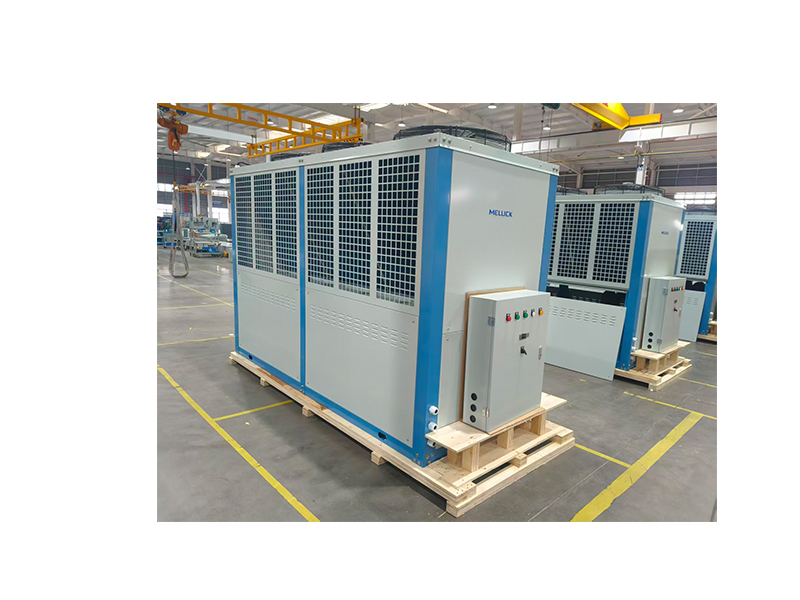
Most commercial freezer rooms are designed for -18°C to -25°C with evaporator TD values around 6–8°C. A -60°C cold storage and processing room demands a completely different set of design parameters because the refrigerant saturation temperature runs low enough to push single-stage compression beyond its safe operating envelope. The key distinction is the staged heat removal: from ambient to -25°C, a standard low-temperature condensing unit can manage the load, but moving from -25°C to -60°C requires either a two-stage Bitzer compressor or a cascade system.
I have seen a processing facility in Southeast Asia try to achieve -55°C with a single-stage reciprocating unit by oversizing the compressor and reducing the suction pressure. The unit ran for a few months before oil return failures and high discharge temperatures caused a compressor seizure. For -60°C operation, the compressor must handle high compression ratios without overheating the oil and losing lubrication. Bitzer's two-stage semi-hermetic compressors use an inter-stage cooler to reduce the discharge temperature between the low and high stage, so the final stage does not operate in a thermal range that degrades oil chemistry.
The insulation panel specification also shifts. A 150mm PUR panel may be adequate for -25°C, but at -60°C the heat gain through the panel becomes a larger fraction of the refrigeration load. For a -60°C room I recommend PIR panels with a minimum thickness of 150mm, and often 200mm for rooms above 100 cubic meters. The lower thermal conductivity of PIR—typically around 0.022 W/m·K for fresh foam—combined with the thicker core reduces the heat flux enough to keep the compressor runtime and defrost cycles manageable.
Two-Stage Compressor Selection for -60°C Tuna Processing Rooms
When I work with a seafood processing client planning a tuna loining line, the first calculation is the heat load from product, infiltration, lighting, personnel, and motors. For a typical 40-foot container-sized cold room processing 2 tons of tuna per day, the refrigeration capacity at -60°C evaporating temperature usually falls in the 15 to 25 kW range. This corresponds to a Bitzer two-stage condensing unit in the 16HP to 20HP range, depending on the suction temperature and the condenser ambient.
The product load for tuna loining is particularly high because the fish enters the room at 0°C to 5°C after pre-cooling in slurry ice, so the freezing rate from 0°C to -60°C core temperature determines throughput. A rapid freeze at -60°C takes the tuna from 0°C to -18°C in under 4 hours and to -60°C in 10–14 hours, while a -40°C room would take over 24 hours for the same core temperature, resulting in larger ice crystals and texture damage that export buyers in Japan or Europe will reject.
The compressor protection logic also matters. At -60°C suction, the refrigerant mass flow is low, so oil return becomes critical. Bitzer two-stage units include oil separators and suction accumulators sized for low-temperature operation. I always specify a crankcase heater and a liquid injection system for additional cooling of the second-stage discharge. Without liquid injection, the discharge temperature can exceed 130°C under high ambient conditions, which carbonizes the oil and clogs the expansion valve within weeks.
Blast Freezer vs. Processing Room: Zoning a Tuna Loining Facility
A tuna loining facility typically splits into two cold zones: a processing room held at 5°C to 10°C for cutting and trimming, and a -60°C storage room or blast freezer for rapid freezing and holding the final product. I have found that trying to combine both functions into one room creates condensation problems on the loining tables and makes the work environment untenable for staff.
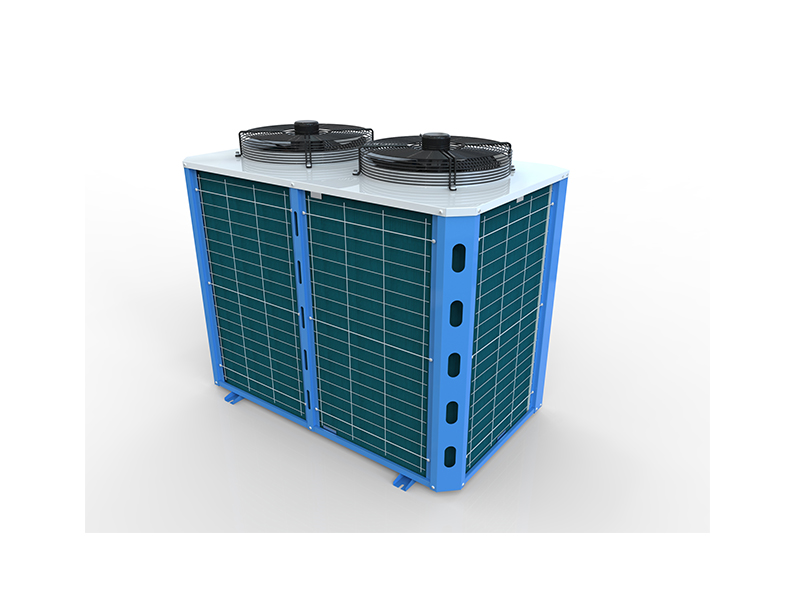
The processing room needs a separate medium-temperature chiller system with Bitzer condensing units in the 10HP to 20HP range, depending on the room volume, and evaporators with a coil design that avoids frost accumulation at +5°C. The -60°C room requires the two-stage system described above. If the -60°C room is used as a blast freezer, the evaporator must handle the initial hot-gas defrost cycles without warping the coil fins. For a blast freezer application, I typically specify DJ series evaporators with fin spacing of 8–12mm and electric defrost heaters rated for -40°C ambient, because the coil temperature during pull-down drops to -65°C and frost builds quickly.
| Zone | Temperature | Compressor Type | Typical HP Range for 10m x 6m x 4m Room |
|---|---|---|---|
| Loining Processing Room | +5°C to +10°C | Bitzer medium-temperature reciprocating | 15HP – 20HP |
| -60°C Deep Freeze Storage | -55°C to -60°C | Bitzer two-stage semi-hermetic | 16HP – 20HP |
| Blast Freezer (rapid pull-down) | -55°C to -60°C | Bitzer two-stage with liquid injection | 20HP – 25HP |
The connecting door between the processing room and the -60°C room should be a manual sliding insulated door with a heater wire around the frame to prevent ice locking. I have seen doors without frame heaters freeze shut after two shift cycles, forcing operators to use a forklift to break the ice seal, which eventually damages the door gasket and increases air infiltration.
If the facility also produces tuna sashimi-grade loins for air freight, some clients add a third zone: a -35°C blast freezer for rapid surface freezing before packing. That configuration uses a separate two-stage condensing unit or a single-stage low-temperature unit with Bitzer 4GE-23Y compressor, but the product then transfers to the -60°C room for deep freezing and holding.
Refrigeration System Reliability in Continuous Tuna Processing
Tuna loining operations often run 16 to 20 hours per day during the fishing season, so the refrigeration system must handle continuous duty with minimal downtime. The compressor for the -60°C room is the most stressed component because it operates at the edge of its envelope. I have seen one facility in South America try to run a standard Bitzer low-temperature single-stage unit at -55°C suction by lowering the cut-out pressure, only to trip the high-pressure switch within two months due to discharge valve carbon buildup.
The solution I have standardized on for -60°C applications is a Bitzer two-stage condensing unit with an oversized condenser. For a 20HP unit, I select the air-cooled condenser with a TD of 10–12°C rather than the usual 15°C to keep the condensing temperature low and reduce the compression ratio. This eases the load on the second-stage compressor and keeps the discharge temperature below 120°C even when the ambient reaches 40°C.
Oil management must be proactive. The two-stage units come with an oil separator, but I recommend adding a coalescent oil filter on the discharge line and an oil reservoir with a float valve to replenish the compressor crankcase. During a pull-down from ambient to -60°C, the oil gets cold enough to increase viscosity, so a crankcase heater rated for at least 150W for a 20HP compressor is necessary. I always specify a minimum oil temperature of 30°C before the compressor can start, enforced by a timer relay in the control panel.
The evaporator defrost strategy also impacts reliability. Electric defrost is typical, but for a -60°C room, the defrost cycle must be long enough to melt all ice on the coil surface without overheating the room. I set the defrost timer to 30 minutes with a termination thermostat at +15°C on the coil surface, and I interlock the compressor to stay off for 5 minutes after defrost to let the coil temperature stabilize and prevent liquid slugging on restart.
Insulation and Vapor Barrier Details at -60°C
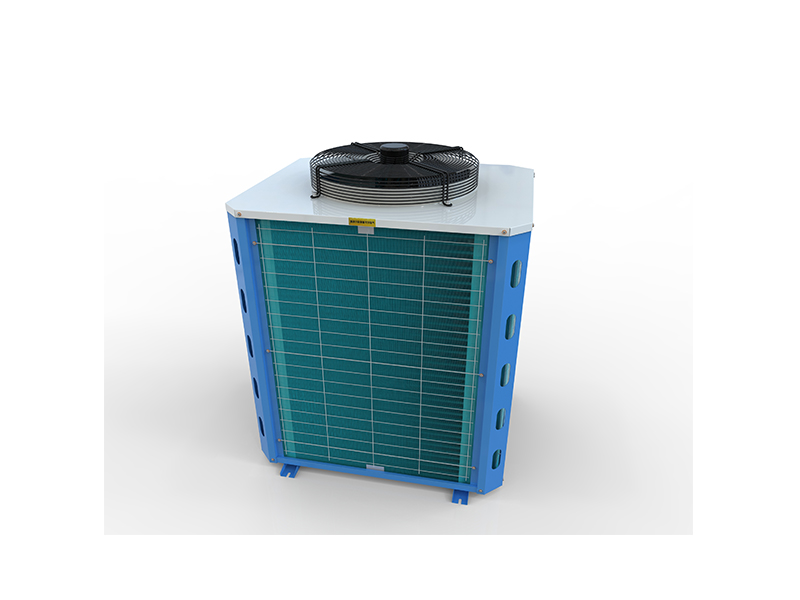
At -60°C internal temperature, the vapor pressure difference between the outside air and the cold room interior is significant. Any gap in the vapor barrier will cause ice accumulation inside the panel core, reducing the insulation R-value over time and eventually causing panel delamination. I have inspected a -60°C room in Ecuador where the panel joints were not sealed with vapor-tight tape; after eighteen months, the panels had absorbed enough moisture that the insulation value dropped by 30%, and the compressor runtime increased by over 20%.
For -60°C rooms, I use PIR panels with a cam-lock or slip-joint connection system and apply a butyl rubber vapor seal strip over every joint on the warm side before installing the interior trim. The floor requires extra attention: a heated floor slab prevents frost heave under the subfloor, which can crack the concrete and break the vapor barrier. The typical floor construction includes a 100mm concrete slab, a 200mm XPS insulation layer, another 100mm reinforced slab, and an epoxy coating with a cove base at the wall junction. I have seen floors without heating cables develop a 50mm ice lens under the slab within a year in a -60°C facility in southern China, which tilted the cold room panels enough to misalign the door.
The ceiling panels must be supported by a self-supporting structure or a suspended ceiling frame with cold bridge breaks. At -60°C, the cold bridge through an unbroken steel hanger can cause ice formation on the outside of the ceiling, which drips onto electrical panels and creates a safety hazard. I use insulated hangers with a 50mm PUR block between the steel rod and the ceiling panel to break the thermal bridge.
Control and Monitoring for Product Safety
A -60°C cold room holding tuna loins for export must demonstrate continuous temperature compliance. The control panel needs a digital controller with at least two temperature sensor inputs: one in the air return and one in the product zone. I typically use a controller that logs data to an SD card or a cloud-based remote monitoring system, with alarm thresholds set at -55°C in the air and -50°C in the product (since the product temperature will lag during pull-down).
The alarm should trigger both an audible local alarm and an SMS or email notification to the facility manager. I have investigated product loss incidents where the compressor tripped on high pressure at 2 a.m. and the room temperature rose to -30°C by morning, affecting the sashimi-grade color of the tuna loins. A remote alarm would have allowed someone to restart the system or switch to the backup unit within the hour.
The backup compressor strategy is also critical. For a facility that processes export-grade tuna, I recommend installing a second condensing unit piped in parallel with isolation valves, so the room can switch to the backup unit during maintenance or failure. The additional cost is typically recovered in the first incident of primary unit failure that would have otherwise spoiled a full room of frozen product worth tens of thousands of dollars.
Why Tuna Processors Choose Factory-Built Turnkey Cold Rooms
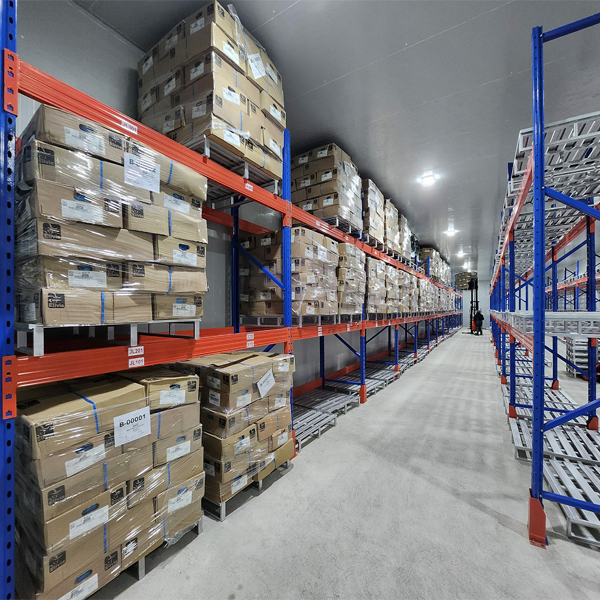
The alternative to a customized -60°C cold room from a manufacturer like us at MELUCK is sourcing panels, compressors, evaporators, and controls from four different suppliers and hiring a local contractor to assemble them. In projects I have been involved with after the fact, the typical outcome is a system that never reaches -55°C because the panels were under-specified, the compressor was sized for -40°C, and the controller did not support two-stage compressor logic.
When we provide a turnkey -60°C cold room, we handle the thermal load calculation, equipment matching, panel production, and on-site installation or supervision. For the tuna processing sector, I have seen clients reduce their commissioning time from several weeks of troubleshooting to under 10 days when the equipment was pre-matched and the installation team had experience with -60°C refrigeration. Our recent cold storage project experience includes multi-zone facilities in high-ambient locations like Ecuador and Egypt, where the condensing units had to perform reliably at 40°C outdoor temperatures while maintaining -35°C and -60°C room temperatures.
The equipment for -60°C tuna processing typically includes Bitzer two-stage semi-hermetic condensing units in the 16HP to 20HP range, PIR panels with 150–200mm thickness, high-efficiency finned evaporators rated for ultra-low temperatures, and a controller with remote monitoring capability. Our factory builds the panels to the required thickness and assembles the condensing units as complete packages, so the client receives a system that is already tested at the factory for oil pressure, discharge temperature, and suction pressure response before shipping.
If you are expanding your tuna processing facility and need a -60°C cold room that can hold temperature during continuous production and recover quickly between loads, we can provide a detailed thermal load assessment based on your daily throughput, ambient conditions, and the specific tuna product specifications. Send your processing capacity and room dimensions to meluck@meluckcooling.com, or call +8617369893087 to discuss the compressor and panel requirements for your project.
Questions Seafood Processors Ask About -60°C Cold Rooms
Is a -60°C cold room worth the cost compared to a standard -25°C freezer for tuna?
The cost difference comes primarily from the two-stage compressor, thicker PIR panels, and more robust evaporator and controls. For tuna loining intended for sashimi-grade export markets, the investment usually pays back through higher product quality and fewer rejections. Tuna frozen at -25°C will show freezer burn and discoloration within 4–6 months, while tuna stored at -60°C holds its red color and texture for 12–18 months. The price premium for sashimi-grade tuna over cooking-grade is often 30–50%, so the cold room upgrade recovers its cost within the first few export shipments.
How long does it take to pull down to -60°C after loading a batch of tuna?
With a properly sized two-stage Bitzer condensing unit and matched evaporator, a room loaded with 2 tons of pre-chilled tuna at 0°C can reach -60°C air temperature in approximately 3–4 hours and the product core temperature reaches -40°C in 8–10 hours, with full -60°C core temperature in 14–18 hours depending on the fish thickness. The key is ensuring the compressor capacity is calculated for the product load and not just the room volume, which is where I have seen many calculations go wrong.
Can I use an ammonia system instead of a Bitzer condensing unit for -60°C?
Ammonia systems can achieve -60°C but require a cascade system with a second refrigerant like CO2 or a dedicated low-stage compressor and a much larger plant room. For a processing facility handling a few tons of tuna per day, a packaged Bitzer two-stage condensing unit is simpler to install, requires less infrastructure, and can be commissioned within two weeks. Ammonia systems make sense for large centralized cold storage above 500 kW, which is beyond the scale of most single tuna loining facilities.
What ambient temperature can a -60°C condensing unit handle?
With an oversized air-cooled condenser and an ambient design temperature of 40°C, a Bitzer two-stage condensing unit can maintain -60°C suction temperature with a discharge temperature around 110–120°C when using R449A or R448A refrigerant. In our installations in coastal Ecuador and Egypt, we have run -60°C rooms at 42°C ambient without tripping the high-pressure switch, provided the condenser was sized with at least 20% extra surface area to account for fouling and high ambient.
Do I need a backup compressor for a -60°C tuna cold room?
I always recommend it if the room holds finished product worth more than $50,000. A parallel piped standby condensing unit adds about 30% to the equipment cost but eliminates the risk of a single compressor failure shutting down the room for several days while waiting for parts. In a facility I worked with in Southeast Asia, the backup unit paid for itself in the first year when the primary unit's oil pressure switch failed during the peak fishing season. The backup unit took over within 30 minutes, and the room never rose above -55°C. If you are planning a -60°C facility, it's worth having that conversation early in the design phase so the pipework and electrical panel can accommodate the second unit from the start. Share your room dimensions and processing volume, and I can outline the backup unit integration for your project—reach out at meluck@meluckcooling.com.
If you're interested, check out these related articles:
Freezer Room Solutions -25C~-18C - Meluck
Chiller Room Solutions -10C~10C - Meluck
With over 15 years of experience as a MELUCK refrigeration engineer, I specialize in the design of cold storage, chillers, ice makers, and cold chain energy-saving systems, providing technical support to distributors and engineering companies worldwide.

meluck