
Cold Room Project in Myanmar for Tomato and Tropical Fruit
Planning a cold room project in Myanmar means designing for ambient temperatures above 38°C in the hot season, high relative humidity, and produce that arrives from the field already carrying field heat. Most tomato and tropical fruit losses happen in the first hours after harvest, before the room ever reaches setpoint. In projects I have supported across Southeast Asia, the cold stores that perform treat rapid pre-cooling, moisture control, and condensing unit selection as one integrated problem. The goal is not simply cold air. It is extending saleable shelf life long enough to reach Yangon, Mandalay, or export buyers without collapse.
Myanmar Cold Room Project Requirements for Tomato and Tropical Fruit
Buyers sometimes assume a cold room is a fixed box with a setpoint. In Myanmar, the conditions outside the box are the reason the project succeeds or fails. A tomato crop cut early in the morning carries field heat, surface moisture, and high respiration. If the produce sits in ambient shade before the cold room is loaded, the damage is already underway. The room must be able to pull temperature down quickly, remove moisture without drying the fruit, and maintain stable conditions through frequent door openings.
Why do tomato losses concentrate in the first hours after harvest?
Tomato is a living product after harvest. Respiration continues and generates heat. At 30°C or above, the pulp softens faster, and fungal spores already present on the skin multiply in humid air. Rapid cooling to 8°C to 12 °C slows both processes. A room that reaches setpoint eight hours after loading does not solve the problem. The pulldown period is the specification that matters.
What should a Myanmar cold room project deliver beyond a cold box?
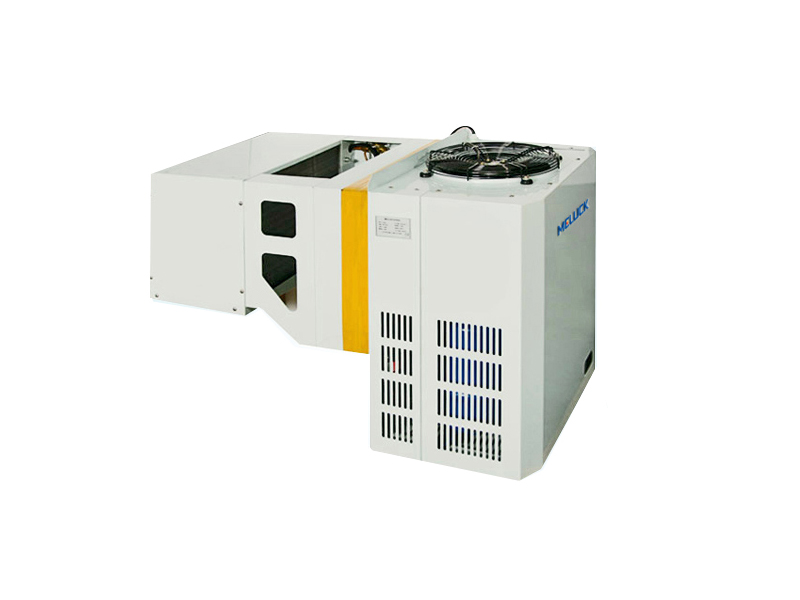
From a project perspective, the buyer needs insulation, refrigeration capacity, airflow, drainage, and operator training to work together. In the tomato cold room project we completed in Myanmar, the client originally had no conditioned holding area and was losing product during peak season. The final system combined high density PU panels, Bitzer refrigeration units, ceiling mounted air coolers, and a control routine that kept the room at 8 °C to 12 °C. That integrated approach reduced spoilage and gave the business more control over market scheduling.
Temperature and Humidity Bands for Tomato and Tropical Fruit Cold Rooms
Crops that look similar on a wholesale invoice often require different storage conditions. A single cold room set at 5 °C may suit citrus but damage mango and banana through chilling injury. For Myanmar buyers handling tomato alongside mango, banana, or citrus, zone separation matters more than refrigeration brand.
| Crop | Storage temperature | Relative humidity | Key storage note |
|---|---|---|---|
| Ripe tomato | 8 °C to 12 °C | 85% to 90% | Pre cool before storage; avoid wet stacking |
| Mango | 10 °C to 13 °C | 85% to 90% | Chilling injury below 8 °C |
| Banana | 13 °C to 14 °C | 90% to 95% | Keep above 12 °C to avoid peel browning |
| Citrus | 6 °C to 10 °C | 85% to 90% | Store separately from ethylene producing fruit |
Relative humidity is the second half of the specification. Too much free moisture creates mold on tomato and stone fruit. Too little increases weight loss, shrivel, and peel damage. Airflow should be strong enough to remove field heat but not so direct that fruit in the first row may dry out.
Refrigeration Capacity and Condensing Unit Selection for Myanmar Conditions
Myanmar's hot season does not reward undersized refrigeration. A condensing unit selected from a mild climate catalog may trip on high head pressure or run longer than expected. The load should be calculated from product temperature, daily intake volume, respiration heat, door infiltration, and ambient temperature, not from room floor area alone.
Bitzer reciprocating condensing units are common in the projects we build because they handle continuous operation in high ambient conditions when the model is correctly matched. For a modest tomato cold room, a medium temperature unit with an evaporation temperature around -5 °C to 5 °C is typical. The compressor alone is not the system. It must be paired with the right air cooler and expansion valve.
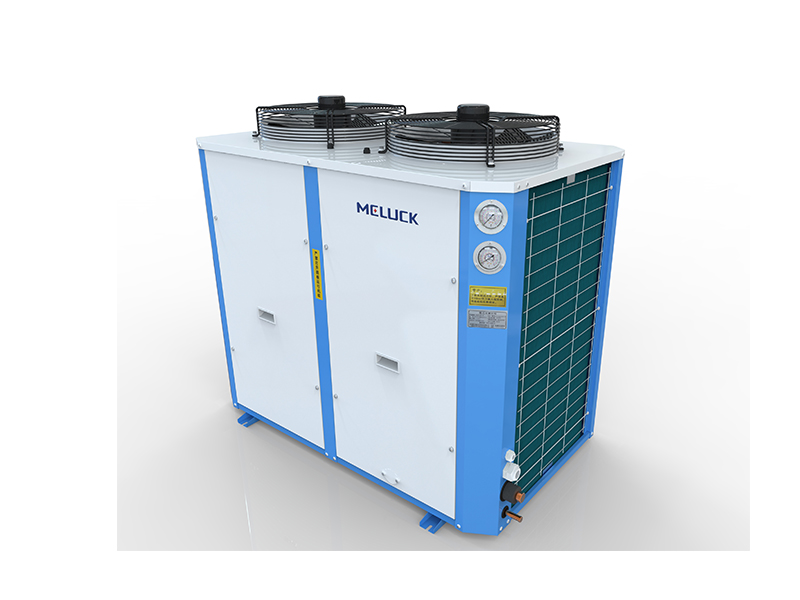
If your program involves mixed tomato, mango, and banana lines with different pulldown loads, it is worth confirming the required compressor capacity and evaporator matching before finalizing equipment. Send your room dimensions and daily intake to meluck@meluckcooling.com and we will check the load.
Insulation, Airflow, and Pre-Cooling Layout That Prevent Losses
Insulation is not a commodity line item. High density PU panels keep the thermal envelope stable, but the panel spec only works if joints are sealed and the door is insulated. In our Myanmar tomato cold room, we used high density PU sandwich panels and an insulated cold room door to limit cold air loss during loading and unloading.
Air distribution also matters. Warm fruit cannot release heat evenly if the air shortcut occurs between the evaporator discharge and return. Ceiling mounted air coolers above the main load path, with enough clearance for return air, reduce hot pockets.

What buyers miss is pre-cooling. Loading warm product into a storage room raises temperature for everything already inside. A small pre-cooling area or staged loading sequence prevents one hot bin from turning the storage room into a heater.
Turnkey Project Delivery and Operator Training for Myanmar Cold Rooms
A cold room project in Myanmar should not end at the delivery note. The steps that determine reliability are site survey, panel assembly, pipework, vacuum, refrigerant charging, test run, and operator handover. On the tomato cold room project in Myanmar, the installation sequence included site survey, layout planning, panel production, cold room assembly, moisture treatment, refrigeration piping, air cooler installation, control wiring, system commissioning, testing, and staff training. That sequence is not bureaucracy. It is what catches the mistakes that later become callouts.
The same approach in a Peru avocado project cut rejection and spoilage from roughly 15% to below 4%, and in an Egypt French fries plant product loss and quality defects were held below 2%. These outcomes have less to do with selecting a premium compressor than with making the room behave as one system.
Planning a Myanmar cold room project around the wrong assumption usually shows up after commissioning. If you are evaluating a tomato or tropical fruit cold room, start with the daily harvest volume, product temperature, and target buyer window, not with a price per panel. Send those three figures plus your room dimensions to meluck@meluckcooling.com or call +8617369893087, and we will work out the refrigeration load, airflow, and insulation spec that fit the operation.
Common Questions About Cold Room Projects in Myanmar
How much does a tomato cold room project in Myanmar cost?
It depends on the cooling load and the scope of the project, not only floor area. A simple holding room with a monoblock unit costs less than a multiroom system with pre-cooling, blast freezing, or separate humidity control. The panel volume, door type, condensing unit capacity, control system, and installation complexity drive the price. I usually ask buyers to separate the project into three budgets: the room envelope, the refrigeration system, and the site work. That makes the numbers easier to compare.
Can mango and banana be stored in the same cold room as tomato?
They should usually be stored separately. Tomato can produce ethylene, which accelerates ripening in banana and mango. The three crops also prefer different temperature bands. A setpoint that is safe for tomato is too cold for banana and will cause peel browning. If one room must handle mixed product, use separate temperature zones and place ethylene producing fruit downstream of the airflow return so the gas does not wash over sensitive crops.
What happens if the power supply in Myanmar is unstable?
Many buyers assume the refrigerant system is the main concern during power cuts, but the more immediate risk is airflow and temperature rebound. When fans stop, warm pockets form even if the refrigeration unit restarts quickly. A backup generator is only part of the answer. The door should stay closed during outages, and the control system should restart cooling with a delay to avoid liquid slugging. In projects I have supported, simple operator rules prevented more loss than oversized backup power.
How long can tomato be held in a cold room before quality drops?
In the Myanmar tomato room we commissioned, the practical benefit was sales flexibility rather than indefinite storage. Ripe tomato held at 8 °C to 12 °C can remain marketable for several days to two weeks depending on the variety and condition at harvest. The room buys time to reach a better buyer, but it does not restore fruit that was already soft or damaged. You can send your harvest volume and crop mix to meluck@meluckcooling.com and we will confirm the temperature band and pre-cooling sequence.
If you're interested, check out these related articles:
Processing Room Solutions for Food Plants - Meluck
Myanmar Potato Seed Cold Storage Project - Meluck
Blast Freezer Room Solutions -40C~-60C - Meluck
Ecuador Multi-Temperature Cold Storage Project - Meluck
Chiller Room Solutions -10C~10C - Meluck
With over 15 years of experience as a MELUCK refrigeration engineer, I specialize in the design of cold storage, chillers, ice makers, and cold chain energy-saving systems, providing technical support to distributors and engineering companies worldwide.

meluck