
Cold Room Project Saudi Arabia: High Ambient Gulf Design
For a cold room project Saudi Arabia, the refrigeration package cannot be sized like a temperate site and shipped into the Gulf summer. After reviewing rooms we built in Egypt and Ecuador, I keep coming back to the same issue: the room setpoint was correct, but the outdoor unit inlet temperature was not part of the load calculation. In Saudi Arabia, the ambient that matters is the air entering the condenser, not the weather station reading across town. That inlet air can sit well above 45°C in direct sunlight or alongside a wall. The correction starts with a larger cooling margin, a specified condensing unit, and a panel that matches the real heat gain.
Why Do Cold Room Projects in Saudi Arabia Need a Higher Design Ambient?
A condensing unit rated at 32°C will not deliver its catalogue cooling capacity when the outdoor air is 48°C. The compressor has to reject heat against a higher condensing temperature. That reduces refrigerant mass flow through the evaporator and pulls the evaporating temperature down. For a chiller room, the risk is produce that never reaches target temperature in summer. For a freezer room, the risk is high discharge temperature and compressor trips during the hottest hours. Capacity derating is not linear, and the gap widens when the coil has dust or the unit sits in direct sun.
We set the design ambient for a Saudi cold room project at 45°C to 50°C unless the condenser location is verified to be shaded and ventilated. That is higher than the climate summary many suppliers use, but it matches the temperature patterns around roof mounted units and mechanical yards. I have seen Egypt jobs hold at 40°C plus with correctly selected Bitzer semi hermetic units, but only when the condenser was selected for that condition. If the local supply voltage is weak during peak load, the same ambient becomes harder because the compressor sees more heat and slip. This is why the electrical decision belongs in the same calculation.
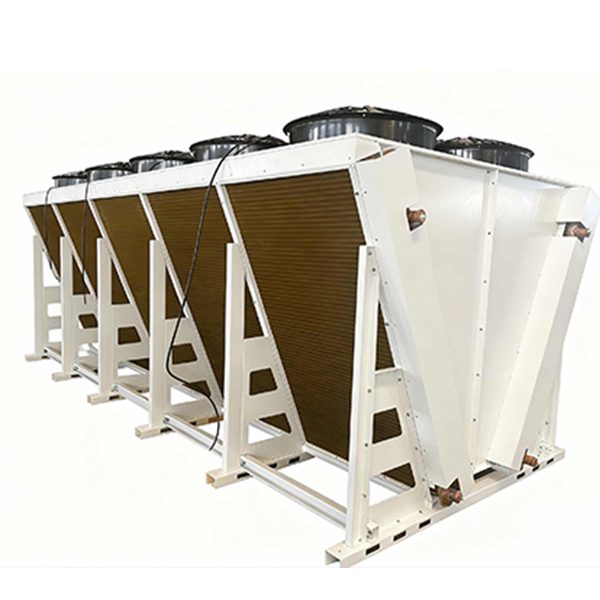
Which Condensing Units Hold Capacity in Saudi Summer Heat?
For a Saudi high ambient cold room, condensing unit selection starts with medium temperature or low temperature duty, then the inlet air condition. A chiller room at 0°C to 8°C usually works with semi hermetic reciprocating units from 3HP to 25HP, or scroll units in smaller plants. Freezer rooms at -18°C to -25°C need low temperature units with a larger compression ratio and a condenser sized for the summer peak. Large distribution rooms and processing halls move into 30HP to 50HP territory, and at that point a parallel compressor rack or a screw unit becomes easier to service than a group of small units.
Medium and Low Temperature Units
For chill rooms, we prefer a unit that can hold suction pressure steady when the condenser pressure climbs in August. For freezer rooms, the unit must be able to start and run with a hot gas defrost load if the system uses that approach. The exact horsepower comes from the room heat gain, product load, and daily door traffic, not from a square footage rule.
Large Rooms, Blast Freezers, and Two Stage Compression
When product must be pulled from arrival temperature to -35°C within hours, the unit has to manage a much wider compression ratio. We use two stage semi hermetic condensing units for blast freezers and quick freezing lines, and screw compressor units for large cold storage warehouses. In Cairo, a French fries project ran a 125HP blast freezer system at -35°C through high ambient months without losing room temperature. The condenser was selected for outside air rather than the catalogue rating.
Frequency and Utility Checks
Saudi supply frequency can vary by area, and 60Hz supply is common in parts of the Kingdom. A unit supplied for 50Hz will run at the wrong speed on 60Hz, drawing more current and shifting coil airflow. Compressor speed, condenser fan speed, and evaporator fan speed all need confirmation before we ship. We ask for the actual site frequency, phase, and voltage stability because a good unit on the wrong frequency becomes a warranty problem later.
| Room Type | Setpoint | Suggested Condensing Unit | Panel Thickness |
|---|---|---|---|
| Chiller room | 0°C to 8°C | Medium temperature reciprocating or scroll | 100 mm PIR |
| Freezer room | -18°C to -25°C | Low temperature reciprocating | 150 mm PIR |
| Blast freezer | -35°C to -40°C | Two stage or screw for rapid pull down | 150 mm or 200 mm PIR |
| Processing room | 5°C to 10°C | Medium temperature reciprocating | 100 mm PIR |

What Panel, Airflow, and Defrost Choices Reduce Gulf Heat Gain?
Saudi heat gain works through the panel, the door seal, and the air infiltration path. We specify PIR panels for freezer rooms because the thermal performance holds better than standard PU at the same thickness, and the fire rating matters for commercial projects. For a chiller room in Riyadh, 100 mm PIR is usually enough. For a freezer at -25°C, 150 mm PIR is a safer baseline. Coastal and high condensation locations such as Jeddah may need a heavier panel and a vapour seal, not because it is colder but because moisture drives ice and panel damage.
Evaporator airflow is equally important. A cold room that reaches temperature but stores product unevenly usually has an air throw problem, not a compressor problem. We check the room height, racking layout, and door location before choosing between DL, DD, or DJ series air coolers. For blast freezer rooms, the evaporator needs high velocity fans and a coil design that can handle frost without short cycling.
If your program includes a freezer at -25°C or below, the condensing unit and panel thickness should be confirmed against the actual summer inlet temperature. Send the room type, setpoint, and target pulldown time to meluck@meluckcooling.com and we will return a Gulf specific equipment schedule before you finalize the BOM.
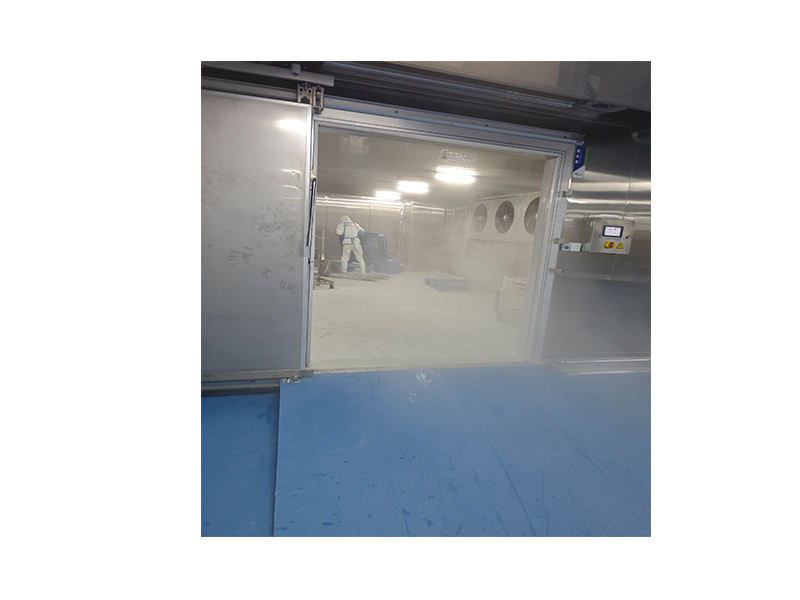
What Should You Check Before Commissioning a Saudi Cold Room?
Commissioning in Gulf conditions is not a final walk through. It is the first time the full system sees the real ambient. We check compressor amps against the rated operating envelope, refrigerant charge and superheat, condenser fan rotation, defrost termination, door seals, and the control setpoints. In a high ambient site, one wrong defrost setting can leave a freezer with ice build up on the evaporator and rising product temperature by week two.
Spare parts planning matters just as much. For Saudi projects we suggest holding a contactor set, defrost heater, controller sensor, and condenser fan motor. The lead time for these is short, but a failure during August can be costly. Remote monitoring can reduce the number of after hours callouts if the controller is compatible with the site network and the alarm chain reaches a person, not just a screen.
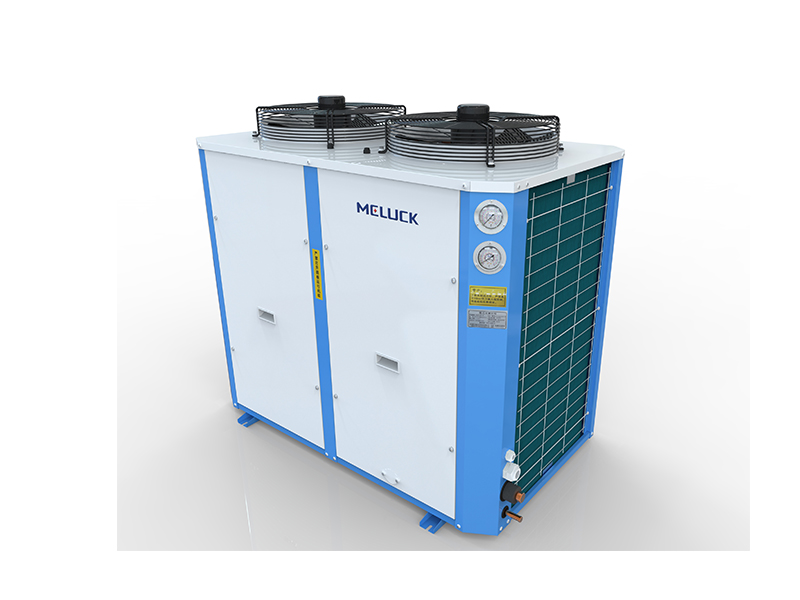
Ready to Specify a Cold Room Project in Saudi Arabia?
Most failures we see later trace back to a specification copied from a temperate market. The room works in winter and fails in August because the condenser was sized for 35°C, the panel was too thin, or no one planned for sand on the coil. You can avoid that by sending the site details early: room dimensions, setpoint, product arrival temperature, and the available electrical supply. Our Shanghai engineering team then returns a Gulf equipment package with the correct condensing unit, insulation, and commissioning checks. Send these details and your target timeline to meluck@meluckcooling.com or call +8617369893087. We will confirm the compressor, panel thickness, and installation sequence for your Saudi location before you commit to procurement.
What Else Do Buyers Ask About Cold Room Projects in Saudi Arabia?
Do I need a 60Hz condensing unit for a Saudi site?
Yes, in areas where the supply is 60Hz, and it is easier to confirm the frequency before ordering than to rework motors later. A compressor or fan motor built for 50Hz will run fast on 60Hz, draw more current, and change coil airflow. We ask for the actual site frequency and voltage during the quotation stage. If the project sits in a 50Hz pocket, that is fine, but the controls and motor data still need to match the local grid rather than a generic export setting.
Is 100mm PU panel enough for a freezer in Saudi Arabia?
A common assumption is that 100 mm panels are sufficient because the same room would work in a milder climate. In Saudi heat gain, 100 mm PU can work for a small chiller, but I would not use it for a freezer at -25°C. PIR at 150 mm gives better thermal resistance and a stronger fire rating for commercial projects. The panel is not where you should cut cost, because the electricity bill repeats every month while the panel keeps adding heat load.
Can I use a water cooled condenser instead of high ambient air cooled?
It depends on water cost and maintenance. A water cooled shell and tube condenser can reject heat at a lower condensing temperature and run more efficiently in summer, but it needs clean water, water treatment, and a service routine. Most Saudi cold room projects are better off with a correctly sized air cooled condenser because water is expensive and the air cooled unit has fewer moving services. We only recommend water cooled when the site already has a reliable cooling water loop.
What is the quickest way to get a budget for a cold room project in Saudi Arabia?
In projects we have quoted for Middle East buyers, the fastest route is to send the room size, setpoint, product type, and available electrical supply in one message. That lets the engineering team confirm the compressor, panel thickness, and ballpark price without three rounds of questions. If you are evaluating a freezer, include the expected daily throughput because the pulldown load changes the equipment size more than the room volume. Share your room dimensions and target temperature with meluck@meluckcooling.com and we will confirm the right specification for your Saudi site.
If you're interested, check out these related articles:
Peru Avocado Pre-Cooling Cold Storage - Meluck
Ecuador Multi-Temperature Cold Storage Project - Meluck
Chiller Room Solutions -10C~10C - Meluck
Egypt French Fries Cold Storage Project - Meluck
Freezer Room Solutions -25C~-18C - Meluck
With over 15 years of experience as a MELUCK refrigeration engineer, I specialize in the design of cold storage, chillers, ice makers, and cold chain energy-saving systems, providing technical support to distributors and engineering companies worldwide.

meluck