
Cold Storage in Cambodia for Seafood and Rice Processing
Cambodia's seafood and rice sectors face the same cold chain problem in different ways. Shrimp and fish lose export value fast when holding temperatures climb, while milled rice develops mold and moisture migration when humidity stays high. Cold Storage in Cambodia has to handle both jobs on one site: rapid chilling for landed catch and stable low humidity storage for rice. From projects we have worked on in similar hot, humid markets, the difference between profitable export runs and rejected loads usually comes down to zoned design and equipment selection, not raw installed capacity.
What Do Seafood and Rice Cold Rooms Need in Cambodia?
Seafood and rice cannot share a single cooling curve. Shrimp, fish, and squid need rapid chilling and low holding temperatures, while milled rice needs a stable, lower humidity room. When both products run on one site, the layout and zone separation matter more than total compressor power.
| Zone | Product | Working temperature | Main control target |
|---|---|---|---|
| Fresh seafood receiving and holding | Shrimp, fish, squid | 0°C to 4°C | Preserve texture and limit bacterial growth |
| Seafood processing room | Head-on shrimp, fillets, surimi | 5°C to 10°C | Keep product cold during handling |
| Blast freezer | Export seafood | -35°C or below | Rapid core freeze, low dehydration |
| Frozen storage | Finished seafood | -18°C or below | Stable long-term holding |
| Rice storage | Milled and bagged rice | 15°C to 20°C | Keep relative humidity around 55 to 65 percent |
| Flake ice system | Seafood landing and processing | -5°C to -10°C | Continuous icing for incoming catch |

Why does the seafood sequence protect export quality?
Seafood moves through receiving, processing, freezing, and storage as one chain. Fresh shrimp should be brought down to about 0°C to 4°C quickly after landing. In a multi-temperature facility we supplied in Manta, Ecuador, the sequencing worked like this: a 5°C to 10°C processing room received the product, a -35°C blast freezer locked the core temperature, a -18°C frozen storage room held finished goods, and a -10°C ice storage room held the flake ice reserve. The flake ice plant produced 10 tons per day for the line. Without that sequence, warm product would sit too long before freezing and the blast freezer would take longer to pull down.
Why rice needs a different temperature profile
Milled rice fails slowly, not visibly. At warm temperatures and high relative humidity, moisture migrates inside bagged rice, and condensation appears on the bag surface when night temperatures drop. Mold starts at that surface layer. A rice cold room should hold around 15°C to 18°C and 55 to 65 percent relative humidity, not the 85 percent range used in seafood rooms. The insulation and refrigeration equipment should be specified for the moisture load, not copied from a freezer room.
Why Does Humidity Control Decide Product Loss in Cambodian Cold Storage?
Temperature gets most of the design attention, but humidity and air movement create the real weight and quality losses. Two cold rooms can both run at 4°C and produce very different shrimp. One dries the surface, the other keeps it firm and export ready. The difference is evaporator selection, air speed, and defrost control.
What evaporator behavior protects shrimp weight?
An evaporator with an aggressive temperature difference and high air velocity pulls moisture from exposed shrimp surfaces. For chilled holding, a slow and uniform air pattern works better than cold, high-speed airflow. In the Manta project, the processing room and frozen storage used separate ceiling-mounted air coolers matched to each zone's sensible and latent load. The blast freezer used dedicated evaporators designed for -35°C duty. One airflow profile cannot serve processing, chilling, and deep freezing at the same time.
Why does defrost frequency matter in humid climates?
Coil frost reduces airflow and pushes the evaporating temperature down. That removes more moisture from the room air and dries product further. In humid Cambodian conditions, defrost should run before frost becomes heavy enough to block the coil. Electric or hot gas defrost may need more frequent cycles than in dry markets, and the control should respond to frost load rather than a fixed timer only.
How Do You Match Refrigeration Equipment to Cambodia’s Power and Climate?
Cambodia's hot afternoons and uneven grid supply make equipment selection a site-specific task. A condensing unit that reaches setpoint at 30°C can lose capacity when the ambient temperature climbs past 40°C. Voltage drop on a rural feeder can make a direct online compressor struggle to start or shorten contactor life.
What to specify for high ambient temperatures
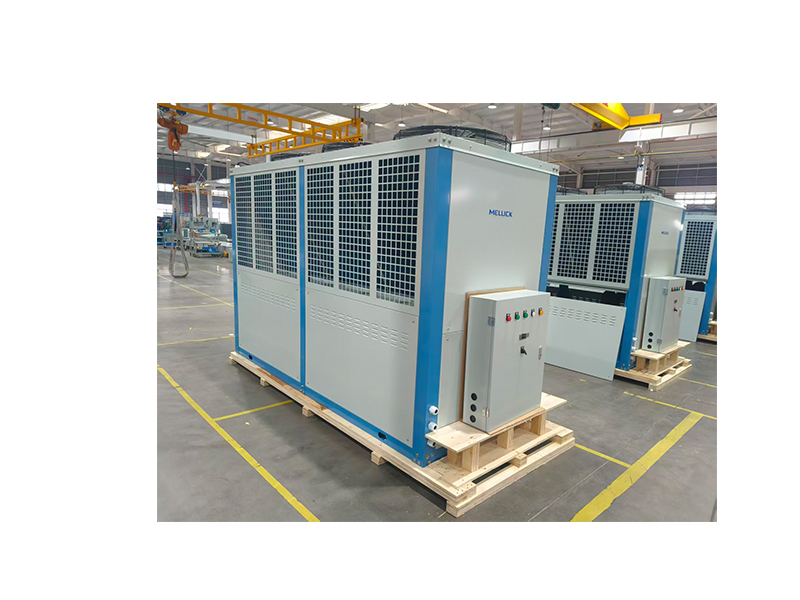
Select condensing units with enough condensing temperature tolerance for the peak site condition. We review capacity at the expected condensing temperature, not only at standard rating data. For freezer rooms, Bitzer semi-hermetic reciprocating or screw units are a practical standard in our load list. In the Egypt French fries project, the system held -35°C, -20°C, and 5°C to 10°C zones through high-heat periods because the compressors and air coolers were matched to peak ambient conditions, not annual averages.
How to size around a generator or unstable grid
Before ordering, check the compressor starting current and the site's actual voltage drop. Soft starters or phase monitoring equipment can protect compressors where supply fluctuates. If a generator provides backup or primary power, size it for locked rotor current rather than running current. A marginal generator may trip during start or produce low voltage that overheats the motor.
If your Cambodian site runs on a rural feeder or generator, it is worth confirming the compressor starting current and peak voltage drop before the equipment list is final. Send the site voltage, phase, and afternoon ambient temperature to meluck@meluckcooling.com and we will match the condensing unit to real operating conditions.
What Should a Turnkey Cold Storage Project in Cambodia Include?
A turnkey quotation should start with a site survey and product profile, not a panel price. Without those two inputs, the buyer gets a cold room that may be underpowered for the hottest month or oversized for the actual load.
- Site survey and load calculation. Measure product entering temperature, daily throughput, door traffic, and the site's power condition.
- Panel and door specification. Choose high-density PU or PIR panels with the correct thickness for chiller, freezer, or blast freezer duty. Include the right manual sliding or sectional door for traffic flow.
- Refrigeration equipment matching. Select condensing units and evaporators for each zone, and add flake ice if seafood receiving needs continuous icing.
- Installation and piping. Complete assembly, vacuuming, refrigerant charging, and performance testing.
- Commissioning and operator training. Confirm pull-down, defrost, alarms, and temperature stability before handover.

Why project documentation matters
Before acceptance, ask for panel and compressor specifications, wiring diagrams, defrost settings, and maintenance intervals. A project that does not include handover training leaves operators unprepared for a temperature alarm at night.

What Should Buyers Confirm Before Procuring a Cold Room in Cambodia?
When a cold room quote is built only from panel price and compressor horsepower, the real risks in Cambodia appear later: slow pulldown in humid heat, voltage trips on a weak feeder, rice molding from moisture migration. We ask buyers to confirm three data points before signing: the product temperature entering the room, the peak afternoon ambient temperature at the site, and the power supply condition. Those three answers turn a general quote into a system that works the first week, not after repeated callbacks.
Send your cold storage requirements and site voltage to meluck@meluckcooling.com or call +8617369893087. We will confirm zone design, compressor matching, panel specification, and installation scope with you before you commit.
What Questions Do Buyers Ask About Cold Storage in Cambodia?
How long does a turnkey cold room project in Cambodia take?
Most turnkey projects run from six to ten weeks from confirmed drawings to handover, depending on panel production and customs clearance. Panel production typically takes three to four weeks for a standard cold room, and on-site assembly, piping, commissioning, and training take another two to three weeks. Before ordering, confirm the supplier's production slot and shipping route so the critical path is clear.
Is direct frozen storage enough for shrimp and fish, or is blast freezing necessary?
Direct frozen storage is not enough if the product enters warm. A holding freezer at -18°C pulls heat slowly, and slow freezing forms large ice crystals that damage shrimp texture and increase drip loss. Blast freezing first, at -35°C or lower, sets a fast core freeze and preserves export quality. After blast freezing, product can move safely to -18°C storage.
Does a rice cold room need industrial refrigeration, or can air conditioning work?
It depends on batch size and moisture load. For small rooms under 20 cubic meters, a properly sized split unit may hold milled rice, but standard air conditioning often removes too much moisture and struggles at harvest heat loads. For commercial volumes, industrial refrigeration with a cold room evaporator gives steadier temperature and humidity control across the bag stack.
Can a cold storage system hold temperature during Cambodia’s hot season?
In hot coastal projects we have supplied, the same compressor capacity that works in a mild climate can lose pull-down speed when condensing temperatures rise. The fix starts with selecting condensers for peak ambient temperature and keeping coils clean. At the end of each season, check refrigerant charge, condenser airflow, and door seals. Share your site's afternoon peak temperature and product load with meluck@meluckcooling.com, and we will confirm whether the proposed condensing unit and panel thickness can hold the required setpoint year round.
If you're interested, check out these related articles:
Chiller Room Solutions -10C~10C - Meluck
Blast Freezer Room Solutions -40C~-60C - Meluck
Peru Avocado Pre-Cooling Cold Storage - Meluck
With over 15 years of experience as a MELUCK refrigeration engineer, I specialize in the design of cold storage, chillers, ice makers, and cold chain energy-saving systems, providing technical support to distributors and engineering companies worldwide.

meluck