
Cold Room Projects in Thailand: Seafood and Fruit Cold Chain
Cold room projects in Thailand rarely fail because of cooling capacity alone. They fail when one room is expected to hold frozen shrimp at -18°C on Monday and fresh mango at 12°C on Tuesday. I have reviewed enough seafood and tropical fruit cold chain layouts in tropical coastal markets to know that the expensive problems start in the zone plan, not the compressor room. A project in Thailand should be designed around product water loss, respiration heat, defrost cycles, and export inspection timing. If the zone logic is wrong, no amount of compressor horsepower will fix it.
What Does a Cold Room Project in Thailand Actually Require
Thailand's cold chain business runs on two different temperature regimes. Seafood needs rapid freezing and low temperature holding. Tropical fruit needs moderate chilling and careful humidity. A single room cannot serve both for long without visible quality damage, yet that is the most common cost cutting request I hear.
| Zone | Operating range | Typical product in Thailand | Main failure risk |
|---|---|---|---|
| Blast freezer | -35°C to -40°C | Shrimp, squid, cuttlefish, fish fillets | Slow freezing and large ice crystals |
| Frozen storage | -18°C to -25°C | Frozen seafood, durian pulp, ready to cook items | Temperature swing and frost buildup |
| Ice storage | -10°C | Flake ice reserve | Ice melting and clumping |
| Processing room | 5°C to 10°C | Sorting, trimming, packing | Condensation and bacterial growth |
| Fruit cold room | 10°C to 15°C | Mango, longan, mangosteen, durian | Chilling injury or weight loss |
Once the zone map is fixed, the equipment follows. A project that merges zones to save budget usually moves that cost into spoilage, rejection, and rework after commissioning. Humidity control is not optional in Thai fruit rooms. High relative humidity preserves weight but creates condensation when the evaporator coil temperature differential is too wide, so the coil selection and defrost settings have to match the product rather than default settings.
How Should Seafood Rooms Be Zoned for Export Quality
Seafood cold room projects in Thailand usually start from buyer specifications, not from what the building owner thinks is enough. For shrimp and fish, I work backward from the destination cold chain requirement. The blast freezer must pull core temperature from processing level to -18°C quickly, and the storage room must hold that temperature without wide swings.
Should You Separate Blast Freezing from Frozen Storage
Yes. A blast freezer is a high velocity heat removal machine. If product sits in it after freezing, you waste energy and dry the surface. Frozen storage at -18°C to -25°C is for holding, with lower air speed and different evaporator fin spacing.
What Role Does Flake Ice Play in a Thai Seafood Project
Flake ice covers the receiving and processing floor before freezing. In a multi-zone seafood cold chain project we built in Manta, Ecuador, a 10-ton per day flake ice plant kept shrimp and fish at the right temperature during sorting and trimming before they entered the -35°C blast rooms. The same principle applies in Thailand: ice handles the variable landing hours, and the cold rooms handle the scheduled batch load.
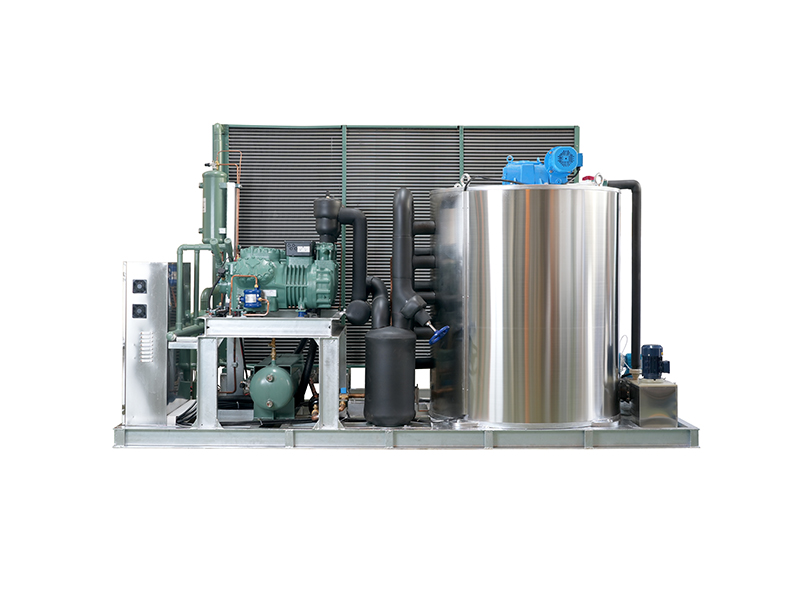
If your seafood room receives mixed species and landing peaks, confirm the ice plant and processing room are sized for peak hours, not daily average. Send your product mix and landing schedule to meluck@meluckcooling.com and we will check the heat load before you order.
Why Do Tropical Fruit Rooms Need Different Humidity Control
Tropical fruit rooms fail quietly. Temperature can be within range while fruit loses weight or develops condensation, and the damage shows up only when export buyers reject pallets. For mango, longan, mangosteen, and fresh durian, humidity control and air movement matter as much as setpoint.
Can Mango and Durian Share the Same Cold Room
For export grade fruit, no. Mango is commonly held around 10°C to 13°C with 85 to 90 percent relative humidity. Fresh durian varies by cultivar and often requires 12°C to 15°C, and its sulfur compounds can taint other produce if return air is shared. If your Thailand project handles both, plan separate rooms or strict airflow isolation from the start.
Why Does Humidity Matter More Than Setpoint for Fruit
Fruit loses water when the room air is too dry, and water loss is weight loss. But if humidity is pushed too high and the evaporator coils run too cold, condensation drips onto cartons and mold follows. Our avocado cold room project in Peru held 10°C with a tolerance of plus or minus 0.5°C for pre-cooling, and the client's rejection and spoilage rate fell from about 15 percent to below 4 percent. The same control logic applies to Thai tropical fruit, except the moisture load is often higher.
Which Refrigeration Equipment Suits Thailand's Power and Climate
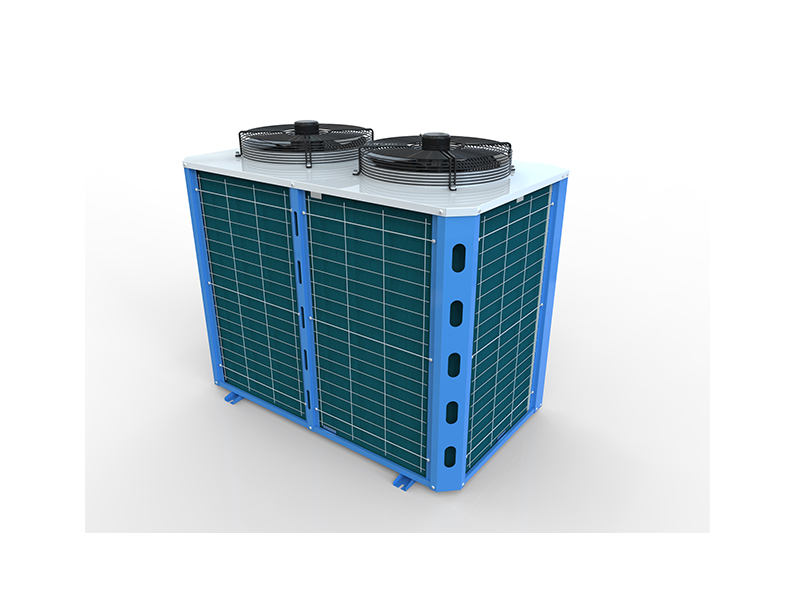
Thailand industrial sites run 380V/50Hz three-phase, which is straightforward for condensing units from China, but the design still has to account for high condensing temperatures. At 38°C ambient, an air cooled condensing unit loses capacity compared with cooler climates. Compressor selection should be checked at the Thai summer condition, not at a nominal European rating point.
| Application | Typical room temperature | Equipment to specify | Why it matters |
|---|---|---|---|
| Seafood processing room | 5°C to 10°C | Bitzer 25HP medium temperature condensing unit and ceiling air cooler | Keeps sorting and trimming stable |
| Blast freezer | -35°C | Bitzer 40HP low temperature or two-stage condensing unit and blast freezer evaporator | Rapid core temperature pull down |
| Frozen storage | -18°C to -25°C | Bitzer 30HP low temperature unit and frost rated air cooler | Prevents product temperature swing |
| Tropical fruit room | 10°C to 15°C | Bitzer 20HP medium temperature unit and low velocity air cooler | Controls humidity and condensation |
| Flake ice reserve | -10°C | Dedicated medium or low temperature unit | Stops ice melting and clumping |
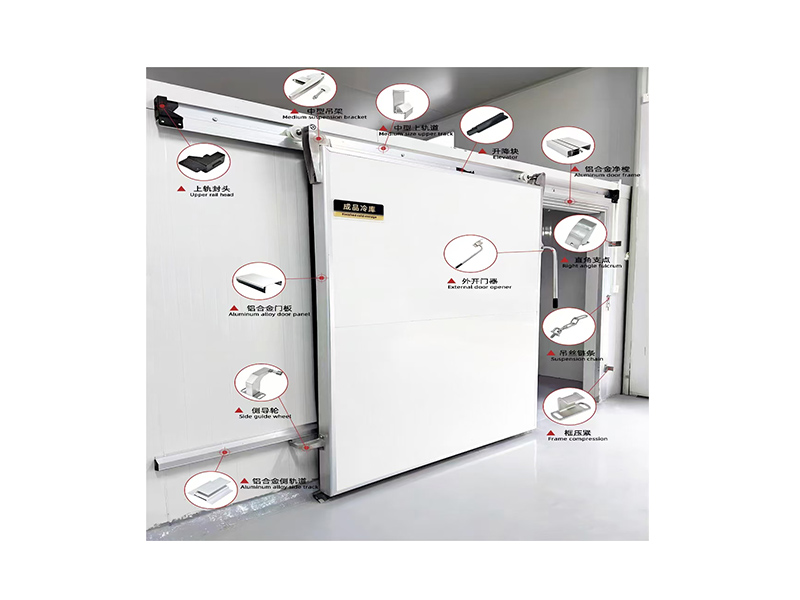
Panel choice also changes how the plant runs. PIR panels with a B1 fire rating and slip-joint connection suit food plants where fire rules and moisture are strict. PUR panels with camlock construction are a practical option for less critical rooms. In a humid Thai plant, I prefer panel joints that stay tight through repeated defrost and washdown, because air leaks show up as ice and mold before the control system records a fault.
What Should You Check Before We Quote a Thailand Cold Room Build
Three checks done under real load catch most post-handover failures. Defrost termination and drip time should be tested with product inside, because an empty room test hides the moisture load from fruit and fish. Probe position should be checked against the airflow path, because a sensor in dead air will read a steady temperature while the product warms. And all zones should be run together during the hottest afternoon, because staging changes when compressors share load.
If you are planning a Thailand project with seafood and tropical fruit, send the site dimensions, product mix, target temperatures, and whether the facility is new or a retrofit. The MELUCK engineering team will return a zone plan and equipment selection without the usual back and forth. Contact us at meluck@meluckcooling.com or +8617369893087.
What Questions Do Buyers Ask Before a Thailand Cold Room Project
Can one cold room hold both seafood and tropical fruit
Not for products held longer than a few hours. Seafood storage requires -18°C or lower and low humidity tolerance, while mango and longan need 10°C to 13°C and much higher relative humidity. If both zones share one room, the fruit loses moisture or the seafood rises above export tolerance. For a small facility, a single room with two separate temperature chambers and isolated airflow can work, but the doors and controls must be independent.
What is the right temperature for a shrimp cold room before export
Many buyers assume -18°C is enough for shrimp before export, but the right answer separates freezing from storage. The blast freezer should run around -35°C to pull down the core temperature quickly, and the holding room should run at -18°C to -25°C. Slow freezing at -18°C creates large ice crystals and hurts texture, moisture, and yield. If your buyer inspects core temperature, aim for stable holding rather than a room that oscillates around the limit.
Does a Thailand cold room project need a backup compressor
It depends on the value of inventory and the export window. If the room holds high value shrimp or durian pulp with strict shipment dates, a second compressor or a parallel condensing unit is worth the capital. If the room holds low value produce for short periods, a well maintained single system with alarm monitoring may be enough. We usually ask what a lost batch would cost before deciding, because that number tells you more than the equipment price.
How long should a cold room project take from order to handover
In our Southeast Asia turnkey projects, a standard prefabricated cold room usually runs eight to twelve weeks from confirmed drawings to commissioning, depending on panel production and local site preparation. Custom multi-zone seafood and fruit facilities take longer because the blast freezer, processing room, and ice system must be installed and tested as one sequence. Before you sign, confirm the supplier includes operator training and a handover checklist. Send your target dates and product mix to meluck@meluckcooling.com and we will confirm a production slot.
If you're interested, check out these related articles:
Myanmar Potato Seed Cold Storage Project - Meluck
Peru Avocado Pre-Cooling Cold Storage - Meluck
With over 15 years of experience as a MELUCK refrigeration engineer, I specialize in the design of cold storage, chillers, ice makers, and cold chain energy-saving systems, providing technical support to distributors and engineering companies worldwide.

meluck