
Cold Room Projects in Mexico: Food Processing Cold Storage
Cold room projects in Mexico turn on three decisions made before panels arrive: temperature zones, refrigeration package, and the compliance path. Food plants from Hermosillo to Mérida deal with high ambient heat, 60 Hz power, and export audits that punish unstable holding temperatures. Equipment selected for a mild climate often fails the summer pull-down test, when a processing room must drop from +35°C outside to +8°C inside and stay there during production. That is why a Mexican project starts with load calculation and climate-specific equipment, not with the lowest panel quote.
What a Food Processing Cold Room Project in Mexico Must Get Right Before Quoting
Most food processors in Mexico start a cold room quote with dimensions, but dimensions do not drive the refrigeration load. Product load, daily throughput, and pull-down time matter more. A berry packer in central Mexico may need +2°C holding after field heat removal. A meat processor in Sonora may need +5°C cutting rooms, -18°C storage, and a blast freezer. Without this zoning conversation, the buyer gets either one oversized system or several rooms that cannot hold their setpoints during harvest.
| Zone | Temperature range | Common products | Refrigeration approach |
|---|---|---|---|
| Chiller room | 0 to +8°C | Fresh produce, dairy, meat staging | Medium-temperature condensing unit with DL air cooler |
| Processing room | +5 to +10°C | Meat cutting, seafood sorting, packaging | Medium-temperature unit with frequent defrost |
| Frozen storage | -18 to -25°C | Frozen meat, fish, prepared foods | Low-temperature condensing unit with DD air cooler |
| Blast freezer | -30 to -40°C | Seafood, meat, ready meals | High-capacity unit or two-stage compressor, blast evaporator |
| Ice storage | -10°C | Flake ice buffer for fish and processing | Small low-temperature unit |
The load calculation follows the zone map. A French fries plant we built in Cairo used a +5 to +10°C packaging room, -20°C finished storage, and -35°C blast freezer precisely so each zone carried only its own load. Mexican plants that process mango, avocado, chicken, or shrimp face the same issue; the processing room does not need freezer temperatures, but it cannot borrow capacity from the freezer system.
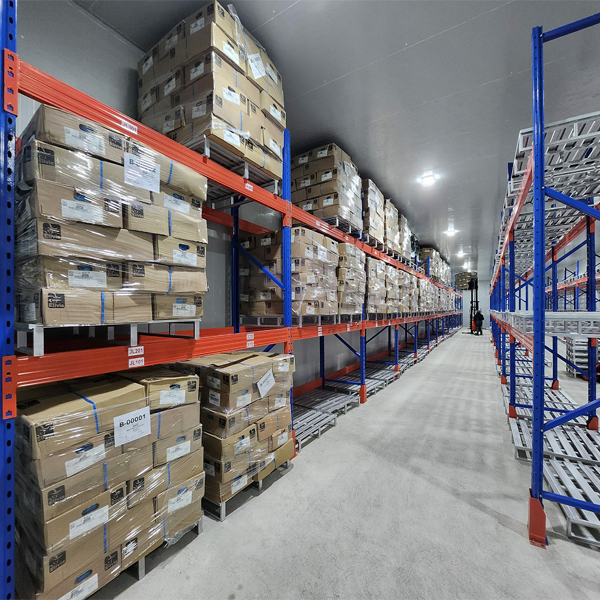
Which Refrigeration Equipment Handles Mexico's Climate and 60 Hz Power Best
Mexico's grid operates at 60 Hz, with industrial sites commonly at 220 V or 440 V three-phase. A condensing unit quoted from a 50 Hz market does not automatically produce the same capacity on a Mexican supply. Compressor motor speed, displacement, and power draw change with frequency, so the unit selection must be matched to 60 Hz at the quoting stage. We reissue specifications for every Mexican cold room project at the actual site voltage, rather than carrying over a 50 Hz selection.
Ambient heat also drives the condensing unit choice. In Monterrey, Hermosillo, or Veracruz, summer ambient temperatures commonly reach 38°C to 42°C, and an air-cooled condenser sized for 32°C will run high head pressure and trip. We specify condensing units with enough condenser surface and fan airflow to reject heat at the local peak. For 0 to +8°C chiller rooms, a medium-temperature Bitzer or Copeland unit from 4 HP to 25 HP is typical. For -18°C freezer rooms, a low-temperature unit is required, because a chiller unit at -18°C loses capacity and shortens compressor life. For -35°C blast freezers, we move to a larger compressor or a two-stage unit.
Coastal humidity adds another layer. The Manta, Ecuador project we completed used original Bitzer compressor systems matched to high humidity and coastal salt air, with blast freezing at -35°C, frozen storage at -18°C, and flake ice production on the same site. Mexico's Gulf and Pacific coast plants need the same treatment, not a temperate climate selection. In Peru, our avocado cold room cut rejection and spoilage from roughly 15% to below 4% by holding 10°C plus or minus 0.5°C with two Bitzer 20 HP condensing units.
If your Mexican site supplies 220 V or 440 V and you are not certain the quoted condensing unit is 60 Hz rated, confirm the compressor model and motor code before finalizing your order. Send the electrical plate photo and room setpoint to meluck@meluckcooling.com and we will check the selection.
What Compliance and Food Safety Standards Shape a Mexican Cold Room Project
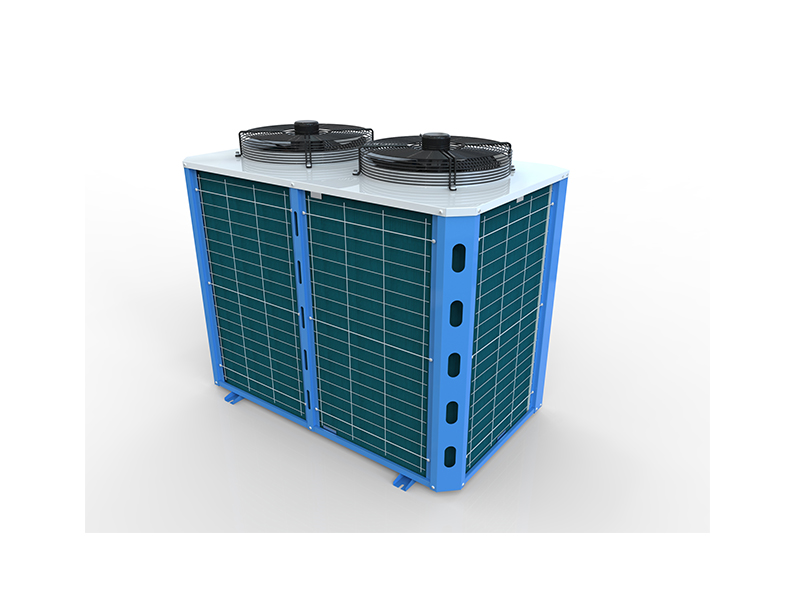
Food processing cold rooms in Mexico fall under NOM-251-SSA1-2009 for sanitary practices. Plants exporting to the United States also follow HACCP plans, FSMA preventive controls, and retailer audit standards. The cold room is part of the hygienic zone, which means panel seams, floor coving, drainage, and door seals are all reviewed during an audit. A room that holds temperature but traps condensation in a corner will still fail.
Temperature logging matters more than the controller setpoint. Independent sensors and a digital recorder that logs at 15 minute intervals give the auditor a continuous record. In border-area plants supplying US customers, we also see requirements for electrical components accepted under the destination market and sanitation materials that survive chlorine-based cleaning. If the room cannot show a continuous cold chain record, the audit fails even when the compressor runs perfectly.
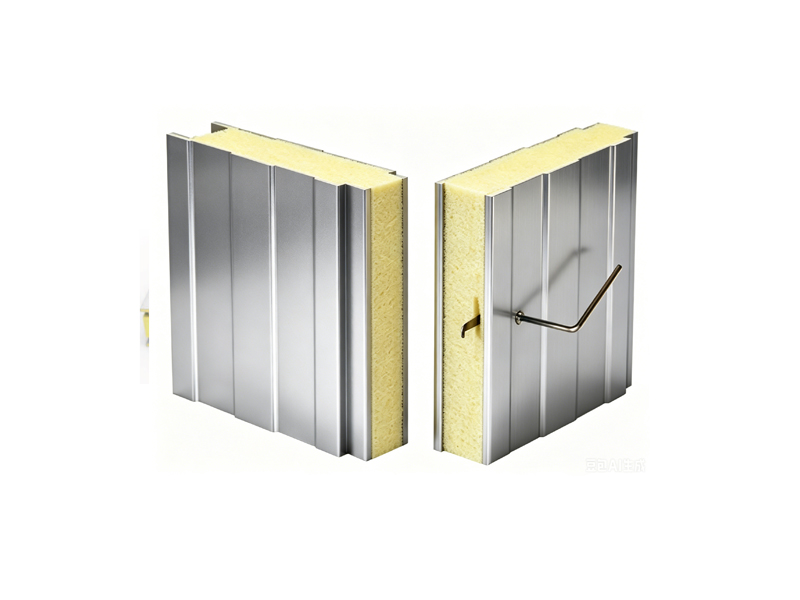
Panel selection is part of compliance. For food processing, high-density PU or PIR panels with smooth, cleanable surfaces are standard, and PIR panels carry a stronger fire performance position when local regulations ask for a flame-spread rating. Floor insulation matters in freezers, where frost heave can lift the slab and break seals.
How a Turnkey Cold Room Project Lowers Startup Risk for Mexican Processors
When a cold room is bought as loose equipment, the plant becomes the project integrator. Panel installation, refrigeration piping, electrical connection, and commissioning are managed through separate contractors and separate timelines. That split makes it easy to end up with a room that runs, but was never pulled down to setpoint before the first production shift.
A turnkey approach puts that coordination under one engineering team. For a Mexican food processor, this matters because export audit readiness starts at commissioning, not after the first rejected lot. MELUCK supplies the panels, condensing units, and controls as one package, and we can arrange installation, commissioning, and operator training on site.
If you are planning a new processing line or replacing an existing cold room in Mexico, send your floor plan, product load profile, and target temperature zones to meluck@meluckcooling.com or call +8617369893087. We will confirm the refrigeration package, insulation specification, and 60 Hz power requirement before you commit to construction.
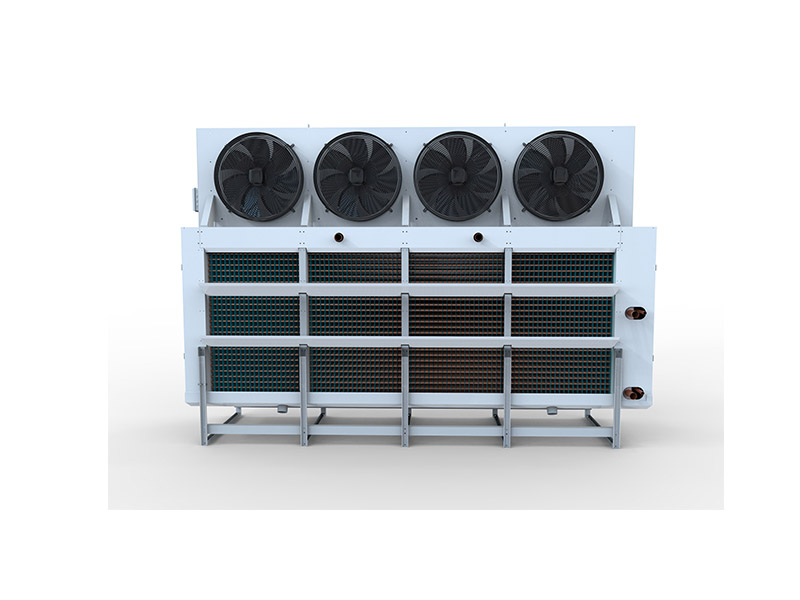
What Buyers Ask About Cold Room Projects in Mexico
Do I need 60 Hz equipment for a cold room project in Mexico?
Yes. Mexico's grid operates at 60 Hz, and a condensing unit sized for 50 Hz will not maintain the expected capacity after installation. We select each compressor and motor code against the actual site voltage, usually 220 V or 440 V three-phase depending on the plant. The difference appears quickly in warm weather, when a misapplied unit cannot pull down a processing room from ambient to +8°C before the shift starts. If you already have a 50 Hz quote, ask the supplier to reissue it at 60 Hz before comparing prices.
What panel thickness should I specify for a freezer room in Mexico?
A common assumption is that a chiller panel can be downgraded by one thickness and still hold freezer temperature. That is the wrong place to save. For freezer rooms at -18°C to -25°C, we usually specify 100 mm to 150 mm panels depending on internal temperature, sun-exposed walls, and door traffic. For blast freezers at -35°C or below, we step up to 150 mm or more and add floor insulation. The panel joint system matters as much as the thickness, because air leakage into a freezer creates frost and raises energy burn.
Can one supplier install equipment in Mexico or only ship it?
It depends on the project scope and who holds the local electrical and refrigeration permits. We ship labeled panels, condensing units, and controls with installation documents, and we can arrange commissioning and operator training on site. If you have a local contractor, we can work with them on the refrigeration piping and electrical connection. The key is to fix commissioning responsibility before the equipment leaves the factory, so there is no gap between installation and the first temperature log.
How do I prepare for a food safety audit with a new cold room?
In export-focused plants we work with, auditors check the temperature record before they look at the compressor. Set up independent sensors, a digital recorder, and alarm thresholds that match your HACCP plan. Walk the room with the auditor's checklist and look for condensation, door seal gaps, and missing floor coving before the visit. The record must show continuous holding temperatures from commissioning onward, not just during the audit window. If your audit requires a specific alarm or data retention interval, send the checklist to meluck@meluckcooling.com and we will confirm which controller and recorder fit.
If you're interested, check out these related articles:
Chiller Room Solutions -10C~10C - Meluck
Egypt French Fries Cold Storage Project - Meluck
Freezer Room Solutions -25C~-18C - Meluck
With over 15 years of experience as a MELUCK refrigeration engineer, I specialize in the design of cold storage, chillers, ice makers, and cold chain energy-saving systems, providing technical support to distributors and engineering companies worldwide.

meluck