
Cold Room Solutions for Supermarket Chains: Zoned Design
Cold room solutions for supermarket chains fail when the store is treated as one temperature, not a set of separate product requirements. A produce room, a dairy room and a seafood prep area do not belong on the same compressor logic. In the projects I have reviewed, the largest avoidable losses came from blending zones without checking humidity, door frequency and night-time product load. The most practical approach is to design each zone around its product temperature range first, then select refrigeration and panels to match that load.
Which Temperature Zones Does a Supermarket Cold Room Need?
Most store formats need four or five distinct temperature zones. The exact set depends on whether the chain runs fresh meat preparation, seafood counters, bakery and frozen storage in the same back-of-house block. Common zones include a chilled produce room, a separate dairy and drinks room, a meat and fish prep room, a freezer room and sometimes a short-term loading buffer room.
| Zone | Typical temperature | Common products | Refrigeration note |
|---|---|---|---|
| Fresh produce room | 0 to 5°C | Leafy greens, soft fruit, cut produce | Medium-temperature condensing unit, low air velocity |
| Dairy and drinks room | 0 to 4°C | Milk, cheese, packaged juice | Steady humidity control, avoid short-cycling |
| Meat and seafood prep room | 0 to 2°C | Fresh meat, fish, thawing stock | Higher latent load from washdowns and frequent doors |
| Frozen storage room | -18 to -25°C | Frozen meat, seafood, ice cream | Low-temperature condensing unit, thicker panels |
| Loading buffer room | 8 to 12°C | Staged goods, incoming pallets | Door management and rapid temperature recovery |
Placing these zones in one row is not the issue. The issue begins when all zone evaporators are treated as a single temperature. A frozen room at -22°C has a much higher temperature difference to ambient than a produce room at +4°C. That difference changes frost formation, defrost frequency and panel sweating if the barrier is shared.
How to Match Refrigeration Equipment to Each Zone Load
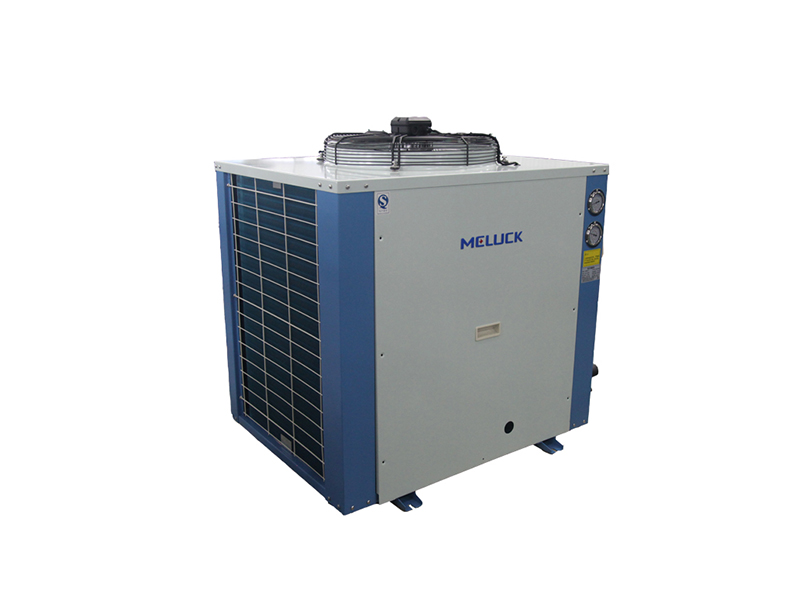
Compressor capacity follows product load and infiltration, not room volume alone. For a supermarket chain, the most useful calculation is a room-by-room load: product pulldown, door openings per hour, lighting, fan heat and occupancy. Once the load is known, we pair medium-temperature rooms with reciprocating condensing units in the 4HP to 25HP range and freezer rooms with low-temperature Bitzer units matched to the evaporation temperature.
A practical example from our own project record: in Manta, Ecuador, we built a multi-temperature cold storage and flake ice facility for a seafood exporter. The building combined a -35°C blast freezer, a -18°C frozen storage room, a -10°C ice storage room and a 5 to 10°C processing room. Each room ran on a separate Bitzer compressor circuit, from 7HP for ice storage to 40HP for blast freezing. The client had previously lost product because processing and freezing happened at the wrong temperatures. After the project, the closed-loop zones reduced product loss and stabilized export inspection results.
The same logic applies to a supermarket chain. A seafood counter room or meat prep room should not be on the same setpoint as a dairy room, even if both are roughly chilled. The humidity load from a fish counter is higher, and the coil needs a lower SST and faster defrost recovery. If the chain also handles frozen bakery goods or ice cream, the freezer room should be at -25°C, not -18°C, and the compressor should be selected for low-temperature operation from the start.
If your chain format includes seafood counters or fresh meat prep, confirm the coil SST, defrost type and door frequency before finalizing the compressor schedule. Send your standard room dimensions and product mix to meluck@meluckcooling.com and we can check the load against the equipment list.
Why Multi-Zone Layout Changes Panel and Door Specifications
In a single-temperature room, panel choice is simple. In a multi-zone block, shared walls between a freezer and a chiller room change the insulation requirement. A common wall between -25°C and +4°C has a similar temperature difference to the external wall of a frozen store in a hot climate. We prefer PIR panels for those separating walls because the B1 fire rating and lower thermal conductivity reduce both fire risk and long-term heat gain. PUR panels still work for standard chilled rooms, but the shared wall needs a closer look.

Doors are the other major source of uncontrolled heat and moisture. A supermarket back-of-house door can open 40 to 60 times during a morning restock. Every opening pulls in warm air and adds frost to the evaporator. We specify sliding doors for high-frequency freezer openings and add strip curtains or ante-rooms where a loading buffer can handle the temperature shock. In the Manta project, the ice storage room used a sliding insulated door to keep meltwater and frost out of the room during standby. For supermarket chains, the same choice reduces defrost cycles and protects product temperature.

What to Check Before Commissioning a Supermarket Cold Room
Before a store opens, the commissioning list matters more than the equipment data sheet. We check prepared room temperature pulldown, defrost termination, door alarm, controller setpoints and compressor oil level. For chains, we also test how the room behaves after a clean-down, because wet floors and residual heat from washdowns create a short-term load that manufacturers often miss.
One of the most common findings in supermarket projects is uneven temperature across shelving. The reading at the controller is not the same as the air temperature at the door side. We ask operators to log temperatures at three points: product level, return air and door-side wall. If the difference is more than 2K in a chilled room, air distribution or door management needs adjustment before stock moves in.
Precise control is achievable. In a Peru avocado pre-cooling room we supplied, the storage temperature held at +10°C with a fluctuation of ±0.5°C. The result was a reduction in rejection and spoilage from roughly 15% to below 4%. A supermarket chain may not need that tight a range for every zone, but meat and seafood prep zones benefit from the same discipline.
Need a Multi-Zone Standard for Your Store Rollout?
Most supermarket chains reach a point where each store team solves refrigeration differently, and the result is a mix of setpoints, defrost schedules and panel choices that becomes expensive to maintain. A single multi-zone standard removes that variability. If you are planning new stores or retrofitting existing ones, send your current store layout, product categories and target temperatures to meluck@meluckcooling.com or call +8617369893087. We can check the proposed zone split and compressor pairing before you commit to equipment.
Common Questions About Supermarket Cold Room Zoning
How many temperature zones does a standard supermarket cold room need?
Most stores need four chilled zones plus one frozen zone: produce, dairy and drinks, meat and seafood prep, a loading buffer, and frozen storage. The exact count depends on the product mix. A store that sells wrapped produce can combine produce and dairy into one room with careful shelf layout, while a store with fresh fish counters should keep seafood prep separate because of humidity and odor control.
Can a supermarket use one condensing unit for multiple zones?
A single condensing unit feeding multiple zones looks cheaper on paper, but it usually creates control problems. Medium-temperature and low-temperature rooms have different suction pressures, defrost requirements and run hours. Without separate circuits, the compressor operates at the lowest common temperature, which wastes energy and frosts the warmer coils faster. We specify separate circuits for freezer and chiller zones, with parallel condensing units only where several rooms share the same temperature band and control logic.
What panel thickness should a shared freezer-chiller wall use?
It depends on the temperature difference across the wall. A shared wall between -25°C and +4°C needs insulation similar to an external freezer wall in a warm climate. We often use 120 to 150 mm PIR panels for that separation, while 75 to 100 mm PUR panels can serve standard chilled rooms. The deciding factor is surface condensation risk during humid seasons, not just nominal heat gain.
How do we keep energy costs under control across a chain rollout?
In multi-store rollouts, the biggest savings come from standardizing two things: defrost scheduling and door management. We have seen identical rooms in different stores run 20 percent apart in energy use because one site left door alarms off and ran electric defrost four times a day. Set a chain-wide defrost schedule based on actual door counts, use strip curtains or night curtains in freezer rooms, and review compressor run hours monthly. Send your store count and current energy benchmark to meluck@meluckcooling.com and we can suggest which zones to audit first.
If you're interested, check out these related articles:
Processing Room Solutions for Food Plants - Meluck
Ecuador Multi-Temperature Cold Storage Project - Meluck
Chiller Room Solutions -10C~10C - Meluck
With over 15 years of experience as a MELUCK refrigeration engineer, I specialize in the design of cold storage, chillers, ice makers, and cold chain energy-saving systems, providing technical support to distributors and engineering companies worldwide.

meluck