
Cold Room for Food Service: Compact Energy Efficient Options
Cold room for food service kitchens rarely fails because of panel thickness. It fails because the refrigeration system was sized for room volume instead of actual kitchen load, or because door traffic bleeds cold air faster than the evaporator can recover. After fifteen years of commissioning commercial cold storage across hot and humid markets, I recommend choosing a compact room first, then matching the condensing unit to real product pulldown and daily door openings rather than a square meter rule of thumb. The points below cover temperature set points, equipment sizing, panel and door choices, and efficiency measures that hold down operating cost.
Food Service Cold Room Load and Temperature Requirements
A food service cold room generally splits into three working zones. A walk in chiller runs from 0°C to 4°C for dairy, produce, sauces, and prepared trays. A freezer zone sits at -18°C to -25°C for proteins, pastry, and prepared meals held longer than a few days. Some kitchens also need a short term prep room at 5°C to 10°C, but that zone should stay small and tightly scheduled.
| Cold room zone | Set point | Typical catering use | What to watch |
|---|---|---|---|
| Walk in chiller | 0°C to 4°C | Dairy, produce, prepared trays | Door openings during service |
| Walk in freezer | -18°C to -25°C | Meat, seafood, pastry | Defrost frequency |
| Prep staging room | 5°C to 10°C | Portioning, short term staging | Dwell time and moisture |
| Ice cream storage | -23°C to -25°C | Dessert service | Stable low temperature |
Set point is the first number to fix because it changes the compressor and evaporator match. A chiller room that only needs 2°C should not be specified with freezer capacity, and a freezer that is expected to cycle through frequent door openings needs a larger reserve than one that stays closed overnight. I often ask the chef how many times the door opens during lunch service; that answer affects load more than room volume.

Compact Cold Room Equipment and Condensing Unit Selection
For a small catering cold room, the equipment choice usually starts between a monoblock unit and a split system with a separate condensing unit. A monoblock is easier to install and works well for a small walk in chiller with low heat load. For a freezer or a room in a hot kitchen, a split system with a properly selected condensing unit gives better oil return, more stable suction pressure, and easier service access.
When a Monoblock Unit Is Enough
Monoblock refrigeration units suit compact chiller rooms where wall space is available and the room is inside an air conditioned or well ventilated space. The integrated design reduces pipework and commissioning time. I would not push a monoblock into a 35°C kitchen or a freezer application; the compressor sees too much heat and the unit becomes hard to service in a tight ceiling void.
Sizing the Condensing Unit for Kitchen Reality
The condensing unit should be selected from product temperature, daily throughput, door openings, and kitchen ambient, not from room volume alone. A walk in freezer in a 40°C kitchen with ovens nearby needs a higher ambient rating than the same box in a cool basement. When I review a catering cold room quote, I check the compressor capacity against the worst summer ambient and the peak door traffic hour. Oversizing is just as harmful as undersizing; the compressor short cycles, the evaporator ices, and the room temperature swings.
Panel, Door, and Space Layout Options for Catering Kitchens
For compact food service rooms, panel type and door choice matter more than in large warehouses. PIR panels with slip joint connection carry a B1 fire rating and better thermal resistance per thickness, which matters when the local inspector requires a specific flame spread class. PUR panels remain cost effective for many chiller rooms, but I lean toward PIR when the room sits near a kitchen extraction duct or boiler. A 100 mm panel is common for chillers; a 150 mm or thicker panel makes sense for freezers to control surface condensation and energy loss.
Door traffic controls the real heat gain. A manual sliding door is usually better than a hinged door in a narrow corridor because it does not swing into staff. Sectional doors suit larger loading areas, not the typical 6 to 12 square meter catering room. If the room is on a mezzanine or above a floor drain, confirm panel joint sealing and floor insulation before installation.
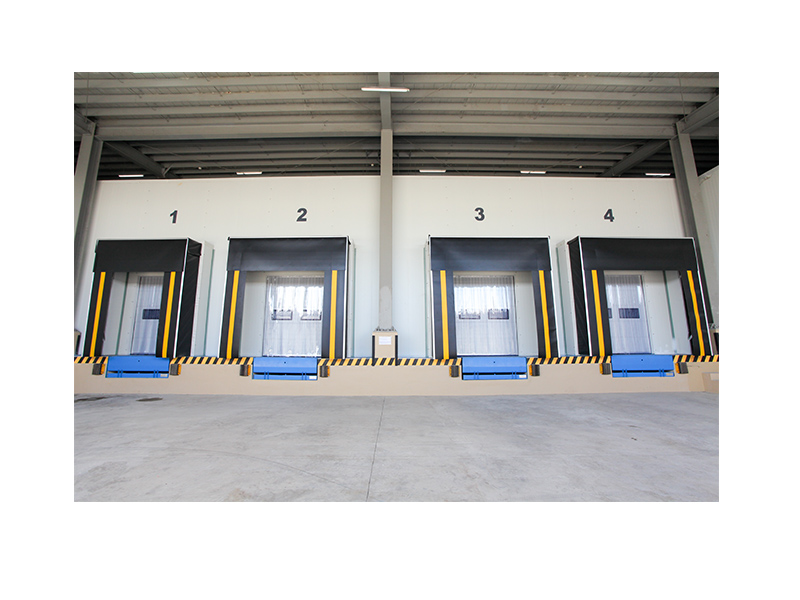
If your kitchen has a combi oven, fryer line, or frequent door openings during service, it is worth confirming the condensing unit capacity against a real heat load calculation before you sign the order; send your room dimensions and product mix to meluck@meluckcooling.com.
Energy Efficiency Measures That Reduce Daily Operating Cost
Food service cold rooms pay back careful specification through the electricity bill. The three largest levers are compressor capacity, evaporator defrost behavior, and door management. An oversized compressor burns more power and short cycles. An undersized one runs continuously and still misses set point. The goal is a condensing unit that runs steadily during the warmest hour without cycling every few minutes.
Which Efficiency Features Are Worth Paying For
Electronic expansion valves and variable speed compressor control earn their cost when the room load varies sharply between lunch service and overnight holding. For a small catering room, the simplest wins are time initiated defrost, LED cold room lighting, and a door switch that shuts off the evaporator fan for a few seconds during entry. I have replaced a 24 hour clock defrost with temperature terminated defrost on several small freezer rooms and watched coil icing drop without adding equipment.
Why Evaporator Airflow and Door Seals Matter
The evaporator needs clearance for return air. In a compact room, operators push shelving against the fan and then wonder why the top shelf freezes while the floor stays warm. Keep the return air path clear and the door gasket clean. A leaking door seal on a small room adds latent heat because warm kitchen air carries moisture that condenses on the coil. That moisture becomes frost, and the next defrost cycle wastes heat.
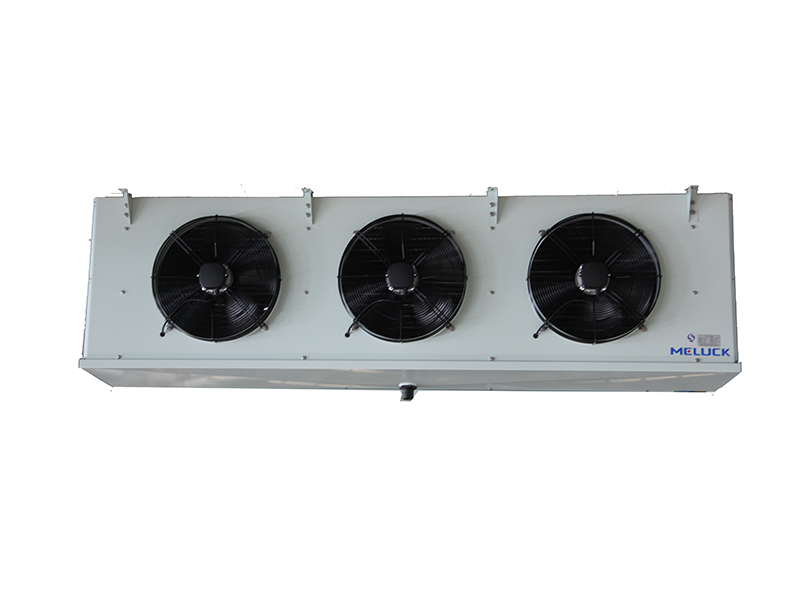
Confirming a Food Service Cold Room Specification
Most food service cold room quotations stall on the same details: room dimensions are listed, but the door opening count, product inlet temperature, and summer kitchen ambient are not. If those values are missing, the compressor and evaporator cannot be matched to the real load. Send your room dimensions, product types, daily throughput, and available electrical supply to meluck@meluckcooling.com or call +8617369893087, and our engineering team will confirm the condensing unit capacity, panel specification, and defrost strategy before you commit.
Common Questions About Food Service Cold Rooms
What size cold room does a small catering operation need?
Start with throughput and peak inventory, not the number of staff. A small catering business that stores 300 to 500 kg of produce and prepared food can usually work inside a 6 to 10 square meter chiller, while a freezer for proteins and pastry may need only 3 to 5 square meters. The room should include space for shelving, daylight access for cleaning, and enough ceiling clearance for the evaporator. If you only need overflow capacity during event weekends, a smaller room with good door discipline will outperform a larger room that stays mostly empty.
Is a monoblock unit or split system better for a catering cold room?
It depends on room temperature and the kitchen environment. A monoblock unit suits a small walk in chiller with low heat load and a ventilated space, because it cuts installation work and pipe runs. For a freezer, a hot kitchen, or a room above about 10 square meters, a split system with a remote condensing unit is usually the better choice. The split approach lets the compressor reject heat outside the kitchen and gives the service technician better access. I would not place a monoblock in a sealed hot ceiling void; the unit will struggle and noise will leak into the kitchen.
How do I stop a compact cold room from short cycling and icing?
Most operators think the problem is a low refrigerant charge, but short cycling usually starts with an oversized compressor or a poor door habit. When the compressor is too large for the room load, it reaches set point quickly, shuts off, then restarts minutes later after warm air enters. The evaporator never has time to drain condensate, so ice forms. Fix the load match first: confirm the condensing unit capacity against actual product loads and peak door openings. Then check the door switch, defrost termination settings, and evaporator clearance before adding refrigerant or replacing components.
Does a food service cold room need PIR or PU panels?
The better question is what fire rating and moisture resistance the local authority asks for. PIR panels carry a B1 fire rating and deliver slightly better insulation per thickness, which makes them the safer default when the cold room sits near a kitchen extraction system or staff corridor. PUR panels remain a workable option for cost sensitive chiller rooms where fire code does not demand the higher rating. If you are comparing supplier specifications, share your layout and local code requirements with us at meluck@meluckcooling.com and we will confirm which panel thickness and certification path fits the project.
If you're interested, check out these related articles:
Ecuador Multi-Temperature Cold Storage Project - Meluck
Peru Avocado Pre-Cooling Cold Storage - Meluck
With over 15 years of experience as a MELUCK refrigeration engineer, I specialize in the design of cold storage, chillers, ice makers, and cold chain energy-saving systems, providing technical support to distributors and engineering companies worldwide.

meluck