
Cold Room for Halal Food: Cross-Contamination Prevention
Keeping halal status in a cold room is not only about certification documents. It is about what touches the product, what drips onto the product, what moves through the air, and what shares the same storage path. A cold room that stores halal and non-halal items without clear physical separation can create cross-contact risks that compromise halal integrity. The design objective is simple: make contamination easy to see, hard to cause, and easy to clean.
Why Halal Cold Room Compliance Is a Segregation Problem
Halal requirements treat cross-contact with non-halal materials as a serious nonconformity. Codex food hygiene principles require effective separation to prevent contamination [1]. Halal standards go further, requiring that halal products be processed, stored, and transported separately from non-halal products or clearly segregated within the same facility [2][3].
Cold rooms create specific risks because they are not passive containers. Air circulates, evaporator coils collect and release moisture, and defrost water can travel across surfaces. If a non-halal meat carton touches a halal carton, if defrost water from a shared coil drips onto halal product, or if staff use the same trays without cleaning, the halal status can be compromised. There is no visual test for many forms of cross-contact, so prevention must be designed into the room.
Core Halal Cross-Contamination Risks in Cold Rooms
The main risk pathways in a cold room are direct contact, liquid transfer, airflow, and shared handling.
Direct contact occurs when halal and non-halal products touch, or when halal food touches a surface that previously held non-halal material. Drip and condensate risk comes from evaporator defrost water, condensation on ceilings, or leaks from upper shelves. Airflow risk is lower than liquid contact but still relevant when high-velocity air moves particles or aerosols between zones.
Shared handling creates hidden risk. Forklifts, pallets, trays, bins, cleaning tools, and even staff gloves can transfer residues between zones. Packaging also matters. If halal and non-halal products use the same packaging area, boxes, films, and labels should be clearly separated.
Halal meat processing adds segregation pressure to multi-temperature facilities. <Slaughterhouse Chiller and [Freezer Room](https://www.meluckcooling.com/product/freezer-room/) Equipment Guide> covers chilling, holding, and freezer room layouts for meat plants.
Zone Planning and Physical Separation
Segregation starts with a product flow map. List every product category, its halal status, and where it enters, is processed, stored, and dispatched. High-risk non-halal products, especially pork or alcohol-containing items, should be kept in dedicated rooms with no shared pathways.
Where a dedicated room is not possible, use sealed partitions, clear zone markings, and dedicated pallets or containers. Partitions should be non-porous and tight enough to prevent drip migration and excessive air exchange. One-way product flow is better than a shared corridor. Raw intake should not cross finished-product dispatch.
Temperature zones also matter. A halal chiller room can operate as a fresh holding zone, while a halal freezer room can serve frozen storage. If multiple product groups share one building, each group should have an identified storage band and handling path.
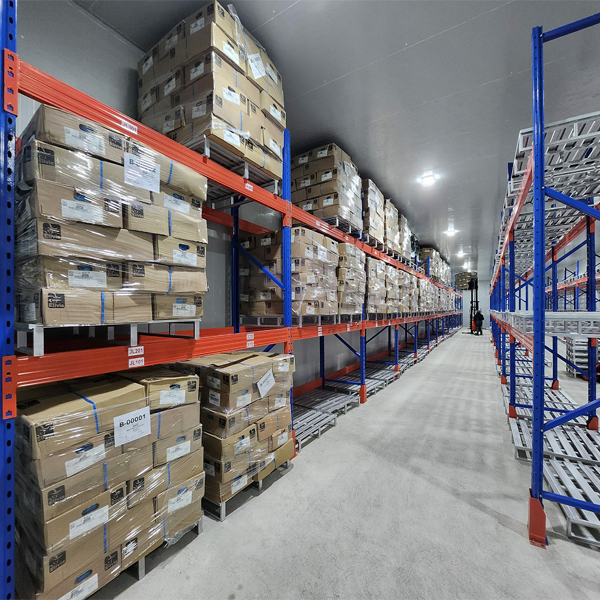
Processing-zone projects in emerging markets often combine multiple product lines in one facility. <Cold Room for African Processing Zones: Sourcing and Setup> covers sourcing and setup considerations for multi-zone cold storage.
Panel, Door, and Surface Specifications
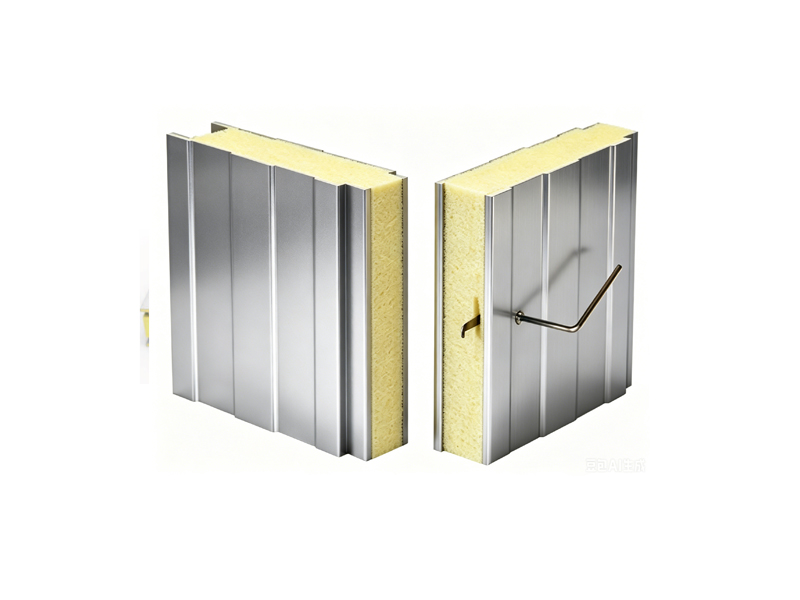
Halal cold rooms need smooth, non-porous, cleanable surfaces. Food-grade polyurethane or polyisocyanurate panels with metal skins are widely used because they provide insulation and resist moisture absorption. PIR cold room panels and PUR cold room panels should be specified with sealed joints to limit crevices where residue can collect.
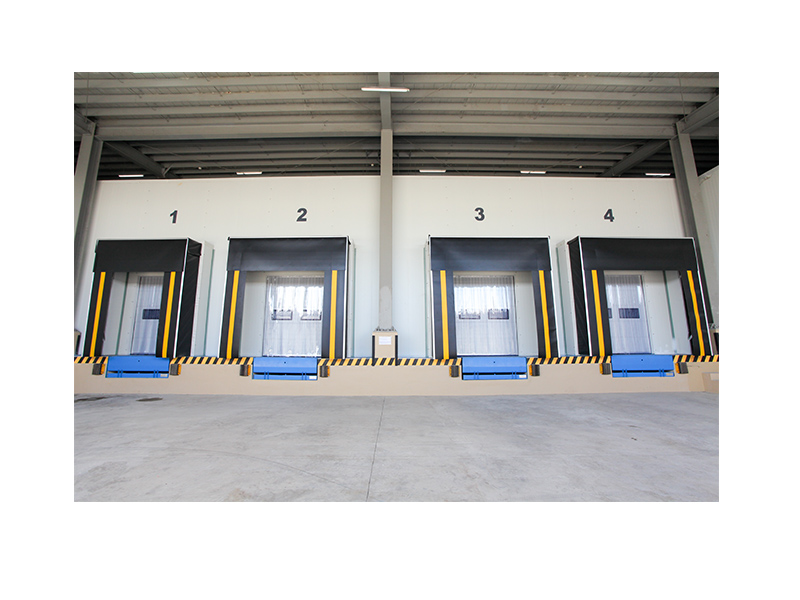
Doors should be smooth and easy to clean. A manual sliding door is suitable for many processing rooms, while a sectional door supports larger openings and loading zones. Door frames should not trap water or food particles.
Floors need coved transitions at walls, sloped drainage, and no cracks. Drains should have back-flow prevention and should not connect halal and non-halal zones. Lighting should be shatterproof and sealed. Contact surfaces should be stainless steel or food-grade coatings, not wood or porous plastic.
Refrigeration System Configuration for Halal Integrity
Refrigeration design affects cross-contamination control. The best approach is to use separate evaporators for separate product groups. A shared evaporator can transfer defrost water or aerosol residues between zones, especially if the coil serves open shelving on both sides.
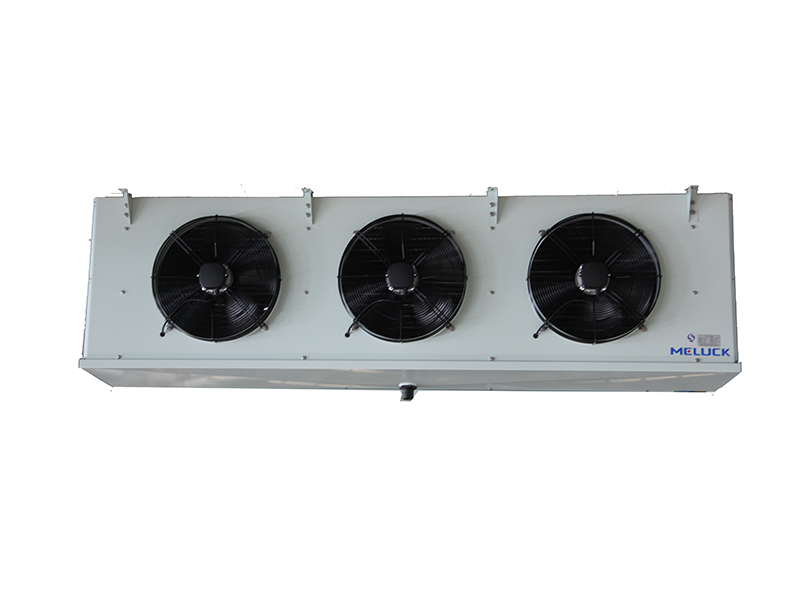
Evaporators should be positioned so drip trays and drain lines do not pass over exposed product. Defrost water should be routed to a segregated drain with a proper trap. The air cooler evaporator should be selected for cleanability, with accessible panels and smooth drain pans.
Temperature stability also protects halal compliance. A room that warms repeatedly can create condensation, accelerate microbial growth, and increase cleaning frequency. For fresh halal products, a stable chiller room is appropriate. For frozen halal products, a freezer room should hold the required storage temperature without large swings.
Halal integrity depends on stable temperature control and predictable defrost cycles. <Refrigeration System Reliability for Critical Cold Rooms> covers redundancy, monitoring, and maintenance for mission-critical rooms.
Need a halal cold room specification review? Send a simple process flow, product categories, and segregation requirements to meluck@meluckcooling.com. An engineer can help define zone layout, panel specification, and defrost drain routing before you request pricing.
Cleaning, Monitoring, and Documentation
Cleaning should follow a written schedule and be verified after any changeover from non-halal to halal. Use separate cleaning tools for halal zones, and ensure cleaning agents are approved for food contact. European hygiene rules require that food premises be kept clean and maintained in good condition [4].
Documentation is essential. Halal auditors typically ask for temperature records, cleaning logs, changeover records, staff training records, and a segregation map. Digital temperature loggers and alarm systems make this easier to maintain. Records should show which products were stored where and when cleaning occurred.
Halal certification schemes may also require training records and a nominated halal competent person. Malaysia's halal food standard, for example, includes requirements for premises, equipment, and storage controls [5]. The cold room is one part of that larger system.
Design Checklist for Halal Cold Room Projects
Use the following checklist when specifying or auditing a halal cold room.
| Parameter | Requirement | Verification |
|---|---|---|
| Segregation | Dedicated rooms or sealed zones for halal and non-halal product groups | Physical inspection, flow map |
| Surfaces | Non-porous, cleanable panels with sealed joints and coved floor transitions | Material certification, visual check |
| Drainage | Sloped drains with back-flow prevention and no cross-connection between zones | Drainage plan, flow test |
| Airflow | Separate evaporators or air containment per product group | Equipment schedule, airflow path review |
| Refrigeration | Stable temperature for each product category with managed defrost drip | Temperature records, service report |
| Documentation | Halal cleaning logs, changeover records, training evidence | Audit file review |
Plan a Halal Cold Room with Segregation First
A halal cold room should be specified from the product flow outward, not from equipment alone. Start with the product categories, halal status, and contamination risks. Then define zones, panels, drains, refrigeration, and cleaning procedures.
For project support, contact Shanghai Meluck Refrigeration Equipment Co., Ltd. The engineering team can review your process flow, recommend compatible chiller room or freezer room configurations, and coordinate panels, doors, evaporators, and condensing units.
Send your requirements to meluck@meluckcooling.com or call +8617369893087. Include the following information for a faster technical review:
- Product categories and halal status of each line
- Non-halal materials handled on site, if any
- Required temperature zones and storage volumes
- Site conditions, including ambient climate and power supply
- Certification authority or standard you need to satisfy
Frequently Asked Questions
Can halal and non-halal products share a cold room?
They should not share the same open storage area without proper segregation. Where separate rooms are not possible, the halal authority may accept sealed partitions, dedicated zones, clearly marked equipment, and strict cleaning between product changes. High-risk non-halal materials should be kept in a separate room.
What panel surface is acceptable for a halal cold room?
Food-grade metal-skinned insulated panels are generally acceptable because they are smooth, non-porous, and cleanable. The panel joints should be tight, and any cut edges or penetrations should be sealed so that moisture and residues cannot collect inside crevices.
Does halal certification require separate refrigeration units?
It does not always require a separate compressor plant for every zone, but it usually requires that halal and non-halal product groups do not share evaporator airflow or drip paths. Separate evaporators and segregated drain routes are the most practical way to meet this requirement.
What documentation do halal auditors ask for cold rooms?
Auditors commonly request a segregation map, temperature logs, cleaning and changeover records, maintenance records, staff training records, and evidence that cleaning tools and handling equipment are dedicated or properly cleaned between uses.
Is a blast freezer room part of halal compliance?
Yes. If halal products are frozen, the blast freezer room is part of the handling chain. It should be cleaned and segregated just like a storage room. Defrost water, airflow, and product contact surfaces in the blast freezer must be controlled.
How should condensate be handled in a halal cold room?
Condensate and defrost water should drain away from products, through trapped drain lines, and into a segregated drain system. Drip trays should be sloped and cleaned on a schedule. Shared drainage between halal and non-halal zones should be avoided unless back-flow prevention is in place.
References
[1] Codex Alimentarius Commission. General Principles of Food Hygiene, CXC 1-1969. FAO/WHO.
[2] SMIIC. OIC/SMIIC 1:2019, General Requirements for Halal Food. Standards and Metrology Institute for Islamic Countries.
[3] GCC Standardization Organization. GSO 2055-1:2015, Halal Food, Part 1: General Requirements.
[4] European Parliament and Council. Regulation (EC) No 852/2004 on the hygiene of foodstuffs. Official Journal of the European Union.
[5] Department of Standards Malaysia. MS 1500:2019, Halal Food: General Requirements.
If you're interested, check out these related articles:
Cold Storage Project ROI: A Practical Financial Evaluation
Cold Room Solutions for Supermarket Chains: Zoned Design
Cold Room for Cut Flower Export Ethiopia: A Practical Guide
With over 15 years of experience as a MELUCK refrigeration engineer, I specialize in the design of cold storage, chillers, ice makers, and cold chain energy-saving systems, providing technical support to distributors and engineering companies worldwide.

meluck