
Cold Room for Catering Companies: Portable vs Fixed Options
Choosing a cold room for catering company operations comes down to one question: do you need refrigeration where the event happens, or where the food is produced? A portable unit keeps service flexible across venues, while a fixed cold room stabilises daily prep, portioning, and stockholding. In kitchen fit-outs I have assessed, the deciding factor is rarely price alone. It is peak covers, menu complexity, and whether the business owns a commissary. For most established caterers, a fixed cold room delivers lower running costs and tighter temperature control. Portable options earn their place when events, seasonal demand, or rented kitchens dominate the schedule.
What Does a Catering Cold Room Actually Need to Do?
A catering cold room is not a standard restaurant walk-in. It has to absorb a large incoming volume at unpredictable times, hold prepared food at safe temperatures before transport, and let staff move quickly during plating and packing. That means the system needs more than a thermostat.
The first requirement is split temperature capacity. High-risk items such as cooked meat, dairy, and prepared salads should sit at 0 to +4°C. Frozen proteins and ice cream need -18°C to -25°C. If you store wine, fruit, or vegetables alongside ready-to-eat food, a separate +5 to +8°C zone prevents cross-contamination and stops produce from freezing. Many smaller catering businesses try to run one temperature for everything and later find that product quality or food safety suffers.
The second requirement is stable airflow. Catering kitchens load and unload in bursts, so the evaporator must pull the room back down quickly after a door opening. In my experience, the most common problem is not compressor failure but an undersized evaporator that cannot recover temperature during a busy morning pack-out. That failure shows up as soft cheese, condensation on containers, or a health inspection note. A correctly matched air cooler and condensing unit restores temperature in minutes, not hours.
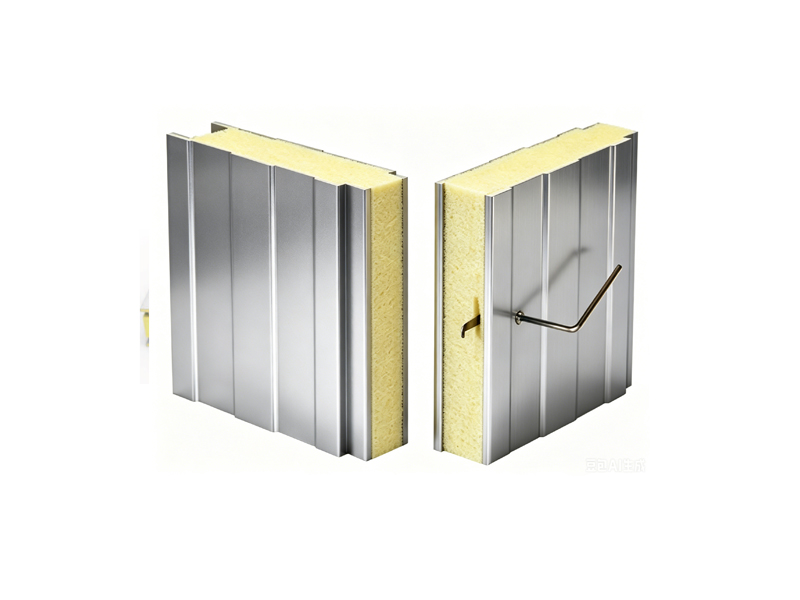
Third, the room must be cleanable. Catering auditors look for smooth panel joints, drain placement, and no water pooling around door openings. PU or PIR insulated panels with sealed floor coving make cleaning practical. A manual sliding door with a proper gasket keeps warm air out during frequent access.
When Do Portable Cold Rooms Make Sense for Event Catering?
Portable cold rooms earn their place when the kitchen moves with the event. A caterer working at a wedding venue, festival site, or exhibition hall may not have the option to build a fixed room. In that case, a plug-in monoblock or a compact panel room can be set up near the service area and removed when the event ends.
A monoblock refrigeration unit simplifies installation because the condensing unit and evaporator sit in one cabinet. It needs a clean power supply and a sealed opening through the room wall, but no on-site pipe brazing. For a short-term setup, this is the fastest route to safe storage. We have supplied monoblock units for this type of catering application because the lower installation cost matters more than peak efficiency.
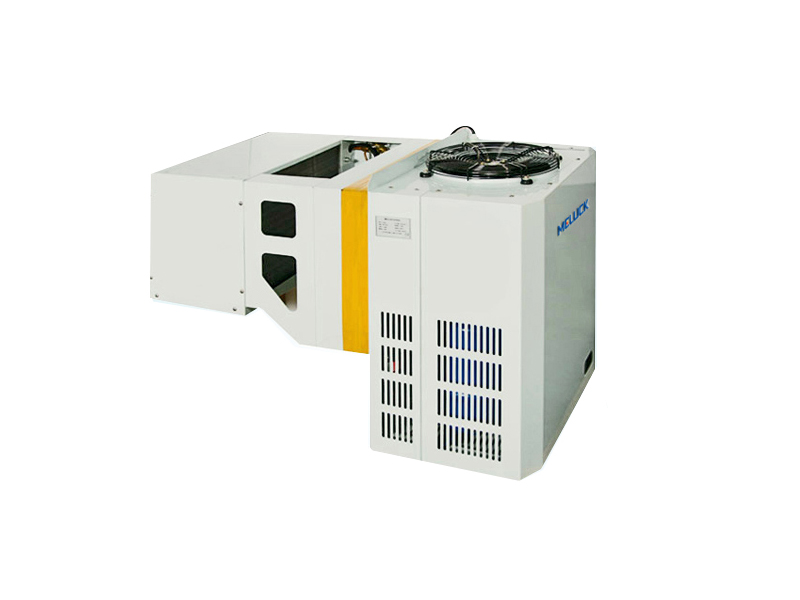
The limit is capacity and ambient heat. A small portable unit built for a shop or back bar can struggle in a marquee at 35°C, especially if the door opens constantly. Before choosing a portable room, confirm the condensing unit is rated for the highest ambient temperature the event calendar will see, not an air-conditioned kitchen.
How much power does a portable cold room need at an event venue?
This depends on the compressor and the temperature range. A small monoblock chiller room may run on single-phase 220-240V, which suits generators and older venues. Larger portable freezer rooms with separate condensing units usually need three-phase 380-415V. Event caterers should confirm the venue's available supply before booking, because a generator that cannot hold voltage under compressor start-up will trip the system. In temporary setups, I recommend a conservative starting margin of at least 15 to 20 percent above the unit's running current.
Can a portable unit hold a full plated banquet service?
Only if it is sized for the cover count. A 300-cover plated service with multiple starters, mains, and desserts can need 8 to 15 cubic metres of usable chilled space once racks, sheet pans, and staging are included. A small 3 to 5 cubic metre unit may work for a chef's prep area but not for bulk storage. The safer approach is to calculate the volume of filled pans and trays first, then add 30 to 40 percent for airflow and staff movement.
Why Do Fixed Cold Rooms Work Better for Established Catering Companies?
Once a catering company has a stable commissary or production kitchen, a fixed cold room becomes the more practical asset. It can be built to the exact ceiling height, door opening, and internal racking layout the operation uses daily. More importantly, it can be split into chiller and freezer zones served by matched condensing units and evaporators.
A common setup is a +0 to +4°C chiller room for prepared food and a -18°C to -25°C freezer room for stock. Larger operations add a +5 to +10°C processing area for portioning and packing. This multi-zone arrangement keeps ready-to-eat food separated from raw protein and reduces the time staff spend walking between remote units.

Fixed rooms also deliver better insulation and lower air leakage. A well-sealed PU or PIR panel room with a quality sliding door holds temperature with less compressor run time than a frequently moved portable unit. Over five to seven years, that difference shows up as lower energy cost and fewer repair calls.
| Requirement | Portable cold room | Fixed cold room |
| Setup time | Hours to one day | Days to weeks |
| Power supply | Single-phase or three-phase depending on unit | Usually three-phase |
| Capacity | 3 to 15 cubic metres typical | Built to site, 10 cubic metres and above |
| Temperature stability | Good with matched unit | Better with insulated panel room and quality door |
| Cost pattern | Lower upfront, higher per event | Higher upfront, lower per year |
A fixed cold room pays for itself when the alternative is repeated rental or constant overtime caused by insufficient storage. If a caterer rents temporary cold storage for more than four months a year, the rental cost often approaches the capital cost of a compact fixed room. We have seen catering businesses replace two or three rented units with one properly sized chiller room and a small freezer room, then recover the difference through reduced logistics and lower spoilage.
If your operation sits near that crossover between portable and fixed, the decision comes down to site power and weekly volume. Send your intended covers, storage volume, and whether the room will move between venues to meluck@meluckcooling.com. We can confirm whether a compact fixed room or a portable unit fits the cost pattern better before you commit to a lease or a build.
What temperature zones do catering kitchens need?
Most catering kitchens need at least three zones. A chiller zone at 0 to +4°C holds cooked proteins, dairy, sauces, and prepared produce. A freezer zone at -18°C to -25°C stores frozen meat, seafood, pastry, and ice cream. A warmer prep zone at +5 to +10°C keeps staff comfortable during portioning without letting high-risk food linger in the danger zone. If the menu is mostly fresh and cooked on site, two zones may be enough. If it includes frozen banquet desserts or long-stored protein, the freezer zone should not be skipped.
When does a fixed cold room pay for itself?
No single calculation fits every market, but the crossover usually appears when storage demand is constant. A caterer doing regular corporate lunches and weekend events can use a fixed room five or six days a week. At that usage level, the energy and labour savings compound. The room also becomes part of the business's food safety system, with stable monitoring and logging, which is easier to demonstrate to inspectors than a schedule of rented or temporary units.
How Should Caterers Size Refrigeration and Power for Peak Service?
Sizing is where most catering cold room mistakes begin. Operators often count shelf space but ignore the heat load from frequent door openings, hot food staged for chilling, and summer ambient temperatures. A room that works in a quiet test might fail on a Friday afternoon when 400 covers are being packed.
The practical starting method is to convert menu volume into filled-pan capacity. A standard hotel pan takes roughly 0.012 to 0.02 cubic metres of rack space, depending on depth. Add 30 to 40 percent for air circulation and staff movement, then check the compressor's capacity against the room's total heat load. Blast chilling hot food is a separate load. If the kitchen cooks large batches and cools them quickly, the cooling load can be two to three times the holding load.
How do you calculate walk-in cooler capacity for catering?
A basic method is: usable volume equals the number of full sheet pans or trays times volume per pan, plus 30 to 40 percent free space. Then confirm the evaporator can remove the heat introduced by door openings and incoming product. A room that has to pull down 100 kg of cooked meat from +70°C to +4°C needs a much larger condensing unit than a room only holding already cold stock. In my experience, many quotes are based on holding load alone, and the system later struggles during peak production.
Which condensing unit type suits a catering chiller room?
For a medium-temperature chiller room running 0 to +5°C, an air-cooled medium-temperature condensing unit matched to the evaporator is the standard choice. Component brands such as Bitzer, Copeland, or Invotech cover different budgets and reliability expectations. For a freezer room at -18°C to -25°C, the condensing unit needs low-temperature compressor specifications. If the site has poor ventilation or very high summer temperatures, the unit should be selected for those ambient conditions, not for a mild climate. This is one of the most cost-effective places to avoid undersizing.
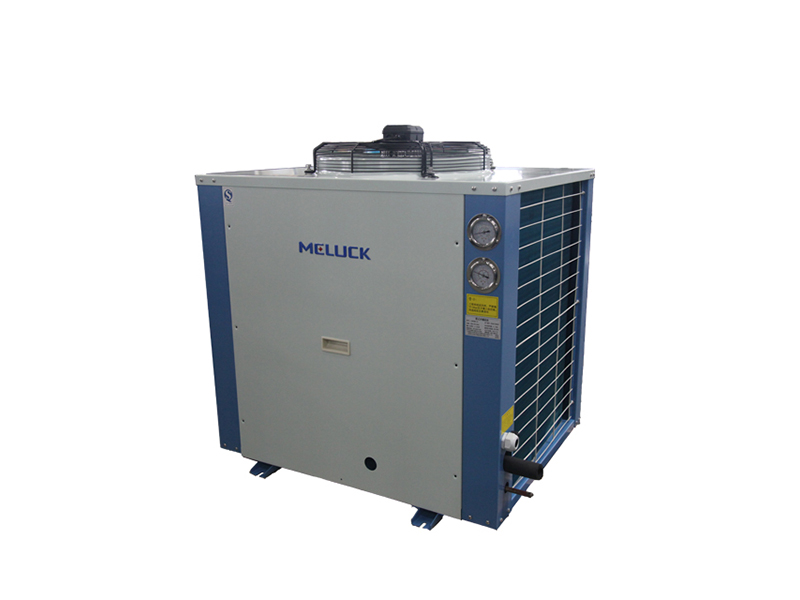
Power is the next constraint. A small chiller room can work on single-phase, but most fixed freezer rooms need three-phase. In countries with 60Hz supply, verify the condensing unit is configured for 60Hz, not only 50Hz. This detail is easy to miss in imported systems and can shorten compressor life if ignored.
How Do You Move Forward With a Catering Cold Room Purchase?
Most catering operators do not need a custom engineered system on day one, but they do need a supplier who can separate holding load from pull-down load and match the condensing unit to the real service pattern. The cost of guessing wrong is either a room that runs constantly and spoils stock in summer, or a room that is far larger than the menu requires. Neither is necessary.
Send your menu, peak covers, whether the room will stay in one commissary or move between venues, and the available power supply to meluck@meluckcooling.com or call +8617369893087. We will confirm the chiller and freezer zones, the condensing unit capacity, and the panel configuration for your operating pattern. That step takes less time than reworking a room that was specified without the peak load in mind.
What Do Caterers Ask Before Choosing Portable or Fixed Cold Rooms?
How long can a portable cold room stay on site before it makes sense to buy a fixed room?
If the unit stays in one place for more than four to six months a year, a fixed room usually makes more sense. Below that, portable units keep cash and space flexible. The crossover depends on rental cost, site access, and whether you own the kitchen. A fixed room also adds food safety value through permanent monitoring and logging. For a caterer using temporary storage every weekend, a portable unit remains the cleaner option.
What temperature should a catering cold room hold during a long plated service?
Many caterers assume a single +4°C room covers everything, but the real requirement depends on the menu. Cooked meat, seafood, dairy, and prepared salads should sit at 0 to +4°C. Frozen items need -18°C to -25°C. If one room tries to hold both, humidity and temperature compromise one product group. The safer layout is a small chiller room plus a separate freezer area, even if the freezer is only a few cubic metres.
Can a catering cold room run on a generator at an outdoor event?
It depends on the starting current and the generator's voltage stability. A small monoblock chiller unit can often run from a properly sized single-phase generator. Larger low-temperature units with separate compressors need three-phase power and enough reserve for start-up current. If the generator voltage drops too far during compressor start, the unit can trip or overheat. Before booking a venue, confirm the unit's locked rotor current and compare it with the generator's surge rating.
Do catering cold rooms need special flooring and drainage?
In catering kitchens I have assessed, floor details are more important than they look on a drawing. A cold room floor should slope slightly toward a drain, with sealed coving at the wall junction. Standing water inside the room becomes a food safety and slip risk. If the room sits inside an existing kitchen, a prefabricated panel floor with a ramp or flush threshold works better than a raised step for trolley movement. Drain placement outside the door usually simplifies cleaning. If your kitchen has existing drainage constraints, send the floor plan to meluck@meluckcooling.com and we can confirm the threshold and drain details before ordering.
If you're interested, check out these related articles:
Peru Avocado Pre-Cooling Cold Storage - Meluck
Chiller Room Solutions -10C~10C - Meluck
With over 15 years of experience as a MELUCK refrigeration engineer, I specialize in the design of cold storage, chillers, ice makers, and cold chain energy-saving systems, providing technical support to distributors and engineering companies worldwide.

meluck