
Cold Room for Organic Food: Natural Refrigerants and Safe Materials
Organic food buyers often review field practices, certification documents, and packaging before approving a supplier. Cold storage can be overlooked, even though it directly affects organic integrity, shelf life, and audit results. A well-designed cold room for organic food should control temperature and humidity, separate certified product from conventional stock, use food-safe interior materials, and remove as many contamination risks as possible from insulation, joints, cleaning chemicals, and refrigeration leakage.
The most practical organic cold room combines the correct holding temperature with natural or low-GWP refrigerants, non-absorbent surfaces, continuous monitoring, and clear sanitation records. This approach protects both product quality and the documented chain required by organic certification bodies.
What Makes an Organic-Food Cold Room Different
An organic cold room is not defined by a single temperature. It is defined by handling controls. Under the United States National Organic Program, certified handlers must prevent commingling with non-organic products and must avoid contact with prohibited substances such as unapproved sanitizers, pest control chemicals, or residual construction materials [1]. The European Union organic regulation applies similar logic through its rules on cleaning, disinfection, and contamination prevention [5].
In practice, that means operators should document more than a conventional cold room. Typical requirements include:
- Physical separation of organic and conventional stock, with clear labeling
- Cleaning products and sanitizers approved for organic handling
- No direct contact between food and treated wood, unsealed concrete, or absorbent surfaces
- Pest control measures that do not rely on prohibited substances
- Temperature, humidity, and alarm records retained for inspection
- Maintenance logs showing compressor, door, drain, and gasket checks
- Written corrective actions when a temperature deviation occurs
The refrigeration system itself is usually not the first thing an inspector asks about, but leakage from a synthetic refrigerant into the storage area can become a contamination concern if the system is poorly maintained. That is one reason natural refrigerants are gaining attention in organic and clean-label supply chains.
Temperature, Humidity, and Storage Design by Product Group
A single cold room setting is rarely correct for every organic product. Leafy greens need high humidity and a temperature just above freezing. Root crops may need different ventilation. Frozen organic meals need stable low-temperature storage well below the freezing point of water.
The table below provides practical starting points for common organic product groups.
| Product group | Holding temperature | Relative humidity | Key storage note |
|---|---|---|---|
| Leafy greens, herbs, brassicas | 0 to 2 °C | 95 to 100% | Avoid free water on leaves; monitor air movement |
| Roots, onions, garlic | 0 to 4 °C | 65 to 75% | Separate ethylene-producing and ethylene-sensitive crops |
| Berries and stone fruit | 0 to 1 °C | 90 to 95% | Rapid pre-cooling after harvest protects texture |
| Tomatoes, peppers, tropical fruit | 10 to 15 °C | 85 to 90% | Chilling injury can occur below recommended range |
| Dairy and fresh prepared foods | 0 to 4 °C | 80 to 90% | Clean stainless steel surfaces reduce biofilm risk |
| Frozen organic products | -18 °C or lower | Not usually controlled | Stable temperature is more important than humidity |
These are starting points, not universal rules. Respiration rate, ethylene sensitivity, packaging, and holding time all affect the right setting. For mixed organic storage, group products by temperature compatibility and place ethylene producers away from sensitive items. Ventilation is especially important for onions, garlic, and some roots because trapped moisture can accelerate mold and sprouting.
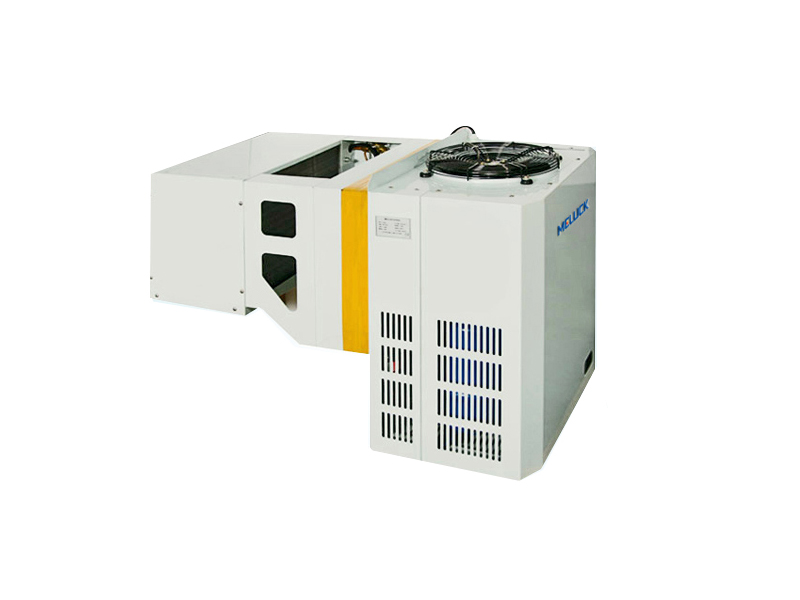
Ventilation has a direct effect on spoilage and product loss in storage. Onion Cold Storage Ventilation: Preventing Spoilage covers airflow, moisture control, and storage practices for long-term root crop holding.
Natural Refrigerants for Long-Term Organic Storage
Natural refrigerants are not automatically required in every organic certification program, but they remove a layer of synthetic chemical risk from the cold room. Ammonia, carbon dioxide, and hydrocarbons such as propane and isobutane have very low global warming potential compared with many HFC refrigerants and do not deplete the ozone layer [3].
The main options relevant to organic cold storage include:
- R717 ammonia: high efficiency, good for industrial cold rooms and freezer rooms, but requires a separate machinery room and trained operators due to toxicity and flammability considerations
- R744 carbon dioxide: non-toxic and non-flammable, but operates at high pressure and requires components designed for CO2
- R290 propane: efficient for smaller monoblock and condensing unit systems, with a low charge limit because of flammability
- R600a isobutane: used in small plug-in cabinets and reach-in units, mainly for light commercial applications
Safety design is part of the decision. A hydrocarbon system needs leak detection, ventilation, and charge limits appropriate to the room size. A CO2 system needs pressure-rated pipework and controls. Ammonia is best handled as an industrial installation with dedicated safety systems. The correct choice depends on room volume, product load, ambient climate, and local building or fire codes.
For organic storage specifically, the advantage of these refrigerants is not marketing. A leak of ammonia or hydrocarbon is still a serious safety issue, but hydrocarbon and CO2 do not leave the same long-lived synthetic refrigerant traces that raise concerns in food handling areas. Natural refrigerant systems also align with sustainability goals reported by organic buyers and retailers.

Refrigerant choice should always be matched to compressor capacity and system design. Bitzer 2-Stage Compressor for Ultra-Low Temp Cold Rooms covers compressor applications for demanding low-temperature organic and frozen storage rooms.
Non-Toxic Materials, Cleaning, and Food-Safe Surfaces
Cold room walls, floors, doors, and shelving should be non-absorbent, washable, and resistant to the mild acids and cleaning agents used in food facilities. Stainless steel, food-grade aluminum, and sealed panel finishes are common. Wood is generally avoided unless it is sealed and approved for the specific use, because it can absorb moisture and harbor mold.
Insulated panels form most of the room envelope. PIR and PU panels are both used in commercial cold storage, but fire performance, thermal stability, and facing material should be reviewed before specification. For food contact areas, the panel facing should be smooth, non-toxic, and easy to clean. Joints, coving, and drainage must not trap organic debris.
Sanitation is as important as panel selection. Use only cleaning products approved for organic food handling. Clean door gaskets, fan guards, drain lines, and floor joints on a scheduled basis. A documented sanitation log should show the product used, dilution rate, surface cleaned, date, and operator name.

Panel selection affects insulation, fire safety, and cleanability. Cold Room Panel Fire Rating: PIR vs PU Commercial Compliance covers the technical and compliance differences between PIR and PU constructions.
Energy Efficiency, Monitoring, and Documentation
An organic cold room must be defensible during an audit. That means continuous temperature and humidity measurement, alarm records, and proof that corrective actions were taken. Sensors should be placed near the warmest point of the room and checked against a calibrated reference device. Data loggers should be accessible for download during inspections.
Energy efficiency supports compliance by reducing compressor runtime spikes and helping the room recover faster after door openings. Common measures include high-efficiency compressors, electronic expansion valves, EC fan motors, LED lighting, door switches, strip curtains, and defrost management. Good insulation reduces heat gain and keeps the cooling load stable.
Documentation should include:
- Daily or continuous temperature records
- Sensor calibration records
- Cleaning and sanitation schedules
- Maintenance records for compressors, evaporators, doors, and drains
- Pest control records using approved methods
- Corrective action reports after alarms or deviations
- Training records for operators handling organic stock
These records do not need to be complex, but they must be consistent. An inspector is less concerned with the brand of a temperature controller than with whether the operator can show what happened on the day a compressor alarm sounded.
Audit readiness depends on records and physical food safety controls. Cold Room Food Safety Audit: Prep Tips for Inspections covers the inspection points most likely to affect organic and food safety compliance.
Planning Support and Turnkey Cold Room Design
An organic cold room project should start with product mix, harvest or delivery volume, required holding time, and local certification requirements. From there, the design can address room size, panel thickness, refrigeration capacity, refrigerant selection, drainage, lighting, and controls.
For a turnkey supplier, the scope should be clear: site survey, load calculation, panel production, refrigeration equipment matching, installation, commissioning, temperature testing, and operator training. Ask for a written commissioning checklist and a handover file that includes panel drawings, refrigeration schematics, sensor placement, maintenance tasks, and spare parts guidance.
A practical inquiry should include the following:
- List of products and target temperature for each group
- Estimated daily incoming volume and peak holding weight
- Room dimensions or available site space
- Site location and ambient climate
- Power supply, phase, voltage, and frequency
- Whether the room will store mixed organic and conventional products
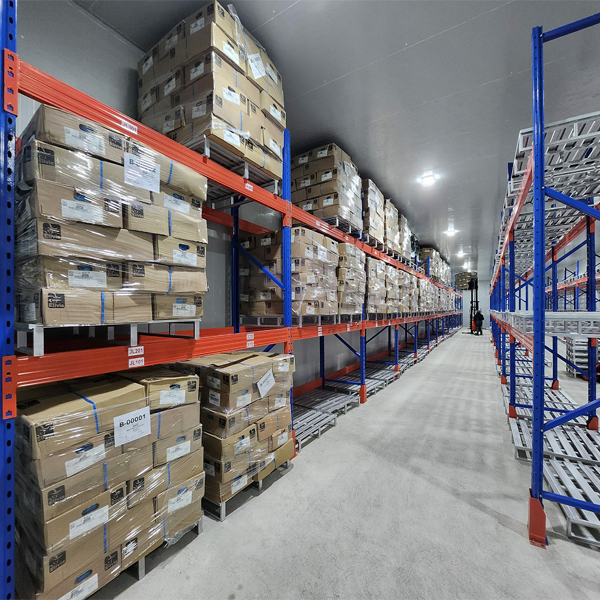
Plan your organic cold room project: Send your product list, room size, target temperature, and site location to meluck@meluckcooling.com. A MELUCK refrigeration engineer can prepare a technical proposal covering insulation, cooling capacity, refrigerant options, installation, and after-sales support.
Frequently Asked Questions
What temperature should an organic food cold room be?
The correct temperature depends on the product group. Fresh leafy greens and berries usually require 0 to 2 °C, root vegetables often hold at 0 to 4 °C, and tomatoes or tropical fruit may need 10 to 15 °C to avoid chilling injury. Frozen organic products should be held at -18 °C or lower.
Do organic standards require natural refrigerants?
Most organic certification standards do not explicitly require a specific refrigerant. They require contamination prevention, approved cleaning materials, separation from conventional products, and adequate records. Natural refrigerants can reduce synthetic refrigerant leakage concerns and support cleaner system design, but they must still meet all safety codes.
Are synthetic refrigerants banned in organic cold rooms?
In most certification programs, synthetic refrigerants are not automatically prohibited. The key requirement is that the refrigeration system must not contaminate food, packaging, or storage surfaces. Operators should check with their certification body and follow local environmental and safety regulations.
What materials are safe for organic cold room walls and shelves?
Non-absorbent, cleanable, food-grade materials are preferred. Stainless steel, food-grade aluminum, and smooth sealed panel facings are common. Wood should be avoided unless sealed and approved for the specific application. Flooring should slope to a drain and resist the cleaning chemicals used in the facility.
How should organic and conventional products be separated in the same cold room?
Use physical barriers, separate shelving, clear labels, and distinct storage zones. If the same room must be shared, use time separation and documented cleaning between product changes. The best practice is a dedicated organic room or clearly marked zone that prevents accidental commingling.
What monitoring and records does an organic cold room need?
Operators should keep continuous temperature and humidity logs, sensor calibration records, alarm reports, cleaning and sanitation logs, pest control records, maintenance records, and corrective action reports. Records should be accessible for inspection and show what happened after any temperature deviation.
References
[1] U.S. Department of Agriculture, Agricultural Marketing Service, “Organic Regulations,” https://www.ams.usda.gov/rules-regulations/organic
[2] Codex Alimentarius Commission, “Code of Hygienic Practice for Fresh Fruits and Vegetables,” CXC 53-2003, https://www.fao.org/fao-who-codexalimentarius/codex-texts/codes-of-practice/en/
[3] U.S. Environmental Protection Agency, “Refrigerant Transition and Environmental Impacts,” https://www.epa.gov/refrigerant-transition-environmental-impacts
[4] ASHRAE, “ASHRAE Handbook—Refrigeration,” https://www.ashrae.org/technical-resources/bookstore/ashrae-handbook
[5] European Commission, “Regulation (EU) 2018/848 on organic production and labelling of organic products,” https://eur-lex.europa.eu/legal-content/EN/TXT/?uri=CELEX:32018R0848
[6] Food and Agriculture Organization of the United Nations, “Post-harvest management of perishable horticultural commodities,” https://www.fao.org/food-loss-reduction/en/
If you're interested, check out these related articles:
Cold Storage and Flake Ice Systems for Fish Landing Stations
Banana Ripening Room vs Cold Storage for Importers
With over 15 years of experience as a MELUCK refrigeration engineer, I specialize in the design of cold storage, chillers, ice makers, and cold chain energy-saving systems, providing technical support to distributors and engineering companies worldwide.

meluck