
Cold Room Hygiene Standards for Food Safety: Practical Cleaning Protocols and Food-Safe Materials
Cold room hygiene is often treated as an add-on, but auditors see it differently. A smooth, drainable, easily cleaned surface is a food safety control, not a housekeeping preference. When room materials are difficult to sanitize, cleaning crews spend more time for worse results, and inspection findings follow.
Two factors determine whether a cold room passes food safety audits: the materials chosen at design stage and the cleaning protocols used during operation. This practical reference covers both, with current regulatory requirements, sanitation steps, and equipment details that make compliance easier.
Why Cold Room Hygiene Is a Food Safety Requirement
Cold storage slows most spoilage, but it does not make a room sterile. Listeria monocytogenes can continue to grow at refrigeration temperatures, so chilled processing and storage areas need the same cleaning discipline as ambient food-contact zones [1]. Condensation, product spills, and organic residues build up on floors, door tracks, drain channels, and evaporator fins, creating places for biofilms when the surface is porous, scratched, or difficult to reach.
Hygiene failures rarely appear as a single dramatic event. More often they show up as standing water, black spots on door gaskets, a persistent odor, or a temperature log that stays in range while the airflow path is carrying contamination. HACCP-based food safety management treats the cold room as a prerequisite program: the environment must be controlled before it can support a critical control point such as chilling or frozen storage [2]. A room that cannot be cleaned reliably makes every downstream temperature check less trustworthy.
Core Regulatory Standards and What They Require
Food premises regulations converge on the same practical requirements even when they use different terminology.
The Codex General Principles of Food Hygiene, CXC 1-1969, directs that facilities be designed and constructed to allow adequate cleaning, disinfection, and maintenance, with surfaces that are non-toxic, impervious, and easy to clean [2].
Regulation (EC) No 852/2004, Annex II, requires walls, floors, doors, and surfaces in food handling areas to be easy to clean and, where necessary, disinfect. Floors should allow adequate surface drainage and be made of impervious, non-absorbent, washable material [3].
The FDA Food Code 2022 focuses on operational controls. It requires non-food-contact surfaces to be cleaned as often as necessary to prevent accumulation of soil residue, and food-contact surfaces to be cleaned and sanitized before use and after contamination risk. Cleaning frequency for many non-food-contact surfaces is at least every 24 hours, with more frequent intervals for high-risk operations [4].
ISO 22000:2018 requires documented prerequisite programs that include cleaning and sanitizing, pest control, waste management, and personnel hygiene, all verified as part of the food safety management system [5].
Cleaning Protocols and Frequency
A written sanitation standard operating procedure, or SSOP, turns general instructions into an audit-ready routine. The sequence below is commonly used in food plants, and each step should be assigned to a position rather than left to shift-by-shift discretion.
- Remove product and packaging. No food should remain exposed during wet cleaning.
- Dry-sweep floors and panels to remove loose solids.
- Pre-rinse surfaces with low-pressure water, keeping fog and steam limited.
- Apply a food-grade detergent matched to the soil. Alkaline detergents lift fats and proteins, while acid-based cleaners remove mineral scale and hard-water stains.
- Rinse to remove detergent and loosened soil.
- Apply a food-contact-safe sanitizer or disinfectant and hold for the contact time stated on the product label [2].
- Dry thoroughly. Standing water is a contamination vector and can damage some floor finishes.
Frequency should be defined by zone and risk, not copied blindly from a generic table.
| Zone or surface | Typical cleaning frequency | Main concern |
|---|---|---|
| Food-contact equipment | Each shift or as needed | Pathogen transfer |
| Floors and drains | Daily | Biofilm and pest access |
| Walls and doors | Weekly or when soiled | Aerosol contamination |
| Ceiling panels and fan guards | Monthly or scheduled maintenance | Dust and condensation |
| Evaporator coils and drip trays | Quarterly or per maintenance plan | Airflow contamination and ice buildup |
For sanitizer selection, quaternary ammonium compounds are common for general surfaces, while peracetic acid-based products perform better in cold, wet environments. Whatever chemical is chosen, the SSOP should record its concentration, contact time, and compatibility with panel liners, door gaskets, and evaporator materials.
If you are preparing a sanitation plan for a new build, specify the room and surface first. Send your cold room size, product type, and target temperature range to meluck@meluckcooling.com to get matching panel, door, and refrigeration recommendations before you commit to a layout.
Material Selection for Hygienic Cold Room Construction
Surface specification is the first decision. Food-grade stainless steel AISI 304 is common in wash-down zones, while AISI 316 offers better resistance where salt, brine, or chlorine-based cleaners are used. Metal finishes should be smooth, continuous, and free of crevices at joints [6].
For insulated walls and ceilings, both the core and the visible liner matter. PIR cold room panels provide high thermal resistance and B1 fire performance, and slip-joint construction leaves fewer horizontal ledges than open-joint assembly. Panels intended for food use should have washable liners selected for the chemical exposure of the room.
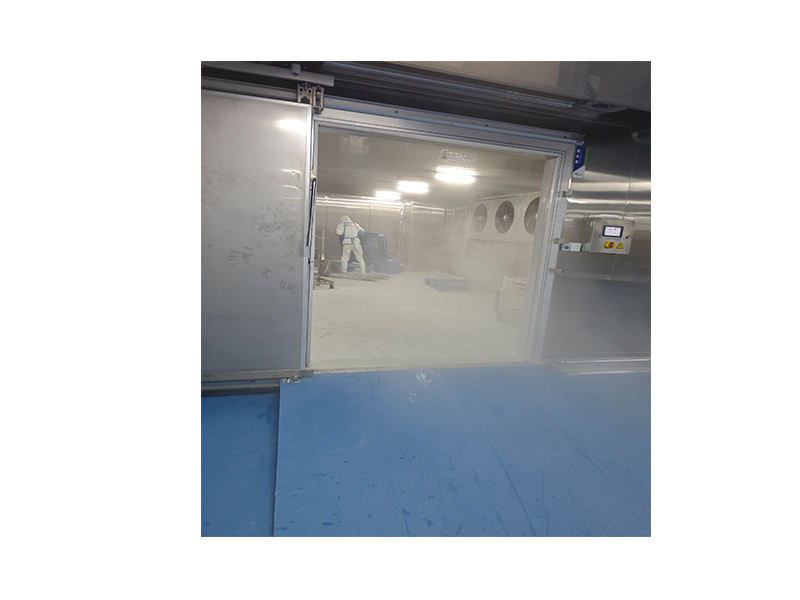
Floors should be sloped toward drains and finished with an impervious, non-slip surface. Door thresholds and tracks are high-risk because equipment wheels and foot traffic push soil into them. A manual sliding door with a cleanable track avoids deep recesses that hold water and debris. Regular gasket inspection should be part of the SSOP.
Panel surface and connection choice affects how easily a cold store can be washed and inspected. <Cold Room Panel Fire Rating: PIR vs PU Commercial Compliance> compares material and fire-performance factors that also influence hygienic cold room specification.
Equipment Design Features and Audit-Ready Documentation
Equipment features that make cleaning easier
Refrigeration equipment must be installed so that airflow supports sanitation instead of fighting it. Design features worth specifying include wide-spaced evaporator fins, accessible drip trays, sloped drain lines with air breaks, rounded internal corners, and sealed panel joints. EN 1672-2 requires food machinery to be designed so that surfaces can be cleaned and disinfected without creating new hygiene risks [7].
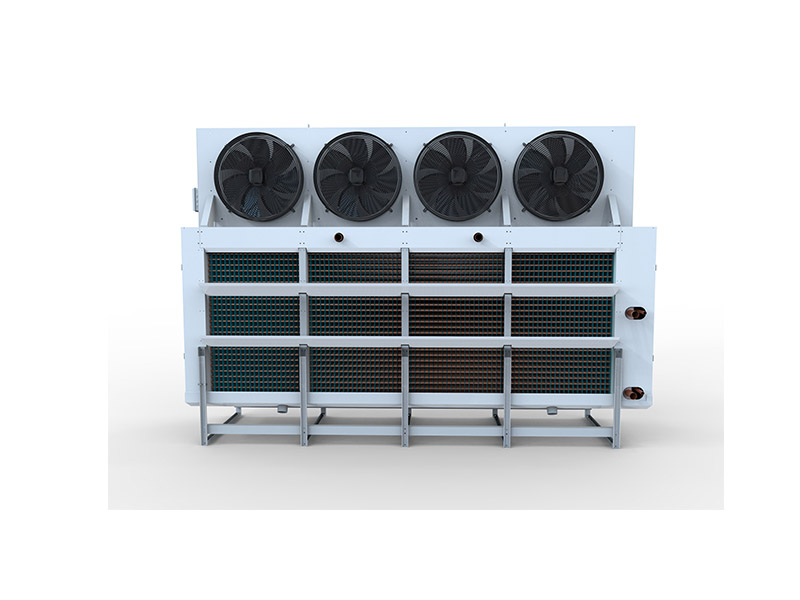
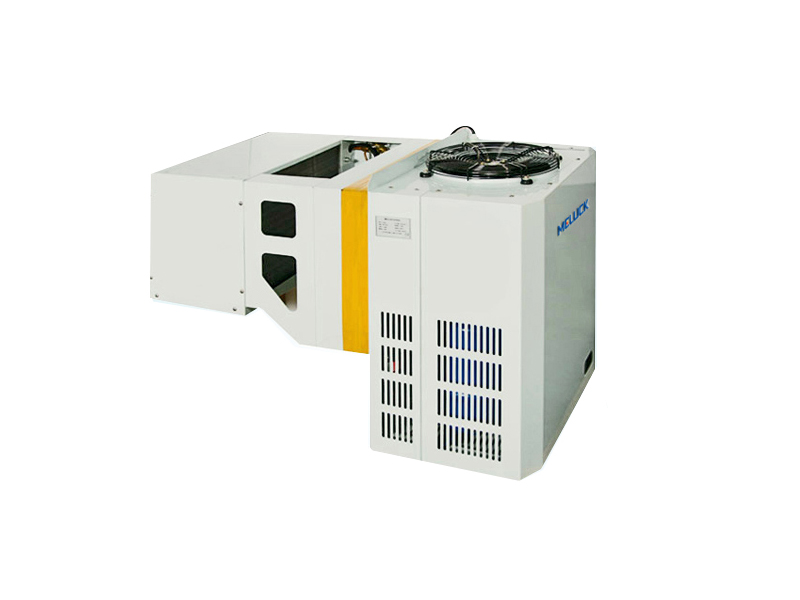
An air cooler evaporator with clear drain paths and removable guards reduces the time needed for coil and tray inspection. For smaller rooms, monoblock refrigeration units simplify installation and remove much of the external piping that otherwise becomes a cleaning obstacle.
Designing rooms that combine processing, packaging, and storage requires separated hygiene zones and controlled airflow. <Processing Room Solutions for Food Plants> covers multi-zone layouts that make sanitation control and temperature compliance easier to manage.
Meat and poultry rooms need dedicated zones with washable surfaces and controlled temperatures. <Cold Room for Butcher Shops: Chiller and Freezer Specs> covers room sizing, temperature, and equipment details for retail meat hygiene.
Audit preparation and maintenance documentation
Inspectors rarely ask only for a temperature reading. They look for evidence that the system was controlled between audits. Keep these records current:
- Daily temperature log with checks at defined intervals and corrective actions when limits are exceeded.
- Cleaning log showing chemical, concentration, contact time, and responsible person.
- Calibration records for thermometers and controllers.
- Maintenance records for coils, door seals, drains, and refrigeration units.
- Pest control reports and waste removal logs.
Corrective action matters more than a perfect record. A log that shows a recognized deviation, a documented response, and a follow-up check is stronger evidence of control than an unbroken line with no notes [5].
Plan an Audit-Ready Cold Room
Material selection and cleaning protocols work together. If you need a hygienic cold room specification for food processing, meat, seafood, or produce operations, send the room dimensions, product type, and target temperature range.
Email: meluck@meluckcooling.com
Phone: +8617369893087
Shanghai Meluck Refrigeration Equipment Co., Ltd. supplies cold room panels, doors, evaporators, condensing units, and turnkey installations with food-grade material options and audit-ready documentation support.
Frequently Asked Questions
What temperature should a cold room maintain for food safety?
Chilled food is typically held at 0 to 4 degrees Celsius, while frozen storage is kept at or below -18 degrees Celsius. The exact set point depends on the product, target market, and HACCP plan. Temperature recording and alarm verification are as important as the set point itself.
How often should a cold room be cleaned?
Floors and drains are usually cleaned daily, walls and doors weekly or when soiled, and evaporator coils on a scheduled maintenance cycle. The SSOP should define frequency by zone and risk. High-risk processing areas may require cleaning after each production batch.
Which cold room panel material is easiest to sanitize?
Stainless steel liners are easiest to wash in direct food-contact or wash-down zones. Insulated PIR or PUR panels with smooth, non-absorbent liners and tight joints are suitable for walls and ceilings when matched to the cleaning chemicals specified in the SSOP.
Does a cold room need stainless steel food-contact surfaces everywhere?
No. Food-contact areas should use smooth, non-toxic, cleanable material, typically stainless steel. Non-contact walls, ceilings, and doors can use sealed panel liners, provided they are washable and compatible with the specified cleaning chemicals.
What documentation do inspectors ask for?
Inspectors ask for temperature logs, cleaning and sanitation logs, calibration records, maintenance records, and evidence of corrective actions. A documented prerequisite program aligned with HACCP or ISO 22000 is the core audit requirement.
References
[1] U.S. Food and Drug Administration. Bad Bug Book: Listeria monocytogenes, 2nd ed. Center for Food Safety and Applied Nutrition. https://www.fda.gov/food/foodborne-pathogens/bad-bug-book-second-edition
[2] Codex Alimentarius Commission. General Principles of Food Hygiene, CXC 1-1969, rev. 2020. FAO/WHO. https://www.fao.org/fao-who-codexalimentarius/codex-texts/codes-of-practice/
[3] European Commission. Regulation (EC) No 852/2004 of the European Parliament and of the Council on the hygiene of foodstuffs, Annex II. EUR-Lex. https://eur-lex.europa.eu/eli/reg/2004/852/oj
[4] U.S. Food and Drug Administration. Food Code 2022. https://www.fda.gov/food/fda-food-code/food-code-2022
[5] International Organization for Standardization. ISO 22000:2018, Food safety management systems. https://www.iso.org/standard/65464.html
[6] EHEDG. Hygienic Equipment Design Criteria, Doc 8, 2nd ed., 2004. https://www.ehedg.org/guidelines/
[7] European Committee for Standardization. EN 1672-2:2005+A1:2009, Food processing machinery. Basic concepts. Part 2: Hygiene requirements.
If you're interested, check out these related articles:
Import Cold Chain Compliance: Cold Room Standards for Exporters
Bitzer CRAA Certified Condensing Units: China Market Guide
Shrimp and Fish Cold Storage Solutions in Bangladesh
Green Coffee Storage: Temperature and Humidity Control
Cold Room vs Refrigerated Truck: When Fixed Storage Wins
With over 15 years of experience as a MELUCK refrigeration engineer, I specialize in the design of cold storage, chillers, ice makers, and cold chain energy-saving systems, providing technical support to distributors and engineering companies worldwide.

meluck