
Condensing Unit Maintenance: Cleaning and Inspection Guide
Condensing unit maintenance is often treated as a cleanup task, but it directly determines compressor life, refrigerant performance, and cold room stability. A fouled condenser coil raises head pressure, increases energy input, and shortens the operating window before a high-pressure trip. The cleaning and inspection routine below covers air-cooled condensing units used in food cold rooms, freezer rooms, and processing spaces.

Why a Clean Condensing Unit Matters
The condenser coil is the part of the refrigeration system that rejects heat pulled out of the cold room. When the fins become coated with dust, grease, or plant debris, the coil acts like insulation. The system then has to work against a higher condensing temperature to reject the same amount of heat.
A restricted condenser raises the condensing temperature and adds compressor work for the same cooling output [2]. Over time, that shows up as higher electricity consumption, warmer pull-down times, more frequent high-pressure trips, and shorter compressor life. A clean coil is therefore not a cosmetic issue. It is a load management measure that protects the compressor and keeps the cold room temperature stable.
If the compressor room is short on air, however, the condenser cannot reject heat no matter how clean the coil is. > If the compressor room is short on air, the condenser cannot reject heat no matter how clean the coil is. <Compressor Room Airflow for Cold Storage: Design Factors> covers ventilation clearance, heat rejection, and layout factors that keep condensing units from running into high discharge pressure.
Safety First: Power Isolation and System Checks
Before opening the unit, lock out the main disconnect and follow a written lockout/tagout procedure [1]. Even a brief start while the fan guard is removed can cause serious injury. Allow the condenser surface and discharge line to cool before touching them, and keep water away from open electrical enclosures.
Only technicians with the correct refrigerant handling qualification should open the refrigeration circuit. Cleaning the coil and checking electrical connections can be done without opening the sealed system. If refrigerant leakage is suspected, isolate the circuit and complete a leak check before restarting the unit.
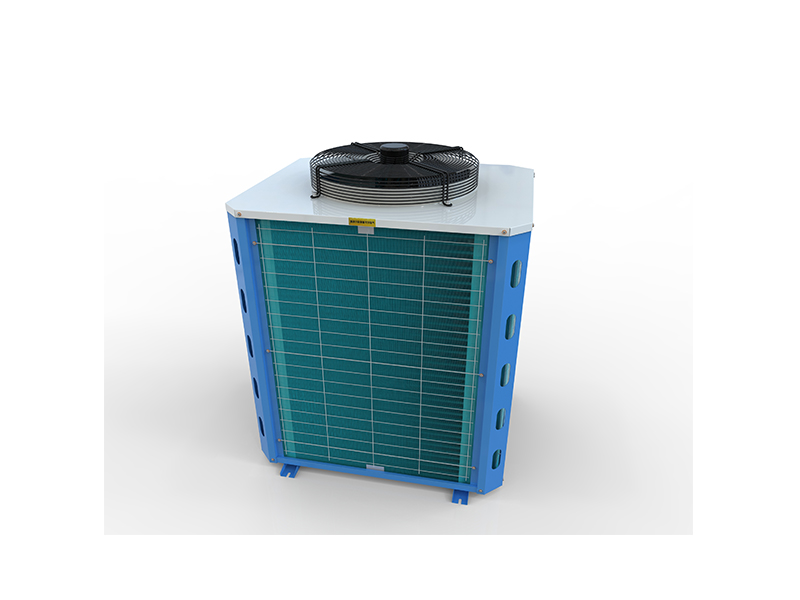
Condenser Coil Cleaning Step by Step
Start with a visual inspection. Look for leaf buildup, oil film, bent fins, damaged fan blades, and blocked air intake screens. For most food processing environments, the coil should be cleaned whenever visible buildup is present or when the condensing temperature begins to creep above the normal design point for the same ambient load.
Follow this sequence:
- Isolate and lock out the electrical supply.
- Remove loose debris with a soft brush or vacuum, working against normal airflow direction first if accessible.
- Remove oil or grease film with a mild, coil-rated cleaning agent.
- Rinse with low-pressure water or air. High-pressure spraying can fold the fin pack over and permanently reduce airflow.
- Straighten bent fins with a fin comb where needed.
- Check the drain path and clear any pooled water under the coil.
- Recheck the coil face for shadows or clogged areas before restarting.
After the coil is clean, the airflow path still needs clearance. The condenser should pull air freely from the intake side and discharge it away from the unit. Recirculation of hot discharge air is a common cause of unexplained high head pressure.
Fan, Mount, and Electrical Inspection
Clean coils alone will not protect the system if the fan or electrical controls are failing. During each maintenance visit, inspect the fan blades, guard, motor mount, and vibration level. A loose mount or uneven blade can create noise and eventually crack a bracket or damage the bearing.
Check the electrical connections for tightness and discoloration. Loose terminals produce heat and can damage the compressor contactor or control transformer. Look at the contactor contacts for pitting, verify that the crankcase heater operates when the compressor is off, and confirm that the pressure controls are clean and calibrated. Any burnt smell or discolored wiring should be corrected before restart.
For a maintenance checklist matched to your Bitzer, Copeland, or Invotech condensing unit, email meluck@meluckcooling.com with the model plate details. The support team can send a cleaning interval based on your dust load, ambient conditions, and cold room duty.
Refrigerant Side Checks: Leaks, Pressure, Oil, and Filter
A complete maintenance visit includes a refrigerant-side review. Compare suction and discharge pressures against the design values for the current ambient temperature and box load. If discharge pressure remains elevated after cleaning, the cause may be a blocked fin pack, a failing fan motor, noncondensables, refrigerant overcharge, or a system capacity mismatch.
Check the sight glass for moisture indication and bubbles only after the system has stabilized. Inspect accessible joints for oil residue, which often marks a slow leak. Confirm the compressor oil level is visible and stable, and listen for unusual valve noise or liquid slugging at startup. The condition of the filter drier should also be recorded; a large temperature difference across the drier can indicate a restricted core.
Persistent high discharge pressure after cleaning often points to capacity or selection problems, not dirt. > Persistent high discharge pressure after cleaning often points to capacity or selection problems, not dirt. <High-Capacity Condensing Unit Selection for Cold Storage> covers matching condensing unit capacity, condenser surface, and operating conditions for cold storage loads.
Maintenance should follow the applicable safety and operational requirements for the refrigerating system being serviced [3].
Monthly and Annual Maintenance Schedule
A simple schedule helps food processors and cold store operators avoid reactive service calls.
| Interval | Task | Reason |
|---|---|---|
| Monthly | Inspect coil face, fan operation, oil level, and unit vibration. | Catch early dirt buildup and mechanical damage. |
| Quarterly | Clean the condenser coil, clear intake screens, check electrical tightness, and record pressure readings. | Protect compressor life and energy performance. |
| Annually | Test pressure controls, inspect contactor contacts, complete a leak check, verify refrigerant charge, and review the maintenance log. | Confirm the system is ready for seasonal or export peak load. |
Maintenance records are also the first evidence a food safety auditor asks for during a cold room inspection. > Maintenance records are also the first evidence a food safety auditor asks for during a cold room inspection. <Cold Room Food Safety Audit: Prep Tips for Inspections> covers what inspectors look for and how to organize the logs and service records they expect.
Downloading a generic schedule is useful; applying it to the correct unit is better. Send the compressor model and refrigerant type to meluck@meluckcooling.com to request a site-specific maintenance register.
Contact MELUCK for Maintenance Support
If cleaning and inspection no longer restore stable operation, the next step is a technical review of the unit and the load.
Send the condensing unit model, compressor make, refrigerant type, and current head pressure reading to meluck@meluckcooling.com or call/WhatsApp +8617369893087. The MELUCK service team can provide a maintenance checklist, recommended spare parts list, and replacement options from 2HP to 50HP for Bitzer, Copeland, and Invotech configurations.
FAQ
How often should a condensing unit coil be cleaned?
Inspect the coil monthly and clean it when visible buildup appears or when discharge pressure rises above the normal design level for the same ambient conditions. Dusty sites, high-ambient locations, and processing rooms with oil mist may require more frequent cleaning.
Can I clean the coil while the condensing unit is running?
No. Isolate the power supply and follow a lockout/tagout procedure before cleaning. Water, brushes, and moving fan blades are a serious combination if the unit can start unexpectedly [1].
What is the fastest sign that a condensing unit needs maintenance?
A rising discharge pressure for a given ambient temperature is the clearest early sign. Other signals include longer compressor run time, warmer cold room temperatures, frost on the suction line, abnormal noise, or a sudden increase in energy consumption.
Does coil cleaning alone solve high head pressure?
Not always. If the fan is weak, the intake air path is blocked, the unit is under-sized, or the refrigerant charge is incorrect, the discharge pressure may remain high after cleaning. The system should be checked before parts are changed.
What should I record after each maintenance visit?
Record the date, ambient temperature, suction and discharge pressures, coil condition, cleaning method, compressor amp draw, oil level, and any parts replaced. This log is useful for warranty claims, energy review, and food safety audits.
References
[1] Occupational Safety and Health Administration, "Control of Hazardous Energy (Lockout/Tagout), 29 CFR 1910.147," U.S. Department of Labor, Washington, DC.
[2] ASHRAE, ASHRAE Handbook: Refrigeration, American Society of Heating, Refrigerating and Air-Conditioning Engineers, Atlanta, GA, 2022.
[3] International Organization for Standardization, ISO 5149-2:2014, Refrigerating systems and heat pumps - Safety and environmental requirements - Part 2: Design, construction, testing, marking and documentation, Geneva, Switzerland, 2014.
If you're interested, check out these related articles:
Condensing Unit for Dairy Farms: Milk Pre-Cooling Guide
Industrial Flake Ice for Concrete Cooling in Dam Construction
Peru Avocado Pre-Cooling Cold Storage
Cold Room Project Kenya: High Ambient Equipment Selection
Cold Room Project Saudi Arabia: High Ambient Gulf Design
With over 15 years of experience as a MELUCK refrigeration engineer, I specialize in the design of cold storage, chillers, ice makers, and cold chain energy-saving systems, providing technical support to distributors and engineering companies worldwide.

meluck