
Cold Room Preventive Maintenance: A Monthly and Annual Task Schedule for Commercial Storage
A commercial cold room is not a passive box. It is a refrigerated system in which the compressor, condenser, evaporator, controls, door seals, and insulation work together. When one part drifts out of condition, the room usually continues to run for a while. The problem shows up later as a high energy bill, a rejected inspection, or product loss. Temperature excursions are rarely caused by a single dramatic failure. More often they begin with a dirty condenser coil, a worn door gasket, or a defrost heater that has stopped working quietly. A clear preventive maintenance schedule turns those small failures into routine work orders instead of emergency shutdowns. It also supports food safety documentation, because temperature records and service logs are the evidence inspectors ask to see during a food safety audit [1].
Why a Preventive Maintenance Schedule Matters
Cold room failures are expensive because they usually affect stored product, not just the refrigeration machinery. A sealed compressor may be replaced, but a pallet of fish, meat, or fresh produce that warms beyond its safe temperature may be written off. The same failure can also trigger a food safety incident if it happens after hours and is not noticed until morning. Preventive maintenance reduces both risks by catching wear before it interrupts cooling.
A structured schedule also makes service costs easier to predict. Monthly checks can be handled by an operator or in-house technician. Annual checks should be handled by a qualified refrigeration technician. When both levels are documented, the operator has a service history that supports warranty claims, insurance reviews, and food safety audits.
Monthly Preventive Maintenance Tasks
Monthly checks do not need to be complicated, but they should be consistent. On a small single-room system, most items can be completed in less than one working day. Larger multi-zone facilities may need a full day because every condensing unit, evaporator, drain line, and door gasket must be inspected [2].
| Area | Monthly Task | What the Check Should Confirm |
|---|---|---|
| Condensing unit | Clear the coil, fan guard, and surrounding area | Airflow is unrestricted and no oil stains are visible |
| Evaporator | Inspect fins, fan blades, drain pan, and ice pattern | Coil is free of heavy frost outside the defrost cycle |
| Door system | Clean gaskets, hinges, and heater track | Gasket seals evenly and the door closes without forcing |
| Defrost | Confirm the defrost cycle starts and ends | Drain line heater works and water leaves the pan completely |
| Controls | Compare controller reading with a calibrated thermometer | Measured temperature matches the set point within tolerance |
| Electrical | Inspect contactor, wiring, and terminal tightness with power isolated | No discoloration, loose terminals, or rodent damage |
| Refrigerant circuit | Check sight glass moisture indicator and oil level | No continuous bubbles and no visible oil residue at joints |
| Records | Review temperature and alarm logs | Set points, alarm limits, and callout contacts are current |
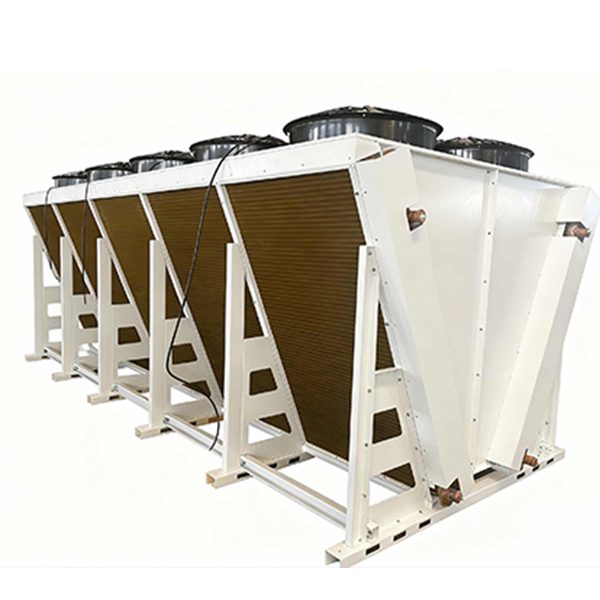
The condensing unit is the first place where a declining maintenance habit becomes visible. A condenser that is allowed to collect dust, leaves, or packaging film rejects heat less efficiently. That makes the compressor run longer, raises head pressure, and increases power consumption. Operators who clean the coil every month usually notice the difference in the daily runtime pattern long before the controller shows an obvious fault.
Because condensing unit selection shapes both daily performance and long-term service access, the way a system is zoned and specified matters. <Cold Room Zoning for Meat Packaging: Condensing Unit Guide> covers how matching the condensing unit to each zone reduces strain and makes routine checks more predictable.
Annual Preventive Maintenance Tasks
Annual maintenance is not the same as monthly cleaning. It is a deeper service procedure that should be performed by a qualified refrigeration technician. The checks below follow common manufacturer service guidance and safety expectations for refrigerating systems [3].
| System | Annual Task | Purpose |
|---|---|---|
| Compressor | Check oil condition, vibration, noise, and operating pressures | Detect internal wear before it damages the compressor |
| Refrigerant circuit | Perform a leak test and confirm correct charge | Prevent capacity loss and avoid small leaks becoming major faults |
| Safety devices | Test and calibrate pressure switches and safety valves | Confirm the system will trip safely under abnormal pressure |
| Filter-drier | Replace or inspect the filter-drier and moisture indicator | Protect the expansion device and compressor from moisture and acid |
| Electrical system | Perform insulation resistance testing and torque checks | Prevent loose connections, tracking, and motor failure |
| Defrost controls | Verify defrost termination and fan delay settings | Avoid short-cycling or re-freezing water on the evaporator |
| Insulation | Inspect panels, floor, ceiling, and door vapor barrier | Find air leaks and moisture entry before frost damage grows |
| Sensors | Calibrate temperature sensors and test alarm callout | Make sure recorded data is accurate and alarms reach the right person |
| Capacity | Run a full performance test under load | Verify the room can recover after door openings and product loading |
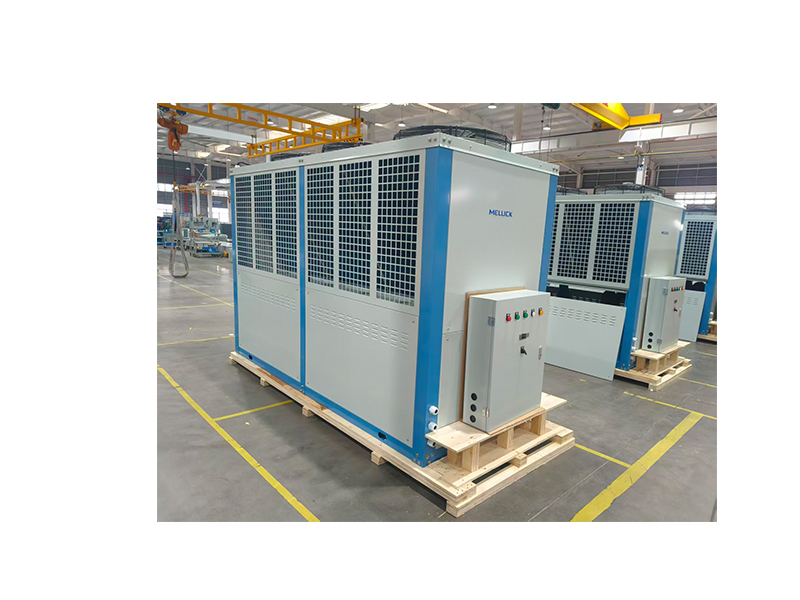
Annual work is also the right time to inspect the compressor contactor, capacitors, and phase protection. These components are inexpensive compared with a compressor replacement, but they are easy to overlook during daily operation. If the room uses multiple compressors or a parallel condensing unit, the annual check should include verifying that each compressor stages on and off in the correct sequence.
The Equipment You Need to Watch Closely
Condensing unit and condenser
The condenser coil, fan motor, and compressor form the heat rejection side of the system. In dusty or coastal locations, coil cleaning may be needed more often than monthly. Salt spray, grain dust, flour, and construction debris can form a hard layer on the coil face. A pressure wash that follows the manufacturer's fin direction is usually enough, but the fan must be isolated before work begins.
Evaporator and defrost system
The evaporator is the component that operators often misunderstand because heavy frost can look like normal cooling. It is not normal. In a freezer room, frost should be limited to the defrost period and should disappear after the cycle ends. Persistent ice on the coil, the fan guard, or the drain line means the defrost heater, termination sensor, or drain path is not working correctly.
![Blast freezer room evaporator]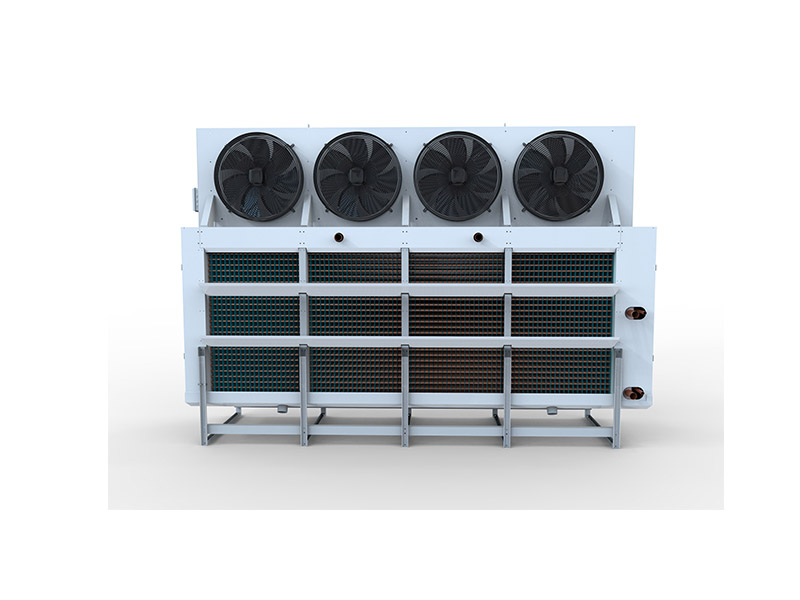
A blocked drain line in a blast freezer or low-temperature freezer can force water back into the room, where it freezes on the floor and becomes a safety hazard. The monthly defrost check should therefore include the full water path, not only the visible coil face. The drain line heater and the P-trap must be operational before the room returns to low temperature.
Doors, panels, and air leaks
Cold room panels and doors are often treated as structure, but they are part of the thermal envelope. A door gasket that loses its seal lets warm air enter constantly. That increases the cooling load, adds moisture to the room, and causes the evaporator to ice faster. A damaged panel joint can do the same thing without being visible from the outside.

Panel inspections should look for gaps, condensation, frost tracing, and soft spots in the floor insulation. Door checks should include the heater wire on freezer doors, the closer mechanism, and the release handle on the inside. These are safety items as much as efficiency items.
These components are not independent. A worn door seal makes the evaporator work harder. Icing on the evaporator makes the condenser run longer. A dirty condenser makes the compressor run hotter. Over time, the energy cost of these small losses is usually larger than the cost of the maintenance that would have prevented them [2].
If you are unsure where to start, send a short equipment list and your current temperature log to our maintenance engineering team at meluck@meluckcooling.com. A technician can mark the highest-risk checks for your refrigerant type, defrost method, and running hours.
Food Safety Records and Verification
A temperature reading is useful only when it is recorded and reviewed. Food businesses operating under HACCP or ISO 22000 should maintain temperature logs, alarm records, calibration certificates, and maintenance reports. The important point is not the format of the record. It is whether the record shows that someone noticed a change and took action [4], [5].
The records that are usually inspected include:
- Set point and actual temperature for each storage zone
- Daily or shift-level temperature checks
- Alarm events, with start and end times
- Corrective actions after a temperature deviation
- Sensor calibration certificates
- Cleaning and defrost reports
- Annual refrigeration service reports
Operators should also keep a current list of contact people for after-hours alarms. A recorded temperature excursion is much easier to defend when the log shows that the alarm was received, the product was assessed, and the refrigeration technician was called. A missing log, by contrast, is difficult to explain during a food safety audit even if the product was eventually saved [1].
Talk to a Cold Room Maintenance Engineer
A maintenance schedule works best when it is written for the actual refrigeration system, not for a generic cold room. Room size, product temperature, defrost method, refrigerant, compressor type, and operating hours all affect which tasks deserve the most attention.
Send your cold room model, refrigerant, and latest service records to meluck@meluckcooling.com, or call or message +8617369893087. Ask for a monthly and annual checklist matched to your system. We can also support scheduled site work, remote alarm review, and spare parts planning.
Frequently Asked Questions About Cold Room Maintenance
How often should a commercial cold room be serviced?
A commercial cold room should receive monthly operator checks and a full annual service by a qualified refrigeration technician. High-traffic rooms, dusty sites, and freezer rooms may need additional condenser cleaning or defrost checks.
What is the most common cause of cold room temperature drift?
Temperature drift is commonly caused by a dirty condenser coil, a worn door gasket, a defrost system fault, or a gradual refrigerant loss. The controller may still read the correct set point while the actual room temperature rises, so a calibrated handheld thermometer is an important check.
Should I turn off the cold room during maintenance?
Basic checks such as door seal inspection and record review can be done with the room running. Electrical work, coil cleaning, and panel repair require the relevant circuit or refrigeration system to be isolated. Product temperature should be recorded before any procedure that may interrupt cooling.
How long does an annual cold room service take?
A small single-room system may be serviced in half a day. Large multi-zone systems with multiple condensing units, parallel compressors, or blast freezers can take one to two days, depending on access, site conditions, and the scope of the shutdown.
What records should I keep for a cold room?
Keep temperature logs, alarm event records, corrective actions, sensor calibration certificates, cleaning records, and annual service reports. These records support food safety audits and help technicians diagnose performance changes.
Can my own staff perform refrigerant leak checks?
No. Refrigerant handling requires a licensed technician in most markets. Operators can watch for oil residue, pressure changes, and unusual frost formation, but leak testing and refrigerant charging should be left to qualified personnel.
References
[1] U.S. Food and Drug Administration, Food Code 2022, Section 3-501.16, Time/Temperature Control for Safety Food. [Online]. Available: https://www.fda.gov/food/fda-food-code/food-code-2022
[2] ASHRAE, ASHRAE Handbook: Refrigeration, SI ed. Atlanta, GA: ASHRAE, 2022.
[3] European Standard EN 378-2:2016+A1:2019, Refrigerating Systems and Heat Pumps - Safety and Environmental Requirements - Part 2: Design, Construction, Testing, Marking and Documentation. Brussels: CEN, 2019.
[4] Codex Alimentarius, General Principles of Food Hygiene, CXC 1-1969, rev. 2022. Rome: FAO/WHO, 2022.
[5] ISO, ISO 22000:2018, Food Safety Management Systems - Requirements for Any Organization in the Food Chain. Geneva: ISO, 2018.
If you're interested, check out these related articles:
Cold Room vs Refrigerated Truck: When Fixed Storage Wins
Cold Room Power Solutions for Remote Locations and Islands
Cold Room for Food Service: Compact Energy Efficient Options
Bitzer 2-Stage Compressor for Ultra-Low Temp Cold Rooms
Chiller Room Solutions -10C~10C
With over 15 years of experience as a MELUCK refrigeration engineer, I specialize in the design of cold storage, chillers, ice makers, and cold chain energy-saving systems, providing technical support to distributors and engineering companies worldwide.

meluck