
Cold Room Zoning for Meat Packaging: Condensing Unit Guide
Meat processing plants rarely run a single temperature. A receiving dock at 7°C, a cutting room at 10°C, a packaging line at 8°C, and a finished product chiller at 2°C each pull different refrigeration loads. Without proper cold room zoning, a plant ends up with warm spots, condensation, and compliance gaps that inspectors flag. I’ve seen plants where one oversized condensing unit tried to hold four zones, and the packaging room drifted to 13°C by midday every shift, spoiling product before it left the door. Getting the zones right is the difference between a smooth-running operation and a constant rework loop.
Why Temperature Zoning Is the First Design Decision
Food safety in meat packaging starts with time-temperature control. Under HACCP plans, any room where exposed product sits must maintain a temperature that limits bacterial growth. But different stages, receiving, breaking down carcasses, trimming, vacuum packing, and holding, have different thermal loads and acceptable ranges. A single zone for everything is technically possible but operationally miserable. Staff working in a 2°C room all day need PPE that is not common in all markets, and the energy cost of overcooling a whole facility to the lowest common temperature is wasteful.
Zoning also lets you match condensing units to actual loads. A cutting room with constant door traffic may need more capacity than a sealed packaging room of the same size. Separating the circuits means a fault in one zone does not shut down the whole plant, and maintenance can be done without warming the entire cold chain.
Temperature Zones for Meat Packaging Cold Rooms
A standard meat packaging plant typically splits into four or five functional zones. The table below shows the ranges I apply in most projects, adjusted for local climate and product type.
| Zone | Temperature Range | Typical Activity | Notes |
|---|---|---|---|
| Receiving / Loading | 7°C to 10°C | Unloading raw materials, QC checks | Minimize condensation with insulated dock seals |
| Processing / Cutting | 10°C to 12°C | Portioning, deboning, trimming | Higher temp improves worker comfort and hygiene compliance |
| Packaging | 8°C to 10°C | Vacuum packing, boxing, labeling | Keep product below 10°C core temperature |
| Chilled Storage (Fresh) | 0°C to 2°C | Short-term holding before dispatch | Maintain meat quality; avoid ice crystal formation |
| Blast Freezing (Optional) | -35°C to -40°C | Rapid freezing for frozen export lines | Separate zone with dedicated 2-stage condensing unit |
For plants that do both fresh and frozen, I add a frozen storage room at -18°C to -25°C downstream of the blast freezer. This is a separate circuit with its own condensing unit and evaporator, not tied into the chiller loop. Mixing fresh and frozen loads on one refrigeration rack is where many budget designs stumble.

Selecting Condensing Units for Multi-Zone Meat Plants
A condensing unit per zone is the cleanest approach for temperature stability. The compressor capacity calculation starts with the room volume, insulation, product load, and infiltration from door openings. In practice, a 20m x 10m x 3.5m cutting room at 10°C typically needs around 15–20 HP of refrigeration, while a similarly sized chiller holding room at 2°C may need 20–25 HP because the temperature differential is higher.
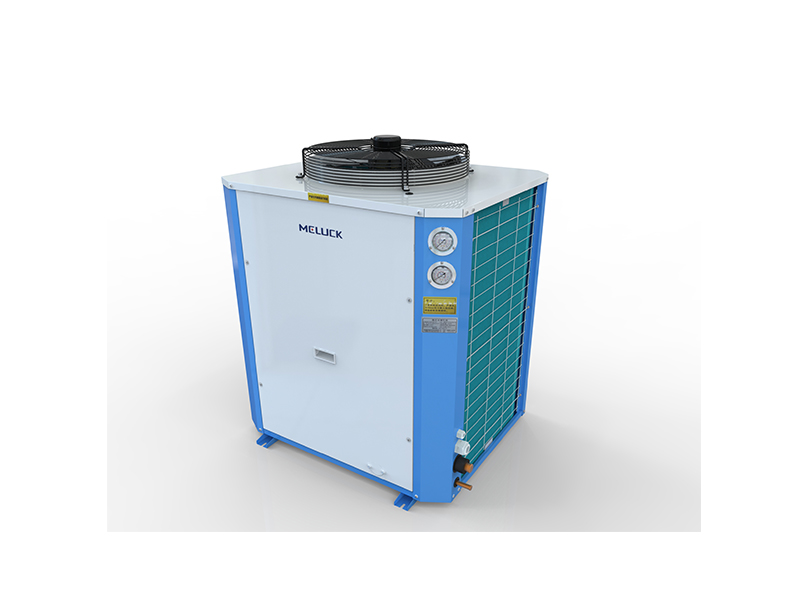
For most meat packaging zones, Bitzer reciprocating condensing units are a solid baseline. A Bitzer 20HP (4NE-20Y) handles a medium-sized processing room well, while a 30HP (6HE-28Y) covers larger cutting halls. For blast freezing, a 2-stage Bitzer, like the 16HP or 20HP semi-hermetic model, pulls down to -35°C reliably. These compressors have been the core of projects I’ve commissioned across Asia, Africa, and South America, and parts availability is straightforward in most regions.
Parallel condensing units (two or three compressors on a rack) work well when you want capacity modulation and redundancy. Three Bitzer piston compressors in parallel, with a PLC controller that stages them based on suction pressure, can serve a 500 m² processing floor while keeping energy draw proportional to the actual load. Copeland scroll units are also an option for smaller dedicated zones up to about 7HP, though for larger and sub-zero applications I generally specify Bitzer for the serviceability and part commonality across the plant.

If your plant handles both fresh and frozen meat, balancing the load between chiller and freezer circuits is where many designs fail. It is worth confirming the condensing unit’s pull-down capacity for your highest-load zone before finalizing equipment. Send a rough floor sketch to meluck@meluckcooling.com and we can model the expected heat load for each zone.
Insulation, Airflow, and Defrost: Keeping the Zones Stable
Temperature zoning only works if each room holds its setpoint. Insulation panel choice matters: for freezer zones, 150 mm PIR panels with a fire rating of B1 give better R-value and safety than standard PU. For chiller rooms, 100 mm PUR panels with camlock joints provide adequate insulation and quick assembly. The floor in a meat plant is especially critical; I’ve seen frost heave lift a floor slab 30 mm because no underslab heating was installed beneath a -25°C freezer. Use 100 mm of XPS insulation under the slab and include a heating mat if the ground can freeze.
Inside each zone, air cooler selection must match both the temperature range and the product load. For a cutting room at 12°C, a DL series evaporator with a fin spacing of 4.5 mm runs cleanly without frequent defrosts. For a blast freezer at -35°C, a DJ series with wide fin spacing and electric defrost heaters keeps frost build-up under control. The key is to size the cooler for the room’s sensible heat ratio, not just total BTUs; meat rooms produce high latent loads from cleaning and wet floors, so the coil needs extra surface area.
Defrost management is the unsung hero of zone stability. Electric defrost on evaporators in freezer zones should be time-initiated but temperature-terminated. In chiller zones, natural off-cycle defrost often suffices, but if the room runs below 4°C, an electric defrost cycle once or twice a day prevents ice bridging that blocks airflow and slowly shifts the room temperature upward.
Zoning Mistakes That Cause Most Meat Plant Failures
The most expensive mistake I run into is treating the plant as one big cold box. When a single large Bitzer 50HP unit feeds evaporators across receiving, processing, and storage, the compressor runs at a compromised suction pressure. The result is that every room settles at the average temperature, no room is at its design condition, and energy consumption spikes because the compressor never loads efficiently.
Another frequent error is ignoring airflow interaction. A chiller room door that opens into a warmer corridor without an air curtain or strip curtain loses cold air fast. The adjacent room’s temperature then swings, and the condensing unit cycles harder. Installing a simple PVC strip curtain and making sure the evaporator’s discharge air does not blast directly onto a door is cheap and effective.
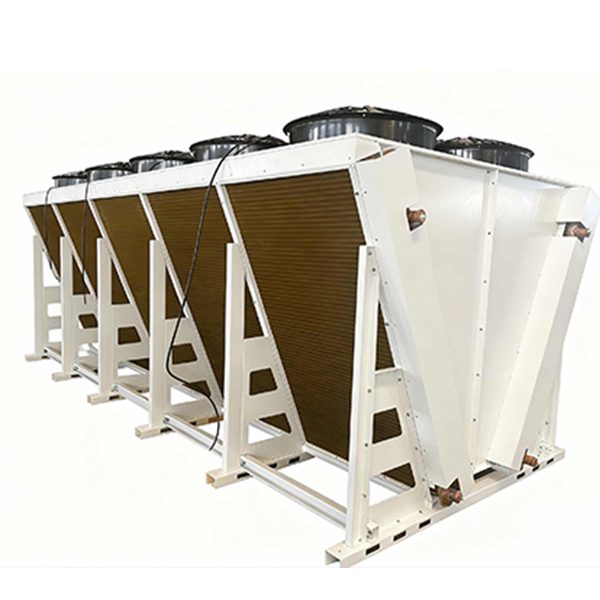
In several projects I’ve been called in to fix, the plant had undersized the condensers for high ambient conditions. A condensing unit selected for a 35°C ambient will struggle on a 45°C afternoon in the Middle East or South Asia, reducing capacity by 15–20%. I always specify condensing units with a heat rejection margin for the local maximum ambient, not the average, and that alone has prevented seasonal shutdowns for plants in hot regions.
What It Takes to Future-Proof a Meat Packaging Cold Room
A well-zoned plant adapts as production volumes change. I recommend leaving space for one extra condensing unit pad and a spare panel knock-out on each cold room so adding a new zone does not become a major reconstruction. During commissioning, document each zone’s pulldown time, compressor amp draw, and defrost cycle length. When the plant manager calls two years later because a room is running warm, having that baseline data cuts troubleshooting time in half.
For plants aiming for export certifications, such as EU or FDA compliance, zone-level temperature logging with independent sensors per room is no longer optional. Each zone should have its own digital controller with alarms routed to a central panel. I have seen a whole container load rejected because the temperature recorder in the packaging room showed a 90-minute excursion while nobody noticed. A phone alert would have saved the shipment.
Questions Meat Processing Managers Ask About Cold Room Zoning
What is the safe temperature for a meat packaging room?
10°C is the ceiling. At that temperature, product core temperature stays below the danger zone as long as dwell time is short, and workers can operate without heavy freezer suits. If the room runs warmer than 12°C, bacterial counts rise fast, especially for ground meat. For extended holding, the packaging area should be closer to 8°C, but that requires insulated walls between the packaging line and warmer corridors.
Can one large condensing unit serve all zones?
It is possible with an advanced electronic expansion valve rack and zone controllers, but the complexity and cost rarely justify it for a plant under 2,000 m². The compressor runs in a narrow efficiency band, and one valve failure can cascade. I’ve seen it work in very large facilities where a central screw compressor feeds a secondary glycol loop to each zone, but for most mid-size meat plants, independent condensing units per zone are simpler and more fault-tolerant.
How do I stop condensation on the floor in a meat processing room?
Floor condensation usually means the slab temperature is below the dew point. The fix is either raising the room temperature slightly (if product allows), improving floor insulation, or installing underfloor electric heating in freezers. In processing rooms at 10°C, condensation is uncommon unless the room is washed down frequently. Good drainage, epoxy floor coating, and ensuring the air cooler’s fan cycles off during defrost help keep the floor dry.
What panel thickness does HACCP require for meat cold rooms?
HACCP does not mandate a specific panel thickness; it requires that the room holds its target temperature consistently. In practice, 100 mm PUR panels with a fire-rated PIR facing are the minimum for chiller rooms in many commercial specs. For freezer rooms, 150 mm is more common. The panel joint seal is just as important as the thickness, an air leak at a panel seam can cause ice build-up and temperature drift that a thicker panel will not fix.
If you are setting up a new meat packaging plant or retrofitting an existing one and want the zone loads mapped to specific condensing unit models, share your floor layout and temperature requirements. Reach David Zhang at meluck@meluckcooling.com or call +8617369893087 for a preliminary system matching.
If you're interested, check out these related articles:
Chiller Room Solutions -10C~10C - Meluck
Egypt French Fries Cold Storage Project - Meluck
With over 15 years of experience as a MELUCK refrigeration engineer, I specialize in the design of cold storage, chillers, ice makers, and cold chain energy-saving systems, providing technical support to distributors and engineering companies worldwide.

meluck