
Cold Room for Street Food Supply Chain: Scaling Operations
Scaling a street food supply chain from daily market runs to a structured operation confronts a hard reality: without cold storage, fresh ingredients spoil before reaching the cart. I've seen this pattern repeat across markets in Southeast Asia and Africa, where vendors expanding into multiple stalls lose margin to inconsistent refrigeration. A cold room for street food supply chain operators is not a luxury; it is the operational backbone that turns a high-risk daily hustle into a predictable business. Whether you are aggregating produce for several carts, running a central kitchen, or supplying cooked bases to multiple vendors, reliable cold storage keeps inventory fresh, compliant, and ready for the morning rush.
Matching Cold Storage to Your Street Food Operation's Growth Stage
Street food supply chains rarely start with a cold room. The first cart buys ingredients daily from wet markets, and that works until the operator takes on a second cart, opens a static stall, or adds delivery. At that inflection point, the cost of daily sourcing and spoilage overtakes the cost of cold storage. I've helped small food businesses in Myanmar and other hot climates calculate this break-even, and the pattern holds: when the weekly inventory value exceeds roughly $500, a small chiller room pays for itself within 12 to 18 months.
The right cold room for a street food supply chain depends on what you handle. Perishable vegetables and cooked sauces need 2 °C to 8 °C, while frozen meat and seafood demand -18 °C or lower. Many businesses benefit from a dual-temperature setup: a larger chiller for fresh goods and a compact freezer for pre-portioned frozen stock. This lets a single facility serve both fresh and frozen inventory without cross-contamination or thawing risk.

Choosing Cold Room Type and Equipment for Limited Urban Spaces
Unlike industrial food plants, street food hubs must fit into tight commercial lots, repurposed shophouses, or small warehouse corners. The monoblock refrigeration unit is often the most practical starting point. It combines the compressor, condenser, and evaporator in one package, bolts onto a panel wall, and runs on a standard electrical supply. We supply monoblock units covering 2 HP to 7 HP capacities, which can maintain a 10 m³ to 30 m³ chiller at 0 °C to 5 °C with a plug-and-play installation. This format avoids the complexity of split systems and is well-suited for operators who may relocate or expand.
If your operation handles multiple product temperatures or requires batch cooling of cooked food, it is worth confirming the refrigeration load with a technical contact before ordering equipment. We frequently help small businesses avoid the mistake of buying a unit that fits the space but fails the actual heat load.
For larger central kitchens preparing bulk sauces, marinated meats, or pre-cooked items for dozens of stalls, a component system with a separate condensing unit and ceiling-mounted evaporator offers more capacity and flexibility. In higher ambient temperatures like those across South Asia and the Middle East, Bitzer semi-hermetic reciprocating condensing units hold temperature tolerance even during 40 °C heat, which is critical for food safety in non-stop operations.
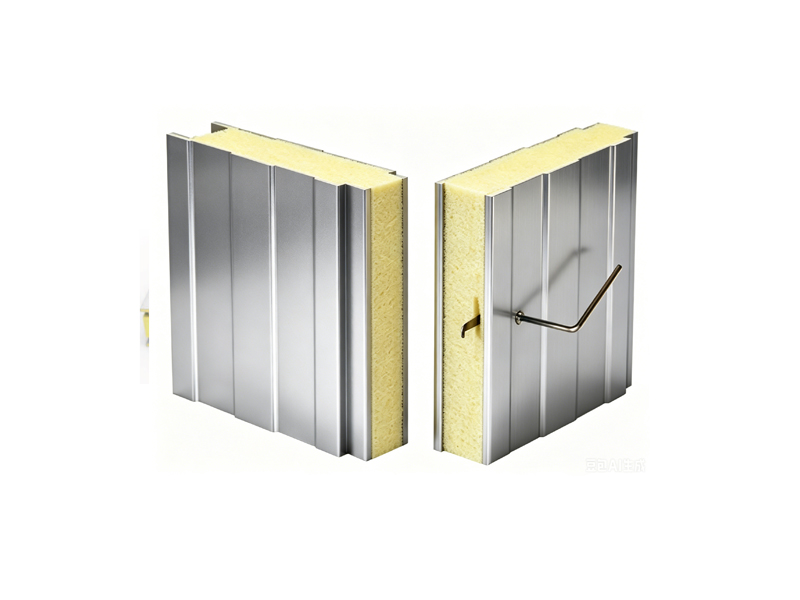
Insulation panel selection is another detail that gets overlooked at this scale. PIR (polyisocyanurate) panels with a cam-lock or slip-joint connection provide both thermal efficiency and fire resistance, which becomes important when cold rooms are sited near cooking areas or residential zones. For quick construction, pre-fabricated PIR panels assemble in a day and can be disassembled and relocated, supporting the modular nature of street food aggregation.
Planning for Space, Power, and Hygiene Compliance
Small cold rooms often fail because the site wasn't prepared for drainage, ventilation, or electrical load. I walk through this checklist with every new client:
- Clearance for condensing unit airflow: at least 300 mm on all sides and 1.5 m above.
- Floor with a 1:100 slope toward a drain for cleaning and defrost water.
- Dedicated circuit with a voltage stabilizer if the mains supply fluctuates, common in developing markets.
- Lighting that is waterproof (IP65 or higher) and switched externally to avoid heat load inside.
These details may sound minor, but neglecting them is why I've seen small cold rooms fail inspection or drive up electricity costs by 30 % due to poor condenser airflow.
From a food safety perspective, street food supply chains are under increasing regulatory pressure. Whether you are in a HACCP-compliant market or preparing for audit, the cold room must maintain a daily temperature log. Even a simple digital controller with an audible alarm will catch a cooling failure before it becomes a stock loss. In Myanmar, we installed a small 8 m² chiller for a tomato supply operation, and the combination of insulated panels plus an automatic defrost controller cut their daily spoilage from roughly 20 kg to under 3 kg. The same principles apply whether you are storing fresh vegetables for a cart or cooked broth for a fleet of vendors.
Understanding the Total Cost of Ownership and Payback
When I prepare a quotation for a street food cold room, I break costs into three buckets: capital equipment (panels, refrigeration unit, door, installation), operating costs (electricity, maintenance), and avoided losses. The last bucket is what makes the business case.
For example, a 15 m³ walk-in chiller with a 3 HP monoblock unit, PIR panels, and a sliding door typically costs between $5,000 and $8,000 depending on location and shipping. Operating costs at $0.10 per kWh run around $150 per month. If that cold room prevents $400 per month in spoilage and reduces daily restocking trips, the payback is under two years. For a business scaling from 3 carts to 10, that is an easy decision.
| Cost Item | Small Chiller (0 to +8 °C) | Freezer (-18 °C) |
|---|---|---|
| Typical size | 10 m³ to 30 m³ | 5 m³ to 15 m³ |
| Refrigeration unit | Monoblock 2-5 HP or split 3-7 HP | Bitzer low-temp unit 4-9 HP |
| Insulation panel | 80 mm PIR | 100 mm PIR |
| Monthly electricity (est.) | $100-$200 | $200-$400 |
| Recommended for | Fresh vegetables, dairy, cooked sauces | Frozen meat, seafood, pre-portioned meals |
This table is representative; actual requirements depend on ambient temperature, frequency of door openings, and exact product load. That is why I always recommend a thermal load calculation before ordering panels or a unit. Skipping this step results in undersized equipment that runs continuously and never reaches temperature.

Step-by-Step Implementation for a Multi-Cart Street Food Hub
If you are centralizing supply for several street food carts, here is the sequence we use in our turnkey projects:
- Define throughput and temperature zones. How many kilograms of each product category do you receive daily? Use that to size the cold room volume, not future hopes.
- Choose a panel system. For urban micro-hubs, PIR panels with camlock joints enable fast assembly and potential relocation.
- Select the refrigeration circuit. Start with a monoblock if the room is under 30 m³ and ambient rarely exceeds 35 °C. Above that, move to a split condensing unit with an evaporator.
- Integrate remote monitoring. A simple Wi-Fi temperature logger sends alerts to a phone and satisfies food inspectors.
- Train staff on door discipline and defrost cycles. This single step reduces energy consumption by 10 to 20 % and extends compressor life.
I've applied this exact sequence in settings like the avocado cold storage project in Peru, where a 17 m × 12 m room ran at 10 °C with Bitzer 20 HP units and dramatically cut rejection rates. The size and product were different, but the logic is the same: match the refrigeration to the throughput, not the wish list.

From Informal to Organized: Your Cold Room Project Starts Here
The street food supply chain runs on small margins and daily discipline. A reliable cold room removes the biggest variable: spoilage. You've seen the numbers; you know your throughput. The next step is matching your operational reality to the right refrigeration system. I've been part of that process for businesses from Myanmar to Peru, and the principle is always the same: start with a realistic load calculation and a design that fits your next growth stage, not just today's.
Send your expected daily throughput, product types, and available space to meluck@meluckcooling.com. We'll return a preliminary cold room layout and equipment recommendation within two working days. If you need to discuss site constraints or power supply, you can reach me directly at +8617369893087. There is no cost for the initial consultation, only a clear plan to move your street food supply chain out of the daily market and into reliable cold storage.
Common Questions About Cold Rooms for Street Food Supply Chains
How much does a cold room for a street food business cost?
A small walk-in chiller room for street food supply chains typically costs between $5,000 and $10,000, varying by size, panel type, and refrigeration unit. Monoblock systems reduce installation cost because they are plug-and-play, while split systems with Bitzer compressors cost more upfront but offer longer service life and better performance in high ambient temperatures. For operators unsure about budget, we often propose a phased approach: install the insulated room and the chiller unit first, then add the freezer section later. This spreads capital outlay and lets the chiller prove its payback before adding capacity.
What size cold room do I need for a street food supply chain?
The size depends on daily inventory turnover and the number of carts served. As a rule of thumb, a 10 m³ chiller supports roughly 300 kg of fresh produce rotation per day, which is enough for 5 to 8 carts. If you are handling frozen goods, a 5 m³ freezer holds around 200 kg of frozen meat or seafood. I always recommend measuring current purchase volumes over two weeks before sizing, rather than estimating. Over-sizing wastes electricity; under-sizing causes temperature swings every time the door opens.
Can I use a shipping container cold room for my street food hub?
Container cold rooms are portable and can work for temporary or seasonal street food aggregation, but they have higher heat ingress through the container shell unless upgraded with internal insulation panels. In my experience, a purpose-built panel cold room provides better energy efficiency and easier layout customization for a fixed location. For mobile operations that move between markets, a container cold room with a reliable diesel backup generator may be the only option. The decision hinges on whether you need to relocate the cold storage or just scale the fixed base.
How do I maintain food safety compliance in a small cold room?
The critical steps are daily temperature logging, monthly condenser coil cleaning, and a calibrated door gasket. Even a small chiller needs a digital controller that records high and low temperatures; in case of an audit, this log is your first defense. I also recommend placing a waterproof thermometer in a glass of water inside the cold room, because air temperature changes quickly when the door opens but product temperature is what matters for food safety. If you are supplying cooked foods to street carts, the cold room must be capable of pulling the product from cooking temperature (around 60 °C) down to below 5 °C within 4 hours, which affects both the refrigeration load and the evaporator selection. For operators who need to confirm specifications, reach out to meluck@meluckcooling.com or call +8617369893087; we review load calculations at no cost to ensure your setup meets HACCP cooling logs before you order equipment.
If you're interested, check out these related articles:
Peru Avocado Pre-Cooling Cold Storage - Meluck
Processing Room Solutions for Food Plants - Meluck
With over 15 years of experience as a MELUCK refrigeration engineer, I specialize in the design of cold storage, chillers, ice makers, and cold chain energy-saving systems, providing technical support to distributors and engineering companies worldwide.

meluck