
Modular Freezer Rooms: Faster Deployment for Food Processing Facilities
A modular freezer room gives food processing operators a way to add frozen holding capacity without waiting on a long site-built construction program. Prefabricated panels, a matched refrigeration package, and standard door openings shift most of the work to the factory, so the site phase becomes assembly, connection, and pull-down.
Freezer Temperature and Food Safety Baseline
A freezer room is a food safety asset before it is a storage asset. Holding temperature must be selected to limit microbial growth and preserve product quality. ISO 22000 [1] provides the management framework through HACCP-based prerequisite programs and requires the facility to control storage conditions and monitor critical limits. The ASHRAE Refrigeration Handbook [2] identifies -18°C as a common frozen-storage holding point for many products, with lower temperatures used for high-fat items, ice cream, or long-term export stock. Operators should therefore define the target temperature before selecting panel thickness, evaporator airflow, and defrost strategy.
What Makes a Freezer Room Modular
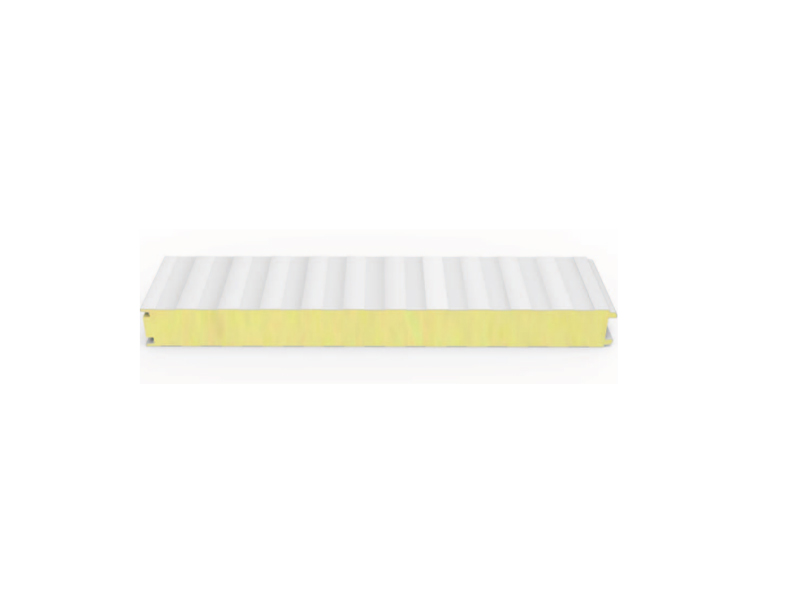
A modular freezer room is assembled from factory-produced insulated wall and ceiling panels, a prefabricated door frame, floor or panel components, and a refrigeration package that is either pre-piped or connected through short field joints. The structure avoids heavy wet trades and site fabrication, which shortens the construction window and reduces the number of contractors on site.
The panel system is the core of the modular concept. PIR panels offer dimensional stability and the fire performance that food processing operators usually require for freezer holding conditions. PUR panels remain a practical choice where budget and standard frozen storage conditions are the main concerns. Panel joints should be cam-lock or slip-joint to limit air leakage and thermal bridging. Airtight door seals and pressure relief vents are part of the envelope.
Why Rapid Deployment Changes Food Processing Planning
In many plants, the freezer room is the last critical path item before new lines can run. A modular approach helps the project team shorten that path in several ways. Factory-finished panels and door openings reduce on-site cutting and sealing. Matched refrigeration skids arrive pressure-tested and charged, so commissioning focuses on connection, evacuation, and pull-down. Expansion becomes a phased investment rather than a large one-time civil project.
The value becomes clearest when a facility weighs fixed on-site storage against temporary or mobile refrigeration. For continuous processing lines, fixed modular capacity usually wins because it holds stable temperature without daily logistics and truck positioning.
For operations weighing permanent on-site capacity against mobile refrigeration, facility demand patterns usually decide the best fit. <Cold Room vs Refrigerated Truck: When Fixed Storage Wins> covers the operational breakpoints where fixed storage wins.
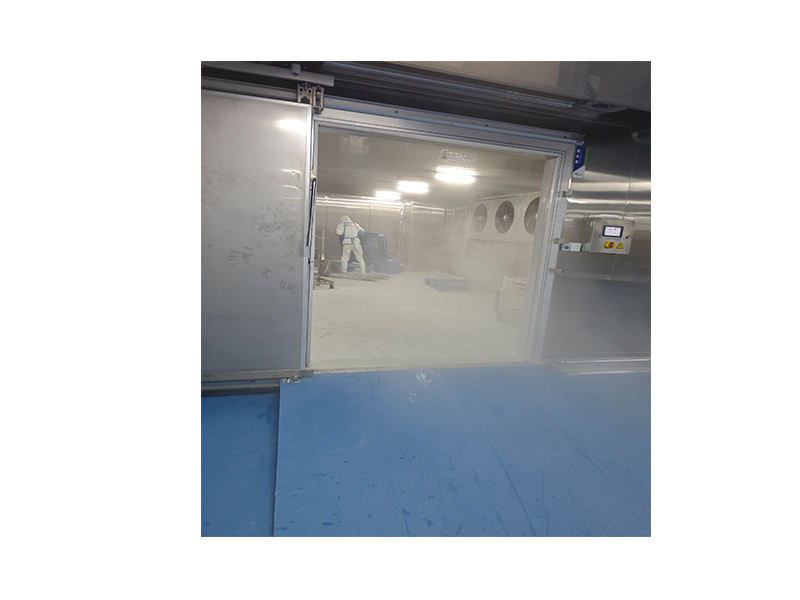
Multi-zone layouts are especially useful for factories that run freezing, packaging, and storage in one flow. A French fries processing project in Egypt used separate blast freezing, packaging, and frozen storage zones to move product from line to holding without breaking temperature. The modular approach supported staged commissioning in a hot climate.
Multi-zone planning is critical when production moves from blast freezing to packaging and then to frozen holding. <Egypt French Fries Cold Storage Project> shows how this worked in a hot-climate processing plant.
Core Technical Decisions for a Modular Freezer Room
Insulation and Airflow
For -18°C to -25°C freezer holding, panel thickness, floor insulation, and door type should be matched to the room's internal temperature and the site's ambient conditions. Cold air distribution should be designed so that return air reaches the evaporator without short-circuiting. A floor-mounted or ceiling-mounted air cooler can work well if the room layout and product stack height are considered up front.
Refrigeration Package
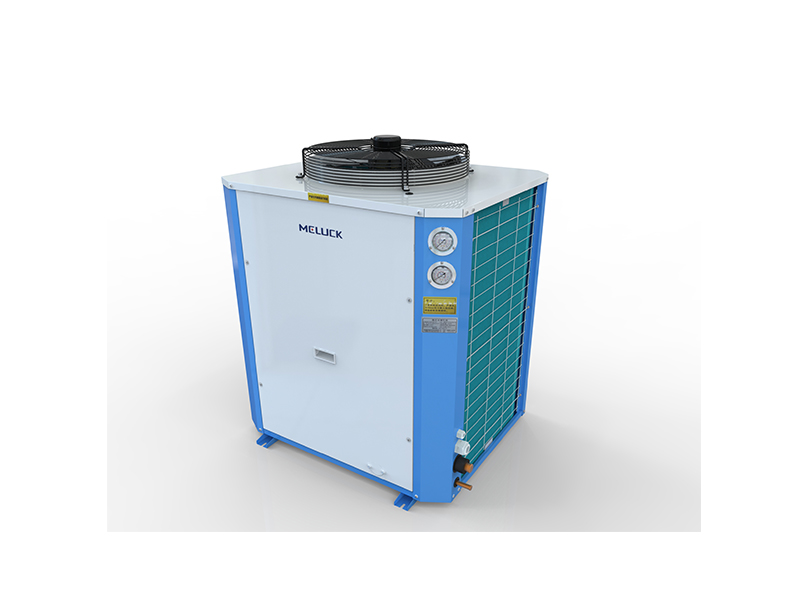
The refrigeration package should be sized for room volume, product load, pull-down time, and door traffic. MELUCK freezer room refrigeration options range from compact condensing units for smaller rooms to 50HP and parallel configurations for larger industrial spaces. For food processing facilities in 60Hz power regions, the motor and controls should be specified for 60Hz operation. EN 378 [3] sets the safety and environmental requirements for the refrigeration system, including refrigerant containment and pressure protection.
For facilities where freezer failure can halt production or spoil inventory, reliability planning should sit inside the equipment selection stage, not after installation.
Reliability planning is most effective when it happens during equipment selection, not after commissioning. <Refrigeration System Reliability for Critical Cold Rooms> covers the system choices that keep mission-critical rooms running.
Door and Access Design
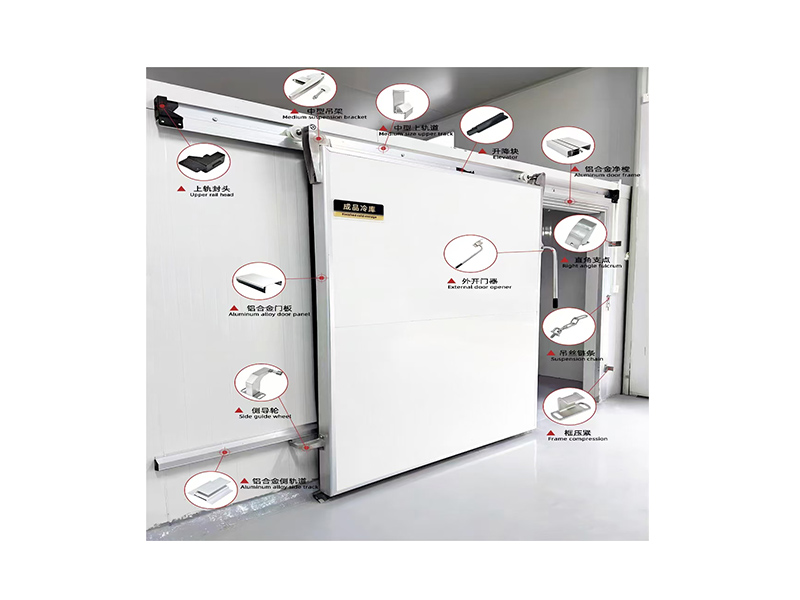
A manual sliding door is common in modular freezer rooms because it uses wall space efficiently and can be sealed tightly. The door frame, heater wire, and threshold should be specified for freezer conditions to avoid ice build-up and poor closing.
Installation and Site Readiness
A modular freezer room still requires a prepared base, stable electrical supply, drainage for defrost water, and adequate ventilation for the condensing unit. The site should be surveyed before panel production so that door positions, pipe routings, and electrical points are fixed early. Pre-installation readiness is often the difference between a clean assembly and a delayed commissioning.
Need a modular freezer room matched to your production line? Send the target holding temperature, room dimensions, and daily product throughput to meluck@meluckcooling.com or call +8617369893087 for a technical review and a phased deployment schedule.
Food Safety Documentation and Regulatory Alignment
A modular freezer room should be designed to support audit documentation. Temperature monitoring, alarm thresholds, defrost logs, and cleaning records should be available in a format that matches the facility's food safety management system. Codex Alimentarius [4] provides general principles of food hygiene that apply to storage and temperature control. Regulation (EC) No 852/2004 [5] requires food business operators to maintain the cold chain and keep the room in a condition that prevents contamination.
Smart controllers and remote monitoring can simplify record keeping by logging temperature continuously and sending alarms when the room drifts outside the set range. These records are particularly important for exporters and contract processors that face third-party audits.
Plan Your Modular Freezer Room Deployment
Before contacting an engineer, prepare the following information:
- Target room temperature and product type
- Required storage volume or pallet positions
- Daily throughput and pull-down requirement
- Available site dimensions, floor condition, and power supply
- Ambient climate and altitude
Send the prepared details to meluck@meluckcooling.com or call +8617369893087 to schedule a site review and receive a deployment plan with equipment matching.
Frequently Asked Questions
How fast can a modular freezer room be installed?
Installation speed depends on site readiness, room size, and refrigeration configuration. With a prepared base and standard panels, many projects move from delivery to pull-down in days rather than weeks because most fabrication is completed in the factory.
What temperature should a modular freezer room maintain?
Long-term frozen storage is commonly held at -18°C or lower. Products such as high-fat seafood, ice cream, or long-term export stock may require -25°C or lower. The target should be set based on product requirements and expected storage duration.
Can a modular freezer room be expanded or relocated later?
Yes. The panel system can often be disassembled and reconfigured if the joints and door openings are standard. Expansion usually requires adding panels and matching a larger refrigeration unit to the new room volume.
Does a modular freezer room meet food safety audit requirements?
It can if temperature records, alarms, cleaning protocols, and maintenance logs are correctly maintained. The room should be operated within the facility's ISO 22000 [1] framework and comply with applicable food hygiene regulations such as Regulation (EC) No 852/2004 [5].
What site preparation is needed before installation?
The site should have a level and insulated floor, the right electrical supply, a drainage path for defrost water, access for panel and equipment delivery, and adequate ventilation for the condensing unit.
References
[1] ISO 22000:2018, Food safety management systems - Requirements for any organization in the food chain, International Organization for Standardization, 2018.
[2] ASHRAE Handbook - Refrigeration, American Society of Heating, Refrigerating and Air-Conditioning Engineers, 2022.
[3] EN 378-1:2016, Refrigerating systems and heat pumps - Safety and environmental requirements, European Committee for Standardization, 2016.
[4] Codex Alimentarius, Recommended International Code of Practice: General Principles of Food Hygiene, CXC 1-1969, rev. 2020.
[5] Regulation (EC) No 852/2004 of the European Parliament and of the Council on the hygiene of foodstuffs, 2004.
If you're interested, check out these related articles:
Seafood Export Blast Freezer: IQF Standards and Rapid Freeze
Cold Room Project Morocco: Citrus and Seafood Cold Chain
Egypt French Fries Cold Storage Project
Why Meluck Stocks 60Hz Condensing Units for Global Cold Rooms
Cold Room Project in Nigeria: 60Hz Equipment for Hot Climate
With over 15 years of experience as a MELUCK refrigeration engineer, I specialize in the design of cold storage, chillers, ice makers, and cold chain energy-saving systems, providing technical support to distributors and engineering companies worldwide.

meluck