
Chiller Room Manufacturer for Food Industry: What to Look For
Food processors, seafood exporters, meat plants, and cold chain distributors rely on chiller rooms to hold fresh products safely between production, packing, and dispatch. The decision goes beyond the insulated box. The manufacturer behind the panels, doors, refrigeration system, and controls determines whether the room holds temperature during peak load, cleans up properly after sanitation, passes a food safety audit, and remains serviceable in a demanding market. This guide sets out the technical evidence buyers should review before selecting a chiller room supplier for food industry applications.
Match the Temperature Duty to Food Safety, Not Just the Brochure
Chiller rooms are generally specified for positive-temperature holding, often 0°C to +8°C for fresh produce, dairy, meat, beverages, and prepared foods. However, air temperature setpoint is not product temperature. In a high-risk food environment, auditors look at cold holding limits and temperature recovery after door openings, not just the nominal design range printed on the unit.
The U.S. Food Code requires time/temperature control for safety foods to be held at 41°F (5°C) or below [1]. EU food hygiene rules require food business operators to maintain the cold chain at levels that do not create a risk to health, with specific conditions justified within the HACCP plan [2]. A manufacturer with food industry experience should therefore ask about incoming product temperature, daily throughput, door traffic, ambient design temperature, and target food safety scheme before quoting a room.

Ask for a heat load calculation that covers product load, respiration heat, infiltration, lighting, personnel, and defrost. A supplier that sizes only by floor area is guessing. The chiller room should also be tested for pull-down and recovery performance, not simply switched on.
Evaluate Manufacturing Depth, Not Trade-Only Sourcing
A factory that controls panel production, door fabrication, and refrigeration assembly can manage fit, sealing, and quality better than a trading company that buys components from multiple sources. For food industry projects, that control matters because panel joints, door alignment, and coil mounting all affect hygiene and air leakage.
MELUCK operates a production base covering 130,000 square meters with standardized panel production, refrigeration assembly, and inspection processes. That type of manufacturing depth supports a traceable specification from panel core to condensing unit, which is more useful than a generic equipment list when the room must pass an import inspection or customer audit.
Audit Panels, Doors, and Refrigeration Components Together
Panel selection is a systems decision, not a commodity purchase. Chiller room panels need adequate thickness for the temperature difference, a reliable tongue-and-groove or cam-lock joint, and hygienic internal liners. PIR panels generally provide better fire performance and thermal stability than lower-density PUR panels, which matters in food factories with escape routes and adjacent production areas. For food-grade construction, specify PIR cold room panels with cleanable surfaces and proper joint sealing.
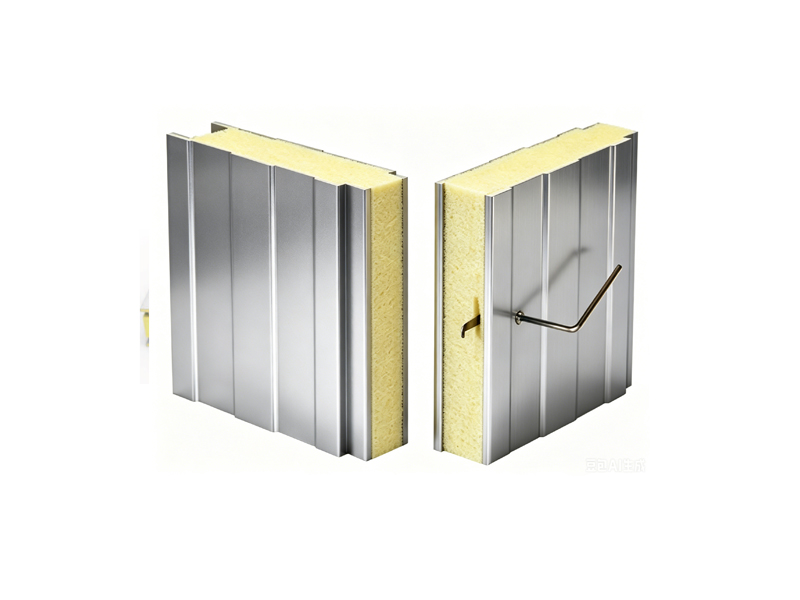
Doors are a common failure point. A heavy-duty manual sliding door with replaceable gaskets, a correct cold room frame, and a clear maintenance plan prevents infiltration at the threshold. Avoid lightweight domestic-style doors on a production room that will see frequent traffic.

The refrigeration side must then be matched to that envelope. A condensing unit sized only by room volume, without accounting for warm product pull-down and high ambient conditions, will run longer and recover temperature more slowly. In a chiller room, the evaporator and condensing unit should be selected together with the room load and door schedule. A medium-temperature Bitzer reciprocating condensing unit is one example of the component class commonly used in food industry chiller rooms, but the model must match the calculated duty, not the seller's default package.
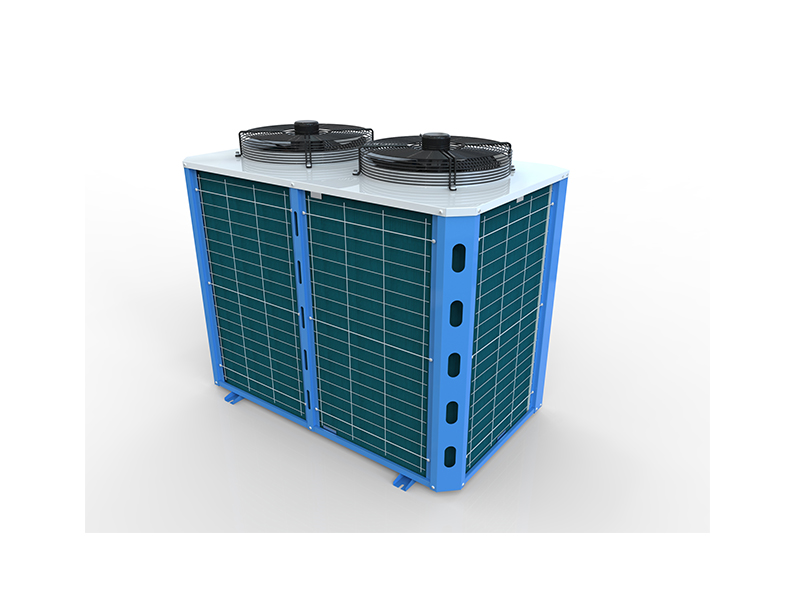
Food industry buyers reviewing panel choices should confirm fire rating and insulation requirements before signing. <Cold Room Panel Fire Rating: PIR vs PU Commercial Compliance> covers how PIR and PUR differ in commercial fire and thermal performance.
If the project includes a small or medium chiller room with frequent deliveries, door and clearance planning becomes part of the same technical review. <Walk-In Cooler Sizing and Installation for Convenience Store> covers practical sizing and installation checks that also apply to food service rooms.
Hygiene, Drainage, and Cleanability Requirements
Food premises must permit good hygiene practices, including protection against contamination and adequate cleaning facilities [2]. The HACCP approach requires hazards to be controlled at process points, and the chiller room is one of those points [3]. In practice, that means the room must be cleanable, drainable, and resistant to the sanitation chemicals used in the facility.
Specify a food-grade internal liner, such as stainless steel or an approved hygiene-grade panel surface, in wet zones. Wall-to-floor junctions should be coved, and exposed insulation should be sealed. The floor should slope to a drain so wash water cannot pool under pallets or racks. Evaporator drain pans, door gaskets, and internal light fittings should also be rated for washdown exposure.
If you are comparing manufacturers, send the target product mix, room dimensions, ambient climate, power supply, and sanitation method to meluck@meluckcooling.com for a technical selection review that includes hygiene details.
Documentation and Compliance Evidence
A food industry chiller room should arrive with more than a commercial invoice. Ask for the compliance package before production starts. Refrigeration systems in commercial use should meet relevant safety and environmental requirements, including those described in EN 378 [4]. Food safety management systems in the supply chain are addressed by ISO 22000 [5], and the manufacturer should be able to explain how its equipment supports your HACCP or export audit.
| Documentation | What It Demonstrates |
|---|---|
| Heat load and component selection report | The room was sized for product load, not floor area |
| Panel fire test and core specification | Insulation safety and thermal performance |
| Door and gasket drawings | Air leakage control and maintenance access |
| Condensing unit and evaporator schedule | Matched refrigeration duty |
| Electrical and control documentation | Safe operation and alarm functions |
| Cleaning and material statement | Suitability for food zone sanitation |
Request the specific standards and test reports relevant to the destination market. A supplier that cannot explain the compliance basis of its equipment is not yet a reliable partner for a food industry project.
Total Cost of Ownership and After-Sales Readiness
Energy is the largest long-term cost in a chiller room running 24/7, so the buying decision should include compressor type, condenser fan control, defrost strategy, and door discipline. Original compressors with established parts networks can reduce downtime in markets where service support is limited. After-sales readiness matters just as much: ask about supervised installation, commissioning, operator training, local spare parts, and response time for technical support.
MELUCK has more than 50 technicians to support installation and after-sales service abroad, including equipment installation assistance and operator training. For food industry buyers, that support should include a clear handover package with temperature log guidance, alarm response steps, and maintenance schedules.
Start With a Technical Review, Not a Product Quote
Send the following information to your manufacturer, or to MELUCK at meluck@meluckcooling.com or +8617369893087:
- Product type and batch weight
- Required holding temperature and pull-down time
- Room dimensions and door opening schedule
- Ambient climate and power supply
- Site constraints and sanitation method
- Target food safety standard or audit scheme
A manufacturer that can respond with a heat load, component schedule, hygienic layout, and compliance matrix before the commercial order is the one worth shortlisting.
Frequently Asked Questions About Choosing a Chiller Room Manufacturer
What temperature should a food industry chiller room maintain?
A general chiller room often operates between 0°C and +8°C, but high-risk foods may need 5°C or below [1]. The key is to verify product temperature and recovery after door openings, not only the air setpoint.
Is a chiller room the same as a freezer room?
No. A chiller room holds product above freezing, typically for fresh short-term storage. A freezer room operates below freezing, commonly around -18°C to -25°C, for long-term frozen storage.
How do I verify a manufacturer's food industry capability?
Ask for comparable food industry projects, factory audit access, panel and door specifications, refrigeration load calculations, and compliance documentation. Request the contact of a previous food processing buyer where possible.
What panel material is best for a food chiller room?
PIR panels with a food-grade internal liner are often preferred because they offer better fire performance and thermal stability. All internal surfaces should be cleanable, sealed, and compatible with plant sanitation chemicals.
How long does a chiller room project take?
The timeline depends on room size, customization, factory workload, and site readiness. Ask for a milestone schedule from drawing approval through production, shipping, installation, commissioning, and training.
References
[1] U.S. Food and Drug Administration. Food Code 2022. Section 3-501.16, Time/Temperature Control for Safety Food.
[2] European Commission. Regulation (EC) No 852/2004 of the European Parliament and of the Council on the hygiene of foodstuffs. Official Journal of the European Union.
[3] Codex Alimentarius. General Principles of Food Hygiene, CXC 1-1969, Rev. 2020.
[4] European Committee for Standardization. EN 378-1:2016+A1:2020, Refrigerating systems and heat pumps: Safety and environmental requirements.
[5] International Organization for Standardization. ISO 22000:2018, Food safety management systems: Requirements for any organization in the food chain.
If you're interested, check out these related articles:
Condensing Unit Noise Reduction for Cold Room Applications
Cold Room Zoning for Meat Packaging: Condensing Unit Guide
Selecting a Condensing Unit for Tropical Climates
With over 15 years of experience as a MELUCK refrigeration engineer, I specialize in the design of cold storage, chillers, ice makers, and cold chain energy-saving systems, providing technical support to distributors and engineering companies worldwide.

meluck