
Cold Storage for Fishing Ports: Catch-to-Chill Design Guide
Cold storage for fishing ports requires more than a low-temperature room. A catch-to-chill design integrates multiple temperature zones, rapid blast freezing, and flake ice to preserve catch quality from the moment it lands on the dock. Without the right system, valuable seafood can spoil within hours, leading to product losses above 15% and missed export opportunities. I've seen how a properly designed portside cold storage facility can transform a fishery's economics, and this article will walk you through the equipment and design decisions that make it work.
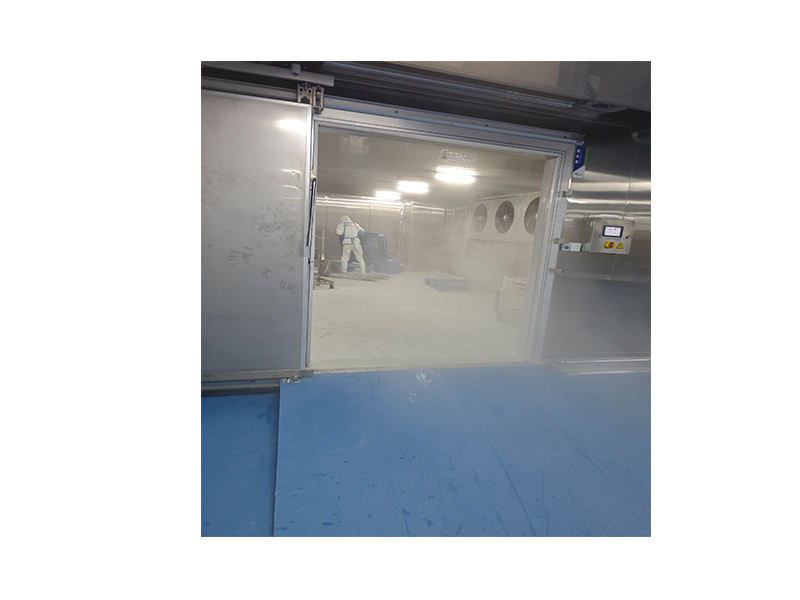
Designing the Catch-to-Chill Temperature Flow
The heart of any portside cold storage system is a temperature zone plan that matches the fish handling process from landing to shipment. A poorly designed flow wastes energy and risks quality.
Reception and Pre-Chill Zone
Freshly landed fish must be sorted and washed in a temperature-controlled area, typically held at 5–10°C. This zone keeps the product cool while workers grade and prepare it for chilling. Insulated sandwich panels with sliding doors minimize cold loss during peak offloading.
Blast Freezing Zone
The core of quality retention is the blast freezer, running at -35°C to -40°C, which quickly pulls the core temperature of the fish below -18°C. Rapid freezing prevents large ice crystals from damaging cell structure, preserving texture and moisture. I've seen blast freezers sized at 7x5x4 meters with 40HP Bitzer compressor units capable of freezing several tons per batch.
Frozen Storage and Dispatch
After freezing, the product moves to a long-term freezer room kept at -20°C to -25°C. Efficient airflow from industrial ceiling evaporators ensures uniform temperature. A separate ice storage room at -10°C holds flake ice for re-icing shipments or additional processing.

Key Refrigeration Equipment for Portside Cold Storage
Selecting the right components is what separates a reliable system from one that fails during peak season. For a fishing port, the equipment must handle high humidity, salt, and continuous operation.
| Application | Temperature Range | Recommended Compressor HP |
|---|---|---|
| Chiller/Pre-Chill | 0 to +10°C | 4HE-18Y (18HP) to 4GE-23Y (25HP) |
| Freezer Storage | -18 to -25°C | 6GE-34Y (34HP) or larger |
| Blast Freezer | -35 to -40°C | 40HP to 125HP depending on daily load |
| Ice Storage | -10°C | 7HP to 15HP |
These figures assume standard panel insulation and moderate ambient temperatures. For tropical ports, oversizing by 15–20% is wise. Bitzer semi-hermetic reciprocating compressors are my go-to for port projects because of their durability in coastal environments.
Air Coolers and Evaporators. DD-series high-delta-T evaporators are designed for freezer rooms, while DL-series suits chillers. The right air throw prevents hot spots and frost buildup.
Insulation and Doors. PIR panels with a B1 fire rating offer better thermal performance and fire safety than standard PUR, especially in public port facilities. Heavy-duty sliding doors with aluminum tracks withstand frequent forklift traffic.
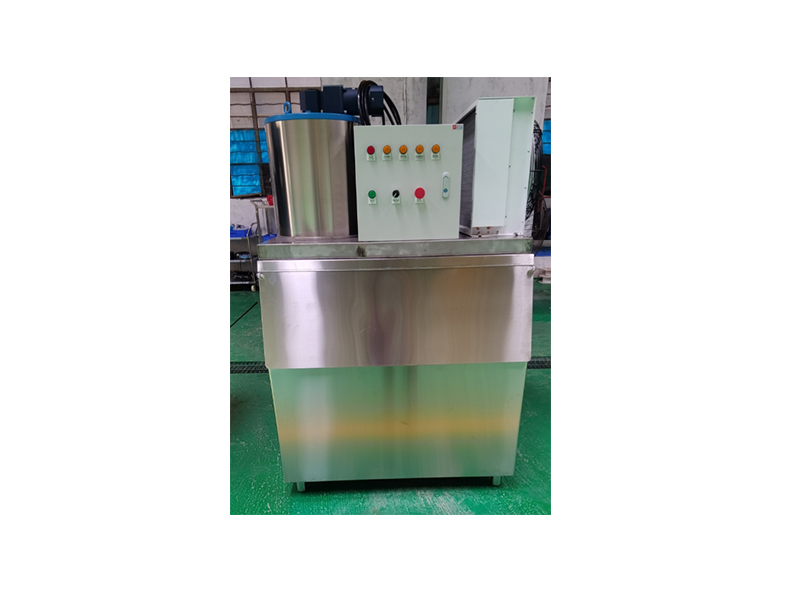
Integrating Flake Ice into the Cold Chain
Flake ice is far more than a convenience at a fishing port—it protects quality at every stage. Thin, dry flakes cover the fish surface rapidly, chilling it without bruising, and the ice maintains humidity during transport. In the Ecuador Manta project, a 10-ton/day flake ice machine supported the entire processing line, feeding ice directly to the sorting and packing areas. For a port handling 20 tons of catch per day, I typically recommend a 5-ton/day machine with an ice storage room to buffer peak demand. The ice can be transported by conveyor or blown via hose to the docks.
Sizing flake ice capacity requires balancing peak catch volumes with storage capabilities. If your port's daily catch exceeds 15 tons, confirm the ice consumption rate with a refrigeration engineer before specifying the machine. Reach out to us at meluck@meluckcooling.com to match your throughput to the right ice system.
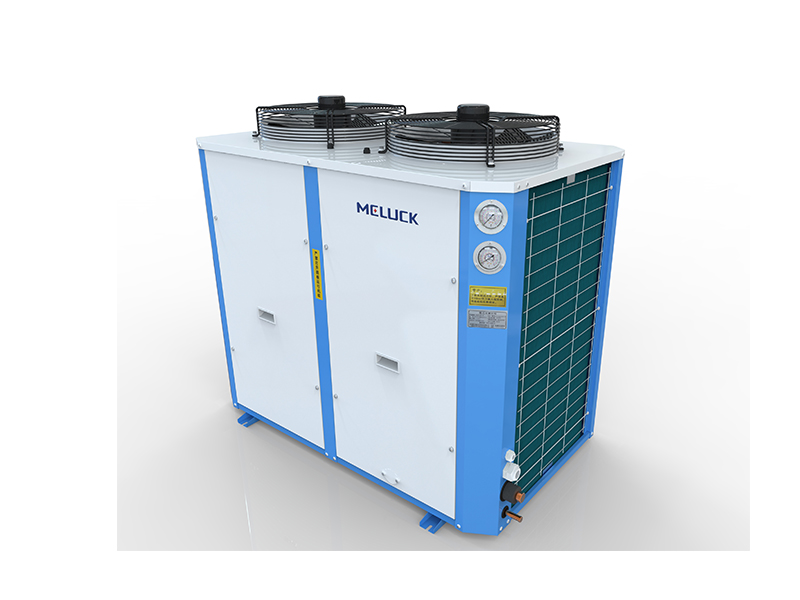
Overcoming Coastal Environment Challenges
Building cold rooms steps from salt water brings unique headaches: corrosion, high humidity, and potential power fluctuations. I've learned a few hard-earned lessons.
- Corrosion Protection: Specify condenser coils with coated fins and copper tubes. Stainless steel hardware on doors and panel frames resists pitting. All external electrical connections need IP65 or better enclosures.
- Humidity Control: In tropical harbors, moisture can condense inside panels and degrade insulation. Use vapor barrier facings on panels and ensure airtight assembly with cam-lock or tongue-and-groove joints.
- Power Reliability: Ports may experience voltage drops from heavy equipment. Install a voltage phase protection relay and consider a backup generator with automatic transfer for the blast freezer circuit. A sudden defrost cycle failure can ruin a whole batch.
Regular maintenance is mandatory; schedule quarterly coil cleaning to remove salt buildup and check compressor oil. These preventative steps extend the system's life beyond 10 years even in aggressive environments.

A Proven Portside Cold Storage Design: The Manta, Ecuador Project
Theory only goes so far. Let me walk through a real installation that we completed in Manta, a major fishing port in Ecuador. The client, a seafood exporter, needed to cut product loss rates that were approaching 15% and meet international export standards.
The system we built included:
- Three blast freezer rooms at -35°C, each 7x5x4 meters with dedicated Bitzer 40HP units.
- A 14x12x6 meter frozen storage room at -18°C with a 30HP condensing unit.
- An ice storage room at -10°C using a 7HP compressor.
- A large processing room held at 5–10°C for sorting and packing, served by a 25HP unit.
- A 10-ton/day flake ice machine providing continuous supply.
The entire facility used genuine Bitzer compressors and high-efficiency air coolers, which have handled the coastal heat and humidity without issues. Post-installation, product spoilage dropped below 4%, and the exporter secured orders from European buyers who previously rejected shipments.
This project demonstrates that even in challenging port conditions, a well-planned multi-zone design with corrosion-resistant equipment delivers dramatic ROI. The same principles apply whether you're building for tuna, shrimp, or mixed catch.
Building Your Portside Cold Chain
Every port is different, but the foundation of a successful catch-to-chill system is the same: map the product flow, choose coast-tolerant equipment, and size the ice and blast freezing capacity to your daily landing volumes. A system that shortens the time from catch to chill by even an hour can extend shelf life by days and increase market value.
If you're evaluating equipment for a portside cold storage project, outline your requirements with our engineering team. Send your daily catch volume and target export markets to meluck@meluckcooling.com, or call me directly at +8617369893087. We'll return a custom design and equipment list within a few working days.
Common Questions About Fishing Port Cold Storage
What is the typical investment and payback period for a port cold storage facility?
Cost depends on capacity, temperature zones, and site conditions. A small-scale facility with a blast freezer and 50 tons of storage might range from $80,000 to $150,000, while a full multi-zone complex like the Manta project can exceed $500,000. In most cases, the reduction in product loss alone pays back the investment within 2–3 seasons. Cutting spoilage from 15% to 4% on a daily catch of 10 tons can save tens of thousands of dollars annually.
What ongoing maintenance is required for portside refrigeration?
Port systems need more frequent care than inland installations. Expect to clean condenser coils monthly to remove salt spray, check refrigerant pressures quarterly, and inspect door seals for wear. We train on-site technicians during commissioning and provide spare parts lists for consumables like filters and sensors. Having a local refrigeration contractor familiar with Bitzer equipment helps minimize downtime. If your program involves multiple remote sites, confirm maintenance support coverage before finalizing your purchase.
How do I verify a supplier has experience with port cold storage projects?
Look for completed projects in coastal or marine environments, not just generic cold rooms. Request case studies with project photos and client references. Verify that the supplier uses branded compressors (such as Bitzer or Copeland) and can provide installation and commissioning support internationally. MELUCK has built cold storage facilities in over 70 countries, including port-facing food processing plants in Ecuador, Egypt, and Peru. Sharing your site details and species requirements will allow a supplier to propose a truly proven configuration. Share your project specifications and we will confirm the applicable design references and compliance documentation available.
If you're interested, check out these related articles:
Processing Room Solutions for Food Plants - Meluck
Freezer Room Solutions -25C~-18C - Meluck
Chiller Room Solutions -10C~10C - Meluck
Ecuador Multi-Temperature Cold Storage Project - Meluck
Myanmar Potato Seed Cold Storage Project - Meluck
With over 15 years of experience as a MELUCK refrigeration engineer, I specialize in the design of cold storage, chillers, ice makers, and cold chain energy-saving systems, providing technical support to distributors and engineering companies worldwide.

meluck