
Flake Ice vs Block Ice for Seafood Preservation: Which Works Better?
Seafood quality is lost faster than many buyers expect. Once fish or shrimp leave the water, enzymes and bacteria continue working until the product is chilled close to 0°C. U.S. FDA guidance calls for rapid cooling of fish and fishery products to 40°F (4°C) or lower and holding at that temperature [1]. Cooling speed depends heavily on ice type, contact area, and handling.
Flake ice and block ice both have a place in commercial seafood operations, but they solve different problems. A flake ice machine produces thin, dry, subcooled ice on demand. Block ice is typically produced in bulk, stored, and crushed when needed. The right choice depends on catch volume, labor, power supply, holding time, and transport distance.
Why Ice Type Matters in Seafood Preservation
Chilling is the first line of defense in a seafood cold chain. The goal is to move product from ambient temperature to below 4°C as quickly as possible, then keep it there without large temperature swings [1]. Ice type changes both steps.
Fast cooling requires as much ice surface contact with the seafood as possible. Thin flakes wrap around fish, shrimp, and shellfish, filling gaps between product layers. Large blocks do not. They cool slowly unless they are crushed, and crushing creates new handling and product-damage risks [2].
Ice melt rate also matters. Fast-melting ice pulls heat out quickly, but it must be drained and replenished. Slow-melting ice lasts longer, but it may not chill product fast enough for food safety and quality targets if it is not processed into small pieces.
What Is Flake Ice?
Flake ice is made continuously by freezing a thin layer of water onto a cooled drum or plate, then removing it as dry, irregular flakes. Because the flakes are thin, they have a large surface area relative to their weight. FAO fisheries guidance notes that flake ice is especially useful for rapid chilling because it makes close contact with fish and can be produced as subcooled ice several degrees below freezing [2].
For seafood handling, flake ice has several practical advantages. It conforms to product shape, cools quickly, and has no sharp edges that cut or bruise fish. It is also produced on demand, which reduces the need to store large blocks and reduces manual crushing work.
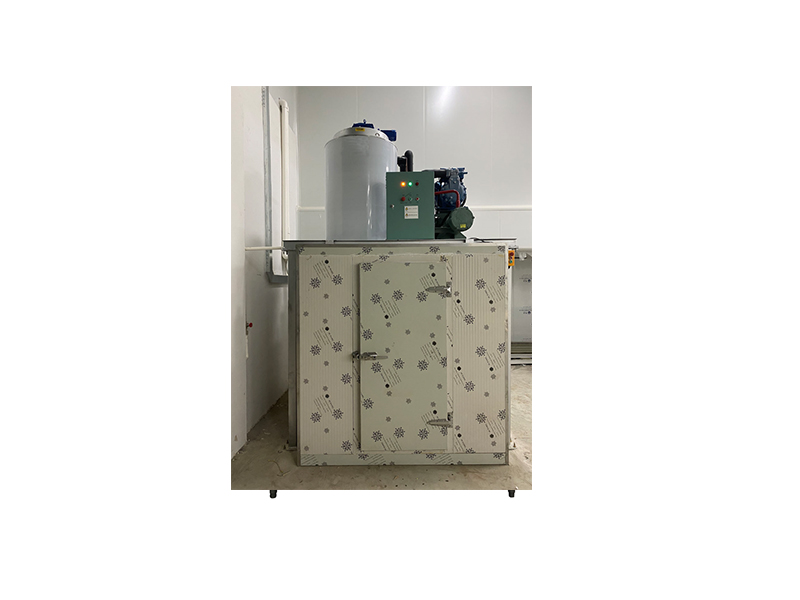
The main limitation is melt rate. Flake ice generally melts faster than compact block ice, especially in warm ambient conditions. That is not always a drawback. In a processing shed or market stall, faster melt means faster heat removal, but it also requires good drainage and a consistent resupply plan.
What Is Block Ice?
Block ice is produced as large, dense blocks, often in cans or large molds, and kept in insulated storage until use. Because the blocks have a smaller surface area relative to their weight, they melt more slowly than flake ice [2]. This makes block ice attractive for long transport, remote locations, and operations where ice may sit unused for hours or days.
The tradeoff is cooling performance. A whole block placed on top of fish cools the product unevenly. To be effective, block ice must be crushed or shaved and ideally tempered with a small amount of water so the pieces are not too sharp. That adds labor, equipment, and time at the landing site or packing station.
Block ice can still work well in low-volume or low-power settings where automatic ice making is not available. It is often stored in bulk and used as a backup during peak landings or power interruptions.
Flake Ice vs Block Ice: A Direct Comparison
| Factor | Flake Ice | Block Ice |
|---|---|---|
| Cooling speed | Fast, high surface contact | Slower unless crushed and tempered |
| Product contact | Conforms around fish and shrimp | Poor with large blocks; better after crushing |
| Damage risk | Low, no sharp edges | Higher after crushing if pieces are sharp |
| Melt rate | Faster, more drainage needed | Slower, longer holding time |
| Labor | Low, produced automatically | High, requires handling and crushing |
| On-demand availability | Continuous production | Depends on stored inventory |
| Typical seafood fit | Landing stations, processing, display, transport | Remote storage, backup, long holding |
The table does not mean one product is universally better. In many seafood operations, both ice forms can coexist. Flake ice handles fast chilling at the point of landing, while block ice serves as a low-cost reserve for long storage or emergency cooling.
Need help deciding between the two? Send your daily catch volume and holding time to meluck@meluckcooling.com for a technical recommendation.
When Flake Ice Is the Better Choice
Flake ice is usually the stronger option when the first priority is rapid chilling. That includes fish landing stations, shrimp and shellfish packing lines, wet fish markets, restaurant seafood counters, and transport boxes where product is packed in ice shortly after harvest [1][2].
Because flake ice is produced continuously, it matches the rhythm of a busy seafood operation. A 5-ton/day flake ice machine, for example, can supply consistent ice for a mid-size processing or landing operation without requiring continuous manual block handling. Smaller units in the 0.5 to 1-ton range suit markets and small boats, while larger 10-ton plants serve industrial processing.
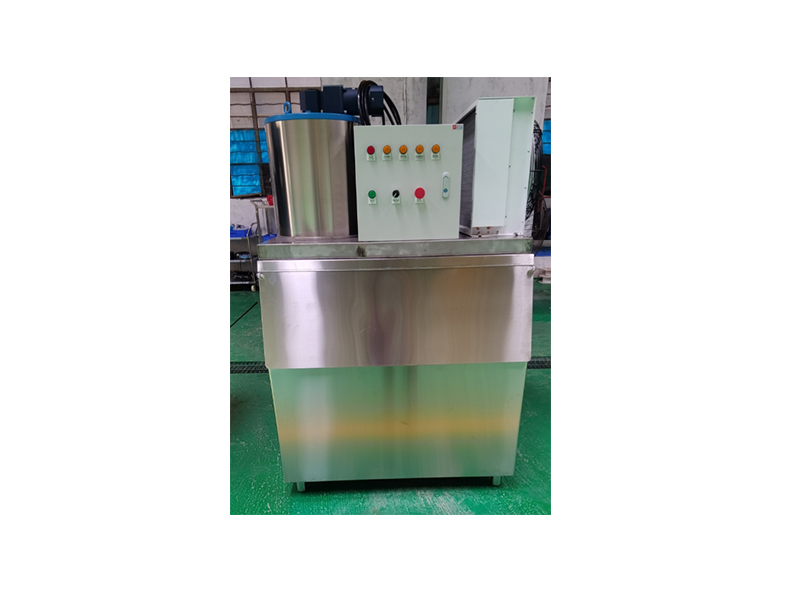
Flake ice often works best when it is integrated into a seafood receiving and chilling line rather than treated as an isolated purchase. <How to Plan a Cold Room Project Philippines for IQF Output> covers capacity and layout planning for seafood processing rooms where rapid chilling and freezing are linked.
Need help matching ice output to your daily catch volume? Contact MELUCK at meluck@meluckcooling.com or +8617369893087 for sizing support.
When Block Ice Makes More Sense
Block ice becomes more practical when ice melt rate and storage life matter more than rapid cooling. Remote landing sites without reliable electricity, long-distance transport in insulated boxes, and emergency backup situations often favor block ice because it can be produced in advance and stored for later use.
If block ice is used on fish, it should be crushed and tempered before packing. Crushing increases surface area, but sharp pieces can tear skin and accelerate quality loss. Adding a small amount of water and allowing the crushed ice to temper reduces sharp edges and improves product contact [2].
In coastal seafood chains, cold storage design must support the icing step instead of working against it. <Cold Room Project Morocco: Citrus and Seafood Cold Chain> covers multi-zone cold chain planning for seafood and produce handling.
Selecting the Right Ice System for Your Seafood Operation
Start with daily peak catch volume, not average volume. Peak landings set the ice capacity requirement because that is when slow cooling and ice shortages cause the most damage. Estimate how many kilograms or tons of seafood must be chilled within the first two hours after landing, then match ice production to that duty.
Consider these factors:
- Catch volume and species mix: small fish and shrimp need more even ice contact; large fish may need belly icing or slurry ice.
- Holding time before sale or processing: shorter holding favors flake ice; longer or uncertain holding may benefit from a block ice reserve.
- Power supply: flake ice machines need continuous power and clean water; block ice can be produced off site or during off-peak periods.
- Labor: fish handlers are not ice handlers. Automatic flake ice production reduces crushing labor and speeds up packing.
- Hygiene: ice must be produced from potable water and handled with clean shovels, bins, and storage. The Codex Code of Practice for Fish and Fishery Products sets hygiene expectations for ice used in fish handling [3].
- Drainage: fast-melting ice needs floor drainage to prevent meltwater pooling and cross-contamination.
For seafood processors moving into frozen product, the ice step should be planned together with cold storage and freezing capacity.
`
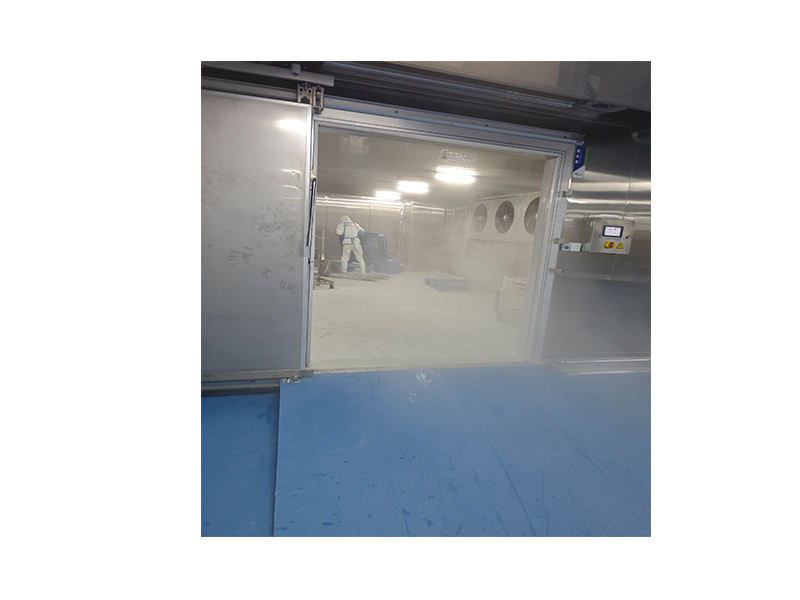
Operators moving into frozen seafood or blast freezing need the icing step integrated with storage, not treated as a separate decision. <Freezer Room Solutions -25C~-18C> covers low-temperature storage configurations that extend shelf life after initial chilling.
For help converting these factors into equipment specifications, email meluck@meluckcooling.com.
Plan a Seafood Ice System That Protects Quality
Ice selection is rarely a standalone purchase. It works with receiving bins, insulated storage, drainage, and the cold room or freezer room that follows. Send your daily catch volume, target holding temperature, and available power supply to meluck@meluckcooling.com or call +8617369893087. A technical engineer can help size the flake ice machine, ice store, and cold chain equipment around your actual landing and processing flow.
Frequently Asked Questions
Which ice melts faster, flake ice or block ice?
Flake ice generally melts faster because its thin shape exposes more surface area to the surrounding product and air. That rapid melt rate helps pull heat out of seafood quickly, but it also requires drainage and a steady resupply [2].
Can block ice be used directly on fish?
Using large blocks directly on fish is not recommended. The contact area is small, so cooling is slow and uneven. Block ice should be crushed and tempered to create smaller pieces before it is packed with fish or shrimp [2].
What temperature should seafood be kept at in ice?
U.S. FDA guidance calls for rapid chilling of fish and fishery products to 40°F (4°C) or lower and holding at that temperature [1]. EU rules require fishery products to be kept at a temperature approaching that of melting ice, generally between 0°C and 4°C [4].
Is flake ice food safe for direct seafood contact?
Yes, when it is produced by a food-grade stainless steel machine using potable water and handled with clean utensils and storage. Ice that contacts seafood must meet the same hygiene standards as other food-contact surfaces [3][4].
How do I choose between a flake ice machine and a block ice plant?
Compare daily peak catch volume, required cooling time, holding time, labor availability, and power reliability. Flake ice suits fast, continuous chilling in active seafood operations. Block ice suits remote storage, backup supply, and longer holding where lower melt rate is more valuable.
References
[1] U.S. Food and Drug Administration, "Fish and Fishery Products Hazards and Controls Guidance," 4th ed., 2021. [Online]. Available: https://www.fda.gov/food/seafood-guidance-documents-regulatory-information/fish-and-fishery-products-hazards-and-controls-guidance
[2] J. Graham, W. A. Johnston, and F. J. Nicholson, "Ice in Fisheries," FAO Fisheries Technical Paper No. 331, Rome, 1992. [Online]. Available: https://www.fao.org/4/T0713E/T0713E00.htm
[3] Codex Alimentarius, "Code of Practice for Fish and Fishery Products," CXC 52-2003. [Online]. Available: https://www.fao.org/fao-who-codexalimentarius/codex-texts/codes-of-practice/en/
[4] European Union, "Regulation (EC) No 853/2004 laying down specific hygiene rules for food of animal origin," Official Journal of the European Union, L 139, 30 Apr. 2004. [Online]. Available: https://eur-lex.europa.eu/eli/reg/2004/853/oj
If you're interested, check out these related articles:
Cold Storage for Nuts & Dried Fruits: Prevent Rancidity & Mold
Date Palm Cold Storage: Temperature and Humidity for Long-Term Preservation
Seafood Supermarket Cold Room: Design and Equipment Guide
Processing Room Solutions for Food Plants
With over 15 years of experience as a MELUCK refrigeration engineer, I specialize in the design of cold storage, chillers, ice makers, and cold chain energy-saving systems, providing technical support to distributors and engineering companies worldwide.

meluck