
Commercial Cold Room Installation Cost: What Drives the Price
Commercial cold room installation cost is not a fixed price per square meter. It is the result of several connected choices: room size, temperature class, panel thickness, refrigeration equipment, site access, and who performs the installation. A small +5°C chiller under a restaurant kitchen has little in common with a -35°C blast freezer for export processing, even when both are called cold rooms. The practical way to control the budget is to compare line-item quotes covering the complete installed scope, not just the equipment list. The most expensive project is often the one where missing electrical work, access equipment, or commissioning appears as a change order after the contract is signed.
What Makes Up a Commercial Cold Room Installation Quote
An installation quote should be built as a line-item estimate, not as a single number. The envelope includes insulated panels, corners, floor or ceiling options, and doors. Refrigeration includes condensing units, evaporators, controllers, refrigerant piping, and defrost. Electrical work covers supply wiring, breakers, lighting, alarms, and sometimes backup power. Mechanical installation includes assembly, pipework, drainage, supports, and pipe insulation. Freight, import duties, and local transport are part of the delivered cost.
| Cost category | What it usually includes | Why it changes the price |
|---|---|---|
| Insulated envelope | PU or PIR panels, corners, floor and ceiling options, doors | Temperature class, panel thickness, and fire rating |
| Refrigeration package | Condensing unit, evaporator, controller, piping, defrost | Product load, pull-down time, and ambient design |
| Electrical scope | Supply cable, breaker, lighting, controls, alarms | Distance from the panel and backup power needs |
| Mechanical installation | Panel assembly, pipework, supports, drainage, insulation | Site access, ceiling height, and handling equipment |
| Site preparation | Level base, curbs, drainage, weather protection | Indoor or outdoor location and floor condition |
| Freight and duties | Export packing, shipping, customs clearance, local transport | Destination country and project access |
Many equipment suppliers quote only the panels and refrigeration package. A contractor quote may include labor, site handling, and commissioning. When those items are missing, the lower price is not a saving; it is an incomplete scope.
Why Room Size and Temperature Class Drive the Price
Room size changes panel area, floor area, and cooling load. A larger room needs more panels, more door surface, and a larger refrigeration system, but the cost does not increase in a straight line with floor area. The temperature class is often the larger driver. A +4°C chiller can use a medium-temperature condensing unit and a lighter panel package. A -25°C freezer needs thicker insulated panels, heated door seals, more defrost capacity, and a low-temperature compressor. For blast freezing at -35°C, the system moves from storage cooling to rapid heat removal, which increases compressor horsepower and evaporator airflow.
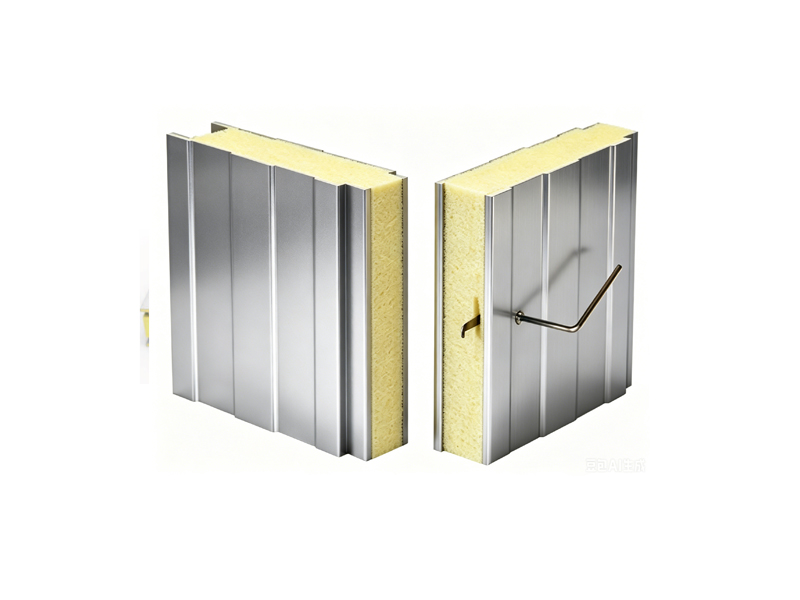
The supplied product range separates systems into chiller rooms at 0°C to +8°C, freezer rooms at -18°C to -25°C, and blast freezer rooms at -30°C to -40°C. Panel choice follows the same logic. PUR panels use high-density polyurethane foam for standard prefabricated cold rooms. PIR panels can carry a B1 fire rating and higher insulation performance for freezer or fire-sensitive builds.
In a supplied Egyptian French fries project, the -35°C blast freezer used a 125HP Bitzer system, while the packaged product storage at -20°C used 75HP systems. The difference reflects the pull-down load and holding temperature, not only the room volume. Buyers should specify both the holding temperature and the required pull-down time before comparing prices.
How Refrigeration Equipment and Ambient Conditions Affect the Budget
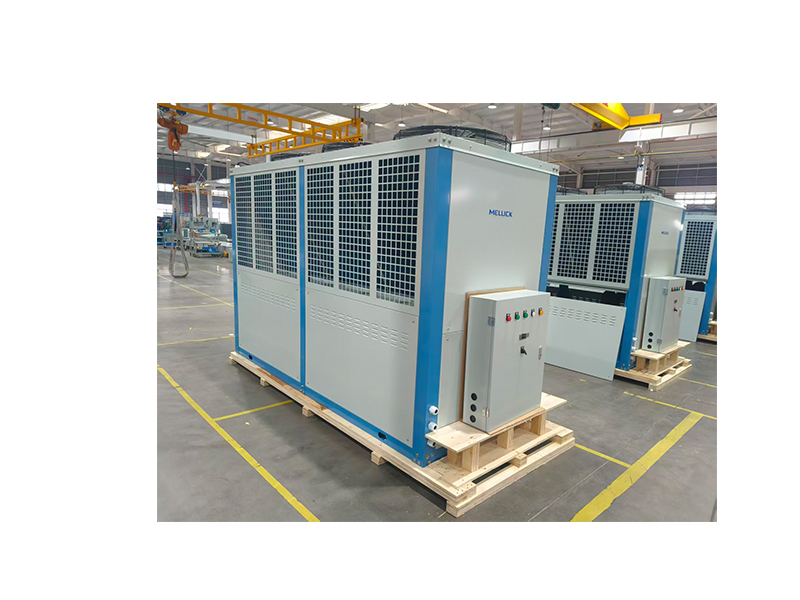
The same room dimensions can receive very different refrigeration quotes. A condensing unit must reject heat into the surrounding air. In a hot climate or a poorly ventilated plant room, the compressor, condenser coil, and controls are sized for a higher ambient design temperature. A 60Hz power supply or a specific voltage can also change the motor or panel package. For remote or tropical sites, corrosion protection and high-ambient coils add cost. A moderate climate and a simple medium-temperature room allow smaller equipment.
Compressor brand and configuration also matter. The product library includes Copeland scroll units from 2HP to 30HP, Bitzer reciprocating units from 3HP to 50HP, and Bitzer screw units for large low-temperature storage. The appropriate choice is not the cheapest unit; it is the unit matched to the calculated load and the site conditions.
Evaporator selection follows the room temperature and humidity target. A chiller room may use a standard DL or DD series air cooler, while a freezer room needs larger fin spacing and longer defrost. The condenser and evaporator are priced as a pair because an undersized component moves the problem elsewhere.

High ambient temperatures and local site constraints can push the final installed cost well above the equipment-only price. <Cold Room Projects in Mexico: Food Processing Cold Storage> covers how food processing cold storage projects are scoped and configured for market conditions.
Site Preparation, Electrical Scope, and Access Costs
Site conditions often change the installation cost more than equipment specification. The condensing unit needs a level base, good airflow, and safe service access. Indoor rooms need a clean, level floor and enough ceiling height for panel assembly. Outdoor or rooftop equipment may need steel supports, weather protection, and longer refrigerant piping. If the site is at the back of a building, lifting gear or manual handling can add labor.
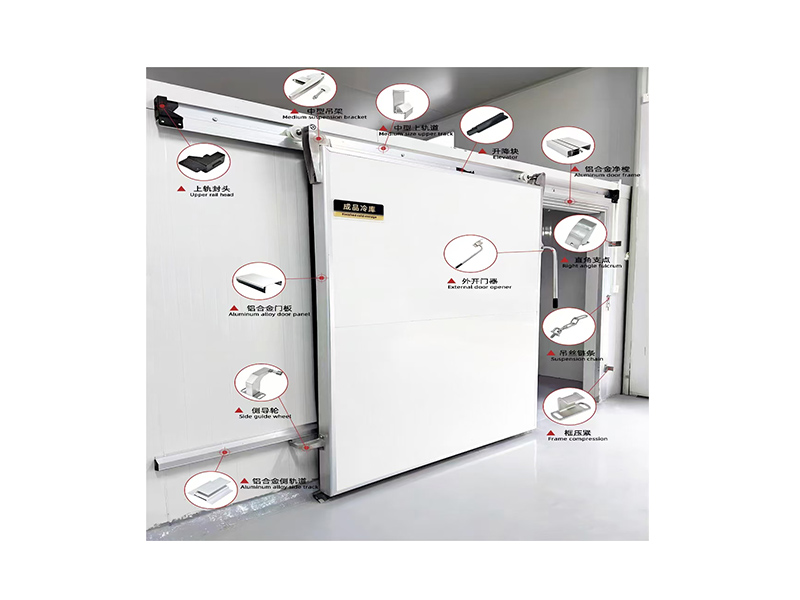
Electrical work is another common source of cost differences. The quote should state who supplies the breaker, cable, disconnect switch, lighting, and temperature alarm. A long cable run from the main panel, a generator changeover switch, or a three-phase supply requirement changes both materials and labor. Doors also affect the thermal design and the installation sequence. A manual sliding door is one of the most common options for medium and large openings, and it must still account for track support and proper sealing.
How to Compare Turnkey and Separate Trade Quotes
A turnkey quote combines design, panels, refrigeration, installation, commissioning, and training. A separate-trade approach lets the buyer appoint a local contractor, but the buyer becomes the project coordinator. The lower initial offer can be misleading. For a food export project, a separate-trade purchase can also split responsibility when commissioning or cold room performance fails.
A turnkey supplier will usually itemize the envelope, refrigeration, electrical scope, freight, and commissioning. For example, a MELUCK turnkey quotation includes panel production, Bitzer refrigeration equipment, installation, commissioning, and operator training. A separate purchase may quote only panels and a condensing unit, leaving pipework, electrical connection, and start-up testing outside the first budget.
Payment structure also belongs in the budget conversation. A buyer with limited upfront capital may prefer a staged payment or lease arrangement, provided the equipment list and completion milestones remain clear.
When a buyer is comparing cash purchase with staged payment, the financing terms affect the final cash flow as much as the equipment list. <Cold Storage Financing in Emerging Markets: Leasing Guide> covers leasing and installment models that help emerging market buyers manage the upfront cost of a cold room.
How to Request a Comparable Installation Budget
A useful quotation request should include the room duties, dimensions or product quantity, holding temperature, pull-down time, ambient temperature, power supply, site access, and required standards. The following checklist reduces the chance of hidden exclusions.
- Internal room dimensions, or product type and daily throughput
- Required holding temperature and humidity target
- Pull-down time for incoming product
- Ambient design temperature and power supply voltage or frequency
- Indoor or outdoor installation, floor condition, and access route
- Door type, opening size, and traffic pattern
- Required certifications or fire-rating notes
- Delivery port and incoterm for imported equipment
Compare line items, not totals. Ask for separate panel, refrigeration, electrical, installation, freight, and commissioning amounts. That way a lower quote can be understood as a smaller compressor, a thinner panel, or an excluded wire run.

Plan Your Cold Room Budget With a Line-Item Quotation
Send the room dimensions, target temperature, product type, daily throughput, power supply, and site access details. MELUCK will prepare a line-item proposal covering panels, doors, refrigeration, electrical scope, installation, commissioning, and freight so you can compare the complete installed cost instead of equipment price alone. Email meluck@meluckcooling.com or call/WhatsApp +8617369893087.
FAQ
Why is there no standard cost per square meter for cold rooms?
Because cooling load is based on product type, incoming temperature, pull-down time, ambient conditions, and room temperature rather than floor area alone. A freezer holding frozen goods uses a smaller cooling load than a blast freezer pulling warm product down quickly. Two rooms of the same size can require different panel thicknesses, compressor horsepower, air coolers, and electrical supplies. A square-meter rate is useful only as a rough pre-qualifying range, not as a contract price.
Does the installation quote include refrigeration equipment?
It depends on the supplier. A turnkey quote normally includes panels, doors, refrigeration units, piping, electrical connection, installation, commissioning, and training. An equipment-only quote may cover panels and condensing units, leaving assembly and electrical work to the buyer. Before comparing, ask for a written cost breakdown and a scope of supply list. If refrigeration or electrical items are excluded, add them to the comparison rather than treating the lower number as a saving.
What causes two suppliers to quote very different prices?
Usually scope, equipment size, panel thickness, and assumptions. One supplier may quote a medium-temperature scroll unit while another includes a larger low-temperature Bitzer reciprocating system for the same room. Differences can also come from panel fire rating, floor insulation, door type, cold-climate accessories, commissioning, and installer travel. Request the same performance specification from each supplier and compare the line items, not only the total.
Can I reduce installation cost by buying panels and equipment separately?
Sometimes, but the saving is not automatic. The buyer takes on coordination, missing small parts, and installation risk. If the local contractor understands cold room sealing and refrigeration commissioning, separate purchase can work for simple rooms. For blast freezers, export compliance, or remote sites, a turnkey scope usually protects the warranty and project outcome. The practical test is whether one party accepts responsibility for the final room performance.
If you're interested, check out these related articles:
Cold Room Project in Myanmar for Tomato and Tropical Fruit
Cold Room Solutions for Argentina Beef Processing and Export
Temporary Refrigeration for Food Trade Show: Practical Guide
Cold Storage Project ROI: A Practical Financial Evaluation
Cold Room Project Saudi Arabia: High Ambient Gulf Design
With over 15 years of experience as a MELUCK refrigeration engineer, I specialize in the design of cold storage, chillers, ice makers, and cold chain energy-saving systems, providing technical support to distributors and engineering companies worldwide.

meluck