
Cold Room for South America: Peru Avocado and Ecuador Seafood Case Studies
South America's food export sector keeps moving toward tighter cold chain control, and Peru and Ecuador sit at the center of that shift. Avocado growers in Peru and seafood processors on Ecuador's Pacific coast both face the same operational problem: high-value products that lose condition by the hour without reliable, correctly sized refrigeration. Two completed installations show what changes when pre-cooling, multi-zone freezing, and auxiliary ice systems are matched to the product instead of being ordered as generic cold boxes. All room sizes, temperatures, and compressor figures in these examples come from recorded project data at the Peru and Ecuador sites.
Why South American Cold Chain Projects Need Different Equipment Decisions
South American export cold chain is not one climate. Peru's avocado-growing valleys are warm by day and cooler at night, while Ecuador's Manta coast combines high ambient heat with heavy coastal humidity. Both project sites ran on 60 Hz power grids, which influences compressor, fan motor, and control selection. Both also faced destination-market audits under EU, US, or Asian import rules for fresh produce and seafood.
Post-harvest loss remains one of the largest avoidable costs in the region. FAO estimates around 14 percent of the world's food is lost between harvest and the retail stage before it reaches consumers [1]. For high-value perishables such as Hass avocado and shrimp, the loss share drops sharply when rapid pre-cooling and freezing capacity are installed at the correct scale and located where the product actually moves.
Peru Case Study: Avocado Pre-Cooling Room Held at 10°C
This project was built in one of Peru's main avocado-producing regions for post-harvest pre-cooling and short-term export staging. Before the room existed, the client lost roughly 15 percent of harvested fruit to spoilage and quality defects, mostly because hot field temperatures accelerated ripening before packing and shipment could be scheduled.
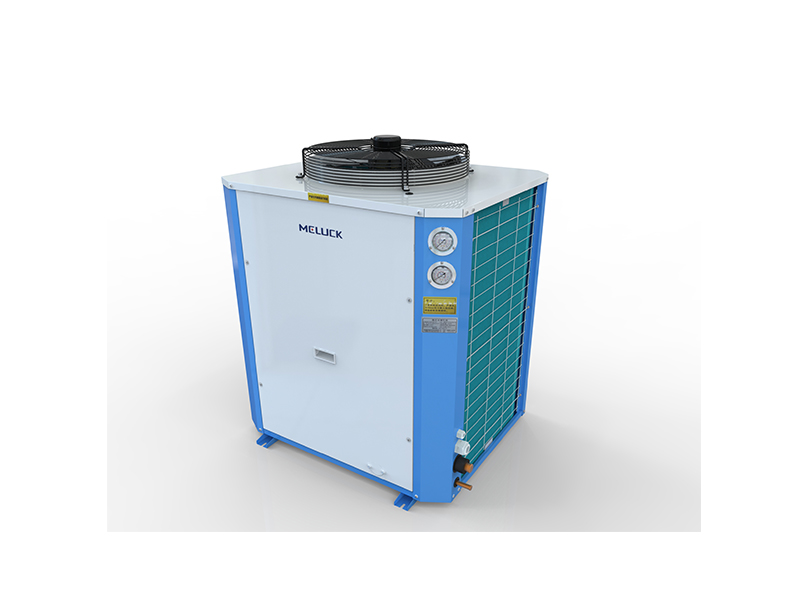
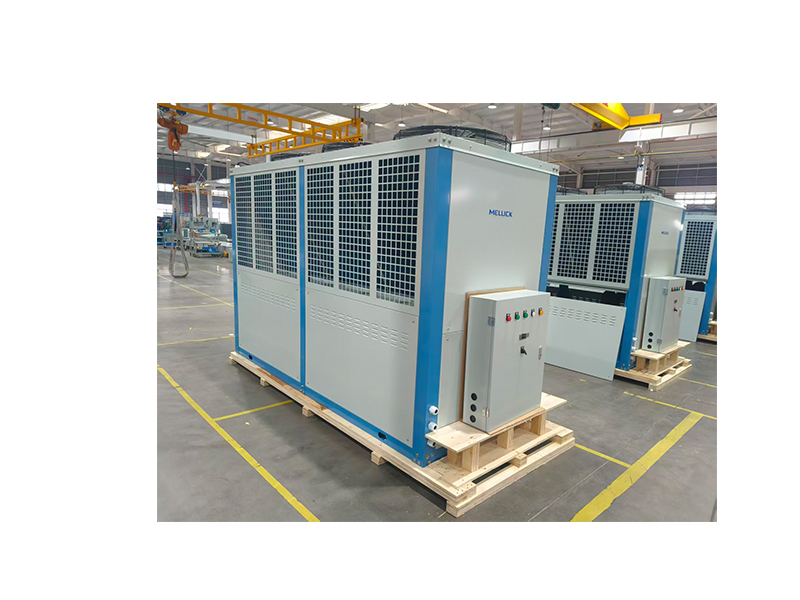
The installed room measured 17 m × 12 m × 3.1 m and held a stable +10°C. The refrigeration side used two original Bitzer 20 HP air-cooled condensing units and two ceiling-mounted evaporators, with control accuracy at 10°C ±0.5°C. High-density PU insulated sandwich panels and an insulated sliding door reduced cold air loss during loading. After commissioning and operator training, rejection and spoilage rates fell from approximately 15 percent to below 4 percent, and the grower gained enough shipping flexibility to align packing with container schedules.

The 10°C setpoint is deliberate. Avocado is a climacteric fruit, so the harvest-stage goal is not deep cooling but slowing respiration enough to prevent premature ripening and peel discoloration without pushing into chilling injury territory [2]. A mid-size pre-cooling room with two 20 HP condensing units covers this role for a steady harvest line, while long-term holding of other fresh produce may require a different setpoint.
Peru's fresh produce exporters face similar post-harvest scheduling pressure across product lines. <Cold Room for Cut Flower Export Ethiopia: A Practical Guide> covers pre-cooling and shipment staging for another high-value fresh export.
Ecuador Case Study: Manta Multi-Temperature Seafood Facility
Manta is one of Ecuador's key seafood processing ports. This client, a seafood and food processing exporter, needed a closed-loop cold chain that could move product from landing through processing, rapid freezing, and frozen storage without temperature gaps opening in the middle of the line.
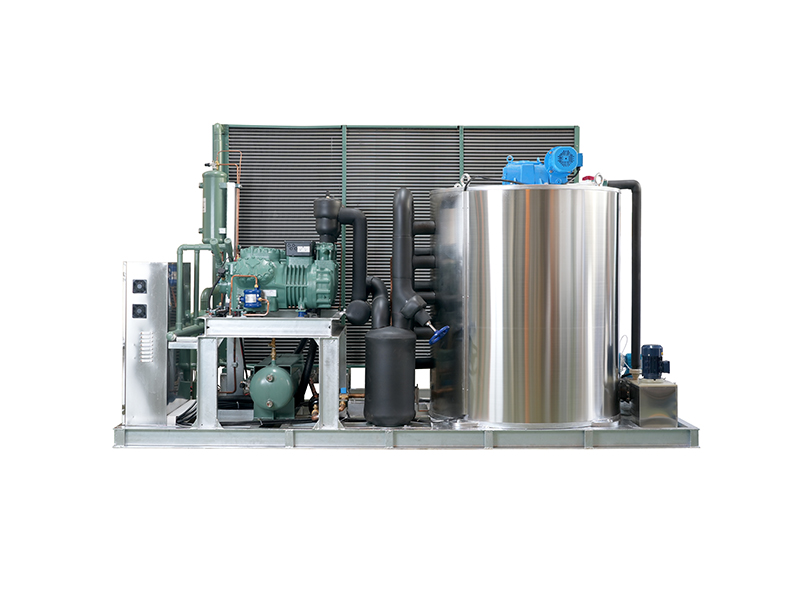
The facility was organized into five functional modules. Three blast freezer rooms measuring 7 m × 5 m × 4 m each ran at -35°C with Bitzer 40 HP compressors and dedicated blast-freezing air coolers. One frozen storage room of 14 m × 12 m × 6 m held -18°C with a Bitzer 30 HP unit. A separate ice storage room of 14 m × 5 m × 4 m kept flake ice at -10°C with a Bitzer 7 HP unit to prevent melting and clumping. A 20 m × 20 m × 4 m processing room stayed at 5-10°C on a Bitzer 25 HP system, and a 10-ton-per-day flake ice plant supplied the line with ice for freshness, cooling, and cleaning.
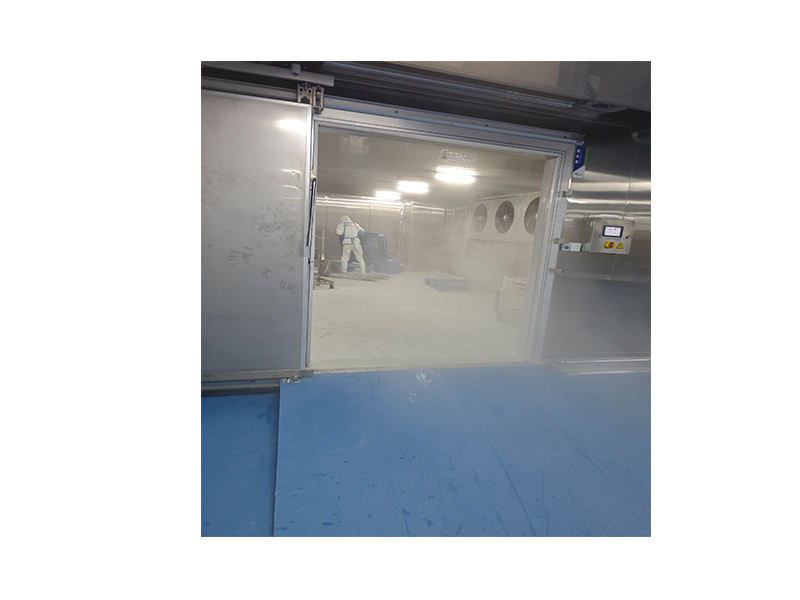
Before the upgrade, the factory had no professional ultra-low-temperature quick-freezing equipment and no independent ice storage. Manual processing allowed temperature swings that raised spoilage rates and caused repeated export inspection failures. After the zoned design and full Bitzer original compressor setup went online, the plant achieved a closed-loop workflow, reduced product loss and quality defects, and stabilized export product quality under Ecuador's coastal heat and humidity.
Seafood cold chain management depends on fast temperature pull-down and unbroken low-temperature holding. Codex guidance for fish and fishery products stresses rapid chilling soon after landing and continuous maintenance of the cold chain through processing, freezing, and storage [3].
Equipment and Design Lessons for South American Projects
Match compressor size and stage to each zone. Not every zone needs the same horsepower. The Peru avocado room used two 20 HP medium-temperature units; the Manta plant used separate sizes for -35°C blast freezing, -18°C holding, -10°C ice storage, and 5-10°C processing. Over-sizing a chiller room wastes energy, while under-sizing a blast freezer slows pull-down and shortens shelf life.
Treat 60 Hz grids as part of the specification. Both project sites in Peru and Ecuador operated on 60 Hz supply. Equipment specified for a 50 Hz market and re-used on 60 Hz will run motor and fan speeds roughly 20 percent higher than designed, which risks overload before the room reaches setpoint.
Peru and Ecuador both operate 60 Hz supply grids, which changes compressor and fan selection for imported equipment. <Why Meluck Stocks 60Hz Condensing Units for Global Cold Rooms> covers the specification checks behind 60 Hz-ready condensing unit selection.
Add flake ice as a working tool, not just an accessory. In the Manta plant, the 10 t/day flake ice machine feeds short-term chilling, freshness holding, and cleaning. That reduces peak load on the fixed refrigeration system and keeps seafood quality consistent before product enters the blast freezer.
Coastal humidity also changes panel and door choices. The Manta site sits in high-humidity coastal conditions, so panel joints, door seals, and cold air loss control matter as much as compressor capacity. The same insulated panel and sliding door approach used in the Peru avocado room carries directly into humid coastal builds.
Refrigeration system selection should also follow recognized safety and environmental requirements, including the relevant parts of ISO 5149 for refrigerating systems and heat pumps [4].
The zone-by-zone configuration across both projects runs as follows.
| Project zone | Room size (m) | Holding temperature | Refrigeration configuration |
|---|---|---|---|
| Peru avocado pre-cooling | 17 × 12 × 3.1 | +10°C | 2 × Bitzer 20 HP condensing units, 2 ceiling evaporators |
| Manta blast freezer (×3 rooms) | 7 × 5 × 4 each | -35°C | Bitzer 40 HP compressor per room, blast-freezing air coolers |
| Manta frozen storage | 14 × 12 × 6 | -18°C | Bitzer 30 HP condensing unit |
| Manta ice storage | 14 × 5 × 4 | -10°C | Bitzer 7 HP condensing unit |
| Manta processing room | 20 × 20 × 4 | 5-10°C | Bitzer 25 HP condensing unit |
Planning a South American Cold Room Build?
If you are preparing a cold room or full cold chain facility in Peru, Ecuador, or another South American market, send the initial site data to meluck@meluckcooling.com or call +8617369893087. In the first message, include the project city and peak ambient temperature, the product being stored or processed, the target holding or freezing temperature, the daily tonnage or throughput, and the available power voltage and frequency. That information is enough for an engineer to confirm the compressor family, stage, panel type, and evaporator series before the design call.
Export Compliance and Payback Considerations
Fresh produce and seafood exporters in South America are audited against destination-market standards, not only local rules. Cold room documentation, temperature logs, and hygienic construction all feed into those audits. A room that holds temperature but cannot provide clean records will fail inspection as often as a room with the wrong setpoint.
South American exporters are usually audited against EU, US, and Asian destination standards rather than only local rules. <Import Cold Chain Compliance: Cold Room Standards for Exporters> covers how to map destination cold chain requirements before the equipment order is placed.
On payback, both case studies show the same pattern: the upgrade reduced product loss and inspection rejections, which is where the fastest return appears. The Peru avocado room cut spoilage from roughly 15 percent to below 4 percent, and the Manta plant removed the manual temperature gaps that had blocked export clearance. The binding step is usually not the cold room itself but the upfront decision to size each zone against the real workflow.
Get a Site-Specific South America Cold Room Proposal
For a South America cold room built around your product, temperature zones, and grid conditions, email meluck@meluckcooling.com or call +8617369893087. Include the project location, product type, daily throughput, target temperatures, and whether the site runs on 60 Hz or 50 Hz power. An engineer can then confirm the right Bitzer compressor configuration, panel type, evaporator series, and whether flake ice or blast freezing capacity should be added to the scope.
Frequently Asked Questions
What temperature zones does a South American seafood export facility need?
A typical export seafood facility uses at least three zones: a processing area near 5-10°C, blast freezing at -30°C to -35°C for rapid freshness locking, and frozen storage at -18°C or below. Ice storage at -10°C is common when flake ice is part of the workflow.
Why is the Peru avocado room set at 10°C instead of a lower temperature?
Avocado pre-cooling targets slowed respiration and color retention rather than freezing. Holding around 10°C with tight control reduces premature ripening and peel discoloration while avoiding chilling injury risk for the fruit [2].
Do cold rooms in Peru and Ecuador need 60 Hz equipment?
Yes. Peru and Ecuador both operate 60 Hz power grids. Compressors, fan motors, and controls must be specified for 60 Hz, or motors can run above design speed and overload.
Does flake ice reduce the load on the main refrigeration system?
Yes. Flake ice handles short-term chilling during handling and cleaning, so the fixed refrigeration system does not have to absorb every peak cooling load at once. It also keeps seafood temperature stable before the blast freezer stage.
What information should a buyer prepare before requesting a South American cold room quote?
Site location and peak ambient temperature, product type, daily throughput, target temperatures, room dimensions or available floor area, and power details including voltage, phase, and frequency.
References
[1] Food and Agriculture Organization of the United Nations, The State of Food and Agriculture 2019: Moving Forward on Food Loss and Waste Reduction. Rome, Italy: FAO, 2019.
[2] M. L. Arpaia et al., Avocado: Recommendations for Maintaining Postharvest Quality. Davis, CA, USA: Postharvest Technology Center, University of California, Davis. [Online]. Available: https://postharvest.ucdavis.edu/produce-facts-sheets/avocado
[3] Codex Alimentarius Commission, Code of Practice for Fish and Fishery Products, Codex Standard CXC 52-2003. Rome, Italy: FAO/WHO, 2003, as amended.
[4] ISO 5149:2014, Refrigerating Systems and Heat Pumps: Safety and Environmental Requirements. Geneva, Switzerland: International Organization for Standardization, 2014.
If you're interested, check out these related articles:
Cold Room for Chocolate Distribution: Bloom Prevention Guide
Cold Room for Tuna Loining and Processing at -60°C Deep Freeze
With over 15 years of experience as a MELUCK refrigeration engineer, I specialize in the design of cold storage, chillers, ice makers, and cold chain energy-saving systems, providing technical support to distributors and engineering companies worldwide.

meluck