
Cold Room Panel Supplier Guide: PU vs PIR and Thickness
Cold room panel selection is rarely a single-material decision. A buyer comparing PU and PIR panels is really choosing between two thermal, fire, and cost profiles, then matching the panel thickness to room temperature, climate, and the approval requirements of the project. The practical starting point is not the lowest quotation. Ask what the supplier can document for foam density, facing material, joint design, thermal conductivity, and installed U-value. In chiller rooms, a thinner panel may be acceptable when the calculation supports it. In freezer rooms below -18°C or blast freezers below -35°C, inadequate thickness shows up as higher running cost, condensation, ice damage, and a panel envelope that ages faster than expected. The most useful supplier question is therefore not "how much per square meter" but which data sheet, fire test report, and layout drawing will be provided for the exact operating condition.
PU and PIR Panel Differences That Matter to Buyers
PU panels use a polyurethane foam core. PIR panels use a polyisocyanurate foam core. The two materials are related, but they are not interchangeable in high-temperature, fire-sensitive, or heavy-duty commercial projects. PIR is normally selected where a better fire resistance and lower aged thermal conductivity are required. PU is a proven economic choice for many standard cold rooms and cold chain logistics buildings when the fire approval requirements are less strict.
The supplier should be able to explain the difference in the core, because the core is what determines most of the panel's long-term insulation and fire behavior. In the supplied panel range, PUR panels use high-density foam with a camlock quick-install system. PIR panels are specified with a B1 fire rating and slip-joint connection. That distinction matters because a camlock panel that fits a warehouse project may not automatically satisfy the fire approval, insurance requirement, or insulation ageing requirement of a public building, food factory, or freezer complex.
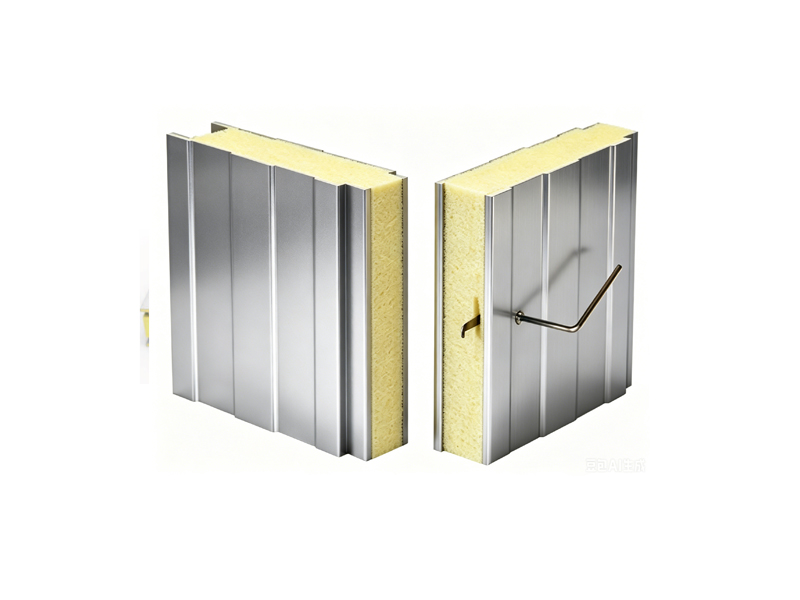
The panel facing is also part of the product. Steel, stainless steel, aluminum, and food-grade facings change the room's cleanability, corrosion resistance, and structural span. A supplier should list the facing material, thickness, and coating, not only the foam core. A low quote often hides a thinner face, a lower foam density, or a joint detail that saves manufacturing cost but creates air and moisture paths after installation.
How Fire Rating Changes the Supplier Decision
Fire performance is usually where PIR and PU feel most different in commercial tenders. The foam chemistry affects how the panel behaves under heat, but the installed performance is not the foam alone. The facing material, joint detail, fixing method, and the way panels are sealed around doors and structural members all influence the assembled result.
Do not accept a fire phrase such as "fire-rated panel" without the test standard, the classification, the report number, and the name of the tested assembly. A core material test is not the same as a full panel or wall assembly test. The buyer should also confirm whether the certificate is accepted by the municipality, insurer, or export destination authority. A supplier that sells internationally should know the difference between project approval requirements across regions.
Fire performance depends on core chemistry, facing material, joint detail, and the applicable building code. <Cold Room Panel Fire Rating: PIR vs PU Commercial Compliance> covers how PIR and PU ratings affect commercial compliance decisions.
Where fire compliance is not the driving requirement, the decision can return to thermal performance and cost. The error is to ignore the fire question entirely and later discover that the installed envelope cannot pass a final inspection or insurance review. A consistent supplier process is to confirm the fire class before the first quotation, not after the panels are produced.
Choosing Panel Thickness for the Room Temperature
Room temperature is the first filter for panel thickness, but it is not the only variable. A chiller room at 0°C to +8°C has a smaller temperature difference across the panel. A freezer room at -18°C to -25°C has a larger sustained temperature difference. A blast freezer at -30°C to -40°C has an even greater difference, and the panel envelope must also handle rapid temperature change, frost build-up, and thermal movement.
The required thickness should come from a heat load and condensation risk calculation. The supplier should review the room size, product type, daily door openings, traffic, floor construction, roof exposure, and ambient climate before selecting a thickness. A catalogue default is not a design. Ask the supplier to show the U-value and the internal surface temperature at the local dew point.

For a chiller application, the design intention is a stable positive room temperature and an internal panel surface that stays above the dew point. If the room is opened frequently or located in a high-humidity climate, a slightly thicker panel or a better joint seal may be more important than a marginal saving in panel cost.
For a freezer application, the panel also has to resist moisture migration over many years. Water vapor moves toward the cold side. If the panel is too thin, the surface can run below the dew point and create frost, condensation, or hidden ice inside the joint. Thermal bridges at the floor, ceiling, door frame, and through fixings become more destructive as the temperature difference increases.
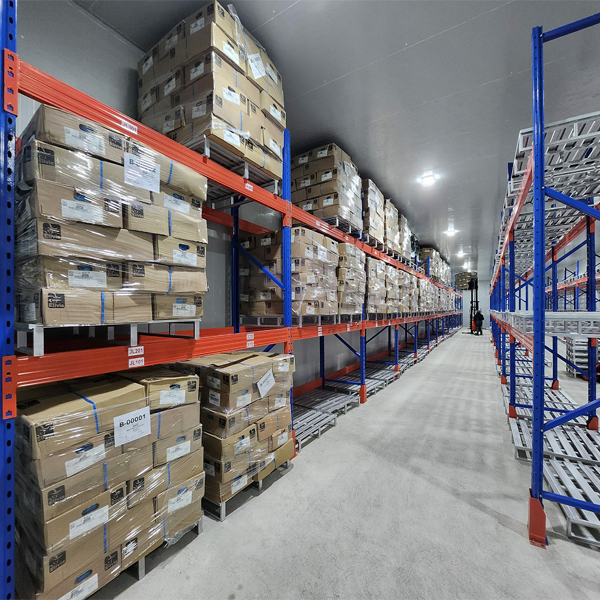
A freezer room also needs panel joints, floor insulation, and door seals to protect the design temperature. <Freezer Room Solutions -25C~-18C> covers packaged freezer room options for frozen storage at these temperatures.
The buyer should therefore compare panel thickness alongside the complete room design. A lower panel thickness may still be acceptable if the room is small, lightly used, and protected from humid air. The same thickness may fail in a busy food processing freezer with frequent door openings and wet product.
What a Cold Room Panel Supplier Should Document
A reliable cold room panel supplier should be able to provide more than a price list. The documentation should connect the panel to the buyer's operating condition and approval standard.
| Document | What it should show | Why it matters |
|---|---|---|
| Foam density and tolerance | Core density, not a vague material name | Affects structural strength, insulation, and joint stability |
| Thermal conductivity declaration | Aged lambda value or K-value under defined conditions | Determines running cost and required thickness |
| Fire test report | Assembled panel classification, standard, and report number | Confirms acceptance by the authority or insurer |
| Panel layout and joint drawings | Camlock or slip-joint detail, door opening, and floor connection | Identity of air and moisture barriers |
| Thickness calculation | U-value, dew point, and ambient design conditions | Shows that thickness was selected, not assumed |
The same discipline applies to delivery, installation, and warranty. A panel that arrives without the agreed density or facing thickness may look identical but perform differently over ten years. The buyer should fix the acceptance criteria before production, not inspect panels as an afterthought.
A quoted panel is only as useful as the remedy if the delivered foam density or fire certificate does not match the approved sample. <Cold Room Equipment Warranties: A Buyer’s Guide to Guarantees> covers what warranty terms should specify before the order is placed.
Thermal Performance and Long Term Running Cost
Panel thermal performance is not the same as label thickness. Two panels can have the same thickness but different foam densities, blowing agents, ageing behavior, and joint quality. The result is a different installed U-value and a different electricity bill for the same room.
The thermal conductivity of the foam should be evaluated as an aged value, not the value taken at the factory gate. Over time, the cell gas changes and conductivity can drift. Suppliers should state the lambda value used for their calculations and the temperature condition that applies. A lower initial quotation can become more expensive if the panel insulation value fades and the refrigeration system must run longer.
Moisture is the other performance risk. Once moisture enters the foam or the joint, insulation value falls and ice can build inside the assembly. Good panel details include a continuous vapour seal, sealed joints, durable facings, and controlled fixing details. These details are not decorations. They are what keep the theoretical thermal performance close to the installed performance.
For long-term running cost, compare the complete envelope, not panel price alone. The panel cost is only one part. Energy, maintenance, repairs, and product loss matter more over the life of a cold room. A buyer who selects panels only on initial price may be choosing the most expensive option over ten years.
Installation Details That Decide Panel Performance
Panel performance is determined before the first refrigeration unit starts. The site base must be flat, dry, and strong enough to carry the panel weight and the racking or suspended load. Floor insulation must continue through the panel junction, or the cold room develops a frost line at the base.
The wall-to-floor connection, wall-to-ceiling connection, corners, and door frames are common failure points. Each one introduces a potential thermal bridge or moisture path. The supplier's installation drawings should show how the vapour barrier continues through every junction, how panels are fixed, and how sealant or gasket materials are installed.
Do not ignore the roof and the space above the panels. In hot climates, a cold room built inside a hot warehouse or under a sun-exposed roof requires a careful ceiling detail. The supplier should confirm the ceiling load, hanging point support, and ventilation above the room. Otherwise condensation can form outside the panel and eventually damage the structure or the panel itself.
Panel installation also affects food safety and cleanability. Exposed cut edges, open fastener holes, and poorly sealed joints collect dirt, water, and bacteria. For food processing, pharmaceutical, or export applications, the joint must be cleanable and the facing material must meet the hygiene requirement. The right panel specification is therefore a package of core, facing, joint, seal, and installation detail.
Plan a Cold Room Panel Specification With MELUCK
Start with the operating condition, not a single panel name. Send MELUCK the room size, target temperature, ambient climate, expected daily door openings, floor construction, and the fire classification your local authority requires. The engineering team can compare PU and PIR options with a thickness and U-value check for your application. Contact MELUCK at meluck@meluckcooling.com or +8617369893087 for a panel specification and quotation based on the actual room design.
FAQ
Which panel is better for a freezer room, PU or PIR?
For most freezer rooms below -18°C, the first requirement is enough insulation to keep the internal surface above the dew point. PIR is often preferred where lower thermal conductivity and fire compliance are required, but the thickness and vapour sealing matter more than a simple material preference. Ask for an aged thermal conductivity value and a dew-point check at the local relative humidity. PU can still be a practical choice when fire approval is not the controlling issue.
What thickness should I ask for?
Start with the room temperature and climate. Chiller rooms and freezer rooms need different thermal performance because the temperature difference drives heat gain. Ask the supplier to calculate the required U-value and condensation limit instead of choosing from a catalogue alone. The quotation should state the panel thickness, foam density, facing material, joint system, and the design conditions used. If the supplier cannot show the calculation, the thickness is an assumption.
Can I mix PU and PIR panels in the same room?
Avoid mixing panel types in the same thermal envelope unless the supplier certifies compatible joint profiles and equivalent shrinkage, fire, and fastener performance. Different foam cores can have different thermal movement and joint tolerances, which may create air paths or condensation lines. If a project must mix panels, keep them in separate rooms or structural zones and require a written joint transition detail.
What documents should a supplier provide before signing?
Request the product data sheet, fire test report or classification, thermal conductivity declaration, panel layout with door and floor details, factory and site workmanship procedures, and the warranty terms. If the room needs insurance or authority approval, ask for the report in the exact standard the reviewer will accept. A reliable supplier should also explain what is excluded, such as third-party fire certification or site vapour sealing, so there is no gap between quotation and approval.
If you're interested, check out these related articles:
Date Palm Cold Storage: Temperature and Humidity for Long-Term Preservation
Cold Storage for Fishing Ports: Catch-to-Chill Design Guide
Remote Control Condensing Units: Smarter Cold Room Management
With over 15 years of experience as a MELUCK refrigeration engineer, I specialize in the design of cold storage, chillers, ice makers, and cold chain energy-saving systems, providing technical support to distributors and engineering companies worldwide.

meluck