
Cold Room Equipment Warranties: A Buyer’s Guide to Guarantees
When investing in a cold room for an overseas operation, the equipment warranty often receives less scrutiny than the technical specifications. Yet a poorly defined guarantee can turn a minor component failure into a financial liability that stretches across borders. Cold room equipment warranties protect international buyers from manufacturing defects, installation errors, and premature equipment degradation, but their real value depends on what is actually in writing. I have supported procurement teams in over 70 countries, and I have seen too many cases where a verbal promise about coverage collapsed when a claim was filed. The difference between a reliable long-term asset and a costly dispute usually traces back to four clauses buried in the warranty document.
What a Cold Room Equipment Warranty Typically Covers
A standard equipment warranty for commercial cold storage consists of three overlapping layers: the structural guarantee, the refrigeration system guarantee, and the installation workmanship guarantee. Each has distinct coverage periods and exclusions that catch buyers who assume they are all the same.
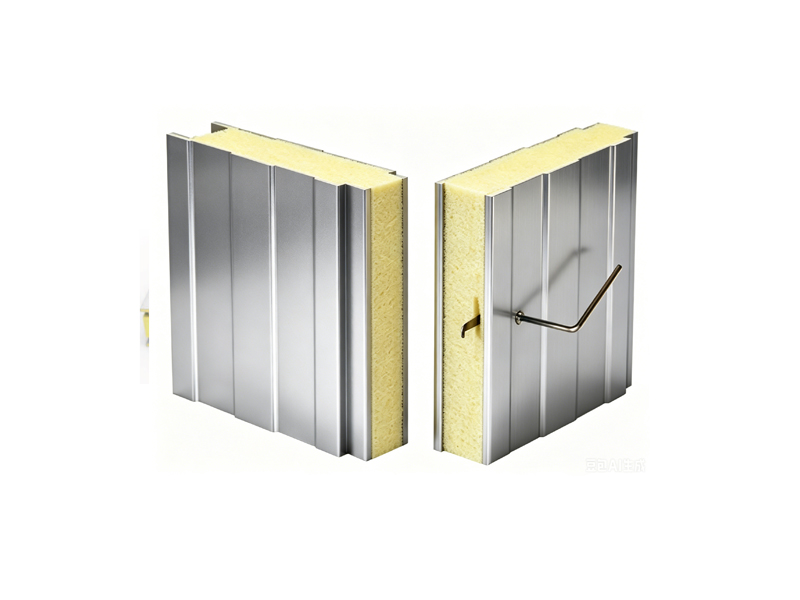
The structural guarantee covers the insulated panels, doors, and floor panels for defects in material and manufacturing. High-density polyurethane or polyisocyanurate panels should be covered for delamination, excessive moisture absorption, and dimensional instability for at least 12 months from commissioning. The door hardware, hinges, and seals usually fall under the same terms.
The refrigeration system guarantee is more nuanced. Compressors from manufacturers like Bitzer typically carry a factory warranty that passes through the equipment supplier. For example, a Bitzer semi-hermetic reciprocating compressor may have a 24-month warranty from the compressor manufacturer, while the condensing unit assembly, copper piping, and electrical controls installed by the cold room supplier are under a separate 12-month equipment warranty. Buyers who do not confirm which party covers which component often face a gap: the compressor factory insists the failure was caused by installation, and the installer points to the compressor manufacturer.
The installation workmanship guarantee covers refrigerant leaks due to poor brazing, incorrect refrigerant charge, improper electrical connections, and control calibration errors. This is typically 6 to 12 months. After this period expires, maintenance and repairs become the buyer's responsibility.
| Warranty layer | Typical coverage period | Common exclusions |
|---|---|---|
| Panel and door structure | 12–24 months | Damage during unloading, improper cleaning chemicals, unapproved modifications |
| Compressor (factory) | 12–24 months (Bitzer/Copeland) | Loss of refrigerant, electrical surges, operation outside approved envelope |
| Refrigeration system assembly | 12 months | Blocked condenser due to lack of cleaning, flooded starts caused by power instability |
| Installation workmanship | 6–12 months | Adjustments to door alignment after building settlement, control parameter changes by unauthorized personnel |
The fine print that is most frequently overlooked relates to consequential loss. Most warranty documents I have reviewed explicitly exclude liability for the value of the product stored inside the cold room. If a compressor fails and the room temperature rises, destroying frozen seafood or produce, the equipment supplier's warranty typically does not cover that inventory loss. Some suppliers offer extended liability coverage as an optional add-on, but it must be negotiated before the order confirmation.
International Warranty Enforcement Is Not Automatic
For a buyer in Nigeria, Kenya, or Latin America ordering equipment from a manufacturer in China, the warranty document is only as strong as the supplier's ability to honor it. I have handled warranty claims where the core issue was not the equipment itself but the 8,000 kilometers of ocean between the factory and the cold room.
Three practical challenges emerge after the sale. First, the cost of dispatching a technician to replace a defective panel or compressor far exceeds the part value, so remote diagnosis via video call or local third-party repair becomes the default. The warranty must explicitly state whether labor and travel costs for warranty repairs are covered, and under what conditions the supplier provides replacement parts free of charge. Second, time zones and language barriers slow down fault diagnosis. A cold room that is down for five days while email chains resolve can cause more loss than the warranty claim is worth. Third, the original equipment may have been correctly manufactured and installed, but site conditions like unstable grid power, dust, or inadequate clearance around the condensing unit can cause repeated failures that the supplier will classify as operational error rather than a warranty defect.
In our own projects, such as the multi-zone cold storage facility in Cairo for a French fries processing plant, we provided remote diagnostics support and maintained local spare parts inventory agreements to reduce downtime. The Bitzer 125HP system in the blast freezer ran continuously in a high-ambient environment because the warranty terms were supported by a clear escalation path for claims. That type of support structure should be part of your evaluation checklist.
How to Assess a Manufacturer's Warranty Before Signing

When you receive a quotation that includes a warranty clause, do not accept a one-line statement like "24-month warranty on all equipment." Request a detailed warranty schedule that lists each major component individually. A credible supplier will provide this without hesitation.
Start with the compressor. Original equipment from Bitzer, Copeland, or other established brands should carry a verifiable factory warranty. Ask for the serial number registration process: most compressor manufacturers require the serial number to be registered with them within 30 days of commissioning to activate the warranty. If the cold room supplier does not mention this step, do not assume it will be done. In one instance, we traced a warranty denial to the fact that the installer had never registered the compressor serial number, and the factory warranty period had already expired by the time the failure occurred.
Next, examine the panel warranty for fire rating and insulation performance. PIR panels with a B1 fire rating should come with a test certificate that verifies the foam formulation, not just the panel assembly. I have seen panel suppliers provide a general brochure statement about fire performance without any batch-level test data. If a panel delaminates or the insulation R-value degrades prematurely, that certificate becomes the basis for a claim.

Third, the warranty obligations should define who is responsible for periodic maintenance during the warranty period. Some agreements stipulate that the buyer must maintain a log of condenser cleaning, door seal inspection, and defrost cycle verification. If the buyer cannot produce these logs, the supplier may declare the warranty void due to lack of maintenance. This is not unreasonable; it reflects standard refrigeration industry practice, but it must be clearly communicated before the project begins.
Clauses That Reduce Equipment Liability Exposure
Beyond the warranty itself, certain contract clauses shift liability in ways that protect both parties. A well-structured equipment supply agreement includes a defined defect liability period, typically 12 to 18 months, during which the manufacturer is responsible for repairing or replacing any component that fails due to a manufacturing defect. I recommend extending this period to 18 months when the equipment is shipped internationally, because it can take several months from ex-factory shipment to commissioning, and a 12-month warranty that expires while the cold room is still in transit provides no real protection.
A spare parts clause is equally important. The supplier should commit to maintaining a stock of critical spare parts for a minimum period (such as five years) after the warranty ends. For condensing units using Bitzer compressors, the availability of valves, gaskets, and oil filters for older models is not guaranteed indefinitely. A supplier with a long-term relationship with the compressor manufacturer can confirm parts availability in writing.
The liability cap is another clause that many buyers skip. Suppliers often limit their total liability to the value of the equipment supplied. This is standard in industrial supply contracts, but it means that any claim beyond the purchase price (such as business interruption or lost product value) would be unrecoverable unless you have negotiated a higher cap or purchased separate business interruption insurance. For a cold room storing high-value export commodities, the insurance route is usually more practical than trying to extract a higher liability cap from the equipment supplier.
evaporator)
Maintaining Warranty Validity After Installation
Once the cold room is commissioned, the warranty remains valid only if operational conditions stay within the design envelope. The most common violation I see is running the condensing unit when ambient temperatures exceed the unit's design range. In tropical locations, a unit rated for 35°C maximum ambient will struggle and may fail prematurely if the installation site reflects heat from adjacent buildings or asphalt surfaces, increasing local temperature to 40°C or higher. The warranty will not cover a compressor failure caused by high pressure cut-outs that occur because the condenser cannot reject heat.
Power quality is another factor. Voltage fluctuations, phase imbalance, and lightning strikes do extensive damage to compressor motor windings and control boards. The warranty document will almost certainly exclude these. Installing voltage protection relays and phase monitors is a small upfront cost that keeps the warranty intact and avoids disputes. I have insisted on this in all our projects in regions with known grid instability, and it has prevented countless after-hours emergency calls.
Maintenance logs are not bureaucratic busywork; they are the primary evidence in a warranty claim. Every condenser cleaning, refrigerant pressure check, and door alignment adjustment should be recorded with date, time, and observations. If a compressor fails and you can show a consistent maintenance record, the supplier has far less room to argue that neglect caused the failure.
A Practical Step Before You Finalize Your Purchase
If your cold room configuration involves multiple temperature zones, a blast freezer alongside a chiller room, or integration with an IQF tunnel, the warranty terms multiply in complexity. Each zone's equipment carries different warranty periods, different exclusions, and different obligations. Walking through these line by line with your supplier before production begins is the single most valuable hour you can invest in the procurement process.
Share your equipment list and operating conditions with us at meluck@meluckcooling.com. We will provide a warranty schedule that defines coverage for each major component, so you know exactly where you stand before you sign.
Common Questions About Cold Room Equipment Guarantees
Misconceptions about what a standard cold room warranty covers are surprisingly common, and they cause more tension between buyer and supplier than any mechanical failure.
What if the Bitzer compressor fails and the supplier says it is a manufacturing defect, but Bitzer says it was an installation error?
This dispute typically arises because the compressor failed during commissioning or within the first few weeks of operation, and the root cause is not obvious. Bitzer and other compressor manufacturers require a detailed failure analysis report, including photographs, pressure readings, and oil analysis, before determining responsibility. The equipment supplier should drive this process. If you bought a fully assembled condensing unit from the cold room manufacturer, not a bare compressor, the cold room manufacturer is generally responsible for the integration and should handle the analysis. In my experience, the most reliable outcome comes from suppliers who have a long-term relationship with Bitzer and can facilitate the technical investigation directly, rather than leaving you to negotiate between two parties.
The cold room panels arrived with minor surface scratches. Is that covered by warranty?
Aesthetics are usually not covered unless the scratch compromises the panel's structural integrity or insulation performance. Cosmetic surface scratches on the steel skin that do not expose the foam core are rarely a valid warranty claim because they do not affect the cold room's function. If the scratch reaches the foam and the panel insulation value is at risk, that should be documented during the incoming inspection report and submitted as a quality claim before the room is assembled. I advise taking photos of all panels immediately after unloading and sharing them with the supplier within 24 hours, because damage during shipping can be hard to prove later.
If we add a third-party temperature monitoring system, does it void the warranty?
Generally no, as long as the installation of the additional monitoring sensors does not penetrate the refrigeration piping, alter the control wiring, or modify the panel structure in a way that affects insulation. I recommend informing the supplier in writing and, if possible, having them review the installation plan. Some suppliers will even assist with the integration to ensure nothing conflicts with the factory control logic. This collaborative approach avoids later arguments about who caused a control board failure.
Can the warranty be transferred if I sell the cold room?
Most equipment warranties are non-transferable unless the original buyer explicitly requests and the supplier agrees in writing to transfer coverage. The reasoning is that the supplier's obligations, such as remote support and spare parts provision, were based on the original buyer's location and operating conditions. When equipment moves to a new owner in a different region, the supplier's risk profile changes, and the warranty terms may no longer apply. If a future sale is planned, address transferability during the initial contract stage.
What is a reasonable warranty claim response time for imported cold room equipment?
A credible supplier should acknowledge a warranty claim within 24 hours and provide a diagnostic plan within 48 hours. Parts shipment timing then depends on logistics: air freight for small critical items like control boards can be arranged within a few days, while large replacement panels or compressors may take several weeks by sea. In projects we support, we maintain an emergency parts stock for the most failure-prone components and can air-ship within five working days for critical situations. When you are comparing suppliers, do not just compare the warranty duration on paper; ask specifically how long it takes them to ship replacement parts for the type of equipment you are buying, and ask for a written service level agreement. If a failure would put your operation at serious risk, share your requirements with us at meluck@meluckcooling.com, and we can confirm spare parts availability for your configuration.
If you're interested, check out these related articles:
Freezer Room Solutions -25C~-18C - Meluck
Egypt French Fries Cold Storage Project - Meluck
Processing Room Solutions for Food Plants - Meluck
Ecuador Multi-Temperature Cold Storage Project - Meluck
With over 15 years of experience as a MELUCK refrigeration engineer, I specialize in the design of cold storage, chillers, ice makers, and cold chain energy-saving systems, providing technical support to distributors and engineering companies worldwide.

meluck