
Cold Room Door Types Explained: Sliding, Hinged, and Sectional
Cold room door types shape daily traffic, temperature stability, and energy cost. The best choice depends less on the door itself and more on how often it opens, what passes through it, and how tightly it must seal when closed. A sliding door suits wide freezer openings with frequent pallet traffic, while a hinged door works for a small preparation room with limited wall space. A sectional door becomes the practical option at a loading dock where vertical lifting and full-width access matter. Matching the opening pattern to the room temperature and workflow prevents the most common failures: frost around the frame, damaged seals, and rising compressor run time.
How Cold Room Door Choice Affects Temperature and Traffic
A cold room door is a moving section of the insulated envelope. Every opening exchanges refrigerated air with warm ambient air, pulls moisture into the room, and adds latent load to the evaporator. The door type controls how much of that exchange happens. A sliding door can cover a wide opening but travels along a track where the seal must carry the full temperature difference. A hinged door closes against a flat frame and compresses the gasket more evenly, which helps in small chiller rooms. Traffic pattern matters just as much as dimensions. A door that workers must open and close manually every few minutes needs smooth travel, a reliable latch, and a frame that can handle repeated impact without losing alignment. For a busy warehouse, choosing a door that reduces the open time is often more valuable than upgrading the refrigeration system.

For busy supermarket cold rooms, door traffic and temperature zoning interact more than the door panel alone. <Cold Room Solutions for Supermarket Chains: Zoned Design> covers how to plan multi-temperature traffic and material flow around the cold room layout.
Sliding Cold Room Doors Where They Work Best
Sliding doors are the default for many medium and low temperature cold rooms because they do not swing into the working aisle. A manual sliding door with a high density PU insulated leaf and aluminum track can handle openings from 0°C to -40°C when the track is installed with the correct slope and the heated frame or gasket is used at freezer temperature. They work best when trucks, trolleys, or pallet jacks move through the same opening repeatedly. The door leaf moves parallel to the wall, so the space inside and outside the room remains clear. The trade-off is sealing. The sliding leaf relies on track alignment and a perimeter gasket to close tightly, so damaged rollers, a bent track, or ice on the threshold can push the leaf away from the frame. For freezer rooms below about -18°C, the operator should check the bottom seal and the track heater before assuming the door is the cause of frost.
Hinged and Swing Doors for Smaller Cold Rooms
Hinged cold room doors, often called swing doors, rotate from one or two hinges and close against a fixed frame. They are easier to seal than a sliding leaf because the closing action compresses the gasket against the frame as the door latches. In a small chiller room, a hinged door with a flush threshold and a simple latch is often the most practical option when walking traffic, not forklifts, dominates. The limitation is space. A hinged door needs clearance on one side for the swing radius, and repeated high volume traffic can put stress on hinges and closers. For food preparation rooms, the priority is often hygiene and fast hand access rather than a wide opening, so a swing door with a clear viewing window and a hands-free closer can reduce the time the door remains open.
Sectional Doors for Loading Docks and Large Openings
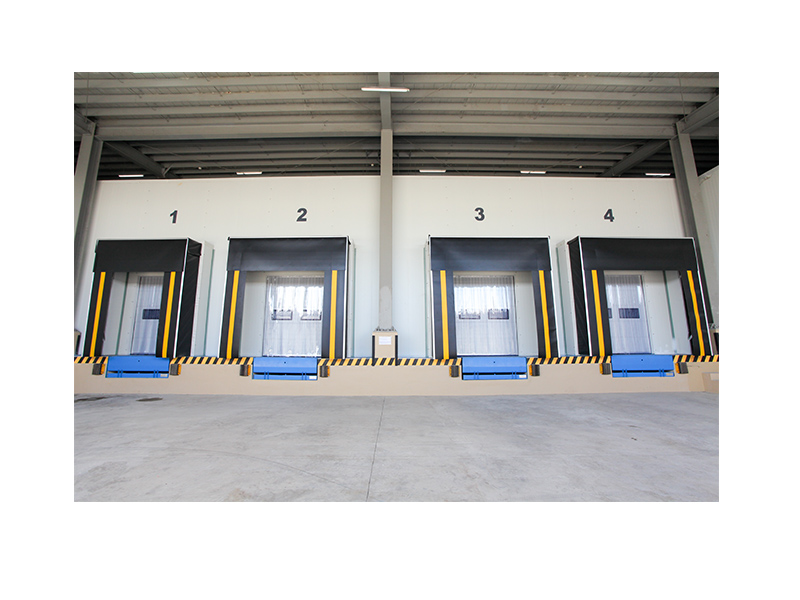
Sectional doors are vertical lift doors made of connected insulated sections that travel upward on side tracks. They suit large cold storage openings, truck docking stations, and warehouse entries where the full opening must be clear at ground level. Because the door stores above the opening when open, it does not require side room or swing clearance. The chief advantage is the wide, unobstructed passage for forklifts and palletized loads. The trade-off is track and balance hardware. Sectional doors need spring or counterweight systems, regular rail inspection, and enough headroom above the opening. In a cold store, a damaged or poorly aligned sectional door can allow warm air to pour in through a large opening, so sealing at the top, sides, and bottom must be checked after every shift that involves frequent docking.
Door Specification Checks Before You Buy
| Door type | Best opening | Traffic pattern | Sealing and maintenance priority |
|---|---|---|---|
| Sliding | Wide freezer or chiller openings | Frequent pallet and trolley traffic | Track alignment, bottom seal, heated threshold |
| Hinged/swing | Small prep rooms and pedestrian entries | Mostly walking traffic | Gasket compression, hinge and closer wear |
| Sectional | Loading docks and high volume warehouse doors | Forklift and pallet traffic | Rail and counterweight, top and side seals |
Before choosing a cold room door, record the opening size, the room temperature, the type of traffic, and the available space around the opening. Check the panel thickness and foam density rather than comparing the door leaf alone. A door with the same nominal size as another can still perform differently if the frame is thin or the gasket material is not rated for low temperature. Look at the threshold detail. In freezer rooms, a heated wire or low profile thermal break at the floor helps prevent ice from locking the door closed. Confirm the hinge, track, latch, and gasket parts can be replaced locally, because these are the components that wear first in daily operation. Finally, request the door dimensions that match the cold room panel system. A mismatched frame creates an air gap that no gasket can fully correct.
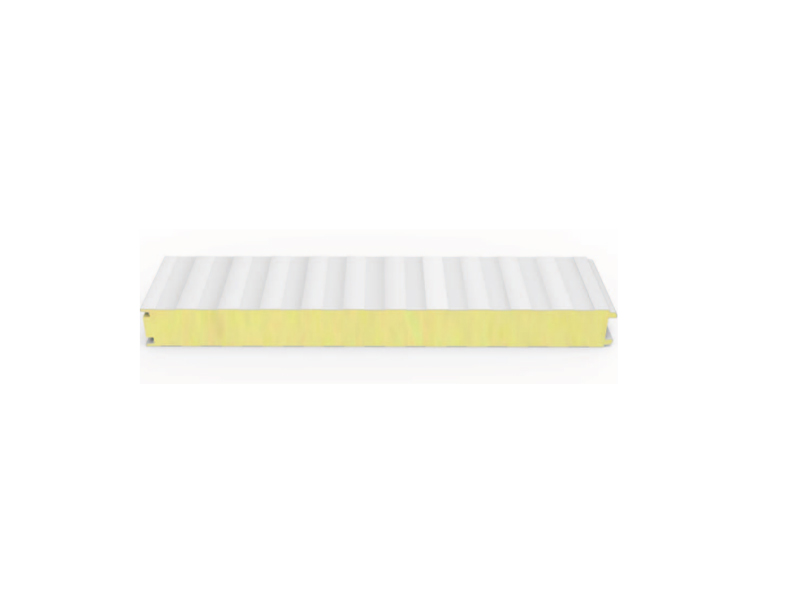
The door frame and adjoining panel system must share the same insulation and fire performance logic. <Cold Room Panel Fire Rating: PIR vs PU Commercial Compliance> covers how PIR and PU panels differ under commercial fire and thermal requirements.
The same check applies to the refrigeration side. A poorly sealed door adds moisture and heat that the evaporator and condensing unit must remove, so a door upgrade can reduce compressor run time and coil frost.
Plan Your Cold Room Door Around Traffic and Temperature
Send us the opening size, room temperature, daily traffic type, and available floor space around the opening. We will help you compare a sliding, hinged, or sectional door and the frame details that hold the seal over time. Contact Shanghai Meluck Refrigeration Equipment Co., Ltd at meluck@meluckcooling.com or +8617369893087.
FAQ
What is the most energy efficient cold room door for high traffic?
For high traffic openings, the most energy efficient choice is usually the door that remains open for the shortest time. A sliding door is better than a hinged door for wide openings because it does not swing into the aisle, but it still leaves the opening exposed while workers pass. Sectional doors are efficient at loading docks because they open vertically and allow fast forklift movement. The real energy saving comes from proper seals, a heated threshold where needed, and a closing mechanism that prevents the door from being left open.
Can a sliding door be used in a freezer room?
Yes. Sliding doors are common in freezer rooms from about -18°C to -40°C when they have a heated frame or gasket system to prevent ice from bonding the leaf to the frame. The bottom seal and track must be kept clean, and the door should be checked for alignment after any impact from a trolley. If frost forms around the leaf, the problem is often a damaged gasket or a failed heater rather than the sliding design itself.
What opening size suits a sectional door?
Sectional doors suit openings that are wider and taller than a typical personnel door, such as 2 to 4 meters wide or more, where fork trucks and pallets must pass. The door travels upward and needs headroom for the track and the lifted door panels. If the opening is small and mostly used by people, a hinged or sliding door is usually simpler and less expensive to maintain.
How do I prevent ice buildup around a cold room door?
Ice buildup usually comes from warm, humid air leaking through the seal and freezing on the cold surfaces. Check the gasket for compression, clean the threshold, and confirm that the track or frame heater is working on freezer doors. Keep the room door closed when not in use and repair damaged panels or misaligned rollers quickly. The door frame should also sit flush with the cold room panel to stop air from entering behind the sealing surface.
If you're interested, check out these related articles:
Green Coffee Storage: Temperature and Humidity Control
Condensing Unit Installation Clearance: Key Spacing Rules
With over 15 years of experience as a MELUCK refrigeration engineer, I specialize in the design of cold storage, chillers, ice makers, and cold chain energy-saving systems, providing technical support to distributors and engineering companies worldwide.

meluck