
Cold Room Preventive Maintenance Checklist for Food Factories
Cold room preventive maintenance is the difference between a stable food factory cold chain and an interruption that forces product disposal. For food factories, maintenance is not only an equipment cost matter. It is a food safety control. A missed condenser cleaning, a failed door seal, or an ignored temperature alarm can move stored product out of its safe range before the problem is visible. The checklist below organizes tasks by frequency and connects each task to the failure it prevents, so maintenance teams can act before a small fault becomes a large write-off.

Why Cold Room Preventive Maintenance Is a Food Safety Requirement
Cold rooms in food factories are not storage boxes. They are process equipment with a narrow temperature window. When the refrigeration system drifts above the set point, microbial growth accelerates, product texture changes, and export or retail acceptance can fail. Preventive maintenance reduces the likelihood of slow drift and sudden failure by keeping the main heat-exchange surfaces clean, the refrigerant circuit sealed, and the controls reading accurately. In a HACCP-based food safety system, maintenance records also show that temperature control is managed rather than assumed.
Daily Operator Checks for Temperature Doors and Alarms
Daily checks should be simple enough for shift staff to complete without specialist tools. The operator records the displayed temperature, compares it with the required set point, and reports any deviation immediately. Door checks are equally important because a cold room loses capacity through gaps, worn seals, and doors left open during loading. The following checks belong on a daily log:
- Confirm the controller shows the correct set point and operating temperature.
- Check that doors close fully and that no daylight or air movement is visible around the seal.
- Review the alarm history from the previous shift.
- Listen for abnormal compressor or fan noise during normal start-up.
- Inspect evaporator fans for unusual ice formation or blocked airflow.
- Record the ambient area condition, especially in hot or dusty production zones.
These checks create the first layer of fault detection. They do not replace deeper mechanical work, but they shorten the time between a developing problem and corrective action.
Weekly and Monthly Mechanical Checks
Weekly and monthly tasks move from observation to cleaning and verification. The exact interval depends on runtime, product temperature, and site conditions. A factory running 24/7 in a dusty or high-humidity area may need weekly condenser cleaning, while a lightly used chiller room may accept monthly attention. The table below groups the most useful checks.
| Check | Frequency | What to verify | Failure it prevents |
|---|---|---|---|
| Condenser coil | Weekly or monthly | Fins clean and air passage clear | High discharge pressure and compressor trip |
| Evaporator coil | Weekly | No heavy frost or ice build-up | Poor airflow and warm product zones |
| Door gaskets and hinges | Weekly | Seal intact with no tears or gaps | Moisture entry and excess ice |
| Drain line | Monthly | Water flows freely and trap is clear | Water backup and floor ice |
| Fans and motors | Monthly | No vibration, loose bolts, or worn belts | Overheating and airflow loss |
| Control sensors and alarm | Monthly | Reading matches a handheld thermometer | Undetected temperature drift |
A check is useful only when the result leads to a decision. If the sensor reading differs from the reference thermometer, recalibrate or replace the sensor before relying on the display.
Condensing Unit and Evaporator Maintenance That Prevents Most Failures
The condensing unit rejects the heat removed from the cold room. When its coil is dirty, discharge pressure rises and the compressor works against a hotter rejection condition. Over time that shortens compressor life and increases energy use. Maintenance should include cleaning the condenser fins with low-pressure air or water, checking fan rotation, and confirming that the unit has enough clearance for air to enter and leave without recirculation.
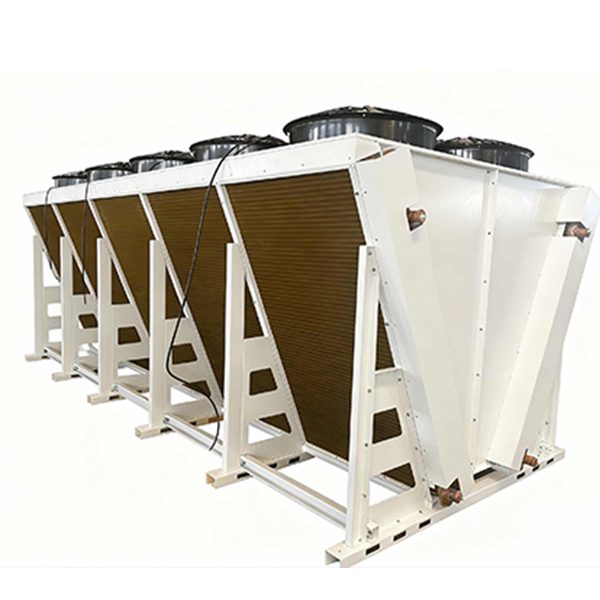
The evaporator inside the room is the other heat-transfer surface. Frost on the evaporator acts as insulation, reducing cooling capacity and causing the compressor to run longer. Defrost systems should be checked for proper termination and drain performance. Ice around the evaporator, water dripping inside the room, or a drain line that freezes indicates a defrost or airflow problem that should be repaired before it spreads.
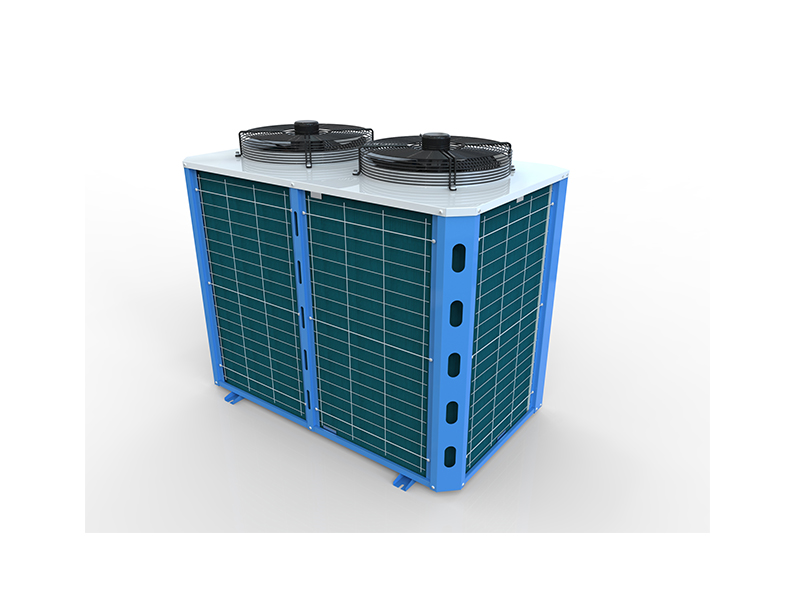
Condenser cleaning matters because a restricted coil raises discharge pressure and makes the compressor work against a hotter rejection condition. <Condensing Unit Noise Reduction for Cold Room Applications> covers condensing unit airflow, fan condition, and location factors that also affect operation and noise.
Quarterly and Annual Checks for Insulation Seals and Refrigerant Levels
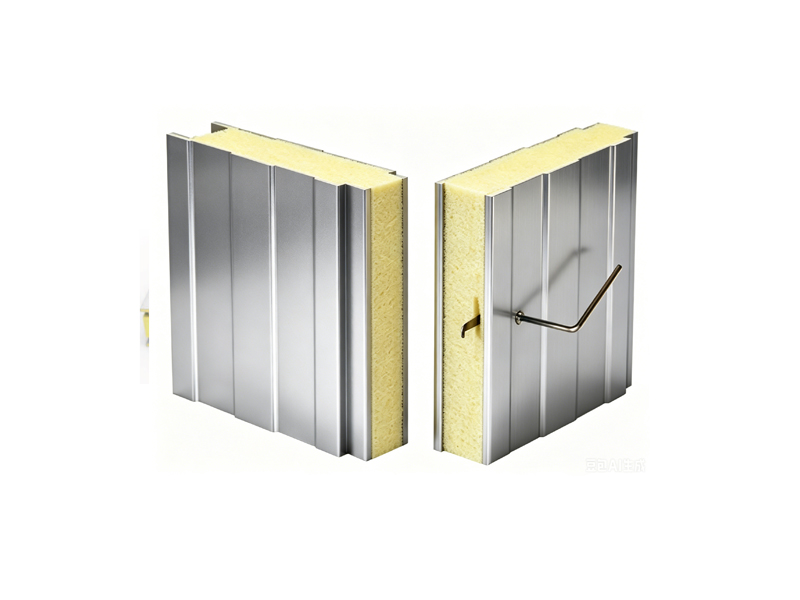
Quarterly and annual maintenance looks at the parts that degrade slowly. Insulation panels, door heaters, and vapour seals should be inspected for moisture entry, delamination, and physical damage. Water inside a panel reduces insulation value and can freeze inside the structure. Panel joints and floor edges need particular attention in freezer rooms where small air leaks create persistent ice.
Refrigerant checks should be performed by a qualified technician. A falling charge reduces cooling capacity and can cause the compressor to overheat, while a visible oil stain near a joint may indicate a leak. Electrical connections should be tightened, contactors inspected for pitting, and safety controls tested. These tasks are also the right time to confirm that the set points, defrost schedule, and alarm thresholds still match the products being stored.
How to Turn the Checklist into Factory Records and Audit Evidence
A checklist becomes a quality record when it includes the reading, the person responsible, the date, and the action taken after a failure. Temperature logs should be kept even when the system runs normally. For food safety audits, the most useful records show that the factory noticed a deviation, corrected it, and checked that the correction worked. A missing temperature record is harder to defend than a recorded deviation with a documented fix.
Maintenance records support more than uptime. They help demonstrate that the factory controls temperatures before a retail, export, or insurance review. <Cold Room Equipment Warranties: A Buyer’s Guide to Guarantees> covers how documented service history and warranty conditions interact.
The record system does not need to be complex. A paper log, a controller export, or a maintenance app can all work if the information is complete and reviewed. The key is to review the records weekly so that small drifts are corrected before they become repeated failures.
Common Cold Room Failures That a Maintenance Schedule Catches Early
Most cold room failures are not sudden. They begin as a slow change that an operator can detect with the right checks. Common examples include refrigerant leakage causing gradual capacity loss, a blocked drain line creating ice under the evaporator, a failing door heater allowing frost around the opening, and a drifted sensor showing a temperature that is no longer accurate. Each of these conditions produces a sign before it produces a full failure. The maintenance schedule works when someone is assigned to look for those signs and has the authority to stop operations when a risk appears.
Set Up a Factory Maintenance Schedule
A useful next step is to convert the checks above into a site-specific schedule. Review the current cold room set points, refrigerant type, runtime, and last service date, then confirm which spare parts should be kept on hand. Send those details to MELUCK at meluck@meluckcooling.com or +8617369893087. We can help you build a preventive maintenance plan matched to your cold room configuration and food safety requirements.
FAQ
How often should a food factory cold room be serviced by a technician?
A qualified technician should inspect the refrigeration system at least quarterly for a continuously operated food factory. Daily and weekly checks can be performed by trained site staff. The interval may need to be shorter in hot, dusty, or high-humidity locations, or when the room stores high-risk products that cannot tolerate temperature fluctuation.
What temperature records do food safety auditors expect?
Auditors generally expect continuous temperature records or frequent manual readings, alarm event records, and evidence of corrective action after a deviation. The exact format depends on the audit standard and the product risk. A complete record should include the time, the reading, the set point, the person checking, and any action taken.
Can a cold room keep running if the door seal is damaged?
It can run, but the damage should be repaired promptly. A damaged seal allows warm, humid air to enter, which increases frost, energy use, and the risk of condensation. Over time the cooling system works harder, and stored product may experience temperature swings near the doorway.
How do I know if the condenser coil is too dirty?
Compare the operating discharge pressure with the expected range for the current ambient and load conditions. A visual inspection showing blocked fins, dust accumulation, or restricted airflow is also a clear sign. If the coil is dirty or the discharge pressure is higher than normal, clean the coil and recheck performance.
What spare parts should a factory keep for cold room maintenance?
Useful spare parts usually include door gaskets, control sensors, fuses, contactors, fan belts, and drain line components. The correct list depends on the condensing unit, evaporator, controller model, and the availability of local service support. Keep the parts that are most likely to cause downtime when they fail, and confirm lead times with the refrigeration supplier.
If you're interested, check out these related articles:
Cold Room Project in Nigeria: 60Hz Equipment for Hot Climate
Cold Room Project Morocco: Citrus and Seafood Cold Chain
Cold Room for African Processing Zones: Sourcing and Setup
With over 15 years of experience as a MELUCK refrigeration engineer, I specialize in the design of cold storage, chillers, ice makers, and cold chain energy-saving systems, providing technical support to distributors and engineering companies worldwide.

meluck