
Cold Room Solutions for Argentina Beef Processing and Export
Cold room solutions for Argentina beef operations begin with a defined chilling curve, not a generic storage temperature. I have seen plants in South America where compressors were sized correctly but the room still failed because the airflow did not pull heat out of warm carcasses fast enough. Beef processors need a chain that keeps carcass surfaces dry, holds chilled product near 0°C, and brings frozen cartons below -18°C without spending more electricity than the cut margin allows. MELUCK designs these rooms around the process first, then matches the refrigeration package to the actual site.
The Chilling Curve Behind Cold Room Solutions for Argentina Beef
Beef quality is locked in during the first hours after slaughter. A carcass that stays warm too long develops tougher muscle structure through heat shortening, and a surface that stays wet invites bacterial growth. The chilling curve therefore has two jobs: remove field heat fast, then hold product without freezing it until rigor resolves.
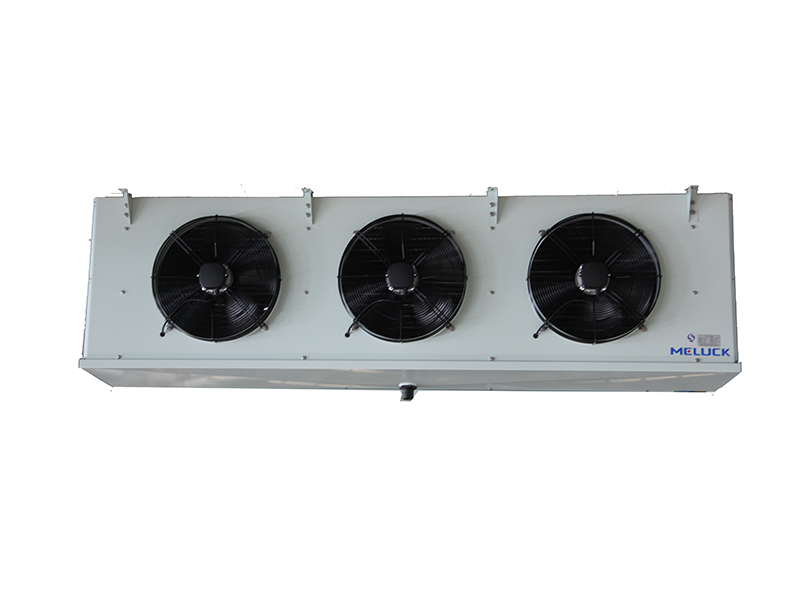
In practical terms, a carcass chilling room should pull air from floor level and discharge it across the hindquarters and forequarters, not simply flood the room with cold air. Uneven airflow is the most common defect I find in older plants. In our South American projects, we specify ceiling-mounted air coolers with enough face velocity to reach the rail space, and we configure controls to avoid short cycling during hot afternoon pull-down.
For chilled export cartons, we typically hold 0°C to 2°C. For frozen cuts, -18°C is the minimum, but I prefer -20°C to -22°C setpoints in Argentina because door traffic and loading sessions push the room above target for short periods. In the Manta, Ecuador multi-temperature project, the plant runs blast freezing at -35°C, frozen storage at -18°C, and processing at 5°C to 10°C with separate Bitzer compressor packages for each zone. The lesson for beef plants is the same: one oversized system cannot control separate zones as well as matched units.
Condensing Unit Matching for Cold Room Solutions in Argentina
Condensing units are where I see most budget specifications go wrong. A unit selected only for room temperature and volume will struggle when the condensing side sits in a hot plant yard. In northern Argentina, summer ambient can reach 40°C, which reduces the unit's effective capacity at exactly the moment the room load is highest.
Load Calculation Before Unit Selection
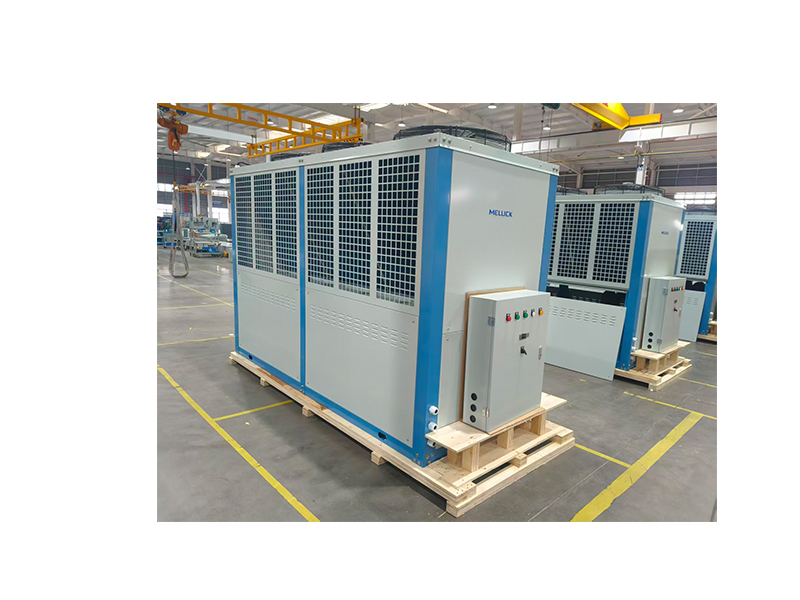
The load calculation for a beef room includes product pull-down, fan heat, defrost heat, and door infiltration. The empty room volume alone is not enough. We treat the warm carcass load as the largest single figure, then check the condensing unit against the hottest expected ambient day rather than a design average.
| Zone | Typical Setpoint | Equipment We Prioritize | Reason |
|---|---|---|---|
| Carcass chilling room | 0°C to 2°C | Bitzer 20HP medium-temperature condensing unit | Matches pull-down load and restarts reliably in high ambient |
| Deboning and packaging room | 8°C to 10°C | Bitzer 25HP condensing unit | Holds stable temperature during long operating shifts |
| Frozen storage | -18°C to -22°C | Bitzer 30HP or 34HP low-temperature unit | Maintains capacity at a low evaporating temperature |
| Blast freezing | -30°C to -35°C | Bitzer 2-stage 16HP or 20HP unit | Reaches deep freezing temperatures without overstressing the compressor |
| Large plant or multi-zone | -25°C to -40°C | Screw compressor condensing unit | Handles continuous high-capacity operation |
Argentina runs a 50Hz supply, so we stock 50Hz-ready condensing units and specify motors and controls that do not need reconfiguration after arrival. For plants in humid coastal areas, the condensing unit also needs a coated condenser coil or a maintenance schedule that accounts for salt air when the site is near the ocean.
Panel, Door, and Insulation Choices for Argentine Beef Plants
Insulation is not the place to save money on a beef room. The panel core and joint design decide how much moisture enters the room and how stable the temperature remains during defrost. For frozen beef storage, I specify PIR panels for their higher thermal resistance and B1 fire rating. For chilled rooms where budget is tighter, PUR panels with a camlock system are acceptable when the room will run above 0°C.

We commonly use 100 mm panels for chilled rooms and 150 mm for freezer and blast applications. The joint matters as much as the core. A poorly sealed panel joint lets moisture migrate into the insulation, which reduces thermal performance and creates the conditions for ice buildup behind the liner.
For high traffic loading docks, a manual sliding door reduces cold air loss compared with a hinged door. For larger logistics openings, a sectional door works better because it lifts vertically and does not need side clearance. We pair these with reinforced door frames because beef pallets and carts hit edges more often than plant operators expect.

Argentine Beef Export Compliance and Cold Room Monitoring
Export markets do not just care that beef arrived cold. They can audit the temperature record backward through the entire storage period. Argentine processors shipping to overseas buyers need rooms that log temperature at fixed intervals, alarm on door openings or compressor failure, and retain records in a format the plant can present during inspection.
Monitoring and Records for Compliance
Plants operating under SENASA inspection generally need written monitoring procedures and calibrated sensors. A HACCP plan for the cold room should treat defrost cycles and loading periods as control points, because both can push product temperature briefly above the setpoint if sensors are placed in dead zones.
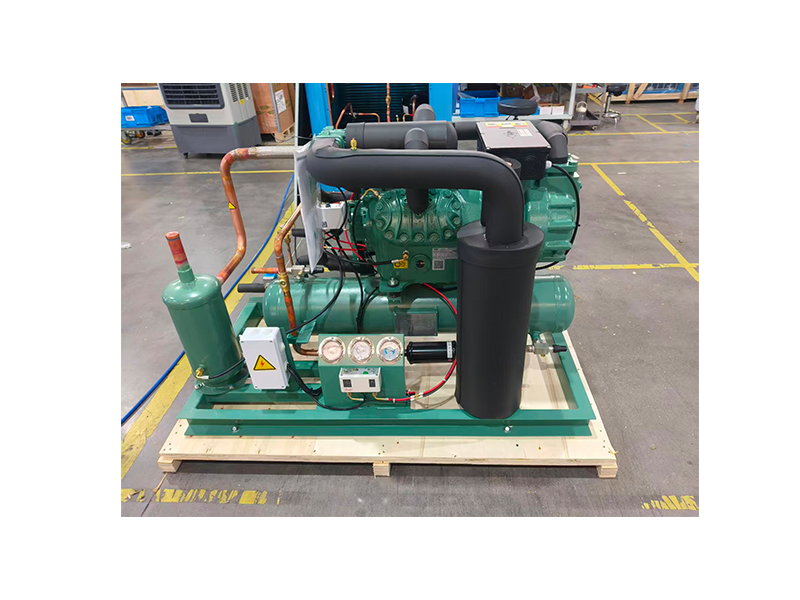
Beef that is frozen slowly forms large ice crystals inside the muscle, which shows up as purge loss after thawing. A blast freezer at -30°C to -35°C pulls the core temperature down faster and avoids much of that damage. In an avocado project in Peru, adding a stable pre-cooling room reduced spoilage from roughly 15% to below 4%. The same principle applies to beef: the earlier product reaches its target temperature, the longer it holds export quality.
Specification Confirmation for Cold Room Solutions in Argentina
Beef processors usually know their target tonnage, but the specification details that decide energy cost and product loss are less visible: temperature zone count, peak load during loading, door traffic, defrost method, and spare parts availability. Guessing at these points leads to a room that works during commissioning but drifts during February heat or export season.
When we quote a beef cold room project in Argentina, we review the process flow, product inlet temperatures, shift schedule, and available power supply, then confirm the condensing unit pairing, panel thickness, evaporator placement, and control sequence as one package.
Send your beef plant capacity, target temperatures, and site power details to meluck@meluckcooling.com or call +8617369893087. We will confirm a matched specification, including the condensing unit selection and panel layout, before you commit to the project.
Common Questions About Beef Cold Room Projects in Argentina
What temperature should a beef cold room hold for export?
For chilled export cuts, hold the room at 0°C to 2°C. For frozen beef, set the room at -18°C or lower, with -20°C to -22°C preferred when doors open frequently. The real control point is not the setpoint, it is pull-down speed. Carcasses need to reach their target temperature fast enough to prevent bacterial growth and heat shortening. That means the evaporator and condensing unit must be matched to the warm product load, not just the empty room volume. If product arrives warm or doors stay open during loading, a room at the correct setpoint can still fail an audit.
Does a blast freezer make sense for a small Argentine beef plant?
It depends on the destination market and product form. If the plant exports frozen cuts or boxes large-volume trim, a blast freezer is usually justified because slow freezing damages texture and increases thaw loss. If the plant mainly sells chilled sides to the domestic market, a dedicated blast freezer may not pay back quickly. The decision point is freezing rate. A compact -30°C to -35°C blast freezer with a matched Bitzer 2-stage unit is often more useful than adding another cold storage room, but only when the weekly frozen throughput is large enough. We calculate the expected freezing time against the plant's cutting and boxing speed before recommending one.
How do I size a condensing unit for Argentina's power supply and climate?
In projects we have supplied across South America, the condensing unit is rarely limited by the room load alone. High ambient temperature and voltage stability matter just as much. We size the condensing unit so it holds capacity when the outdoor side is hot, usually by selecting the next larger compressor when the yard is enclosed or exposed to afternoon sun. We also confirm the power supply frequency and phase. Argentina runs on 50Hz, and equipment selected for 60Hz will not perform the same. If the site has voltage variation, we specify controls that protect the compressor instead of relying on the plant's main supply quality.
How long does a beef cold room project take in Argentina from order to startup?
The better question is what can be shortened and what cannot. Panel production, sea freight, customs clearance, and installation each have fixed minimums. We manage the longest lead item by prioritizing the condensing unit and panel order first, while completing the site survey and load calculation in parallel. For a standard beef cold room with PU panels and a matched condensing unit, the practical window after site confirmation is usually several weeks, plus shipping to the port. Site preparation causes more delay than equipment production. Send your required startup date and site location to meluck@meluckcooling.com and we will confirm the delivery route and installation schedule that fits.
If you're interested, check out these related articles:
Freezer Room Solutions -25C~-18C - Meluck
Blast Freezer Room Solutions -40C~-60C - Meluck
With over 15 years of experience as a MELUCK refrigeration engineer, I specialize in the design of cold storage, chillers, ice makers, and cold chain energy-saving systems, providing technical support to distributors and engineering companies worldwide.

meluck