
Cold Room for Fish Markets: Setup and Equipment Requirements
Cold room for fish markets works best when it is treated as a wet, heavy-duty workspace rather than a standard dry store. The core requirement is simple: hold fresh fish at 0°C to 4°C for short-term display and overnight storage, while keeping a separate freezer area at -18°C or below for surplus stock, prepared fish, or extra ice. A practical market setup uses the right condensing unit, a corrosion-resistant evaporator, well-sealed panels, and a floor drain that can handle washdown water and melting ice. The biggest operating mistakes are usually not about temperature setpoints. They are about water pooling, door traffic, and equipment selected without enough corrosion protection.
What a Fish Market Cold Room Should Do
A fish market cold room carries more moisture than a general food cold room. The system must hold product temperature, remove heat quickly after frequent door openings, and survive daily cleaning with water and mild chemicals. If the room cannot drain or dry properly, the refrigeration system can still run correctly while the room becomes unsanitary.
A simple fish market setup normally covers three or four zones.
| Zone | Temperature | Main job |
|---|---|---|
| Fresh fish holding | 0°C to 4°C | Keep display stock firm and slow bacterial growth |
| Freezer storage | -18°C or below | Hold unsold fish, trimmings, or prepared portions |
| Ice store | -5°C to -10°C | Prevent flake ice from melting and clumping |
| Clean prep area | 5°C to 10°C | Keep cutting, washing, and packing under cold chain conditions |
These bands should be treated as operating targets. A fish market with heavy traffic will move between them during the day, so the equipment needs enough capacity to recover after the morning rush rather than just maintain an empty room at the setpoint.
Which Fish Market Room Should Come First
Most fish markets should start with the room that matches the daily sales pattern. If the stall sells mostly fresh fish within one or two days, a chiller room or cold display cabinet is the first priority. If the business buys whole fish, cuts portions, or keeps unsold stock for later processing, the freezer room becomes more important because it controls spoilage and allows stock rotation.
| Situation | First priority | Reason |
|---|---|---|
| Daily fresh fish turnover | 0°C to 4°C chiller | Keeps product firm and slows spoilage |
| Unsold fish held for later sale | -18°C freezer | Prevents loss and supports stock rotation |
| Heavy flake ice use | Insulated ice store | Reduces melting and water load |
| Shellfish and prepared packs | Chiller plus clean prep area | Limits exposure during handling |
When the market also freezes surplus fish or prepared portions, do not treat the freezer room as an oversized chiller. <Seafood Export Blast Freezer: IQF Standards and Rapid Freeze> covers rapid freezing standards and the temperature path needed for seafood quality.
Wet Market Layout, Drains and Washdown Surfaces
The floor and drain matter as much as the compressor in a fish market cold room. A market room is normally washed down every day, and meltwater from ice bins adds to the water load. If water sits under pallets, door tracks, or panel joints, it encourages rust, mold, and off-odors.
The room should have a smooth floor that falls gently toward a trapped drain. The floor-to-wall junction should be coved or sealed so washdown water cannot collect at the edge. Panels should be joined tightly, and the lower wall area should be protected from carts, crates, and hoses. The door should close firmly after every pass and should not rely on staff to pull it shut by hand.
A fish market room should also be designed so the daily washdown leaves no standing water behind. <Cold Room Food Safety Audit: Prep Tips for Inspections> covers what inspectors look for when they check seafood cold storage.
Refrigeration Equipment for Small and Medium Fish Markets
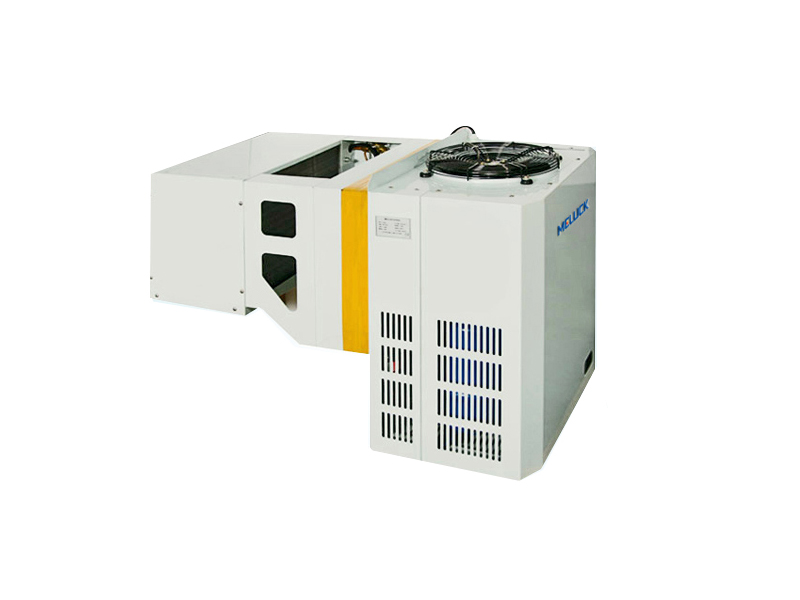
For a small market room, a monoblock unit is often the fastest installation because it combines the condenser and evaporator in one wall-mounted package. It suits stalls with limited machine-room space and a shorter fresh-holding cycle. The unit should still be protected from direct water spray and washed according to the manufacturer's instructions.
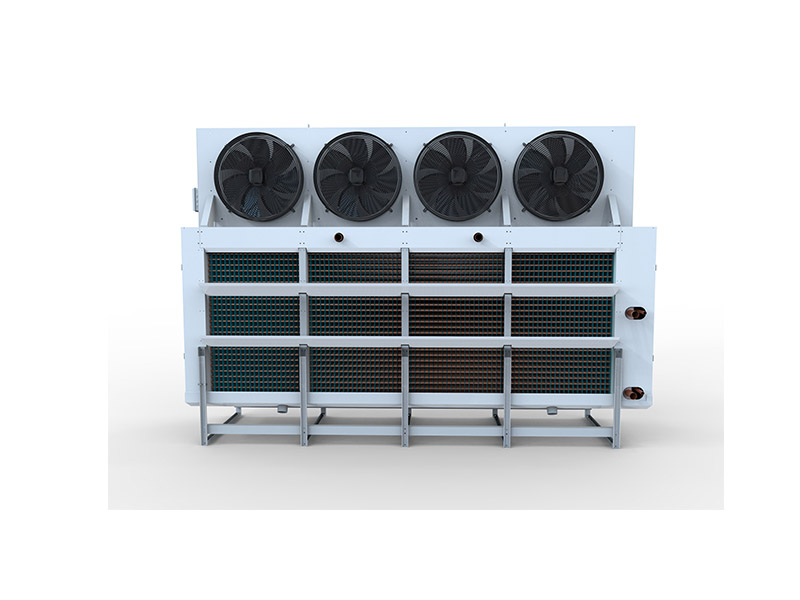
A separate split system usually becomes the right choice when the room is larger, the door traffic is high, or the room is designed for freezing. A low-temperature condensing unit should be matched with an evaporator that can handle frost and a defrost method appropriate for the room. For a wet market, the coil finish and drain pan matter because salty air and cleaning chemicals accelerate corrosion.
Before selecting equipment, the market should confirm the available power supply, maximum starting current, and whether a backup generator or shared main supply will be used. A wet market may share a limited electrical supply or rely on a generator during outages. <Cold Room Power Solutions for Remote Locations and Islands> covers off-grid and generator-powered refrigeration options.
Insulation, Panels and Doors for Wet Conditions
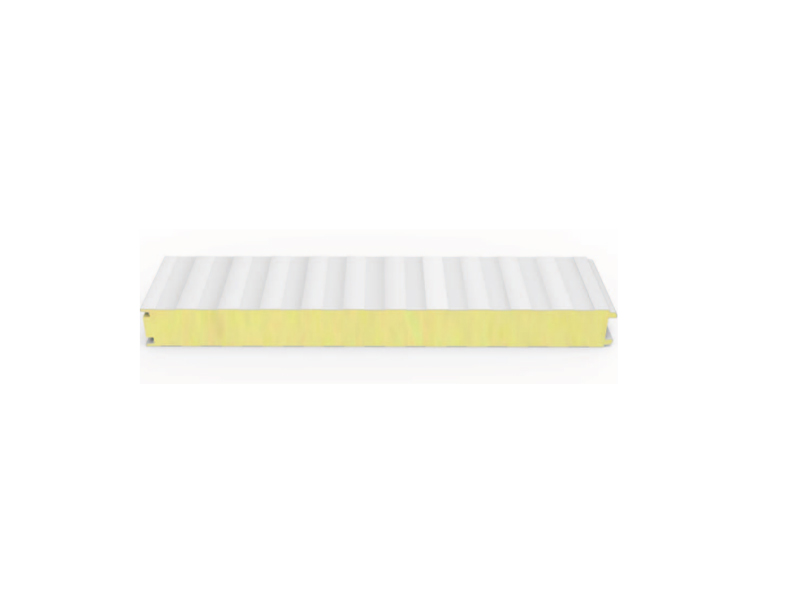
Panel selection for a fish market cold room should balance insulation value, fire rating, and moisture resistance. PIR panels are a practical default because they provide strong thermal performance and a B1 fire rating, which is useful in a busy market building. PUR panels can work for a simple chiller room, but the panel joints and door thresholds still need careful sealing.
The door is part of the insulation system. A fish market door should have a good gasket, a smooth track that can be cleaned, and enough strength for frequent use by carts and crates. If the door seals poorly, frost forms around the frame, the compressor runs longer, and condensation wets the floor in front of the room.
Ice Storage and Flake Ice Machine Sizing
Flake ice is normally better for fish display than block ice because it is soft, makes better contact with the fish, and does not bruise fillets. The ice machine should be sized for peak sales, not average daily volume. A small stall or restaurant display can usually start with 0.5 to 1 ton per day. A market hall with several fish counters often moves to 5 tons per day or more, while a central market supplying surrounding stalls may need a 10-ton system.
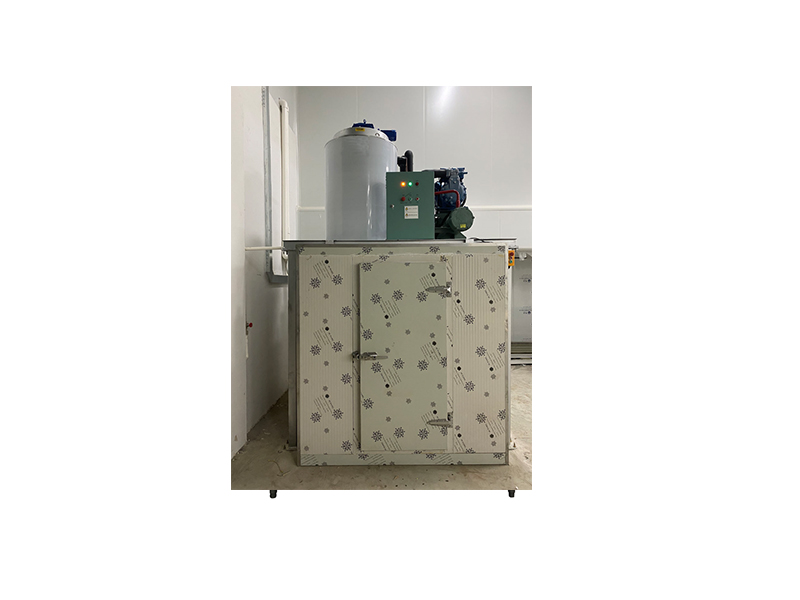
Ice storage should be treated as part of the cold room plan. If flake ice is stored in an uninsulated bin, it melts into water and adds load to the drain. A small insulated bin or a dedicated ice store at -5°C to -10°C keeps ice usable through the morning rush.
Setup Sequence and Daily Operating Checks
A simple fish market cold room follows a practical sequence.
- Confirm the available space, floor drain, power supply, and how products move in and out.
- Decide whether the room is for chilled holding, freezing, or both.
- Size the condensing unit and evaporator from room volume, product load, and door traffic.
- Seal the floor, install panels and door, and connect the drain correctly.
- Set defrost times around the market opening hours instead of leaving the factory default.
- Run an empty pull-down before loading fish and check that the door closes and seals.
- Record product temperature at the start and end of each day with a separate probe.
Common early warnings include ice build-up on the coil, water outside the door, a door that does not close by itself, and a controller that reaches setpoint but then drifts upward during trading hours. These signs should trigger a maintenance check before product loss occurs.
Get a Fish Market Cold Room Layout Matched to Your Stall or Market
A fish market cold room is not a standard dry-store box. It works only when the panels, drain, refrigeration equipment, and ice handling are selected together for wet conditions. Send the stall dimensions, expected daily fish volume, ice requirement, and available power to Shanghai Meluck Refrigeration Equipment Co., Ltd. Our team can match the right cold room panels, condensing unit, evaporator, and flake ice machine to the market's washdown-heavy environment.
Contact us at meluck@meluckcooling.com or +8617369893087.
FAQ
What temperature should a fish market cold room run at?
Fresh fish should be held at 0°C to 4°C, while frozen fish and surplus stock should be kept at -18°C or below. Flake ice stores usually sit at -5°C to -10°C to reduce melting. Use a separate thermometer to verify product temperature rather than relying only on the controller display.
Is a monoblock unit enough for a fish market cold room?
For a small fresh-fish chiller room, a correctly sized monoblock unit can be enough. For a freezer room, high door traffic, or a larger market hall, a split system with a low-temperature condensing unit and defrost-capable evaporator is usually more reliable.
How much flake ice does a fish market need?
The machine should be sized for the peak trading period. A small stall may need 0.5 to 1 ton per day, while a busy market hall often moves to 5 tons per day or more. A central market supplying several stalls may need 10 tons per day. Spare insulated ice storage helps cover the morning rush.
How do you stop a fish market cold room from smelling and rusting?
Wash the room daily with a food-safe cleaner, dry or drain the floor after cleaning, clean the drain and door track, and check panel seals. Use a corrosion-resistant evaporator, protect the lower wall area, and repair standing-water problems instead of masking them with stronger cleaning chemicals.
If you're interested, check out these related articles:
Cold Storage Projects in Ghana for Food and Agriculture
Processing Room Solutions for Food Plants
Cold Room Equipment Warranties: A Buyer’s Guide to Guarantees
Cold Storage Project ROI: A Practical Financial Evaluation
Cold Room for Food Importers and Distributors: Multi-SKU
With over 15 years of experience as a MELUCK refrigeration engineer, I specialize in the design of cold storage, chillers, ice makers, and cold chain energy-saving systems, providing technical support to distributors and engineering companies worldwide.

meluck