
Cold Storage Projects in Ghana for Food and Agriculture
Cold storage projects in Ghana fail most often when equipment selected for cooler markets is dropped into Accra's heat and humidity without adjustment. We have corrected enough of these installs to see one pattern clearly: the project outcome depends more on ambient temperature design, insulation density, and compressor selection than on brand names. A well matched cold room keeps mango, tomato, fish, or poultry within a narrow temperature band through grid dips and heavy pull-down loads. The requirements below set out equipment and sequencing that match Ghana's food processing and agricultural storage conditions.
Cold Storage Projects in Ghana Start with Product Requirements
Most cold storage failures in Ghana are not compressor failures. They are specification failures: the room was built for the wrong temperature band or the wrong product mix. We start every project by fixing the required room type and set point before any equipment is quoted.
Fresh tomato, pepper, and leafy vegetables need a chiller room holding +8°C to +12°C with high relative humidity. Fish, poultry, and fresh meat need a colder chiller room at 0°C to +4°C. Frozen exports need a freezer room at -18°C to -25°C. Quick freezing for tuna, shrimp, or value added products needs a blast freezer room at -30°C to -40°C. A separate processing room at +5°C to +10°C keeps sorting and packaging from breaking the cold chain.
| Product flow | Room type | Holding temperature | Typical equipment |
|---|---|---|---|
| Fresh fruit and vegetables | Chiller room | +8°C to +12°C | Bitzer medium temperature condensing unit, DL air cooler |
| Fish, poultry, and fresh meat | Chiller room | 0°C to +4°C | Bitzer or Copeland medium temperature unit |
| Frozen finished products | Freezer room | -18°C to -25°C | Bitzer low temperature condensing unit, DD air cooler |
| Quick freezing for export | Blast freezer room | -30°C to -40°C | Bitzer two stage or screw unit, blast freezer evaporator |
| Sorting and packaging | Processing room | +5°C to +10°C | Bitzer 25HP class unit, ceiling mounted air cooler |
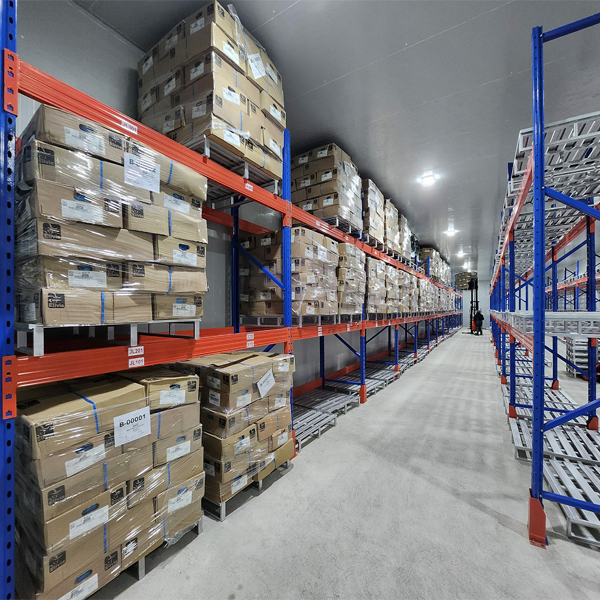
The table is a starting point, not a final design. When multiple products share one facility, zoned rooms reduce cross contamination and make power use easier to control. Our multi zone projects in Egypt and Ecuador followed the same logic: blast freeze, package, store, and dispatch in separate temperature bands rather than forcing one large room to do everything.
High Ambient Temperatures Rewrite Equipment and Insulation Choices
Ghana's coastal humidity and northern heat punish equipment that works in milder climates. A condensing unit sized only for the room's storage load may run fine in a cool climate, then trip on high discharge temperature when the outdoor air crosses 38°C or 40°C. We select medium and low temperature condensing units for the design ambient condition, not the annual average.
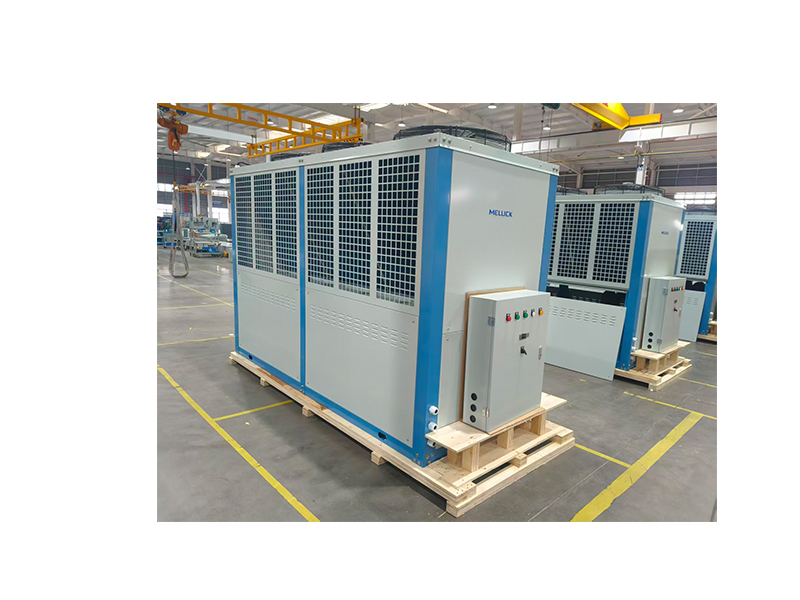
Bitzer semi-hermetic reciprocating units from 3HP to 50HP cover most small and medium rooms. For larger cold stores, a Bitzer screw condensing unit running from -25°C to -40°C makes more sense. The compressor type is less important than confirming the unit can reject heat at the site's peak ambient temperature.
Air cooler selection follows room temperature. DL evaporators suit chiller rooms, DD units suit freezer rooms, and DJ units with dedicated blast freezer evaporators handle quick freeze rooms.
Panel choice matters just as much. PIR panels carry a B1 fire rating and offer better thermal resistance than standard PUR panels, which matters when a freezer room runs at -18°C to -25°C all day. For hot climate projects we specify high density polyurethane or polyisocyanurate panels with proper thickness, and we pay close attention to floor insulation and vapor sealing because moisture driven by high outdoor humidity can collapse insulation performance over time.

If your project involves a site with frequent grid dips or outdoor temperatures above 38°C, it is worth confirming compressor voltage tolerance, condenser sizing, and panel thickness before final equipment selection. Send your site location, product type, and room dimensions to meluck@meluckcooling.com and we will check the match.
Agricultural Products in Ghana Need Specific Set Points and Humidity Control
Agricultural products do not share a single ideal temperature. Tomatoes, for example, hold better around +8°C to +12°C. In our tomato cold room project in Myanmar, we set the room at that band and used ceiling mounted air coolers to keep temperature even throughout the space. The client reduced spoilage and gained flexibility in harvest scheduling.
Avocados in Peru were similar. We built a pre-cooling room at +10°C with two Bitzer 20HP condensing units and two evaporators. Before the room was installed, about 15% of harvested fruit was lost. After commissioning, rejection and spoilage dropped below 4%. That difference came from rapid pre-cooling, stable set point, and cold room doors that limited air loss during loading.
Humidity control is product specific. Leafy vegetables and cut flowers need high relative humidity, usually 85% to 95%, while onion and garlic storage needs lower humidity and more airflow to prevent mold. Fish and meat want low temperature and controlled defrost to avoid surface ice burn. Frozen products need stable air temperature, not just cold walls.
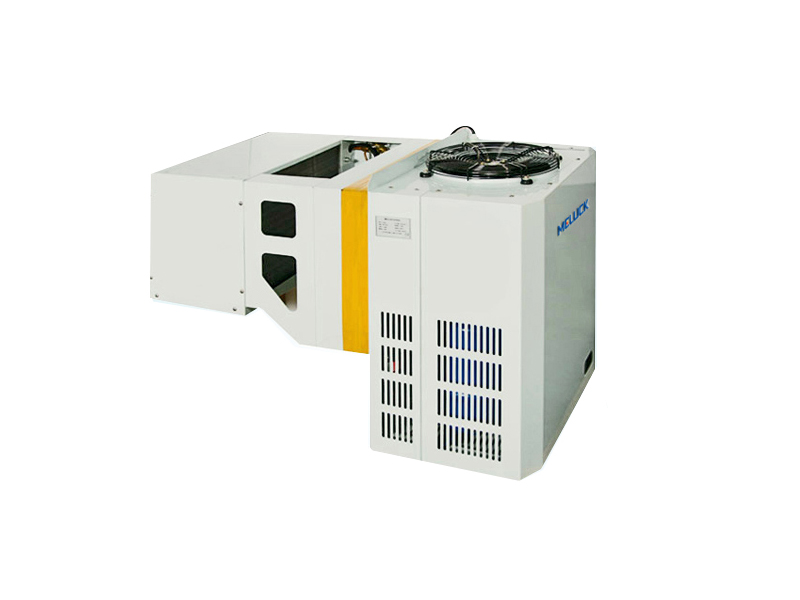
For smallholder aggregation or pack houses, a monoblock unit can simplify installation because the condenser and evaporator are integrated. It works well for compact chiller rooms and produces fewer piping joints on site.
Installation Quality and Running Costs Decide Cold Storage Payback in Ghana
Cold room panels and compressors do not save money if the installation leaks air or the controls are never commissioned. We run a standard sequence: site survey, panel assembly, vapor sealing, piping, electrical connection, vacuuming, refrigerant charge, performance test, then operator training. In Manta, Ecuador, that sequence linked five zones, including a blast freezer at -35°C, frozen storage at -18°C, ice storage at -10°C, a processing room at +5°C to +10°C, and a 10 ton per day flake ice plant. The plant ran as one closed loop instead of scattered equipment.
Running costs are decided early. A freezer room with poor insulation will run longer hours and pull more power. Door seals, floor insulation, and clean condenser coils often matter more than the compressor brand. We commonly specify 100mm panels for chiller rooms and 150mm for freezer rooms in hot climates, then verify the actual pull down time during commissioning.
Payback in Ghana usually comes from reduced shrinkage and fewer export rejections, not just electricity savings. A room that holds temperature through load pulldown protects more saleable weight.
Serious Buyers Send Site Data Before Final Equipment Selection
Most buyers lose time when they ask for a price before confirming the room size, product type, target temperature, ambient site conditions, and available power. That missing data is the reason quotes arrive slowly or equipment arrives mismatched.
Once we have those five data points, we can match the correct condensing unit, air cooler, panel thickness, and control package without guesswork. Send the site location, product mix, room dimensions, and power supply to our engineering team at meluck@meluckcooling.com or call +8617369893087. Include a sketch or photos of the site if available.
Buyers Often Ask These Questions About Cold Storage Projects in Ghana
How much does a cold storage project in Ghana cost?
A small chiller room starts at a different budget level than a multi zone freezer complex. The cost depends on room volume, insulation thickness, condensing unit size, installation labor, and controls. A compact chiller room costs far less than a blast freezer room with a Bitzer two stage unit. The more useful question is what the room must hold and for how long. If you send us room size and product target, we can return a preliminary equipment breakdown rather than a single misleading number.
Do cold rooms in Ghana work reliably with grid power?
Many buyers assume grid power is the main risk, but the larger risk is often voltage drop and high outdoor temperatures, not total blackout. A properly sized condensing unit with phase protection and a restart delay can operate through many supply issues. In more remote sites, a generator running the room needs enough starting current for the compressor. If your site has frequent low voltage, confirm the electrical panel includes protection before ordering.
Which products can share a cold room?
It depends on the temperature band and odor transfer. Fresh produce that needs +8°C to +12°C should not share a room with wet fish or meat at 0°C to +4°C. Frozen products at -18°C can share if packaging is sealed and labels are clear. For mixed operations, we recommend zoned rooms rather than one compromise temperature. The compromise often loses both product quality and energy efficiency.
How long does installation take in Ghana?
In projects we have installed in hot climates, a standard prefabricated cold room can go from panel assembly to commissioning in a few weeks once the foundation and power are ready. The longer time is usually spent on site preparation, not refrigeration. If your site has a level floor, available power, and agreed room location, installation moves quickly. If those are not ready, timeline guesses are not honest.
What warranty and after sales service should I expect?
A better question than what warranty do you offer is which parts are covered, and who carries out service. Compressor manufacturers like Bitzer carry their own warranty terms, and our team covers installation workmanship, panel integrity, and commissioning. We also handle operator training and after sales technical response. Ask for the warranty document before payment, and keep the commissioning report on file. Share your exact room type and operating voltage with meluck@meluckcooling.com, and we will confirm the applicable warranty terms before quoting.
If you're interested, check out these related articles:
Blast Freezer Room Solutions -40C~-60C - Meluck
Chiller Room Solutions -10C~10C - Meluck
Freezer Room Solutions -25C~-18C - Meluck
With over 15 years of experience as a MELUCK refrigeration engineer, I specialize in the design of cold storage, chillers, ice makers, and cold chain energy-saving systems, providing technical support to distributors and engineering companies worldwide.

meluck