
Stainless Steel Flake Ice Machines for Food-Grade Hygiene Requirements
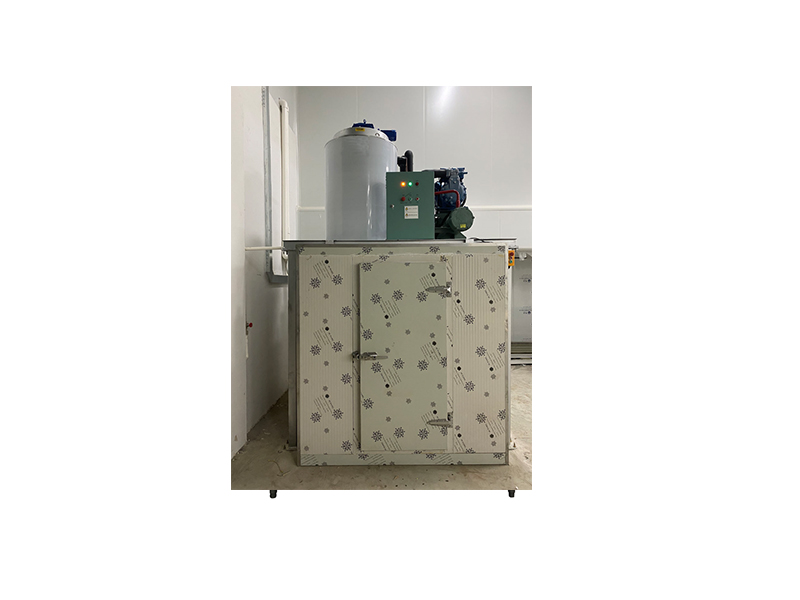
Flake ice cools quickly, conforms around product, and keeps seafood, poultry, produce, and prepared foods moist without bruising surfaces. In a food-grade operation, the material and design of the flake ice machine are part of the food safety system, not just the utility system. Stainless steel contact surfaces, clean welds, drainability, and a documented cleaning routine help processors meet HACCP expectations and pass third-party hygiene audits.
Food-Grade Material Selection and Fabrication
A food-grade flake ice machine starts with the wetted parts. The evaporator, ice chute, storage bin, and water line components should be non-toxic, corrosion-resistant, and easy to clean [1][2].
304 stainless steel is a standard choice for fresh water and general food processing. 316 or 316L stainless steel is usually better for seafood, brine, acid-based sanitizers, and coastal plant environments because it offers stronger chloride resistance [4].
Fabrication details matter as much as the alloy. Continuous, polished welds reduce cracks where food soil can collect. Smooth surfaces, rounded corners, and FDA- or NSF-compliant gaskets limit harborage points and make cleaning faster [3][4]. Closed-cell insulation on the cabinet should be sealed to prevent moisture ingress and mold growth.
MELUCK builds flake ice machines with food-grade stainless steel contact surfaces and can match the alloy to the application. A 0.5-1 ton stainless steel flake ice machine is suitable for small seafood counters and preparation rooms, while larger models use the same hygienic contact design.
Hygienic Design Features and High-Risk Applications
Food safety is easier to maintain when the machine is designed to avoid standing water and hidden crevices. Key features to check include sloped surfaces, fully drainable water trays, continuous polished welds in contact zones, sanitary seals at joints, a guarded or closed ice outlet, and tool-free access to contact surfaces for cleaning. These features reduce the risk of biofilm formation and make a sanitation log easier to defend during an audit [3][5].
Seafood processors have an additional reason to specify stainless steel. Flake ice is used directly on fish, shrimp, and shellfish, so any corrosion, metal transfer, or cleaning residue can become a food contact risk. 316L stainless steel and a potable water supply are common specifications for export-oriented seafood lines [1][2].
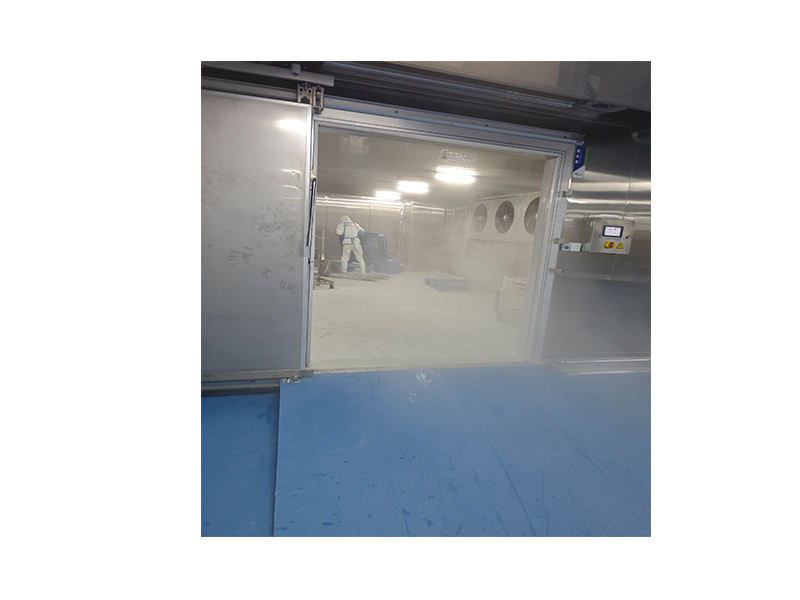
In practice, a hygienic flake ice machine should be evaluated as part of the wider cold chain. <Ecuador Multi-Temperature Cold Storage Project covers a 10T flake ice plant integrated with blast freezing, processing, and storage zones for seafood export.
Water Quality, Cleaning, and Sanitizing Practices
Even a well-built stainless steel flake ice machine cannot produce food-grade ice if the water supply is poor. Potable water, mechanical filtration, and regular microbial testing are the starting points. For seafood and produce, additional treatment such as UV or ozone may be used after confirming that the selected system and piping materials are compatible with the machine [4][5].
A practical sanitation routine should include daily rinse and inspection of ice contact surfaces, weekly removal of scale and mineral buildup, monthly sanitizing of the water tray, bin, and chute, quarterly checks of seals, drains, and nozzle screens, and a documented water treatment and sanitation log.
Cleaning chemicals must match the stainless alloy. Chlorine-based sanitizers are effective, but chlorine strength and contact time need to be managed to avoid pitting corrosion on 304 surfaces in warm, wet conditions.
The same audit logic applies in institutional settings where food safety zones are tightly controlled. <Cold Room for Hospital Food Service: Zones & Safety covers temperature zones and contamination controls for food handling areas.
Capacity Planning and Installation for Hygiene
Capacity should be based on peak daily ice demand, not average. A small kitchen may only need a 0.5-1 ton flake ice machine, while mid-sized processing rooms often select a 5-ton flake ice machine. Dedicated seafood processing lines and multi-room cold chain sites may require a 10-ton flake ice machine.
Installation affects hygiene as much as machine selection. Locate the ice machine away from raw product splash, provide access for cleaning, and slope the floor beneath the bin. If the unit is water-cooled, make sure the condenser water and plumbing are separated from the ice water circuit.
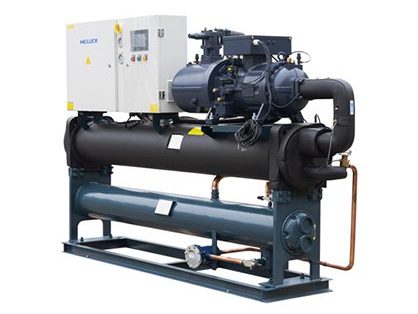
Multi-product operators can use the same separation principle when planning a food-grade ice and cold storage layout. <Cold Room for Food Importers and Distributors: Multi-SKU covers zone design and handling practices that reduce cross-contamination risk.
Buyer's Specification Checklist
| Specification point | Requirement to verify | Why it matters |
|---|---|---|
| Wetted surfaces | 304/316L stainless steel with no toxic coatings | Prevents corrosion, metal transfer, and cleaning chemical damage |
| Contact finish | Ra 0.8 µm or finer on food contact areas | Reduces biofilm formation and makes cleaning faster |
| Welds | Continuous and polished | Eliminates cracks where food soil and moisture collect |
| Seals and gaskets | FDA- or NSF-compliant materials | Limits harborage points at joints |
| Drainability | All water paths fully drainable | Prevents standing water and microbial growth |
| Water supply | Potable, filtered, and tested | Protects ice from source-level contamination |
| Ice outlet | Guarded or closeable | Reduces manual contact and airborne contamination risk |
| Documentation | Material certificates and finish reports | Supports HACCP records and third-party audits |

Work With Meluck on a Food-Grade Flake Ice System
Send the following details to get a configuration matched to your food safety requirements:
- Daily or peak ice demand in tons or kilograms
- Product type and target holding temperature
- Available water source and ambient room temperature
- Cleaning chemicals and sanitation schedule
- Power supply and phase
MELUCK supplies stainless steel flake ice machines from 0.5 to 10 tons per day and supports food processors with selection, installation planning, and after-sales service. Contact David Zhang at meluck@meluckcooling.com or call +8617369893087.
Frequently Asked Questions
Is 304 or 316 stainless steel better for seafood flake ice machines?
316 or 316L is usually better for seafood. The higher molybdenum content gives these alloys stronger resistance to chloride, brine, and seawater exposure. 304 is acceptable for fresh water and general produce applications, but seafood and coastal plants benefit from 316L on wetted surfaces.
Can a stainless steel flake ice machine be cleaned with chlorine?
Yes, but the concentration, contact time, and rinse procedure must be controlled. Strong chlorine solutions left on warm 304 surfaces for too long can cause pitting corrosion. Follow the chemical supplier and equipment manufacturer recommendations for the specific alloy and application.
How often should the ice contact surfaces be sanitized?
A practical baseline is monthly sanitizing for most food operations, plus daily rinse and inspection. High-risk seafood or ready-to-eat food areas may need more frequent sanitizing. The exact frequency should be based on water testing, audit requirements, and the facility HACCP plan.
What water treatment is required for food-grade ice?
At minimum, use potable water with mechanical filtration and regular microbial testing. For export-oriented seafood or produce operations, UV or ozone may be added to reduce microbial load. The selected water treatment must be compatible with the machine materials and piping.
Does food-grade stainless steel mean the machine is HACCP-compliant?
Stainless steel alone does not make a machine HACCP-compliant. HACCP compliance depends on how the equipment supports your sanitation procedures, water control, cleaning records, and verification activities. A well-designed stainless steel machine makes those procedures easier to perform and document [6].
References
[1] U.S. Food and Drug Administration. Food Code 2022. Chapter 4: Equipment, Utensils, and Linens. U.S. Department of Health and Human Services. Available: https://www.fda.gov/food/fda-food-code/food-code-2022
[2] European Commission. Regulation (EC) No 852/2004 of the European Parliament and of the Council of 29 April 2004 on the hygiene of foodstuffs. OJ L 139. Available: https://eur-lex.europa.eu/eli/reg/2004/852/oj
[3] ISO 14159:2002. Safety of machinery - Hygiene requirements for the design of machinery. International Organization for Standardization, Geneva, 2002.
[4] NSF/ANSI 51-2021. Food Equipment Materials. NSF International, Ann Arbor, MI, 2021.
[5] EHEDG Document 8. Hygienic Equipment Design Criteria. European Hygienic Engineering & Design Group, 2018.
[6] ISO 22000:2018. Food safety management systems - Requirements for any organization in the food chain. International Organization for Standardization, Geneva, 2018.
If you're interested, check out these related articles:
Cold Storage for Fishing Ports: Catch-to-Chill Design Guide
Cold Room for Cut Flower Export Ethiopia: A Practical Guide
Cold Storage Financing in Emerging Markets: Leasing Guide
Cold Room Zoning for Meat Packaging: Condensing Unit Guide
With over 15 years of experience as a MELUCK refrigeration engineer, I specialize in the design of cold storage, chillers, ice makers, and cold chain energy-saving systems, providing technical support to distributors and engineering companies worldwide.

meluck