
Condenser Maintenance for Commercial Refrigeration: Cleaning and Performance
Commercial condenser maintenance is one of the most cost-effective tasks in refrigeration operation. Air-cooled condenser coils in warehouses, food plants, supermarket compressor rooms, and processing facilities collect dust, grease, cottonwood fibers, and plastic film, often within a few months. A blocked condenser does not usually announce itself with a sudden failure. It raises discharge pressure gradually, increases compressor amp draw, and reduces cooling capacity until the system trips or product temperature drifts upward.
The condenser is the component that rejects heat from the refrigeration circuit. When the condensing surface is clean and airflow or water flow is correct, the high-pressure refrigerant vapor condenses back into liquid at a condensing temperature only moderately above the ambient or cooling water temperature. When the surface becomes fouled, the system compensates by raising the condensing temperature to push the same amount of heat through a smaller effective surface. That extra condensing temperature is paid for by the compressor in the form of higher pressure ratio and higher energy use.
Why Condenser Maintenance Matters for Refrigeration Performance
In a commercial refrigeration system, the condenser directly controls the high-side operating point. A well-maintained condenser keeps the condensing temperature close to the design value, which keeps the compressor suction-to-discharge pressure ratio low. Condenser maintenance therefore influences four operating results at once: energy consumption, cooling capacity, compressor reliability, and compliance with storage temperature targets [1].
For operators, the practical point is simple. A clean condenser allows the compressor to deliver full cooling capacity for the least electrical input. The same cold room or freezer reaches temperature faster, holds it with fewer starts, and produces fewer high-pressure alarms. This is why condenser maintenance appears early in standard inspection and maintenance practice for commercial HVAC and refrigeration equipment [2].
How a Dirty Condenser Increases Head Pressure and Energy Costs
The key engineering concept is approach temperature. For an air-cooled condenser, approach temperature is the difference between the saturated condensing temperature of the refrigerant and the ambient air entering the condenser. In a typical clean commercial system, the air-cooled condenser approach is usually in the range of 10°F to 15°F (about 5.5°C to 8°C) above entering air [1]. As the finned surface collects dirt, the approach temperature rises because the system must raise condensing temperature to maintain heat rejection.
The energy penalty is measurable. A condensing temperature increase of roughly 10°F (5.6°C) commonly adds about 3% to 6% to compressor energy consumption for the same cooling load [1]. Over a year of continuous operation, that difference appears directly in the electricity bill. National energy management guidance reaches the same conclusion: well-planned operation and maintenance routinely cuts HVAC and refrigeration energy use without requiring capital equipment changes [3]. The elevated discharge temperature also shortens compressor life because the compressor runs under higher pressure ratio and higher oil stress.
Dirty condenser conditions also reduce airflow. Debris, grease, and bent fins create uneven air distribution, and the condenser fan motor may draw near its limit while delivering less heat rejection. On smaller packaged condensing units, fouling can reduce heat rejection enough to push discharge pressure toward the high-pressure cutout during hot afternoons.
High ambient temperatures make condenser fouling penalties worse because the system starts closer to its head pressure limit. <Selecting a Condensing Unit for Tropical Climates> covers sizing and selection for high-ambient cold room operations.

For air-cooled condensing units, the air cooled condenser built with copper tube and aluminum fin construction is common in commercial and small-to-medium cold rooms. Keeping that fin surface clean is the difference between design performance and a system that runs hot all summer.
Air-Cooled Condenser Cleaning Procedure
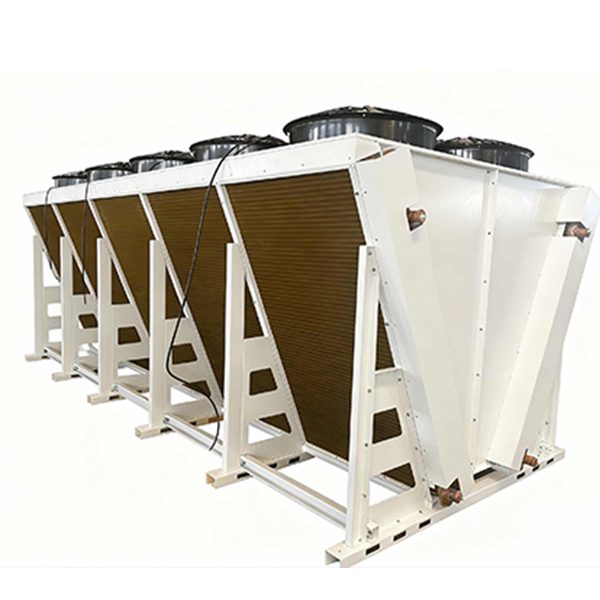
Air-cooled condenser cleaning should follow a fixed procedure so the electrical and fin damage risks are controlled.
-
Isolate power. Lock out and tag out the disconnect for the condensing unit and the condenser fan before any cleaning. Condenser fans can start automatically on a pressure or temperature control cycle.
-
Inspect before cleaning. Record the coil face for debris type, oil film, bent or flattened fins, and any signs of refrigerant oil staining. Oil stains can indicate a leak, which requires a separate leak inspection.
-
Remove loose debris. Use a soft brush or vacuum with a brush attachment to clear leaves, paper, dust, and fibers from the coil face. Brush in the direction of the fins to avoid folding them over.
-
Straighten damaged fins. Use a purpose-made fin comb matched to the fin spacing. Bent fins block airflow and are often concentrated where maintenance traffic or pressure washing damaged the coil.
-
Apply coil cleaner. For dusty commercial environments, a mild alkaline cleaner is usually sufficient. For greasy restaurant, meat, or frying-related air, an alkaline cleaner formulated for refrigeration coils works better because it emulsifies oil. If the site has scale, use a mild acid-based coil cleaner only according to the manufacturer's instructions, and rinse completely.
-
Rinse thoroughly. Use low-pressure water in the fin direction. High-pressure washing flattens fins and drives dirt deeper. Keep water away from electrical enclosures, fan motors, contactors, and control wiring.
-
Check the fan. Confirm the condenser fan blade is clean, balanced, and tightened, and that the fan guard is secure. A condenser with clean fins but a weak fan still runs at high head pressure.
For most commercial sites, a visual check monthly and a full fin cleaning quarterly are reasonable intervals [2]. Sites with high dust, cooking effluent, paper fiber, or construction activity may need cleaning every month. Ambient conditions in humid or coastal areas can also accelerate fin corrosion and biological fouling, so the interval should be shortened where the coil surface shows visible buildup.
Water-Cooled Condenser Maintenance: Descaling and Water Treatment
Water-cooled condensers reject heat to water rather than air. They offer stable high-ambient performance, but they introduce a different maintenance requirement: water-side fouling. In a shell-and-tube or coaxial water-cooled condenser, mineral scale, sludge, and biological film raise the condensing temperature in the same way dirt does on an air-cooled coil.
The most common water-side problem is calcium carbonate scale. When cooling water is hard and the condenser water temperature cycles upward, dissolved minerals precipitate on the tube surface. Scale has low thermal conductivity, so even a thin layer reduces heat transfer noticeably and pushes approach temperature higher. Descaling should be performed when the approach temperature rises above the baseline, not on a fixed calendar alone.
Chemical descaling uses an inhibited acid solution circulated through the water side at low pressure. The cleaning solution should be matched to the fouling type and the tube material, and the system must be flushed with clean water afterward. Mechanical brushing may be used for accessible straight tubes, but it must not damage the tube surface. Aggressive acids used too often reduce tube life.
A water cooled shelltube condenser with a built-in liquid receiver function is used in medium and low-temperature commercial refrigeration. For these condensers, water treatment is the preventive side of maintenance. Scale inhibitor, corrosion inhibitor, and biocide dosing should be checked against the water analysis, and blowdown or makeup water quality should be logged. Regular water treatment reduces the number of descaling cycles and keeps condensing temperature stable through the year.
Condenser Performance Checks After Cleaning
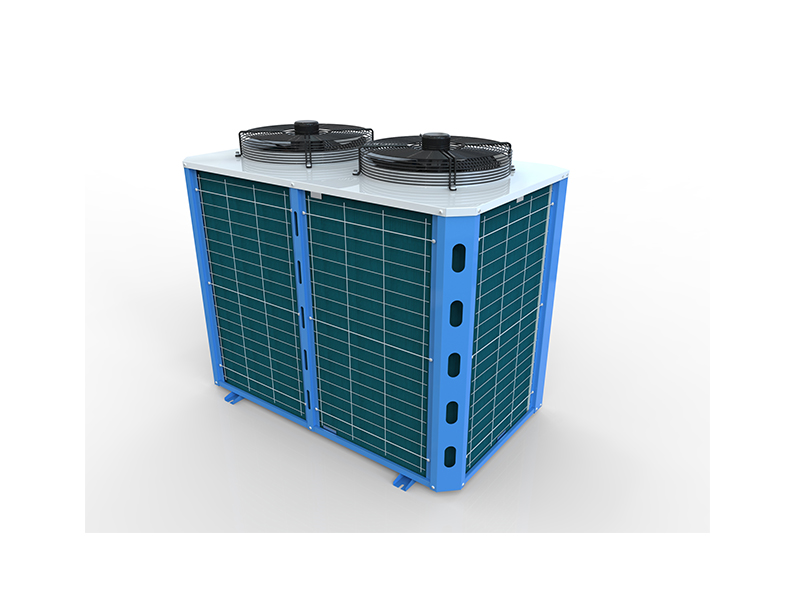
Cleaning is only half of the task. After the condenser is clean, a short performance check confirms whether the system has returned to its normal operating envelope. The following measurements should be recorded and compared with the commissioning or baseline log:
- Discharge pressure and condensing temperature under stable load
- Ambient temperature or cooling water temperature at the same time
- Approach temperature calculated from the two values above
- Liquid line subcooling
- Compressor amp draw for each compressor
- Condenser fan amp draw on air-cooled units
The most useful single indicator is approach temperature. If the approach temperature returns to the clean baseline after cleaning, the condenser surface is performing correctly. If the approach temperature remains high, one of three conditions is usually present: incomplete cleaning, refrigerant overcharge, or non-condensable gases in the system. These are refrigerant system service checks, not condenser cleaning tasks, and a technician should investigate.
Trending matters more than any single reading. A logbook of discharge pressure, ambient temperature, and amp draw lets an operator spot fouling before it becomes an emergency. This is the same discipline used in larger condensing unit selection and monitoring practice for warehouse cold storage systems.
Once the condenser is clean, it is worth confirming that the condensing unit is correctly matched to the cold room load. <High-Capacity Condensing Unit Selection for Cold Storage> covers capacity selection for warehouse-scale systems.
For systems using Bitzer reciprocating condensing units, such as the Bitzer 25HP condensing unit, the same performance check applies. Recording discharge pressure and amp draw on a schedule gives the clearest early warning of condenser fouling or fan degradation.
If your team is not sure whether the measured approach temperature is acceptable for your refrigerant and load, send the operating data to MELUCK at meluck@meluckcooling.com or call +8617369893087. Include the refrigerant type, suction and discharge pressures, ambient or water temperature, and a photo of the condenser condition. An engineer can help you compare the readings with the expected design envelope.
Preventive Maintenance Schedule for Commercial Refrigeration
The schedule below combines condenser-focused tasks with the surrounding checks that keep the high side healthy. Frequencies are general commercial refrigeration guidance; adjust them based on site fouling rate and operating history [2].
| Frequency | Condenser Maintenance Task |
|---|---|
| Monthly | Inspect coil face for debris and oil staining; check fan operation and air or water flow; log discharge pressure, ambient temperature, and amp draw |
| Quarterly | Clean air-cooled fins or check water-side approach; straighten fins; verify fan blade and guard |
| Semi-annual | Deep clean coils; check subcooling and superheat; inspect contactors and wiring; review water treatment and scale condition |
| Annual | Full performance test; check compressor oil condition and electrical connections; calibrate controls; confirm high-pressure safety switch operation |
The point of a fixed schedule is not to clean on a calendar even when the condenser is already clean. The point is to force inspection and logging so that fouling is caught before it raises energy cost or triggers a high-pressure fault. Operators who log monthly readings usually find that the actual cleaning interval can be matched to the local environment within the first year.
Condensing units on farm milk pre-cooling run long daily cycles, so fouling control has a direct effect on cooling cost. <Condensing Unit for Dairy Farms: Milk Pre-Cooling Guide> covers selection and operating practice for dairy chilling duty.
Contact MELUCK for Condenser Support and Equipment
Condenser maintenance problems are easier to solve when the operating data is available. For technical support on condenser cleaning, performance checks, or condensing unit replacement, contact MELUCK with the following details:
- Refrigerant type and refrigerant charge
- Suction and discharge pressure readings
- Ambient air or cooling water temperature
- Condenser model, age, and cleaning history
- Photos of the condenser coil face and nameplate
- Recent electricity consumption or compressor run hours
Email: meluck@meluckcooling.com
Phone / WhatsApp: +8617369893087
MELUCK engineers work with distributors, contractors, and cold chain operators on condensing unit selection, condenser replacement, and cold room performance recovery. Sending the above information shortens the first technical review and helps us recommend the correct corrective action.
FAQ
How often should a commercial refrigeration condenser be cleaned?
For most commercial sites, a monthly visual inspection and a quarterly full cleaning are reasonable starting points. Sites with high dust, cooking grease, paper fiber, or construction activity should shorten the interval. The best practice is to log discharge pressure and approach temperature so the cleaning interval follows the measured fouling rate rather than a fixed calendar [2].
What is a normal approach temperature for an air-cooled condenser?
A clean commercial air-cooled condenser typically operates with a condensing temperature about 10°F to 15°F (roughly 5.5°C to 8°C) above the entering air temperature [1]. The exact design value depends on the condenser selection, refrigerant, and load. A rising approach temperature at the same load and ambient conditions is the clearest sign of fouling.
Can a dirty condenser cause a compressor to overheat or fail?
Yes. A dirty condenser raises discharge pressure, which raises discharge temperature and increases the compressor pressure ratio. Over time, this stresses oil, valves, and motor windings, and it can cause repeated high-pressure trips. Compressor failure rarely appears in one dramatic event; it more often follows months of elevated condensing temperature.
Should I use water or chemical cleaner on condenser coils?
Start with a soft brush, vacuum, and low-pressure water to remove loose debris. Use a coil cleaning chemical only when oil, grease, or scale remains. A mild alkaline cleaner suits oily commercial air, while a mild acid cleaner addresses mineral scale. Always match the chemical to the coil and fin material, follow the manufacturer's instructions, and rinse completely to prevent corrosion.
How do I know if the condenser is underperforming?
Compare discharge pressure and condensing temperature with the clean baseline at the same ambient or water temperature. If approach temperature has risen, if compressor amp draw is up, or if the system runs longer to hold setpoint, the condenser is a likely contributor. A performance check after cleaning confirms whether the condenser was the cause or whether refrigerant charge, non-condensables, or other system faults remain.
What is the difference between air-cooled and water-cooled condenser maintenance?
Air-cooled condensers need fin cleaning, fin straightening, fan inspections, and airflow checks. Water-cooled condensers need water treatment, scale monitoring, and periodic descaling. Both types fail in the same way when neglected: approach temperature rises, compressor energy use increases, and cooling capacity falls.
References
[1] ASHRAE, 2018 ASHRAE Handbook: Refrigeration, Chapter 7, "Condensers," American Society of Heating, Refrigerating and Air-Conditioning Engineers, Atlanta, GA, USA, 2018.
[2] ASHRAE/ACCA Standard 180-2018, Standard Practice for Inspection and Maintenance of Commercial Building HVAC Systems, American Society of Heating, Refrigerating and Air-Conditioning Engineers and Air Conditioning Contractors of America, Atlanta, GA, USA, 2018.
[3] U.S. Department of Energy, Federal Energy Management Program, Operations & Maintenance Best Practices: A Guide to Achieving Operational Efficiency, Release 3.0, Pacific Northwest National Laboratory, Richland, WA, USA, 2010.
If you're interested, check out these related articles:
Cold Room for Food Importers and Distributors: Multi-SKU
Cold Storage and Flake Ice Systems for Fish Landing Stations
With over 15 years of experience as a MELUCK refrigeration engineer, I specialize in the design of cold storage, chillers, ice makers, and cold chain energy-saving systems, providing technical support to distributors and engineering companies worldwide.

meluck