
Cold Room Supplier vs Full Contractor: What’s the Difference and When to Use Each?
Why the Supplier-vs-Contractor Decision Matters First
A cold room project moves through several workstreams: thermal design, structural envelope, refrigeration selection, electrical and control integration, installation, and commissioning. The core difference between a cold room equipment supplier and a full contractor is whether one company accepts responsibility for all of those workstreams, or whether the buyer must coordinate them.
In international enquiries, "supplier" and "contractor" are often used as if they were interchangeable. They are not. A supplier typically provides manufactured components such as insulated panels, doors, condensing units, evaporators, and controllers. A full contractor takes a wider scope, often including site preparation, civil work, assembly, piping, electrical installation, commissioning, and operator training. The division determines where project risk sits, how the warranty works, and who answers when a temperature excursion occurs.
Many jurisdictions expect refrigerating systems to follow safety and environmental practices similar to the duties set out in EN 378, even when local rules are less detailed [1]. That reference point only works when the commissioning party is defined. Ambiguity here creates the largest hidden cost in cold room procurement.
What a Cold Room Equipment Supplier Actually Delivers
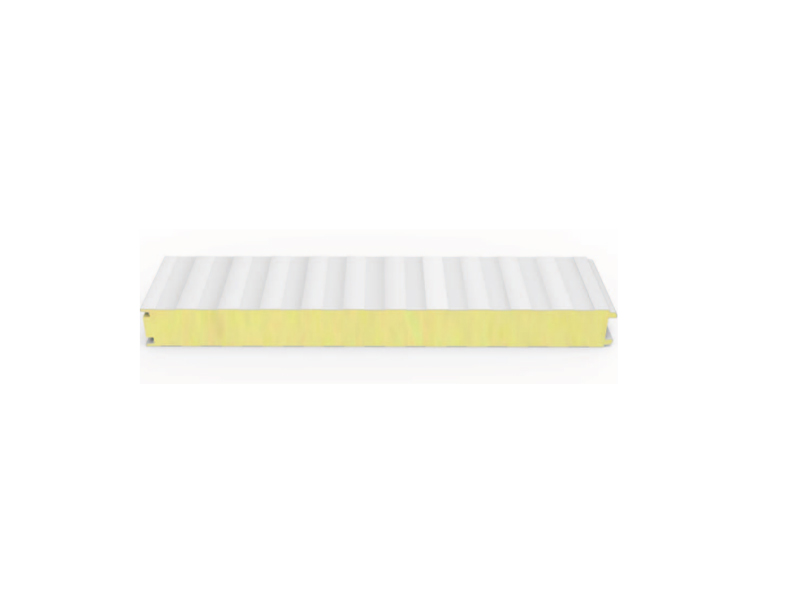
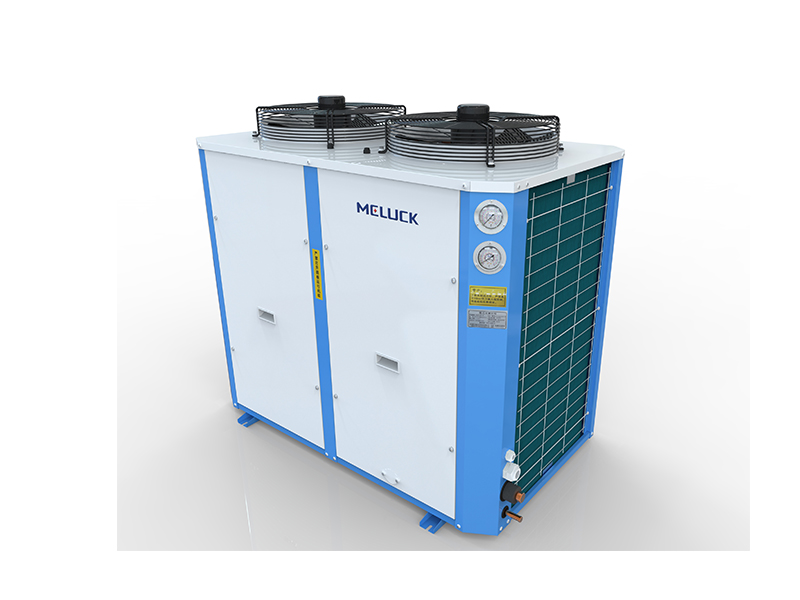
A cold room equipment supplier is the manufacturing and export layer. In a typical minus 18 to minus 25 degree Celsius freezer room, the equipment scope usually includes high-density insulated panels, a sliding or sectional door, a matched condensing unit, ceiling evaporators, a temperature controller, and defrost components. The buyer or its appointed installer then assembles and commissions the room on site.
This model works best when the buyer already has a competent local refrigeration contractor, a prepared floor slab, and a clear import process. The supplier's obligation is normally aligned to the equipment leaving the factory or reaching the destination port under agreed Incoterms. Production quality, packing, documentation, and export compliance remain with the supplier. Site performance, however, belongs to the installation team.
For example, panel selection affects both delivery cost and long-term heat gain. PIR panels carry different fire and insulation characteristics than PUR panels, and the correct choice depends on the room temperature and local code. A competent supplier can provide the panel certificates and thickness calculation, but cannot control whether the site team installs the floor insulation correctly.
If the project must pass destination-market inspection, <Import Cold Chain Compliance> covers the standards exporters usually need to prepare for.
What a Full Contractor Actually Delivers
A full contractor is responsible for the completed built asset. The deliverable normally covers site survey, drawing approval, floor preparation, panel assembly, equipment positioning, refrigerant piping, power cabling, controller setup, pressure testing, evacuation, refrigerant charging, start-up, and defect correction. Many turnkey contracts also include operator handover documentation.
This route adds the most value when the buyer has no in-house technical staff, when site access is difficult, or when multiple subcontractors would otherwise need to be managed. In food processing projects, the contractor may also need to align the installation with hygiene and food safety expectations, including the documentation and temperature verification routines described in Codex hygiene guidance [2].
A full contractor does not need to manufacture the equipment. The best contractor model often pairs a local site team with a specialized equipment supplier. The contractor buys the panels, doors, condensing unit, and evaporators from the supplier, then assumes responsibility for making the assembled system perform at the design temperature.

The Real Differences: Scope, Accountability, Warranty, and Cost
| Factor | Equipment Supplier | Full Contractor |
|---|---|---|
| Core scope | Manufactured components, packing, export documents | Site works, assembly, installation, commissioning, handover |
| Design responsibility | Component sizing based on buyer-supplied room data | Full thermal and site design |
| Site accountability | Limited after handover to the installer | Direct for site performance and start-up |
| Warranty trigger | Material or manufacturing defect | Material, workmanship, and commissioning outcomes |
| Payment structure | Usually tied to production and shipment | Usually tied to site milestones |
| Best fit | Experienced buyer with local installer | End user needing one accountable team |
The table should be used as a quotation comparison tool, not as a fixed rule. A supplier may also provide installation supervision. A contractor may also supply the equipment. What changes is where the contract places accountability for the final cold room condition.
When to Use an Equipment Supplier
Choose an equipment supplier when the buyer has real project management capacity on the ground.
This model is usually the right fit when:
- A qualified local refrigeration installer is already appointed.
- The buyer wants to control procurement directly and avoid contractor markup.
- Civil works, power supply, and floor slab are ready.
- The buyer needs repeatable component packages across multiple sites.
- The local team can manage customs clearance and drawing review.
The supplier route is also appropriate when equipment is being purchased for a warehouse or processing building that is already under construction. In that case, the main technical risk is not the panel or compressor choice, but the interface between the equipment and the building services.
For equipment entering the European market, CE marking under the Machinery Directive may be required for relevant components or assemblies [4]. The supplier should be able to state which items carry CE marking and which are supplied as parts for incorporation.
When high ambient temperatures drive compressor selection, <Selecting a Condensing Unit for Tropical Climates> covers the sizing factors engineers check.
When to Use a Full Contractor
Choose a full contractor when the main risk is coordination, site performance, or regulatory inspection.
This route is usually stronger when:
- The site includes civil work or an unprepared floor.
- The buyer has no local technical team.
- The cold room must pass food safety audits or insurance checks.
- The location is remote and logistics are difficult.
- One party must carry start-up and temperature pull-down responsibility.
In these cases, the full contractor model reduces the number of handoffs. It does not always lower cost. But it can lower the cost of failure, because there is one accountable party for the assembled system rather than separate component vendors and an installer.
The decision should be made before quotation, not after. A buyer who asks a supplier to price a turnkey project without site support is not comparing the same risk as a buyer who asks a contractor to price the full works.
The Hybrid Model Most International Buyers Use
The strongest structure for many projects is not a pure choice. It is a supplier plus local contractor model. A specialized equipment supplier provides the technical submittal, matched components, and installation supervision. A local contractor provides civil work, electrical connections, panel assembly, and permitting. The equipment supplier may also support start-up remotely.
This model appears frequently in hot-climate projects, export cold rooms, and multi-zone food processing facilities. In a large project, a single example makes the split clear. If a plant needs a blast freezer at minus 35 degrees Celsius and a frozen store at minus 20 degrees Celsius, the contractor manages the room sequencing and site labor, while the supplier confirms compressor capacity, evaporator air throw, defrost strategy, and control points for the design conditions. One party manages the schedule, the other confirms the equipment can reach the required condition.
The contract must state who is responsible for refrigerant charging and start-up. Refrigerant handling is regulated in most markets, and the environmental obligations differ by refrigerant type [1]. If the system uses a refrigerant being phased down under international environmental agreements, the responsible party must also manage recovery, leak checks, and documentation [5].
A practical example of scope split appears in <Cold Room Project in Nigeria: 60Hz Equipment for Hot Climate>, which covers the equipment choices and site-level adaptations for a demanding market.
Mid-Project Scope Check: Make the Quotations Comparable
If you are comparing a component-only quotation with a turnkey quotation, send the room dimensions, holding temperature, product type, and site location to meluck@meluckcooling.com. Request a scope split list: which items stay with the equipment supplier, and which items must be priced by the local installer. That single list is usually enough to expose the real difference between two quotations.
Get a Scope Split That Matches Your Project
Before paying a deposit, get a written split of scope. The equipment supplier should list components, model, capacity, and exclusions. The contractor should list site works, installation, commissioning, and civil items. A clear split removes the largest source of later disputes.
For help with equipment selection, export documentation, or installation supervision, contact the MELUCK engineering team at meluck@meluckcooling.com or +8617369893087. Send the room size, holding temperature, product, and site country, and the team can prepare a matched quotation and a candidate scope split for the project.
FAQ
Is a cold room supplier the same as a manufacturer?
No. A supplier may be a manufacturer, a trading company, or an export partner. A manufacturer controls the production of key components such as panels, doors, or condensing units. Asking for production line photos, test records, and export references helps verify the supplier type.
When is a full contractor worth the higher cost?
A full contractor is worth the higher cost when there is no local installation partner, when site works are complex, or when the project must meet food safety, insurance, or export inspection thresholds. If one company carries site performance risk, coordination cost is often lower than managing multiple subcontractors manually.
Can one company do both?
Yes. In turnkey projects, one company may supply equipment and manage site installation through its own engineers or appointed subcontractors. The real issue is not the label. The buyer should confirm whether the contract clearly states design, installation, commissioning, training, and warranty responsibilities.
What documents should a buyer request before choosing?
Request a component schedule, equipment datasheets, panel and door specifications, refrigerant type, defrost method, control points, installation manual, and a written scope split. For export projects, also request CE marking information where applicable and any destination-market test or inspection reports.
How does the decision affect warranty?
A supplier warranty usually covers manufacturing defects. A contractor warranty should also cover assembly and commissioning outcomes. The most reliable projects define both the equipment defect period and the workmanship period, with a named contact for each.
What is the biggest mistake buyers make?
The biggest mistake is comparing a component-only price against a turnkey price without adjusting the scope. The correct method is to ask each bidder to complete the same scope table, including civil works, electrical, panel installation, refrigerant works, commissioning, and operator training.
References
[1] CEN. EN 378-1:2016+AC:2016, Refrigerating systems and heat pumps - Safety and environmental requirements. European Committee for Standardization, 2016.
[2] Codex Alimentarius Commission. General Principles of Food Hygiene, CXC 1-1969. Revised 2022.
[3] International Organization for Standardization. ISO 22000:2018, Food safety management systems - Requirements for any organization in the food chain. 2018.
[4] European Commission. Directive 2006/42/EC of the European Parliament and of the Council on machinery. Official Journal of the European Union, 2006.
[5] United Nations Environment Programme. Montreal Protocol on Substances that Deplete the Ozone Layer. 1987, as amended.
If you're interested, check out these related articles:
Flake Ice Mine Cooling: Cut Heat Stress in Hot Mines
Cold Room Equipment Warranties: A Buyer’s Guide to Guarantees
Peru Avocado Pre-Cooling Cold Storage
Remote Control Condensing Units: Smarter Cold Room Management
Blast Freezer for Bakery: Flash Freezing Dough and Pastries
With over 15 years of experience as a MELUCK refrigeration engineer, I specialize in the design of cold storage, chillers, ice makers, and cold chain energy-saving systems, providing technical support to distributors and engineering companies worldwide.

meluck