
Cold Room Manufacturer Guide: 7 Things Buyers Always Miss
Choosing a cold room manufacturer is not a simple equipment purchase. The panels, refrigeration unit, controls, and installation have to work together for years under daily load, often in hot, humid, or remote locations. Buyers who focus only on the lowest quotation usually pay twice later: once for the room and again for replacement panels, compressor repairs, lost product, or a failed food safety audit.
A cold room that stores food or pharmaceutical products must support HACCP-based hygiene controls and, where applicable, ISO 22000 food safety management requirements [1]. The manufacturer decision affects insulation quality, compressor authenticity, energy consumption, and the support you receive when something goes wrong.
Before you compare quotations, send your storage temperature, room dimensions, product type, and power supply to meluck@meluckcooling.com. A refrigeration engineer will review the technical scope with you before you commit.
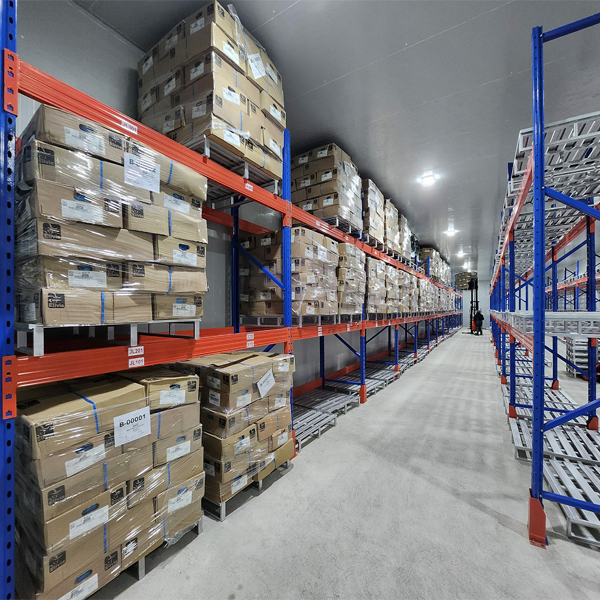
The high cost of choosing the wrong cold room manufacturer
A cold room is a system, not a box. The lowest-price quotation often hides thin panels, a mismatched compressor, or an installation scope that ends at the factory gate. In food processing and export, that can lead to unstable temperatures, higher energy bills, and rejected shipments.
The seven checks below are the technical details that separate a dependable manufacturer from a panel reseller. They do not require you to be a refrigeration engineer, but they force the supplier to show its work.
7 things buyers always miss when choosing a cold room manufacturer
1. Panel core material, density, and fire rating
Ask for the foam core specification, not just a panel brand. PUR polyurethane panels are common and cost effective for chiller rooms. PIR panels often provide better thermal performance and a B1 fire rating, which matters in food plants and buildings with strict fire code requirements [2]. Check the core density and the connection detail. A cam-lock or slip-joint panel should close tightly enough to limit air and moisture ingress.
Panel thickness also needs to match the temperature zone. A 100 mm panel is common for 0°C chiller rooms, while freezer rooms at -18°C to -25°C usually need 120 mm to 150 mm depending on ambient conditions. Compare PIR cold room panels and PUR cold room panels against your temperature and fire rating requirements. The door should use the same panel system; a manual sliding door or sectional door has to be specified with matching insulation and gaskets.
2. Compressor branding and certification
Many quotations say "Bitzer" or "Copeland" without proof. Ask for the original compressor model, the supplier certificate, and how serial numbers can be verified. For condensing units built in China, CRAA certification is one useful signal that the unit has been evaluated under local refrigeration certification.
Compressor selection changes by application. A small freezer may need a 4HP unit, while a large blast freezer often needs 40HP to 50HP or two-stage compression. Original Bitzer semi-hermetic compressors are widely used in industrial cold storage because of field service availability and spare part support.
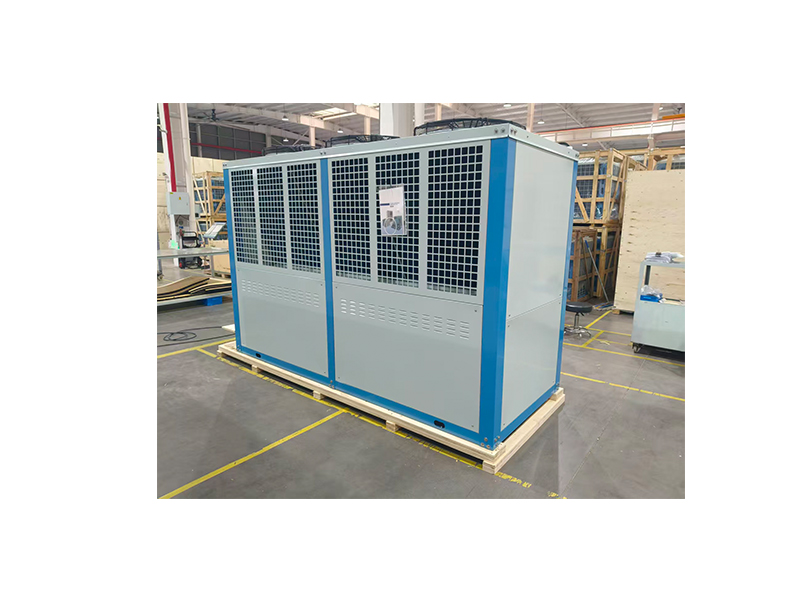
Example configurations include the Bitzer 40HP reciprocating condensing unit for medium-temperature large rooms and the Bitzer 4HP reciprocating condensing unit for small freezer applications. Confirm that the condensing unit is matched to the evaporator, not selected by price alone.
If you are sourcing condensing units in the Chinese market, certification is often assumed rather than verified. <Bitzer CRAA Certified Condensing Units: China Market Guide> covers what CRAA certification means and how to verify it before ordering.
3. Load calculation and evaporator matching
A dependable manufacturer calculates cooling load before quoting. The load includes transmission through panels, product pull-down, respiration for fresh produce, infiltration from door openings, fan heat, and people load [3]. If a supplier gives a price without room dimensions, ambient temperature, product type, and daily throughput, the equipment is probably guessed.
Ask for the design ambient. A room in Saudi Arabia or Nigeria needs a different condensing unit capacity than the same room in a mild climate. Confirm the evaporator series to match the temperature zone: DL for chiller rooms, DD for freezer rooms, and DJ for blast freezers. Request the capacity selection sheet at the design evaporating temperature.

Common building blocks include the chiller room, freezer room, and blast freezer room configurations, each with a different air cooler and compressor match.
4. Manufacturing quality and export documentation
Ask for ISO 9001 quality management documents [4], CE certification for electrical components where applicable, and any country-specific import certificates. A manufacturer with standardized production can show panel foaming records, pressure testing, welding procedures, and final inspection reports.
For food and pharmaceutical projects, check whether the supplier understands hygienic panel finishes, cleanable surfaces, and temperature documentation. Verify the nameplate data: refrigerant, power supply, phase, voltage, and frequency. If your country runs 60Hz, the manufacturer should confirm 60Hz-ready motors and controls before shipment.
If you are shortlisting manufacturers, send your target temperature, room size, ambient conditions, and power supply to meluck@meluckcooling.com. I will review the load calculation and component matching with you before you sign.
5. Installation, commissioning, and training scope
A cold room is only as good as its installation. Clarify whether the quotation includes site survey, panel assembly, refrigeration piping, vacuuming, refrigerant charge, electrical connection, and commissioning. Ask who supervises installation abroad and whether the manufacturer trains your operators.
For condensing units, clearance and service access determine future maintenance cost. Piping must be installed by competent personnel and tested before commissioning [2]. Get this in writing. If installation is excluded, the price comparison is not equal.
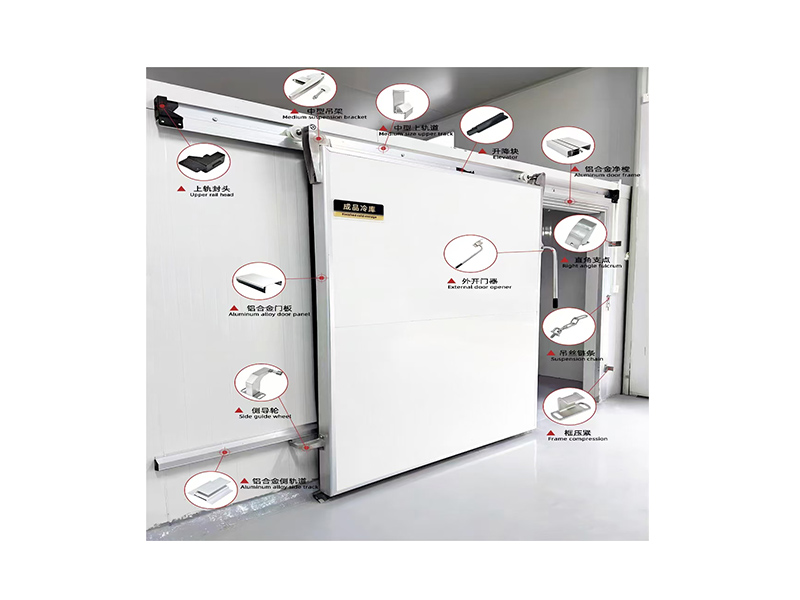
For larger openings, a manual sliding door or sectional door should be included in the layout and installation scope.
If installation space is tight, clearance is the first thing to verify on site. <Condensing Unit Installation Clearance: Key Spacing Rules> covers the spacing checks that prevent early service failures.
6. Project cases in a similar climate and power supply
Ask for completed cases with the same product category, ambient temperature, and electrical supply. A manufacturer with experience in Brazilian meat cold chains or Argentine beef export plants understands high-ambient condensing unit selection better than a general panel supplier. For seafood, ask about blast freezing and frozen storage integration. For fruit, ask about pre-cooling and humidity control.
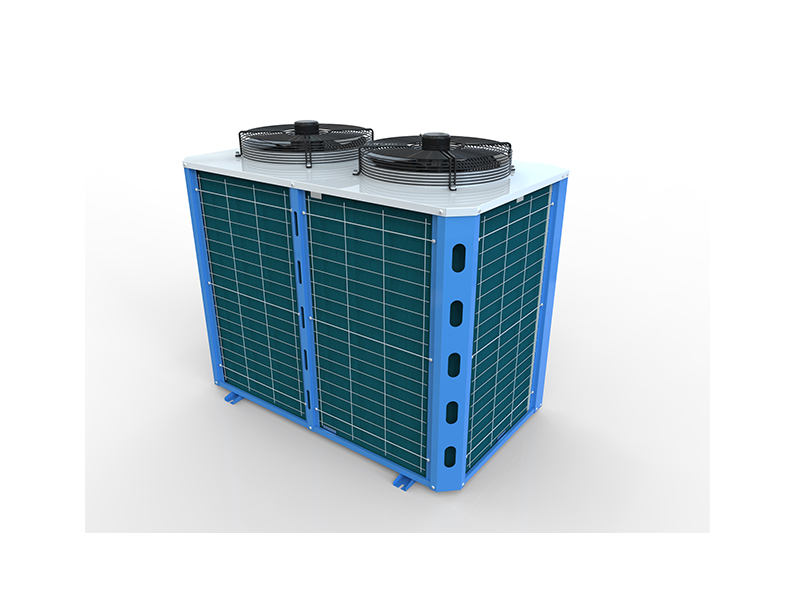
If your site is coastal or remote, ask about corrosion protection, spare part availability, and 60Hz compatibility. Case studies should include room size, temperature, compressor horsepower, and operational results, not just photos.
If you are comparing fixed cold storage with mobile refrigeration for a growing operation, the operating case matters as much as the purchase price. <Cold Room vs Refrigerated Truck: When Fixed Storage Wins> covers the operating and quality case for a fixed cold room.
7. Warranty, liability, and total cost of ownership
Compare warranty terms carefully. Ask whether the warranty covers the compressor, air cooler, panels, controller, and installation defects separately. Ask what is excluded: refrigerant, filter driers, gaskets, and normal wear items often are. Request a spare parts list with lead times for the compressor contactor, fan motor, door heater, and temperature sensor.
A manufacturer that provides local after-sales support, remote troubleshooting, and operator training protects your product better than a supplier that only ships boxes. Calculate energy cost over five years, not just the purchase price.
Cold room manufacturer evaluation checklist
Use these seven points as a shortlist before you compare quotations.
| Check | What to ask |
|---|---|
| Panel system | Core type, density, fire rating, and thickness in writing |
| Compressor | Brand, model, original supplier certificate, and service network |
| Refrigeration design | Load calculation and evaporator selection sheet before quotation |
| Documentation | ISO 9001, CE, and import certificates shared |
| Installation | Site survey, commissioning, and operator training included |
| Project cases | At least two relevant cases with temperature and capacity data |
| Warranty | Coverage period, exclusions, and spare part lead times |
Get your cold room quotation reviewed
If you are ready to compare cold room manufacturers, send your layout drawing, required temperature, daily product volume, ambient climate, and power supply to meluck@meluckcooling.com. You can also call +8617369893087.
We will review the refrigeration load, panel specification, compressor configuration, and installation scope with you, and help you compare quotations on an equal technical basis.
FAQ
What is the difference between PU and PIR cold room panels?
PU panels are cost effective and widely used for chiller rooms. PIR panels generally offer better fire resistance and lower thermal conductivity, which makes them a stronger choice for freezer rooms and projects with strict fire codes.
How can I verify that the compressor is original Bitzer or Copeland?
Request the compressor model, serial number, supplier certificate, and official distributor confirmation. For condensing units built in China, ask for CRAA certification and compare the nameplate data with the manufacturer datasheet.
What documents should I request before signing a cold room contract?
Request the load calculation, panel datasheet, compressor datasheet, layout drawing, electrical diagram, warranty terms, installation scope, reference cases, and quality certificates.
How long should a cold room warranty last?
Many manufacturers offer 12 to 24 months on parts, with compressor coverage depending on the brand program. The key is to clarify what is excluded, whether labor is included, and how claims are handled in your country.
Can the manufacturer install and commission the room in my country?
Many manufacturers provide turnkey delivery or work with local partners under manufacturer supervision. Confirm the installation scope, travel and supervision cost, commissioning tests, and operator training before signing.
References
[1] ISO 22000:2018, Food safety management systems - Requirements for any organization in the food chain. International Organization for Standardization.
[2] EN 378-1:2016+A1:2020, Refrigerating systems and heat pumps - Safety and environmental requirements. European Committee for Standardization.
[3] ASHRAE Handbook - Refrigeration, 2018 ed. American Society of Heating, Refrigerating and Air-Conditioning Engineers.
[4] ISO 9001:2015, Quality management systems - Requirements. International Organization for Standardization.
If you're interested, check out these related articles:
Cold Storage for Fishing Ports: Catch-to-Chill Design Guide
Garlic Cold Storage Room: Humidity and Temperature Control
Slaughterhouse Chiller and Freezer Room Equipment Guide
Condensing Unit Installation Clearance: Key Spacing Rules
With over 15 years of experience as a MELUCK refrigeration engineer, I specialize in the design of cold storage, chillers, ice makers, and cold chain energy-saving systems, providing technical support to distributors and engineering companies worldwide.

meluck