
Wine Cold Storage: Temperature and Vibration Control
Maintaining wine quality during long-term storage depends on precise environmental control, yet many wine cellar operators overlook the engineering behind true temperature stability and vibration elimination. Wine cold storage demands more than a standard walk-in chiller; it requires a refrigeration system designed to keep temperature swings under half a degree and isolate mechanical vibrations that disrupt sediment and aging. Without addressing both thermal and kinetic factors, even a well-insulated room will fail to protect a valuable collection. The following sections detail the engineering approach to achieving both.
Temperature Stability: The Critical Factor in Wine Cold Storage
Wine is a living product. After bottling, it continues to evolve through slow chemical reactions that are highly sensitive to temperature. A wine cold storage room must hold a constant temperature, typically between 12°C and 14°C for red wines and 8°C to 10°C for whites, though mixed collections often settle around 12°C. The real challenge is not the setpoint but the tolerance. I have seen storage environments where a controller showed 12°C on display while the actual air temperature cycled between 8°C and 16°C because of poorly sized evaporators and on-off compressor logic.
Every 1°C rise above the target accelerates aging by a measurable margin, and daily fluctuations cause the wine to expand and contract inside the bottle. Over months, the cork loses its seal, oxygen seeps in, and the wine oxidizes prematurely. In cold chain projects I have supported for temperature-sensitive products in Peru and Egypt, even a 2°C daily swing can reduce shelf life by 30% or more. Wine is similarly unforgiving.
Achieving ±0.5°C stability requires a condensing unit with capacity modulation, not simple on-off cycling. Bitzer semi-hermetic compressors with cylinder unloading or hot gas bypass systems keep suction pressure stable and evaporator cooling smooth. Couple that with an electronic expansion valve and a precision controller, and the cold room can hold temperature within a fraction of a degree regardless of external weather or door openings.
Why Vibration Control Matters for Wine Quality
Temperature gets most of the attention, yet vibration is the hidden enemy of wine storage. A compressor running a few meters away transmits mechanical energy through the floor and building structure, and even low-level vibrations in the 30 Hz to 50 Hz range can resonate with wine bottles on metal racks. In red wines meant for long aging, vibration disturbs the fine sediment, preventing it from settling naturally. The result is a permanently hazy appearance and a gritty mouthfeel, flaws that cannot be corrected later.
I recall a cold room upgrade for a seafood processor where we had to isolate blast freezer compressors because the vibration kept fracturing frozen fillets. The same isolation principle applies to wine cellars. A condensing unit sitting directly on a concrete slab without isolation pads will send a noticeable hum through the building frame. Over months, that constant micro-movement agitates the bottles, accelerating undesirable reactions and potentially causing label damage or even glass fatigue in stacked storage.
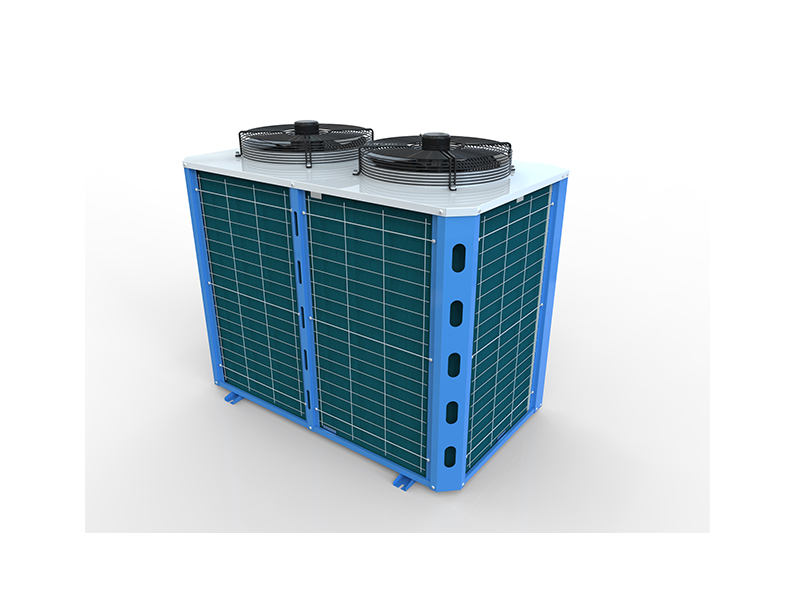
To eliminate vibration transmission, the condensing unit should be mounted on spring isolators and neoprene pads. Suction and discharge lines need flexible connectors to decouple the piping from the compressor. In larger installations, placing the condensing unit outside the cold room building and running refrigerant lines through vibration-dampened wall penetrations is the most effective approach.
If your program involves aging wines for more than five years, the vibration spec of the condensing unit becomes a critical design parameter. Contact us at meluck@meluckcooling.com with your storage volume, and we can recommend a compressor configuration matched to your aging timeline.
Designing a Vibration-Free Wine Cold Storage System
A wine cold storage system starts with compressor selection. The table below compares the three most common compressor types available for wine room applications.
| Compressor Type | Typical Vibration Level | Temperature Control Precision | Suitability for Wine Storage |
|---|---|---|---|
| Bitzer Semi-Hermetic Reciprocating | Low with spring isolation | Excellent (0.3–0.5°C modulation) | Recommended for medium and large cellars |
| Copeland Scroll | Low | Good with electronic control | Suitable for small to medium rooms |
| Invotech Scroll | Low | Good | Budget option for smaller walk-in coolers |
Even the quietest compressor transmits energy through its base frame. A proper foundation uses a concrete inertia block at least 1.5 times the weight of the compressor, sitting on spring isolators rated for the compressor's operating speed. Flexible copper connectors on the suction and discharge lines prevent rigid piping from becoming a vibration conduit. Where the refrigerant lines pass through cold room walls, a sleeve with vibration-dampening foam prevents structural coupling.
Air-cooled condensers introduce another vibration source: the condenser fan. Select low-speed fans with balanced blades, and mount the condenser on a separate steel frame with rubber bushings, away from the cold room structure. In noise-sensitive environments, a water-cooled shell-and-tube condenser eliminates the fan entirely and provides steadier head pressure, which in turn stabilizes the evaporator temperature.

Essential Equipment for a Wine Cold Room
Beyond the condensing unit, the cold room enclosure and air distribution equipment determine long-term performance. Insulation panels should be at least 100 mm thick using PIR foam with a B1 fire rating. PIR offers better thermal resistance and flame retardancy than standard PUR, and the panel joints must use a cam-lock or slip-fit connection with a vapour seal to prevent moisture ingress. In wine storage, moisture penetration into insulation is a quiet disaster: it reduces R-value year after year and promotes mould growth inside the panel.
The evaporator air cooler inside the room needs careful specification. A standard commercial air cooler designed for meat or produce pushes high air velocity to maximize cooling capacity, but that air movement disturbs the microclimate around wine bottles and accelerates moisture loss from corks. Wine rooms need a low-velocity, high-air-volume evaporator, ideally with a ducted distribution system, so that air circulates gently and uniformly without creating localized cold drafts.
A digital temperature controller with remote monitoring gives operators the ability to log temperature data, receive alarm notifications, and adjust settings without entering the cold room. Humidity should be maintained between 60% and 70% relative humidity. Too dry and corks shrink; too wet and labels mould. If the ambient climate is arid, a small ultrasonic humidifier connected to the controller can compensate.

Sourcing a Wine Cold Storage System That Meets Your Specifications
A wine cold storage room is not an off-the-shelf cooler with a modified thermostat. The equipment must be selected and installed as an integrated system built around the specific temperature and vibration requirements of long-term wine aging. Over the past two decades, our engineering team has designed cold rooms for products just as temperature-sensitive as fine wine: avocados in Peru, tomatoes in Myanmar, seafood in Ecuador. Each project taught us that the details of compressor sizing, isolation mounting, and control logic make the difference between a cold room that works for a season and one that protects product quality for a decade.
When you source a wine cold storage system, request the engineering specifications for temperature stability at part-load conditions and ask for vibration data measured at the compressor mounting feet. A supplier that cannot provide these numbers has not verified the room for wine use. Share your storage dimensions, bottle count, and target aging duration with our team for a technical consultation. Reach us at meluck@meluckcooling.com or by phone at +8617369893087.
Common Questions About Wine Cold Storage Engineering
What is the ideal temperature for a wine cold storage room?
For a mixed collection, holding a steady 12°C satisfies both red and white wine requirements. Reds prefer 12°C to 14°C, while whites and sparkling wines do better at 8°C to 10°C. However, pinpoint accuracy matters less than consistency. A room that cycles repeatedly between 10°C and 14°C inflicts more damage than one held at a stable 13°C. Program the controller to a fixed setpoint and size the evaporator and condensing unit for a low TD (temperature difference) to avoid short-cycling.
Is a standard air conditioner sufficient for wine storage?
No. Residential and commercial air conditioners are designed for comfort cooling with a typical temperature band of 3°C to 5°C and low humidity removal at wine storage temperatures. They cannot deliver the tight ±0.5°C stability required for wine, nor can they maintain the 60% to 70% relative humidity that keeps corks from drying out. A dedicated cold room refrigeration system with a compressor matched to the heat load, an electronic expansion valve, and a humidity control strategy is essential.
How do I reduce compressor vibration in an existing wine cold room?
If the condensing unit is already installed and you feel vibration in the wine racks, add spring isolators under the compressor base and replace any rigid copper connections with flexible refrigerant hoses. Check that the unit is not bolted directly to a wall or ceiling without rubber grommets. Installing a vibration-absorbing pad beneath bottles on wire shelving offers a temporary measure, but the permanent fix is isolating the compressor from the building structure. An engineering site visit can measure resonance frequencies and specify the correct isolator load rating for your unit.
What insulation fire rating does a wine cold room need?
For commercial wine storage, especially in cellars attached to restaurants, hotels, or tasting rooms, a B1 fire-rated insulation panel is the minimum safe standard. PIR (polyisocyanurate) panels achieve B1 and offer superior fire resistance compared to standard PUR (polyurethane) panels, which typically reach only B2 or B3. In many jurisdictions, fire codes now require B1-rated materials for walk-in cold rooms used by the public. Beyond compliance, a fire-rated panel slows flame spread and reduces toxic smoke, protecting both the wine inventory and the building itself.
Can I build a wine cold room in a high-humidity tropical climate?
Yes, but it requires a panel system with an effective vapour barrier on the warm side of the insulation. In tropical areas, high outdoor humidity will drive moisture into cold room panels if the exterior seal is inadequate, leading to ice formation inside the insulation, reduced R-value, and eventual structural failure. PIR panels with a factory-applied aluminium or steel facer act as a built-in vapour barrier, and the floor should include a vapour seal under the insulation. A slightly oversized condensing unit, rated for high ambient operation, ensures stable cooling even during the hottest months. If you have a specific site with humidity above 85% year-round, sharing your local climate data helps us confirm the panel specification before ordering.
If you're interested, check out these related articles:
Blast Freezer Room Solutions -40C~-60C - Meluck
Ecuador Multi-Temperature Cold Storage Project - Meluck
With over 15 years of experience as a MELUCK refrigeration engineer, I specialize in the design of cold storage, chillers, ice makers, and cold chain energy-saving systems, providing technical support to distributors and engineering companies worldwide.

meluck