
Almacenamiento de café verde: control de temperatura y humedad
When green coffee beans leave the drying patio or washed processing line, their quality is still at the mercy of ambient conditions. I have seen shipments that passed every initial cupping score degrade within weeks because the cold storage environment couldn’t hold steady humidity. Green coffee bean cold storage is not just about keeping the room cool. It is about creating a stable microclimate where the bean’s internal moisture content stays within a narrow band and volatile aroma precursors remain intact. The difference between a generic cámara frigorífica and a purpose-built coffee storage room becomes visible in the cup.
What Temperature and Humidity Do Green Coffee Beans Need
A stable storage environment for green coffee beans sits between 10°C and 18°C, with relative humidity held at 55% to 65%. The target temperature is lower than most tropical ambient air, but it is the humidity band that determines long-term quality retention. At 60% RH, the equilibrium moisture content of green beans settles around 11% to 12%, which is low enough to suppress mold spore activity yet high enough to prevent the bean from becoming brittle and losing cell wall integrity. The most common mistake I see is operators setting the thermostat to 8°C while ignoring the fact that the air is drying out below 40% RH, pulling moisture out of the bean and flattening acidity.
Why Fluctuating Humidity Deteriorates Coffee Quality
Coffee flavor preservation depends on the stability of hundreds of volatile compounds, including esters, aldehydes, and pyrazines that form during fermentation and drying. When storage humidity cycles up and down, the bean repeatedly absorbs and releases moisture, which triggers oxidation of lipids and accelerates the breakdown of these aroma precursors. Condensation on the bean surface is the critical failure point. If the cold room’s evaporator abruptly drops air temperature without matching dehumidification control, surface moisture will form on the bean, creating an ideal environment for ochratoxin-producing fungi. I have observed this in fruit cold rooms where humidity spikes after defrost cycles caused visible quality loss in as little as 48 hours; the same mechanism applies to green coffee.
Designing a Cold Room That Locks in Humidity
Standard walk-in coolers are sized for temperature pulldown and hold, but they are rarely engineered for the tight humidity tolerance coffee demands. The first design priority is avoiding oversized la capacidad de refrigeración. An oversized condensing unit will short-cycle, pulling the room temperature down too fast and stripping moisture from the air before the evaporator fins can condense water at a controlled rate. A right-sized system, matched to the exact cooling load of the coffee volume and room insulation, keeps compressor run times long enough for the evaporator to maintain dew point stability.
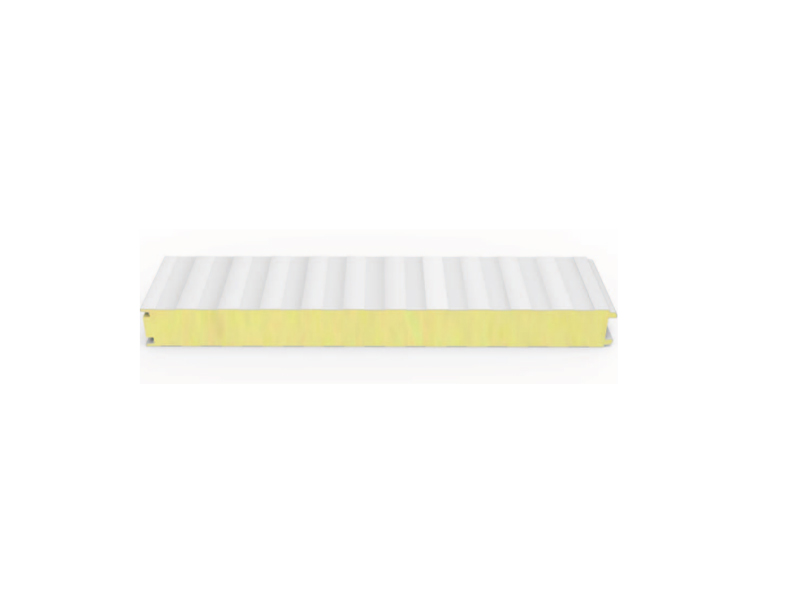
Insulation selection determines whether the cold room acts as a vapor barrier or a moisture pump. We use high-density Los paneles PIR para cámaras frigoríficas with a B1 fire rating and slip-joint connections when building storage for products like coffee, because the closed-cell structure resists moisture migration far better than lower-grade PUR panels in humid coastal or tropical climates. Any air leakage around panel joints, door seals, or pipe penetrations will introduce outside humidity that forces the refrigeration system into constant moisture removal, pulling the room further from the target RH band.
Air distribution also matters. A single ceiling-mounted evaporator without proper throw will create temperature layers with a cold pool at floor level and warmer, wetter air near the ceiling. Two or more air coolers positioned to create a gentle circulation pattern, without direct impingement on stored bags, keep temperature and humidity homogeneous throughout the volume. For a coffee cold room storing 20 tonnes of bagged green beans, we typically size the evaporator’s air volume to achieve 40 to 60 air changes per hour, which is enough to prevent microclimate pockets without drying out the beans.
Selecting Refrigeration Equipment for Coffee Storage
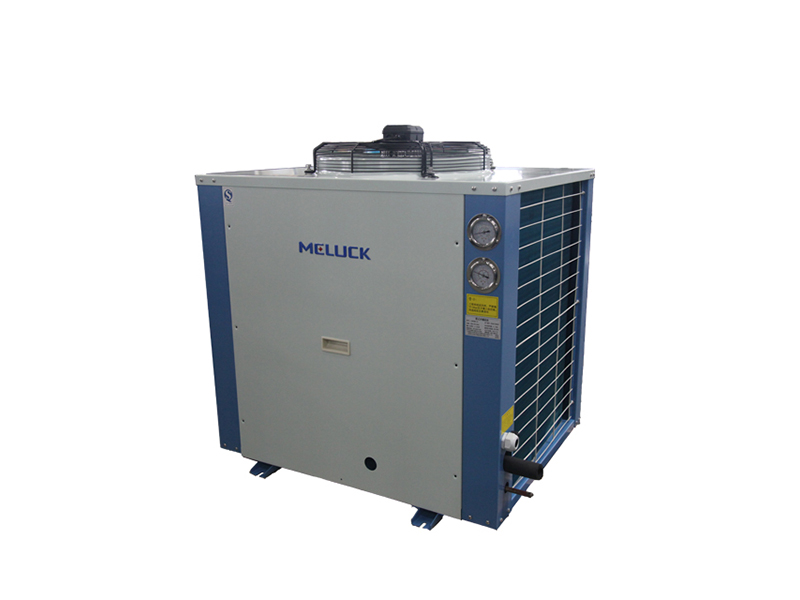
The condensing unit is the core of any cold storage system, and for products sensitive to moisture loss, medium-temperature reciprocating compressors offer more predictable part-load behavior than scrolls that are tuned for constant-speed operation. Bitzer semi-hermetic units, such as the 4HP to 7HP range with Bitzer 2DES-3Y or 4DES-6Y compressors, can be paired with electronic expansion valves and suction pressure regulators to maintain a consistent evaporator temperature even when ambient heat loads change. We have specified these units in avocado and tomato cold rooms in South America and Myanmar where the same humidity stability challenge existed, and the gradual capacity modulation kept the cold room within ±0.5°C and ±3% RH of the setpoint.
If your site has unstable grid power or is in a remote coffee-growing region, parallel condensing units with two or three compressors give you a phased start and automatic capacity adjustment when one compressor cycles off. This configuration prevents the aggressive temperature pull-down that destroys humidity balance. Copeland scroll condensing units in the 8HP to 30HP range can also serve, but they work best with a hot gas bypass to avoid oversized cooling during light load periods; without that, you will see the same humidity cycling problem.
What Coffee Exporters Can Learn from Fruit Cold Storage Projects
Much of what we apply in coffee storage comes from our work with sensitive crops like avocados, tomatoes, and cut flowers, where even a 2% moisture loss changes the market grade. In a Peruvian avocado pre-cooling room we built with a 10°C setpoint and ±0.5°C tolerance, the initial design used two Bitzer 20HP condensing units and two ceiling-mounted evaporators with electronic expansion valves. Post-installation data showed the room maintained 60% RH with a fluctuation of less than 4% across a 24-hour cycle, and the fruit’s rejection rate dropped from 15% to under 4%. The technical approach is directly transferable to green coffee: match refrigeration capacity to bean volume and respiration heat, use insulation with a low water vapor transmission rate, and tune the evaporator’s sensible heat ratio by adjusting air volume rather than simply dialing down temperature.

Making Your Coffee Cold Room Perform Consistently
When I speak with coffee exporters who have already invested in cold storage, the frustration is always the same: the room temperature is fine, but the beans still show condensation marks or the cup quality has faded. Real performance means holding both temperature and humidity within a tight window regardless of the weather outside or how often the door opens. The cold room should be treated as a system where the panel insulation, air distribution, refrigeration capacity, and defrost logic all work toward humidity stability, not as a simple cooler with a temperature dial.
If your current storage is not delivering that stability, then a review of the evaporator selection, insulation type, and compressor staging is the right next step. Share your current room size, bean volume, and local climate data with our engineering team at meluck@meluckcooling.com or call +8617369893087, and we can evaluate whether a redesign or equipment upgrade would bring the environment within the range that prevents flavor loss.
Questions Coffee Growers Ask About Cold Storage
How long can green coffee beans be stored without losing quality?
Under consistent cold storage at 10°C to 16°C and 60% RH, high-quality Arabica green beans can retain their cup characteristics for 12 to 18 months. The limiting factor is usually the gradual oxidation of polyunsaturated fatty acids, which produce rancid notes, rather than visible mold. Once the storage environment deviates beyond the stable humidity band for more than a few days, that shelf life can contract to six months or less because moisture gain starts enzymatic activity that accelerates aging.
Does the cold room cause beans to lose moisture even if the temperature is correct?
Yes, and this is the most overlooked point. If the evaporator’s coil surface temperature is too far below the room dew point, the system acts like a dehumidifier, pulling water out of the air and subsequently out of the bean. The key is to select an evaporator with a larger coil surface and matched compressor capacity so the refrigerant evaporates at a temperature that is only a few degrees below the room setpoint, reducing moisture removal to a minimum.
Is it worth using a controlled atmosphere for coffee storage instead of just a cold room?
For most exporters, a well-designed cold room with humidity control achieves the same result at a much lower cost. Controlled atmosphere systems that replace oxygen with nitrogen or carbon dioxide can slow oxidation further, but they add complexity in bagging, sealing, and monitoring. In programs I have supported, a stable cold room combined with GrainPro or similar hermetic bags inside the storage space gave the best balance of cost and quality protection for multi-container shipments.
What happens if the cold room door is opened frequently during loading and unloading?
Frequent door openings introduce humid ambient air that the refrigeration system must then condense out, causing a humidity dip followed by a slow recovery. The solution is a combination of an air curtain or strip curtain at the door, a properly sized cold room buffer area for staging, and a control system that temporarily reduces fan speed during door-open periods to limit moisture ingress. The real damage occurs when the room has no buffer zone and hot, wet outside air hits the coldest bags directly, causing instant condensation.
If your storage cycle involves heavy daily traffic, a door management protocol and a buffer zone design are worth discussing. Share your operation’s workflow and our team can suggest a layout that minimizes humidity disruption. Reach us at meluck@meluckcooling.com.
Si le interesa, consulte estos artículos relacionados:
Soluciones de salas de procesamiento para plantas alimentarias - Meluck
Soluciones de cámaras de congelación rápida -40C~-60C - Meluck
Almacenamiento en frío con precooling de aguacate en Perú - Meluck
Proyecto de almacenamiento en frío multitemperatura en Ecuador - Meluck
Proyecto de almacenamiento en frío de semilla de papa en Myanmar - Meluck
Con más de 15 años de experiencia como ingeniero de refrigeración de MELUCK, me especializo en el diseño de almacenamiento en frío, enfriadoras, máquinas de hielo y sistemas de ahorro energético para la cadena de frío, y presto soporte técnico a distribuidores y empresas de ingeniería de todo el mundo.

meluck