
Cámara frigorífica para exportación de café verde: control de temperatura y humedad
Green coffee beans leave the mill with a moisture content of 10–12% and a trading value tied directly to the cupping score they arrive with, not the one they left with. A cold room is the most reliable way to preserve that value across weeks of consolidation and shipping preparation, but only if it manages two parameters that standard vegetable chillers ignore: humidity stability and low air velocity. Most exporters learn this the hard way when a container is rejected for mold or a buyer flags off-flavors that developed while the beans sat in a hold whose conditioning drifted. The numbers are straightforward, but the engineering that delivers them day after day is what makes or breaks a coffee export operation.

Por qué Temperatura y humedad Are Critical for Green Coffee Quality
Green coffee is not inert. The beans respire, absorbing and releasing moisture depending on the surrounding air. If the storage air drops below the equilibrium relative humidity for a given moisture content, the beans desiccate and lose weight—directly cutting into the exporter’s margin. If humidity rises too high, free water condenses on the bean surface or within the parchment, feeding mold growth that can turn an entire lot into a total loss. Temperature accelerates both reactions: every degree above 20°C roughly doubles the respiration rate, and a single 3°C swing in a 24‑hour period can move the local dew point enough to condense moisture on the coldest part of the room, usually near the door or an uninsulated beam.
In our avocado cold room project in Peru, we held the pre‑cooling chamber at 10°C ±0.5°C specifically to slow respiration without chilling injury. When the control drifted beyond ±1°C, rejection rates climbed from under 4% back toward the double digits. Green coffee is less forgiving than avocados because the economic damage from mold or weight loss is often invisible until the shipment is opened at destination. A cold room that cannot keep relative humidity within a 5% band and temperature within ±1°C will eventually cost you a contract.
Recommended Storage Conditions That Protect Coffee Export Quality
Most specialty coffee buyers expect beans stored between 15°C and 18°C with relative humidity held at 60–65%. These numbers come from years of empirical observation: at 60% RH, coffee at 12% moisture content neither gains nor loses moisture; the air and bean are in balance. In practice, many exporting regions cannot depend on ambient conditions to hit that window. High-altitude nights may dip below 10°C, while daytime temperatures approach 30°C, creating condensation risks every afternoon. The cold room is the only tool that removes both seasonal and diurnal variability.
| Coffee Type | Temperatura de almacenamiento | Humedad relativa | Maximum Daily Temperature Swing |
|---|---|---|---|
| Washed Arabica | 15–18°C | 60–65% | ±1°C |
| Natural Arabica | 18–20°C | 55–60% | ±1°C |
| Robusta | 18–22°C | 55–65% | ±1.5°C |
These ranges sound generous, but they require the cold room’s refrigeration system to run at a very low sensible heat ratio. Coffee generates almost no sensible heat after the initial pull‑down, so the evaporator must be sized for moisture control, not just temperature. A unit selected only on capacity will short‑cycle, pull the room to setpoint quickly, then shut off before it has removed enough latent load. The result is low temperature but high humidity—exactly the combination that encourages mold on the bean under the parchment.
Cold Room System Design That Delivers Stable Humidity and Temperature
A coffee storage cold room is not a cámara congeladora with a higher setpoint. The equipment selection must account for three conflicting requirements: precise temperature control, humidity maintenance, and low air velocity to prevent surface drying. I have seen too many installations where a standard air cooler with a 7°C TD (temperature difference) and a fixed speed fan creates such a low dew point that beans lose 0.5% moisture per week. Over a 12‑week storage period, that is money leaving the room.
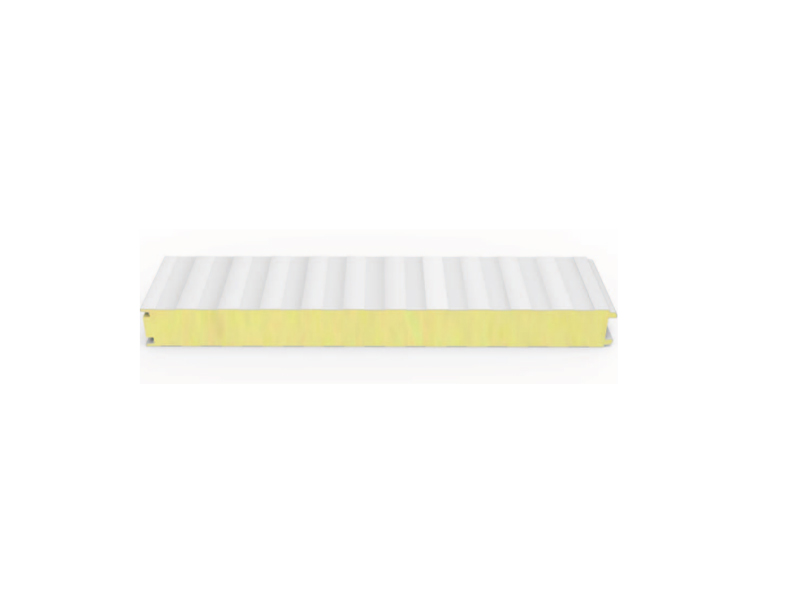
Start with the insulation. Polyurethane (PUR) panels with a thickness of 100 mm give a U‑value around 0.20 W/m²K for a chiller room, which is sufficient to limit heat ingress through the envelope. However, if the cold room is located in a coastal or high‑humidity region, I prefer 120 mm panels with a vapour barrier on the warm side to stop moisture migration into the insulation. Polyisocyanurate (PIR) panels offer better fire performance and are worth the premium when the cold room is part of a larger processing facility that may fall under local fire codes.
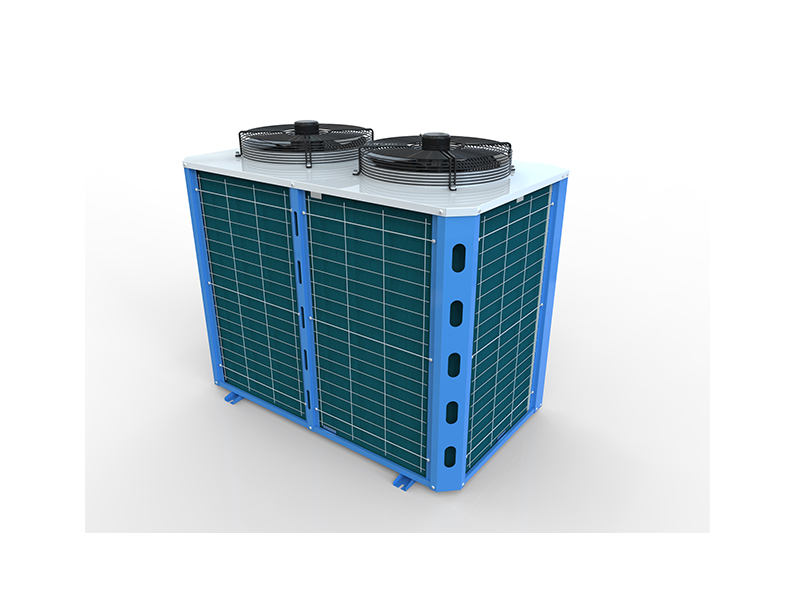
The condensing unit should be matched to the steady‑state load, not the pull‑down. For a 100 m³ coffee cold room in an ambient of 35°C, a Bitzer reciprocating condensing unit around 5–10 HP is typically sufficient once the beans have been pre‑cooled. The key is the evaporator. A DL‑type air cooler with a fin spacing of 4.5 mm and a low face velocity (2.0–2.5 m/s) will exchange heat without stripping moisture from the air. Combine it with an electronic expansion valve and a controller that can execute a hot‑gas bypass or a digital scroll modulation, and the room can ride through low‑load periods without the temperature drop that condenses humidity on the evaporator surface.
If your operation involves both washed and natural processes, the cold room should have at least two independent zones. Natural coffees often carry a higher initial moisture variability, and loading a fresh lot into a room that already holds stable beans will temporarily raise the dew point. A separate buffer zone or a segmented room with individual air coolers allows you to condition incoming stock without disturbing the stable storage zone.
Common Operational Errors That Shorten Green Coffee Shelf Life
Loading hot beans is the most frequent mistake. After hulling or grading, coffee that has been sitting in an warehouse under a metal roof can enter the cold room at 30°C or more. The cold room air, suddenly hitting a warm mass, drops in temperature fast, and moisture condenses everywhere—on the bags, on the walls, and inside the fabric of the jute sack. I insist clients install a holding bay at ambient temperature with good ventilation, so the coffee can cool to within 3–5°C of the cold room setpoint before transfer.

Another error is stacking bags tightly against insulated panels. Cold room walls are the coldest surface in the room during the off‑cycle, and a bag pressed directly against a panel can drop a few degrees below the surrounding air temperature, creating a microclimate where moisture migrates into the bean. A 15 cm air gap on all sides, plus pallet‑level air channels, prevents this. In forced‑air cold rooms, the fan should be programmed to run continuously at low speed; stopping the fan leads to stratified humidity, with the floor zone becoming dangerously moist while the ceiling stays dry.
If your facility processes coffee from origins with different moisture contents—say, 10.5% from one farm and 11.8% from another—it is worth confirming the appropriate conditioning sequence before committing to a single‑zone design. Reach me at meluck@meluckcooling.com for a technical discussion specific to your throughput and bean profile.
Long‑Term Performance Practices for Coffee Export Cold Rooms
A cold room that holds perfect parameters during commissioning will drift within six months if the defrost strategy and sensor placement are not calibrated. For a coffee storage room operating at 15–18°C, the evaporator rarely forms frost because the suction temperature stays close to the room dew point. Electric defrost is unnecessary; an off‑cycle defrost timed for the early morning, when the room is in its lowest load period, works well and avoids injecting heat. What does matter is the location of the humidity sensor. Mounting it in the return air stream gives a lagging indication that can be 10% RH higher than the actual bag‑level condition. I place a capacitive sensor in the centre of the room, encased in a small aspirated shield, to get a true reading.
Preventive maintenance for coffee cold rooms focuses on the condenser coil and the door seals. A fouled condenser raises the condensing pressure, which widens the compressor compression ratio and reduces the evaporator’s ability to pull latent heat, effectively drying the air. In our projects across Southeast Asia and South America, a quarterly coil cleaning has proven to be the single cheapest way to keep the cold room’s humidity profile from shifting. Door seals that leak warm, humid air will produce a continuous drip from the evaporator and an unexplained humidity rise that no controller can correct. Test the seals monthly with a light test or thermal camera.
Coffee export is a relationship business built on trust. Your buyers trust that the beans they sample will match the shipment they receive months later. The cold room is the piece of equipment that underwrites that trust, and it deserves more than a repurposed vegetable chiller. Every cold room project we deliver—from avocado pre‑coolers in Peru to multi‑zone seafood facilities in Ecuador—confirms that the investment in proper refrigeration engineering pays back through reduced rejection, longer storage windows, and higher cupping scores that hold their value. If you are planning a cold room for green coffee, send your target storage temperature, annual throughput, and site power details to meluck@meluckcooling.com or call +8617369893087. We will match a system configuration to your quality requirements and budget, drawing on fifteen years of cold chain experience.
Questions Coffee Exporters Ask Before Installing a Cold Room
Why can’t I just store green coffee in a regular air‑conditioned room?
A standard air conditioner is designed for human comfort, not product preservation. It typically removes too much moisture and cannot maintain the narrow 60–65% RH band that green coffee needs. Over a month, a split AC will overdry the beans, reducing weight and affecting cup quality. A purpose‑built cold room with a correctly matched evaporator holds both temperature and humidity steady.
Does the cold room need a different system for different coffee origins?
Not necessarily, but the control strategy should adapt. Washed Arabica, for example, benefits from the lower end of the temperature range with stable humidity, while some Naturals can handle a slightly warmer room if the dew point is kept low. A system with a digital controller and an electronic expansion valve can manage multiple setpoints without changing hardware, as long as the evaporator capacity was sized for the most demanding condition your business handles.
How long can green coffee stay in a cold room without quality loss?
Under stable 15–18°C and 60–65% RH conditions, specialty green coffee can remain stable for 6–12 months with negligible cupping score decline. The critical variable is not calendar time but cumulative degree‑hours above the target temperature. A well‑designed cold room with backup power can extend that window toward the upper end, giving exporters flexibility to wait for favourable freight rates or buyer scheduling.
Is it worth insulating the cold room with PIR instead of PUR?
For a chiller‑temperature coffee storage room, PUR is adequate and costs less. PIR becomes the better choice when the cold room shares a wall with a processing area that may have higher fire risk, or when local building codes require a specific fire rating. From a thermal performance standpoint, the difference in energy consumption is small, but the fire safety margin can be critical for insurance and regulatory compliance.
What’s the first sign that a cold room is not maintaining coffee properly?
Bag surface condensation or a musty smell near the floor are the earliest warnings. If you see either, the humidity profile has already shifted outside the safe zone. Most good systems will alert via a controller output before that happens, but a weekly walk‑through with a handheld hygrometer at bag level remains the best early‑warning practice. If your current room is giving you inconsistent readings, share your temperature and humidity logs with our team. We can help identify where the system is losing stability and what adjustments or upgrades will bring it under control.
Si le interesa, consulte estos artículos relacionados:
Almacenamiento en frío con precooling de aguacate en Perú - Meluck
Soluciones de cámaras frigoríficas -25C~-18C - Meluck
Proyecto de almacenamiento en frío de semilla de papa en Myanmar - Meluck
Soluciones de salas de procesamiento para plantas alimentarias - Meluck
Soluciones de cámaras de congelación rápida -40C~-60C - Meluck
Con más de 15 años de experiencia como ingeniero de refrigeración de MELUCK, me especializo en el diseño de almacenamiento en frío, enfriadoras, máquinas de hielo y sistemas de ahorro energético para la cadena de frío, y presto soporte técnico a distribuidores y empresas de ingeniería de todo el mundo.

meluck