
Cámara frigorífica para la exportación de flor cortada desde Etiopía: guía práctica
Para los exportadores de flores de Etiopía, los pocos grados de aumento de temperatura entre la cosecha y el transporte aéreo pueden suponer la diferencia entre flores de primera calidad y envíos rechazados. Una cámara frigorífica correctamente dimensionada y diseñada no es opcional: es la base de la calidad poscosecha. Aunque abundan los consejos genéricos sobre almacenamiento en frío, la realidad en la explotación agrícola en Etiopía exige equipos que toleren temperaturas ambiente elevadas, se ajusten a las características del suministro eléctrico locale integren la logística desde la explotación hasta el aeropuerto internacional de Bole. Esta guía se basa en la experiencia práctica de ingeniería de refrigeración en mercados de clima cálido similares para ayudar a los operadores de flor cortada etíopes a especificar, instalar y operar una cámara frigorífica fiable.

Por qué una cámara frigorífica dedicada es importante para las exportaciones de flores etíopes
Las flores cortadas respiran después de la cosecha, generando calor y etileno. Si el calor de campo no se elimina con rapidez, los pétalos se ablandan, los tallos se debilitan y la vida en florero se acorta. Una cámara frigorífica en la explotación proporciona el entorno controlado que ralentiza el deterioro y amplía el margen para la clasificación, el envasado y el transporte aéreo. En Etiopía, donde las temperaturas diurnas superan habitualmente los 30 °C, la diferencia entre las condiciones ambiente y las condiciones óptimas de almacenamiento es grande. Una sala de trabajo o un cobertizo a la sombra no pueden salvarla.
La cámara frigorífica también sirve de amortiguación frente a los retrasos logísticos. Si el camión al aeropuerto de Bole se retrasa, el producto que espera en una sala refrigerada conserva su calidad. Sin ella, cada hora juega en tu contra.
| Flower Type | Storage Temperature (°C) | Relative Humidity (%) | Vida útil de almacenamiento aprox. |
|---|---|---|---|
| Rose | 0–1 | 90–95 | 7–14 days |
| Carnation | 0–1 | 90–95 | 14–21 days |
| Chrysanthemum | 0–1 | 90–95 | 10–14 days |
| Gerbera | 2–5 | 90–95 | 7–10 days |
| Alstroemeria | 0–1 | 90–95 | 14–21 days |
For mixed loads, 0–2°C and 90–95% RH is the common compromise. But the cold room must be capable of holding that setpoint even when outdoor conditions peak.
Cold Room Design Features That Protect Cut Flowers
An effective cold room for flowers is not a standard freezer room. Humidity control is as important as temperature. Too dry, and flowers wilt and lose weight; too wet, and condensation promotes botrytis. The insulation panel system and air cooler configuration must work together to maintain stable temperature and humidity without sharp fluctuations.
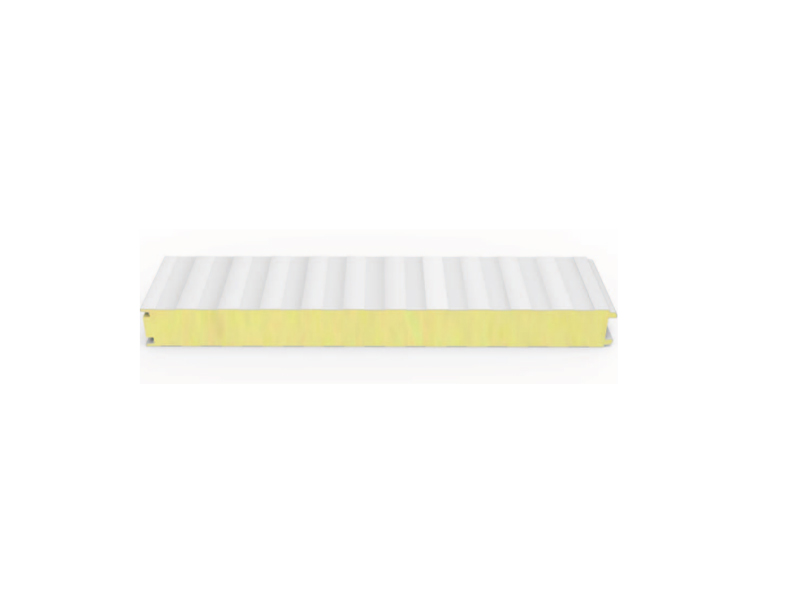
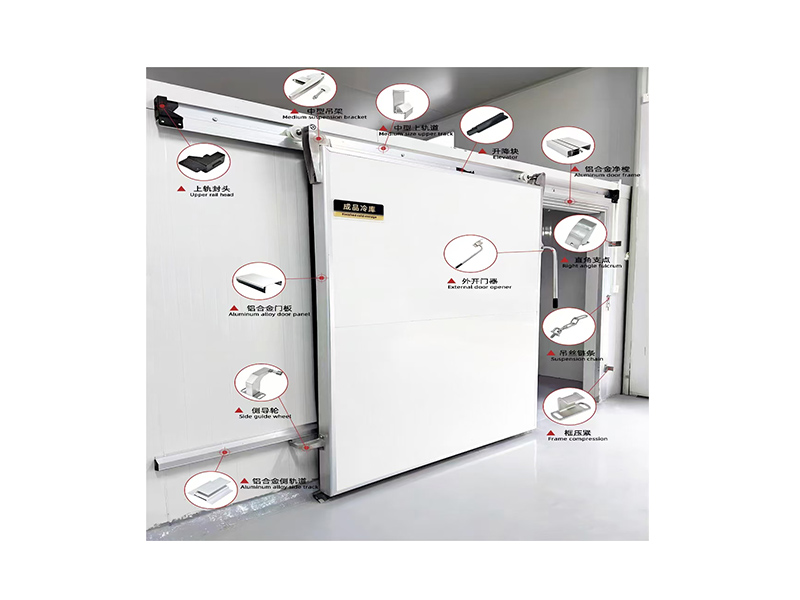
High-density PU sandwich panels with cam-lock joints provide the airtight envelope. Panel thickness of 100 mm is typical for chiller applications, but in Ethiopia’s highlands where solar radiation can be intense, 120 mm panels reduce heat ingress and compressor run time. The cold room door should seal tightly; a puerta corredera manual with a heated frame seal prevents ice build‑up and sticking.
Inside, the evaporator should be sized for a low air speed. A high-velocity air cooler will cause dehydration and wilting. A ceiling-mounted DL-series unit, selected for the room’s heat load and pull‑down needs, provides gentle, even air distribution. A temperature controller with humidity monitoring and automatic defrost prevents ice formation on the coil that would drop humidity and cause temperature spikes.
Refrigeration Equipment Selection for High-Ambient Environments
The condensing unit is the heart of the system, and it must be sized for the worst‑case ambient temperature—often 38–42°C in lowland Ethiopian collection hubs. An undersized unit will fail to pull down temperature after loading, while an oversized unit will cycle frequently, causing temperature swings and higher energy bills.
In our experience with similar high‑ambient projects—including a multi‑zone cold storage facility in Cairo—Bitzer semi‑hermetic reciprocating compressors have consistently delivered reliable cooling and long service intervals. For a typical 6 m × 5 m × 3.5 m flower cold room holding 0–2°C, a Bitzer 5HP or 7HP condensing unit paired with an appropriately matched air cooler is sufficient, provided the panel insulation is correct and the room is not opened excessively. For larger rooms, Bitzer 12HP or 15HP units offer the extra capacity needed for rapid pull‑down after harvest.
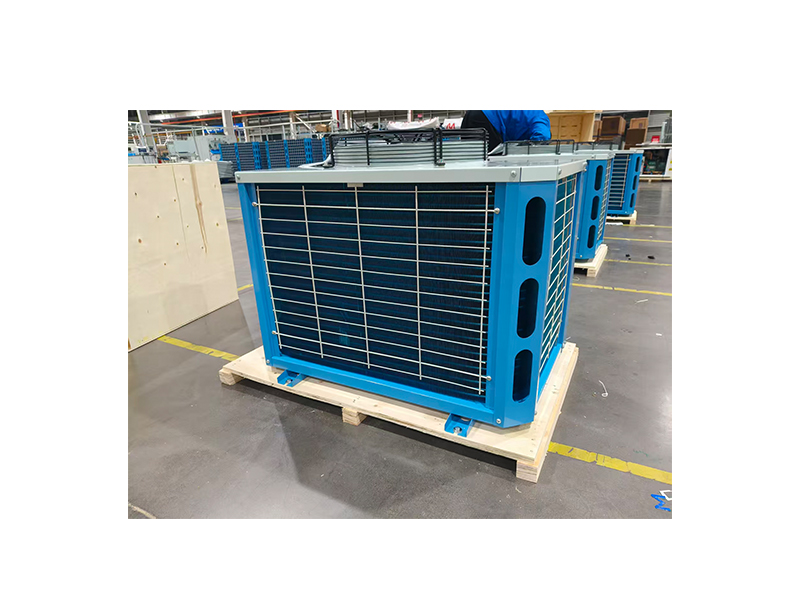
If the farm operates on 50 Hz power, which is standard in Ethiopia, condensing unit motors and fans must be rated accordingly. This may seem minor, but using 60 Hz-rated equipment on a 50 Hz grid derates capacidad de refrigeración by roughly 17% and can lead to motor overheating. I have seen installations perform poorly simply because the supplier did not confirm frequency compatibility—confirm this during specification.
Installing and Commissioning a Cold Room in Ethiopia: What to Expect
Installation on a working flower farm involves more than bolting panels together. The site must be prepared with a level concrete slab, adequate drainage, and a weather-protected location for the condensing unit. While many farms are located on the outskirts of Addis Ababa or in the Rift Valley, conditions at higher altitudes bring cooler air but also more intense UV exposure; the condensing unit should be shaded without restricting airflow.
Power supply quality varies. Voltage drops and intermittent outages are common in some regions. A phase monitor and voltage stabilizer protect the compressor motor from undervoltage damage. For critical cold rooms, a standby generator is a prudent investment; the cost is quickly offset by the avoidance of a single full-room product loss.
Commissioning must include a pull‑down test: load the room with dummy product or harvested flowers and verify that the system reaches setpoint within the specified time. Check that defrost cycles do not spike room temperature and that humidity stabilizes. This is also the moment to train farm staff on thermostat settings, door discipline, and logging—all of which have a larger impact on day‑to‑day performance than the brand of equipment.
If your program involves a multi‑zone setup with pre‑cooling and holding rooms, it is worth confirming the load balance and central controller configuration before finalizing the equipment list—reach out at meluck@meluckcooling.com.
Operational Best Practices for Consistent Cooling and Low Running Costs
A well‑run cold room is a managed facility, not a set‑and‑forget box. Daily temperature and humidity logs are the first line of defense. Even a small drift can signal an issue: a dirty condenser coil, a refrigerant leak, or an evaporator fan failing. In our service projects, we often find that 70% of under‑performance complaints trace back to condenser maintenance or door seals, not the compressor.
Condenser coils should be cleaned monthly in dusty farm environments. A brush and blower, not a high‑pressure washer, preserve fin geometry. Evaporator defrost settings should match the expected moisture load; cut flowers release significant moisture, so a defrost cycle every 4–6 hours is typical.
Door management matters more than many operators realize. Every time the door opens, warm, humid air floods in, and the system works hard to remove that load. Define specific loading and packing intervals rather than allowing continuous access. A sliding door with a fast open‑close action helps reduce infiltration.
Backup readiness is part of operations. At a minimum, keep a spare set of contactors, fuses, and a start capacitor for the compressor. These are small, low‑cost items that can be sourced locally or shipped with the initial installation. The downtime from waiting a week for a replacement far exceeds the upfront cost.
Questions Flower Exporters Often Ask About Cold Rooms
What is the most common mistake when buying a cold room for flowers?
The biggest mistake I see is buying solely on price and ignoring the full system match. A cold room is insulation, door, condensing unit, evaporator, controller, and installation—all must be correctly paired. A cheap panel with a mismatched compressor will consume more electricity and fail to hold temperature. It is far better to work with a supplier who provides a matched system with a performance guarantee.
Can I use a standard cámara frigorífica for mixed flower types?
Yes, a chiller room designed for 0–2°C will handle most commercial cut flowers. However, if you handle ethylene‑sensitive varieties such as carnations or gypsophila alongside roses, good air circulation and ethylene removal become critical. Some farms add potassium permanganate filters in the air return. In our designs, we ensure the evaporator covers the room uniformly so no warm spots develop.
How do I verify the cold room meets export standards?
International buyers and freight forwarders expect documented temperature records. A digital controller with data logging provides a PDF or CSV export that can be shared with inspectors. Combine that with a door opening log and you have a straightforward compliance trail. The equipment itself doesn’t need a special mark, but the installation and temperature consistency must be verifiable. Share your buyer’s specific handling requirements and we can confirm if the proposed controller and logging configuration meet them.
What happens if the power fails for several hours?
A well‑insulated cold room with 100 mm polyurethane panels will hold temperature for 2–4 hours if the door remains closed. Beyond that, product temperature will rise. For farms that experience frequent outages, a standby generator sized for the compressor starting current is the only reliable solution. We recommend sizing the gen‑set with a 30% margin above the condensing unit’s rated input to account for starting inrush and future load additions.
How long does it take from ordering to a fully operational cold room?
A standard prefabricated cold room can be manufactured and shipped within 4–6 weeks, with on‑site assembly taking 5–7 days by an experienced team. Commissioning and training add 2–3 days. The total timeline is typically 8–10 weeks from order confirmation. If you need a custom size or a multi‑room system, add 2–3 weeks for engineering and panel production. Share your timeline and we’ll confirm stock availability and a realistic installation schedule—reach out to meluck@meluckcooling.com or call +8617369893087.
Si le interesa, consulte estos artículos relacionados:
Proyecto de almacenamiento en frío de semilla de papa en Myanmar - Meluck
Proyecto de almacenamiento en frío multitemperatura en Ecuador - Meluck
Con más de 15 años de experiencia como ingeniero de refrigeración de MELUCK, me especializo en el diseño de almacenamiento en frío, enfriadoras, máquinas de hielo y sistemas de ahorro energético para la cadena de frío, y presto soporte técnico a distribuidores y empresas de ingeniería de todo el mundo.

meluck