
Cámara frigorífica para ajos: control de humedad y temperatura
Getting garlic from harvest to market months later without sprouting or weight loss takes more than a cámara frigorífica with a thermostat. Garlic bulbs respire actively after harvest, and if the storage environment isn’t right, they either dry out or wake up early. Over fifteen years of designing cold storage for crops that demand tight humidity tolerances, I’ve seen the same pattern: operators focus on temperature and overlook moisture control, then lose a percentage of inventory that costs more than the refrigeration system itself. A purpose‑built garlic cámara frigorífica manages both parameters as a pair, because temperature stability alone won’t stop the slow degradation that eats into shelf life and export value.
Key Temperature and Humidity Parameters for Garlic Cold Storage
Successful long-term preservation of garlic depends on maintaining a consistent cold environment that keeps the bulbs dormant without freezing or triggering internal sprouting mechanisms.
The storage temperature window for most commercial garlic varieties falls between 0°C and +5°C. At 0°C, respiration slows dramatically, delaying both weight loss and the breakdown of stored carbohydrates. If the temperature drops to -2°C or below, ice crystals form inside the cloves, rupturing cell walls and leading to soft, translucent bulbs within days after thawing. Above +8°C, garlic begins to break physiological dormancy, and sprouting can start within two to four weeks depending on the variety and the pre‑storage curing. I recommend setting the cold room controller at +1°C to +3°C, with an alarm threshold at +5°C and a low trigger at -1°C. This leaves enough margin for defrost cycles and door openings without drifting into risky territory.
Relative humidity is equally important. Garlic stores best at 65%–75% relative humidity. Below 60%, bulbs lose moisture quickly: the outer skin desiccates, cloves shrink, and marketable weight drops. Above 80% for extended periods, molds like blue mold (Penicillium) and neck rot take hold, especially if temperature fluctuates and condensation forms on the bulb surface. In cold rooms I’ve commissioned for onion and tomato clients, a 10% humidity deviation from target caused measurable losses within six weeks. Garlic is less tolerant of high moisture than onions, so draining excess water from the air is just as critical as adding moisture when the air becomes too dry.
A summary of the critical storage targets for garlic cold rooms appears below.
| Parámetro | Recommended Range | Risk Outside Range |
|---|---|---|
| Temperatura de almacenamiento | +1°C to +3°C | Freezing injury below -2°C; sprouting above +8°C |
| Humedad relativa | 65%–75% | Weight loss and shrink below 60%; mold and rot above 80% |
| Air speed (through pallet stack) | 0.05–0.15 m/s | Uneven cooling and moisture accumulation below; excessive dehydration above |
| CO₂ concentration | Below 5,000 ppm (5%) | Sprouting and off‑flavors at higher levels |
Designing the Cold Room for Optimal Humidity Control
Estándar cámara frigoríficas don’t always give growers the precise humidity management garlic needs. The key is sizing the refrigeration system so it removes heat without pulling out all the moisture, and then supplementing with active humidity control when necessary.
The refrigeration unit’s evaporator temperature delta (the difference between the air returning from the cold room and the evaporator coil surface temperature) determines how much water condenses on the coil. A smaller delta, such as 5K to 7K, results in less dehumidification per hour, which is desirable when the room is already at target humidity. For a garlic cold storage room, I often specify a ceiling‑mounted air cooler with a low‑velocity fan and a coil designed for a 5K approach, and pair it with an electronic expansion valve that adjusts superheat quickly as load changes. If the room trends dry, especially during the first weeks after loading when field heat is being pulled out, a steam humidifier or an ultrasonic fogging system can inject moisture in a controlled way. Conversely, when the air is too wet, a small dedicated dehumidifier connected to a separate drain prevents condensation on bulbs without overcooling the space.
Ventilation is also an underappreciated control lever. Garlic bulbs produce low levels of ethylene and carbon dioxide, and without air changes, CO₂ can climb past 10,000 ppm inside a tightly sealed cold room. Elevated CO₂ alone doesn’t spoil garlic immediately, but it reduces dormancy duration and can cause internal browning at the neck after four to five months. I’ve seen this in a Peruvian avocado cold room project where we initially underestimated gas buildup and later added timed fresh‑air intake vents. For garlic, daily air exchange of 1/3 to 1/2 of the room volume is enough to keep CO₂ below 5,000 ppm, provided the incoming air is conditioned to the room’s temperature and humidity so it doesn’t introduce a spike.
Refrigeration Equipment Selection for Garlic Cold Rooms
Choosing a condensing unit and evaporator for garlic storage is about matching the cooling load to a system that can run long cycles without short‑cycling, as frequent starts and stops cause temperature and humidity swings.
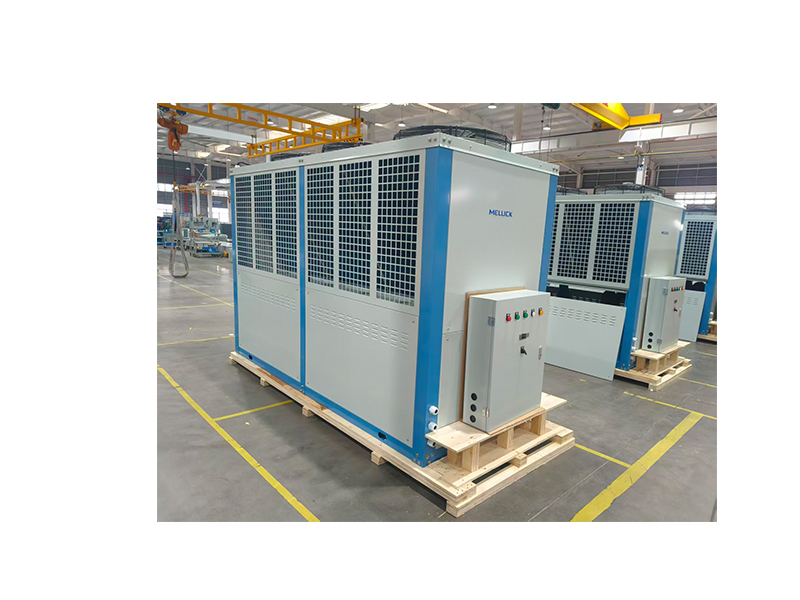
For a small‑to‑medium garlic cold room (say 50–200 cubic meters), an air‑cooled condensing unit with a Bitzer semi‑hermetic reciprocating compressor in the 4HP to 9HP range provides the reliability and serviceability that commercial operators need. Bitzer’s 4DES‑6Y or 4VES‑10Y units, for example, deliver stable medium‑temperature performance and can be configured with a suction pressure regulator to maintain the evaporator at the correct temperature band. In larger facilities storing hundreds of tons of garlic, a parallel condensing unit with multiple compressors offers capacity modulation so the system can run at part load during low‑demand periods without cycling.
The evaporator selection should lean toward a low‑velocity unit with generous fin spacing (6 mm or more) so frost accumulation between defrost cycles is minimal. Electric defrost is sufficient for a chill room operating above 0°C; defrosts should be time‑or demand‑initiated and kept short to avoid warming the bulbs.
Operational Practices to Maximize Garlic Shelf Life
Even a perfectly designed cold room underperforms if loading and monitoring procedures don’t align with the stored crop’s physiology.
Garlic must be properly cured before entering cold storage. Field‑cured bulbs with the outer skin fully dried have a lower initial moisture content and are less likely to rot. Incoming bulbs should be cooled to storage temperature within 24 to 48 hours after loading, because the longer they stay at ambient temperature inside the cold room, the more field heat the system must remove and the more moisture the bulbs lose. Pallet stacking should allow a 10–15 cm gap between rows and 20 cm from the walls so air can circulate evenly. I commonly recommend placing temperature and humidity sensors at three heights within the stack: floor level, mid‑height, and near the ceiling, because stratification can produce a 1°C to 2°C difference that affects bulblet physiology.
A controller with historical logging helps identify long‑term drift. In one Egyptian French fries cold storage project, adding remote monitoring allowed the operator to catch a gradual rise in room temperature caused by a dirty condenser coil, saving them from a potential product‑loss incident. Garlic storage benefits from the same vigilance — a temperature‑logging system with SMS alerts is a small investment relative to the value of the stored crop.
Long‑Term Maintenance and Reliability Considerations
A garlic cold storage room typically runs for months at a stretch during the marketing season, so any unplanned downtime during that window is expensive.
Monthly inspections should include coil cleaning, drain pan checks, and door gasket seals. The condenser coil on the outdoor unit needs attention especially in dusty agricultural areas; a drop in condensing pressure from a dirty coil can raise condensing temperature by 5°C to 8°C, cutting system capacity and increasing energy use. Inside the room, verify that the defrost drain remains clear — a blocked drain can back up and flood the floor, spiking humidity.

If you are evaluating different cold room configurations for garlic and want a system that accounts for your local climate and throughput, we can provide a detailed load calculation and equipment selection. Email your project specifications to meluck@meluckcooling.com and we’ll match the components to your required temperature and humidity profile.
Common Questions About Garlic Cold Storage
How long can garlic be stored in a cold room with proper temperature and humidity control?
Under optimal conditions — +1°C to +3°C and 65%–75% relative humidity — well‑cured garlic can remain marketable for 6 to 8 months. Varietal characteristics matter: some hard‑neck cultivars have a longer natural dormancy than soft‑neck types. The limiting factors are gradual weight loss (typically 1%–2% per month) and eventual sprouting, which creeps in when the bulbs deplete their dormancy‑preserving enzymes. Regular sampling is the only way to know when quality starts to decline.
Should I use a controlled atmosphere (CA) storage for garlic instead of a regular cold room?
CA storage, which reduces oxygen and increases carbon dioxide, is not standard for garlic because the bulbs tolerate moderate CO₂ levels and the additional cost of gas‑tight rooms and nitrogen generators rarely justifies the marginal extension in shelf life. Good ventilation and humidity control already provide most of the benefits. CA becomes relevant only when the storage period must stretch beyond 10 months or when the garlic is destined for a value‑added processing line that requires ultra‑fresh raw material.
Does the cold room panel type affect humidity control for garlic storage?
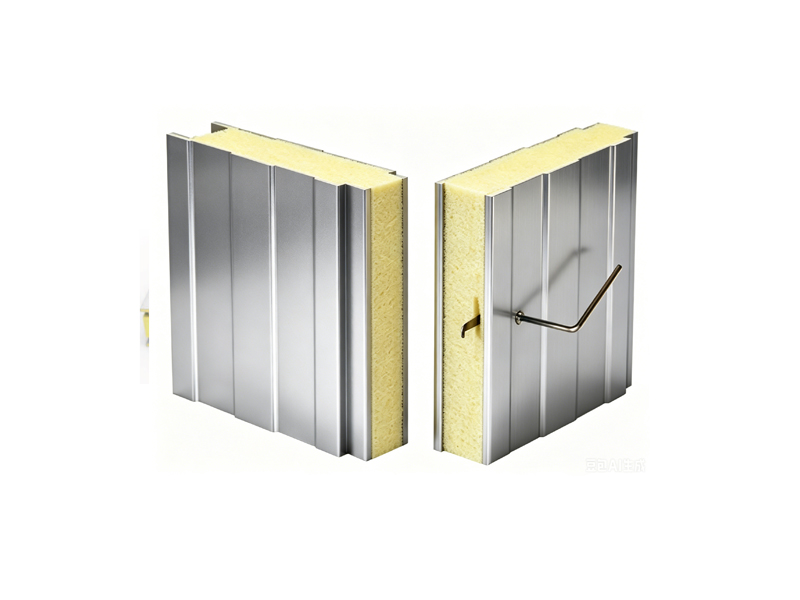
Yes. Panel insulation with a high R‑value and a vapor‑sealed surface prevents condensation on the interior walls, which can raise local humidity and cause dripping. PU or PIR sandwich panels with cam‑lock or slip‑joint connections and factory‑sealed facings maintain a dry, stable envelope. In tropical climates, a 100 mm‑thick PU panel with a 35–40 kg/m³ foam density gives reliable thermal performance without moisture ingress.
Can I store other produce like onions or potatoes in the same garlic cold room?
It is not advisable because onions require lower humidity (55%–65%) to prevent neck rot, while garlic needs 65%–75%. Potatoes have different ethylene sensitivity and can absorb the garlic odor. If your operation handles multiple crops, a multi‑zone design with partitioned rooms and independent humidity controls is the better approach. Share your crop mix and storage volumes at meluck@meluckcooling.com and we can outline a zone layout for your facility.
📞 +8617369893087
✉️ meluck@meluckcooling.com
Si le interesa, consulte estos artículos relacionados:
Soluciones de cámaras de congelación rápida -40C~-60C - Meluck
Proyecto de almacenamiento en frío de semilla de papa en Myanmar - Meluck
Soluciones para salas de refrigeración -10C~10C - Meluck
Soluciones de salas de procesamiento para plantas alimentarias - Meluck
Soluciones de cámaras frigoríficas -25C~-18C - Meluck
Con más de 15 años de experiencia como ingeniero de refrigeración de MELUCK, me especializo en el diseño de almacenamiento en frío, enfriadoras, máquinas de hielo y sistemas de ahorro energético para la cadena de frío, y presto soporte técnico a distribuidores y empresas de ingeniería de todo el mundo.

meluck