
Проект холодильной камеры в Кении: подбор оборудования для высоких температур окружающей среды
Проекты холодильных камер в Кении сталкиваются с одной реальностью, которую игнорируют типовые руководства по холодильному оборудованию: техника, работающая в Европе или Китае, часто с трудом справляется в условиях восточноафриканского солнца. В Момбасе температура окружающего воздуха регулярно превышает 35°C, а напряжение в сети колеблется в часы пик. В Найроби высота над уровнем моря и более прохладные ночи меняют расчёты отвода тепла. Проект холодильной камеры в Кении не может опираться только на имя бренда: решение сводится к подбору компрессорно-конденсаторных агрегатов, изоляции и температурные зоны соответствию фактическим условиям эксплуатации. По моему опыту проектирования холодильных складов для рынков с жарким климатом, лучше всего выдерживают испытание временем те проекты, у которых есть одна общая привычка: они начинаются с письменной спецификации, составленной исходя из типа продукции и условий площадки, а не из типового пакета поставщика.
Температурные зоны и подбор размеров для проекта холодильной камеры в Кении
Продовольственные цепочки Кении охватывают свежую продукцию на экспорт, переработку молока в направлении Найроби и Накуру, выгрузку рыбы в Момбасе и на озере Виктория, а также растущий мясной сектор. Каждая категория продукции предъявляет разные требования к холодильному хранению, и их смешение в одной камере — самая распространённая ранняя ошибка, которую я вижу в запросах по проектам.
Какие температурные зоны соответствуют основным продовольственным цепочкам Кении?
A холодильная камера работающая при 0°C–4°C, обслуживает свежее садоводство, молочную продукцию и краткосрочное хранение мяса. морозильная камера при -18°C до -25°C фиксирует замороженную рыбу, мясные отрубы и переработанные товары. Камеры предварительного охлаждения при 5°C–10°C отводят полевое тепло из свежей продукции перед её поступлением в основную холодильную цепь, а скороморозильный аппарат при -30°C до -35°C замораживает продукт достаточно быстро, чтобы сохранить текстуру и вес.
| Температурная зона | Типовой диапазон | Применение в Кении | Подход к оборудованию |
|---|---|---|---|
| Предварительное охлаждение | 5–10 °C | Садоводство, авокадо, зелёная фасоль, цветы | Компрессорно-конденсаторный агрегат среднего температурного уровня, потолочные испарители |
| Чиллер | 0–4 °C | Молочные продукты, свежее мясо, свежая продукция | Агрегат Bitzer среднетемпературный, достаточная толщина панелей |
| Морозильная камера | от -18 °C до -25 °C | Замороженная рыба, мясо, переработанные продукты | Низкотемпературный компрессорно-конденсаторный агрегат, панели 100–150 мм |
| Скороморозильный аппарат | От -30°C до -35°C | Морепродукты, птица, мясо на экспорт | Агрегат Bitzer высокой мощности, специальный испаритель для шоковой заморозки |
| Переработка | От 5°C до 15°C | Помещения для сортировки, обрезки и упаковки | Среднетемпературный агрегат с учётом интенсивности открывания дверей и числа людей |
Как подобрать размер холодильной камеры для малого агробизнеса или экспортной операции?
Подбор холодильной камеры для проекта в Кении не сводится к площади. Для малого агробизнеса, перерабатывающего несколько тонн продукции в неделю, часто достаточно камеры охлаждения объёмом от 20 до 50 кубических метров с компрессорно-конденсаторным агрегатом Bitzer мощностью от 4 до 7 л.с. Экспортно ориентированной операции, ежедневно отгружающей несколько паллет, может потребоваться от 500 до 2 000 кубических метров в нескольких зонах, с компрессорно-конденсаторными агрегатами от 20 до 50 л.с. и параллельными компрессорными стойками для энергоэффективности.
В проекте в эквадорском Манте, который мы построили для экспортёра морепродуктов, на объекте было объединено пять температурных зон: камера шоковой заморозки при -35°C, хранение замороженной продукции при -18°C, хранение льда при -10°C, помещение для переработки при 5–10°C и система производства чешуйчатого льда производительностью 10 тонн в сутки. Главной проблемой клиента была нехватка мощности для сверхнизкой заморозки и отсутствие отдельного помещения для льда, из-за чего порча продукции росла, а экспортные проверки раз за разом не проходили. После того как зоны были приведены в соответствие с рабочим процессом, потери снизились, а выпуск стабилизировался.
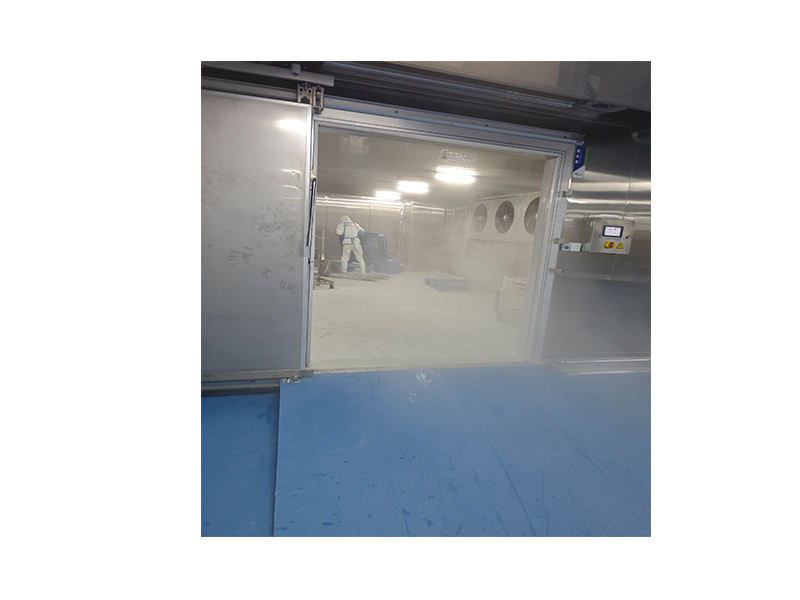
Высокая температура окружающей среды и электроснабжение при выборе оборудования для холодильной камеры
Именно жара отличает проект холодильной камеры в Кении от подбора оборудования по европейским нормам. Влажность прибрежного воздуха в Момбасе и жара во внутренних районах на севере выводят компрессорно-конденсаторные агрегаты за пределы номинальных условий, которые многие поставщики указывают в технических паспортах. Второй фактор — электроснабжение: нестабильность напряжения и перебои в подаче электроэнергии сокращают срок службы компрессора быстрее, чем обычная эксплуатация.
Why Condensing Units Lose Capacity in High Ambient Conditions
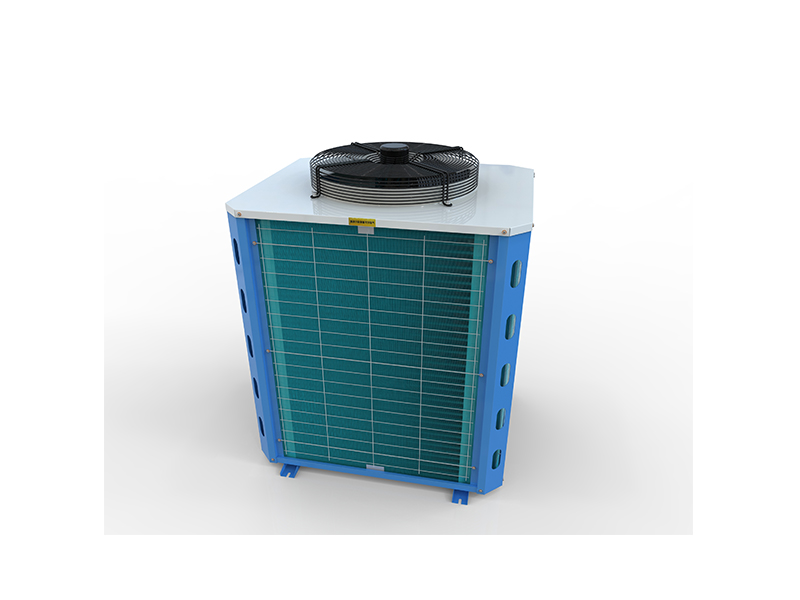
A condensing unit rated at 32°C ambient loses heat rejection capacity as the air it pulls across the condenser gets hotter. At 38°C to 40°C, the refrigeration effect can drop 15% to 25% compared with the datasheet rating. On a freezer room, that margin is the difference between holding -18°C and drifting toward -13°C during afternoon peaks.
Unit selection therefore starts with the site's maximum ambient design temperature, not the standard 32°C assumption. For coastal and inland Kenyan sites, I specify air-cooled condensing units sized one nominal step above the basic load calculation. Original Bitzer compressors with proper condenser airflow and sufficient coil face area hold capacity better than budget scroll alternatives when the air temperature climbs. On the Egypt French fries project, our team faced Cairo summers above 40°C and used Bitzer 75HP systems on frozen storage rooms to maintain -20°C without strain.
| System scale | Suggested condensing unit | Typical temperature suitability |
|---|---|---|
| Small cold room | Bitzer 4HP to 7HP reciprocating | Chiller and freezer |
| Medium cold room | Bitzer 12HP to 20HP | Freezer and processing |
| Large cold storage | Bitzer 30HP to 50HP | Multi zone and blast |
| Ultra low | Bitzer 2 stage 16HP to 20HP | -50°C и ниже |
How Do You Protect a Cold Room From Voltage Fluctuation and Outages?
Kenya's grid delivers 240V single phase and 415V three phase at 50Hz, but voltage dips during peak hours and full outages happen in many regions. A three phase compressor that loses one phase or runs on low voltage overheats quickly. Phase protection relays, voltage monitoring, and a correctly sized backup generator are standard additions for Kenyan cold rooms outside central Nairobi.
For sites running on generator power, the generator must be sized for the compressor's locked rotor current, not just its running current. Otherwise startup voltage sag trips the compressor. If the project involves imported equipment, confirm the motor frequency matches the local 50Hz supply; I have seen buyers import 60Hz machines and burn out compressors because the frequency mismatch changed motor speed and cooling characteristics.
If your site in Garissa, Lodwar, or the coastal strip regularly sees ambient temperatures above 38°C, it is worth confirming the condensing unit's maximum ambient design temperature before finalizing your equipment order. Share your site's summer ambient data with meluck@meluckcooling.com and we will check the unit curve against your load.
Sourcing Cold Room Equipment from a Manufacturer or a Local Contractor in Kenya
Once the technical spec is clear, the sourcing choice narrows to two paths: buy directly from a refrigeration equipment manufacturer, or work through a local contractor who assembles the project. Each has trade-offs, and the right answer depends on who controls the equipment spec.
What Should You Verify Before Signing With a Cold Room Supplier?
A local contractor frequently carries the site access and knows the local permitting environment, but many source panels and condensing units from the lowest cost supplier and pass them on without documenting the spec. A manufacturer delivers direct pricing and factory quality control, but the arrangement works well only if the scope includes installation support or a trained local partner.
When I evaluate a supplier for a Kenyan project, I check five things. First, the compressor brand and serial number trail: original Bitzer or Copeland units have documentation; copied units do not. Second, panel density and core material: freezer rooms need 100 to 150 mm panels, and PIR panels carry a better fire rating than standard PUR. Third, the cold room door hardware, which takes daily abuse. Fourth, the spare parts list for compressor, fans, controller, and door seals. Fifth, the after-sales response time, including whether technicians can travel to the site for commissioning.

Which Certifications and Documentation Matter for a Kenya Import?
For cold room panels, ask for the insulation core density certificate and the fire rating report. For condensing units, request the compressor manufacturer certificate and the pressure vessel or electrical component certifications. For export oriented food businesses, the cold room must meet the destination market's food safety requirements, which commonly means temperature logging, hygienic panel finishes, and a documented defrost system. Clear documentation also speeds customs clearance at Mombasa or Jomo Kenyatta International Airport freight terminals.
Turnkey Cold Room Installation and Long Term Maintenance in Kenya
A cold room is only as good as its installation and the maintenance that follows. Kenya's dust and humidity add service burdens that indoor European sites never see, so commissioning and after-sales support matter as much as the initial spec.
What Happens During a Turnkey Cold Room Installation?
A properly structured turnkey project begins with a site survey that records the exact slab dimensions, door opening, power supply capacity, and drainage fall. Then the manufacturer produces the PU or PIR panels, doors, and refrigeration units to match the survey. After shipping and customs, the installation team assembles the room, seals the panel joints, sets the condensing unit, runs the refrigerant piping, evacuates the system, charges refrigerant, and commissions the controls. Operator training closes the loop.
On the avocado cold room in Peru, the installation sequence ran from site survey through panel production, assembly, piping, vacuuming, refrigerant charging, performance testing, and final training. The client stored avocados at 10°C plus or minus 0.5°C using two Bitzer 20HP units and two ceiling evaporators. Spoilage dropped from roughly 15% to below 4%, and the client gained enough storage flexibility to match shipment schedules.

Which Maintenance Tasks Keep Running Costs Low?
Condenser cleaning sits at the top of the list in Kenya, because dust and coastal salt air coat the condenser fins and drive discharge pressure upward. I schedule condenser coil cleaning at least quarterly for coastal sites and monthly during dusty dry seasons. Door gaskets and panel seals come next, because air leaks pull moisture into the room and raise defrost cycles. Temperature logs and defrost system checks round out the routine, with compressor oil and refrigerant checks at least twice a year.
Preventive maintenance on a Bitzer compressor may add a few hundred dollars per year, but it prevents the multi thousand dollar failure and the lost stock that follows. In our project experience across tropical markets, rooms with disciplined cleaning schedules run with lower energy consumption and fewer emergency callouts.
Selecting a Reliable Partner for Your Kenya Cold Room
A cold room project in Kenya is not a one time equipment purchase. It is a multi year operating decision, and the early spec choices show up later in energy bills, product loss, and downtime. Many buyers discover this only after the room is built and the first hot season arrives.
MELUCK manufactures cold room panels, Bitzer and Copeland condensing units, blast freezers, chiller rooms, freezer rooms, and flake ice systems in a 130,000 square meter production base. The company has built refrigeration equipment since 1992 and shipped to over 70 countries. Its engineering team includes more than 50 technicians who travel for overseas installation, commissioning, and operator training. For a buyer in Kenya, one supplier carries the spec, the equipment, and the installation work, which reduces the coordination problems that stall projects.
Send your cold room dimensions, product types, and site power and ambient conditions to meluck@meluckcooling.com or call +8617369893087. We will confirm the temperature zone layout, condensing unit selection, and a realistic delivery and installation timeline, so the first reply reflects your operating conditions rather than a generic quotation.
Common Questions About Cold Room Projects in Kenya
How much does a cold room project in Kenya cost?
The final cost depends on room volume, temperature zone, panel thickness, compressor brand and horsepower, and installation scope. A small 20 to 50 cubic meter chiller room may run from a few thousand dollars for equipment only, while a multi zone export facility of 500 cubic meters and above can reach six figures with installation and commissioning. The equipment quote alone rarely reflects total cost; shipping, customs, local electrical work, and backup power often add 30% to 50% to the ex factory price. We quote against a site survey so these costs are visible before ordering, not discovered after delivery.
Can a cold room run on diesel generator power in rural Kenya?
It depends on the generator sizing and the room's temperature zone. A medium temperature chiller on a correctly sized generator runs acceptably, while a freezer room or blast freezer needs a much larger generator to cover locked rotor startup current. If the generator is undersized, voltage sag on compressor start trips protection or burns out the motor. The practical minimum is a generator rated for at least 2.5 to 3 times the running load for an across the line start, or a soft starter to reduce surge. We also add phase protection for three phase generator supply.
Which panel material and thickness suit a Kenyan freezer room?
Freezer rooms in Kenya need more than the minimum 100 mm panel thickness when the outside air stays hot for most of the year. I recommend 120 mm to 150 mm PU or PIR panels for rooms running at -18°C to -25°C, with PIR preferred for fire rating and long term thermal stability. Chiller rooms can use 100 mm panels without an excessive energy penalty. The door is the weakest thermal point, so an insulated sliding or секционные ворота with proper seals matters as much as the panel core. Low density panels with thin steel skins visibly sweat and ice up within a year in humid coastal air.
What import paperwork does a cold room project need in Kenya?
Before asking which forms to file, split the shipment into three categories: insulation panels, refrigeration units, and electrical controls. Each category clears on a different HS code, and compressors with refrigerant may require pre shipment inspection or additional documentation under Kenya's KEBS rules. Most buyers need a commercial invoice, packing list, bill of lading, certificate of origin, and the supplier's test reports for pressure and electrical safety. Working with a manufacturer that ships regularly to African ports speeds the process because the export documentation package already matches East African customs expectations.
How long does a turnkey cold room take in Kenya?
In projects we have delivered across Africa and South America, a standard chiller or freezer room runs about 8 to 12 weeks from confirmed order to commissioning, assuming no unusual customs delays. Panel production takes 2 to 3 weeks, ocean shipping to Mombasa roughly 3 to 4 weeks, and installation plus commissioning another 2 to 3 weeks once the slab and power are ready. Blast freezers and multi zone projects add time. The biggest schedule risk is not the factory; it is a site that is not ready on day one. Share your target commissioning date and we will confirm whether the schedule is achievable.
Если вам интересно, ознакомьтесь с этими статьями по теме:
Решения для шоковых морозильных камер -40C~-60C - Meluck
Мультитемпературный проект холодильного хранения в Эквадоре - Meluck
Решения для цехов пищевых производств - Meluck
Проект холодильного хранения семенного картофеля в Мьянме — Meluck
Решения для холодильных камер -10C~10C - Meluck
Имея более чем 15-летний опыт работы инженером по холодильному оборудованию MELUCK, я специализируюсь на проектировании холодильных складов, чиллеров, льдогенераторов и энергосберегающих систем холодовой цепи, обеспечивая техническую поддержку дистрибьюторам и инжиниринговым компаниям по всему миру.

meluck