
Proyecto de cámara frigorífica en Kenia: selección de equipos para alta temperatura ambiente
Los proyectos de cámaras frigoríficas en Kenia se enfrentan a una realidad que las guías genéricas de refrigeración ignoran: los equipos que funcionan en Europa o China a menudo tienen dificultades bajo el sol de África Oriental. En Mombasa, las temperaturas ambiente superan con regularidad los 35 °C mientras la tensión de la red fluctúa en las horas punta. En Nairobi, la altitud y las noches más frescas modifican los cálculos de disipación de calor. Un proyecto de cámara frigorífica en Kenia no puede basarse solo en una marca: la decisión se reduce a adaptar las unidades condensadoras, el aislamiento y zonas de temperatura a las condiciones reales de funcionamiento. En mi experiencia diseñando almacenamiento en frío para mercados de clima cálido, los proyectos que mejor resisten comparten un hábito: comienzan con una especificación escrita derivada del tipo de producto y de las condiciones del emplazamiento, no del paquete predeterminado de un proveedor.
Zonas de temperatura y dimensionamiento para un proyecto de cámara frigorífica en Kenia
Las cadenas alimentarias de Kenia abarcan productos frescos para exportación, procesamiento de lácteos hacia Nairobi y Nakuru, descarga de pescado en Mombasa y el lago Victoria, y un sector cárnico en crecimiento. Cada categoría de producto conlleva un requisito distinto de almacenamiento en frío, y mezclarlas en una sola cámara es el error inicial más común que veo en las consultas de proyectos.
¿Qué zonas de temperatura corresponden a las principales cadenas alimentarias de Kenia?
A cámara frigorífica que funciona entre 0 °C y 4 °C se ocupa de horticultura fresca, lácteos y conservación de carne a corto plazo. Una cámara congeladora entre -18 °C y -25 °C conserva pescado congelado, cortes de carne y productos procesados. Las cámaras de precooling entre 5 °C y 10 °C extraen el calor de campo de los productos frescos antes de que entren en la cadena de frío principal, y un abatidor de congelación entre -30 °C y -35 °C congela el producto con la rapidez suficiente para proteger la textura y el peso.
| Zona de temperatura | Rango típico | Aplicación en Kenia | Enfoque del equipo |
|---|---|---|---|
| Precooling | 5 °C a 10 °C | Horticultura, aguacate, judías verdes, flores | Unidad condensadora de temperatura media, evaporadores de techo |
| Enfriador | 0 °C – 4 °C | Dairy, fresh meat, fresh produce | Medium temp Bitzer unit, adequate panel thickness |
| Congelador | -18 °C a -25 °C | Frozen fish, meat, processed food | Low temp condensing unit, 100 to 150 mm panels |
| Túnel de congelación | -30 °C a -35 °C | Seafood, poultry, export meat | High HP Bitzer unit, dedicated blast evaporator |
| Processing | 5°C to 15°C | Sorting, trimming, packaging rooms | Medium temp unit sized for door traffic and people |
How Do You Size a Cold Room for a Small Agribusiness or an Export Operation?
Sizing a cold room project in Kenya goes beyond square footage. For a small agribusiness handling a few tonnes of produce per week, a 20 to 50 cubic meter chiller room often fits the need, with a Bitzer 4HP to 7HP condensing unit. An export oriented operation moving multiple pallets daily may require 500 to 2,000 cubic meters across several zones, with condensing units from 20HP to 50HP and parallel compressor racks for energy efficiency.
On the Ecuador Manta project we built for a seafood exporter, the site combined five temperature zones: a -35°C blast freezer, -18°C frozen storage, -10°C ice storage, a 5°C to 10°C processing room, and a 10 ton per day flake ice system. The client's main problem was a lack of ultra-low freeze power and an independent ice room, which pushed spoilage rates high and caused repeated export inspection failures. Once the zones matched the workflow, losses dropped and output stabilized.
High Ambient Heat and Power Supply in Cold Room Equipment Selection
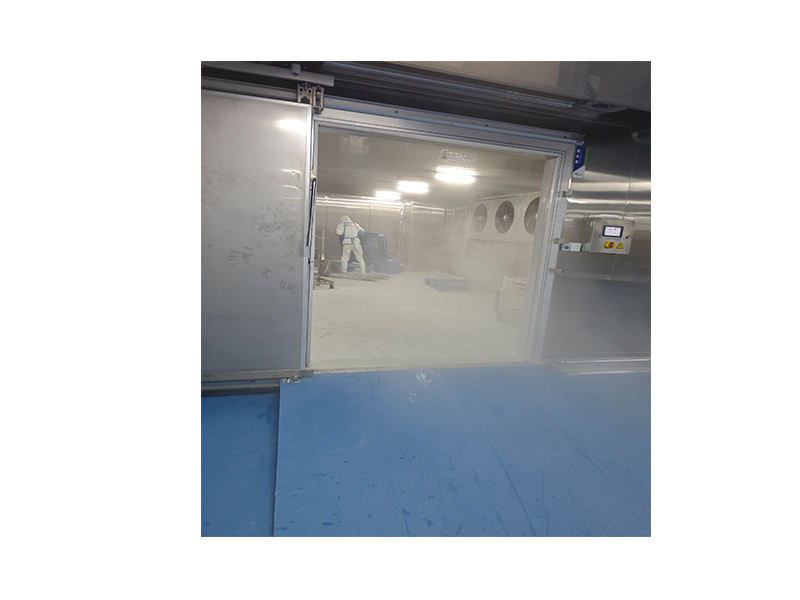
Heat is the factor that separates a Kenya cold room project from a European specification exercise. Coastal humidity in Mombasa and inland heat in the north push condensing units beyond the rating conditions that many suppliers quote on datasheets. Power is the second factor, because voltage instability and outages shorten compressor life faster than general use.
Why Condensing Units Lose Capacity in High Ambient Conditions
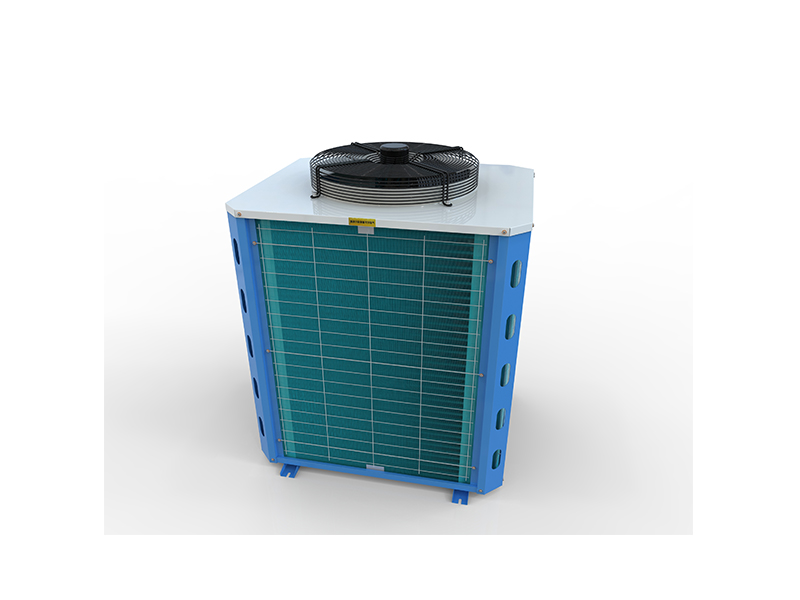
A condensing unit rated at 32°C ambient loses heat rejection capacity as the air it pulls across the condenser gets hotter. At 38°C to 40°C, the refrigeration effect can drop 15% to 25% compared with the datasheet rating. On a freezer room, that margin is the difference between holding -18°C and drifting toward -13°C during afternoon peaks.
Unit selection therefore starts with the site's maximum ambient design temperature, not the standard 32°C assumption. For coastal and inland Kenyan sites, I specify air-cooled condensing units sized one nominal step above the basic load calculation. Original Bitzer compressors with proper condenser airflow and sufficient coil face area hold capacity better than budget scroll alternatives when the air temperature climbs. On the Egypt French fries project, our team faced Cairo summers above 40°C and used Bitzer 75HP systems on frozen storage rooms to maintain -20°C without strain.
| System scale | Suggested condensing unit | Typical temperature suitability |
|---|---|---|
| Small cold room | Bitzer 4HP to 7HP reciprocating | Chiller and freezer |
| Medium cold room | Bitzer 12HP to 20HP | Freezer and processing |
| Large cold storage | Bitzer 30HP to 50HP | Multi zone and blast |
| Ultra low | Bitzer 2 stage 16HP to 20HP | -50 °C o menos |
How Do You Protect a Cold Room From Voltage Fluctuation and Outages?
Kenya's grid delivers 240V single phase and 415V three phase at 50Hz, but voltage dips during peak hours and full outages happen in many regions. A three phase compressor that loses one phase or runs on low voltage overheats quickly. Phase protection relays, voltage monitoring, and a correctly sized backup generator are standard additions for Kenyan cold rooms outside central Nairobi.
For sites running on generator power, the generator must be sized for the compressor's locked rotor current, not just its running current. Otherwise startup voltage sag trips the compressor. If the project involves imported equipment, confirm the motor frequency matches the local 50Hz supply; I have seen buyers import 60Hz machines and burn out compressors because the frequency mismatch changed motor speed and cooling characteristics.
If your site in Garissa, Lodwar, or the coastal strip regularly sees ambient temperatures above 38°C, it is worth confirming the condensing unit's maximum ambient design temperature before finalizing your equipment order. Share your site's summer ambient data with meluck@meluckcooling.com and we will check the unit curve against your load.
Sourcing Cold Room Equipment from a Manufacturer or a Local Contractor in Kenya
Once the technical spec is clear, the sourcing choice narrows to two paths: buy directly from a refrigeration equipment manufacturer, or work through a local contractor who assembles the project. Each has trade-offs, and the right answer depends on who controls the equipment spec.
What Should You Verify Before Signing With a Cold Room Supplier?
A local contractor frequently carries the site access and knows the local permitting environment, but many source panels and condensing units from the lowest cost supplier and pass them on without documenting the spec. A manufacturer delivers direct pricing and factory quality control, but the arrangement works well only if the scope includes installation support or a trained local partner.
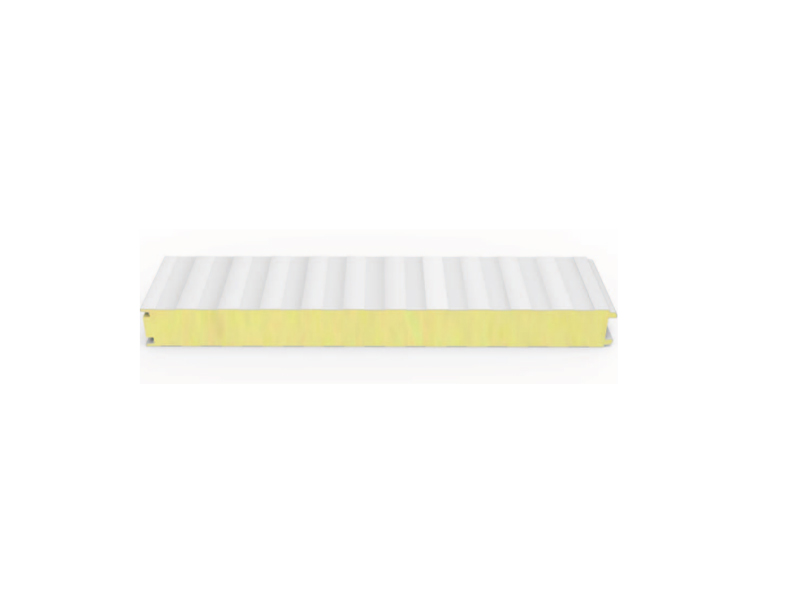
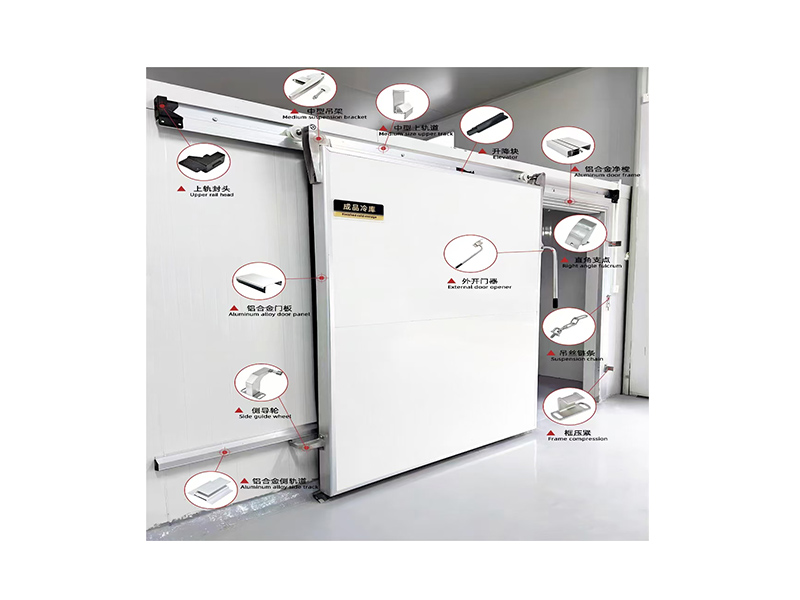
When I evaluate a supplier for a Kenyan project, I check five things. First, the compressor brand and serial number trail: original Bitzer or Copeland units have documentation; copied units do not. Second, panel density and core material: freezer rooms need 100 to 150 mm panels, and PIR panels carry a better fire rating than standard PUR. Third, the cold room door hardware, which takes daily abuse. Fourth, the spare parts list for compressor, fans, controller, and door seals. Fifth, the after-sales response time, including whether technicians can travel to the site for commissioning.
Which Certifications and Documentation Matter for a Kenya Import?
For cold room panels, ask for the insulation core density certificate and the fire rating report. For condensing units, request the compressor manufacturer certificate and the pressure vessel or electrical component certifications. For export oriented food businesses, the cold room must meet the destination market's food safety requirements, which commonly means temperature logging, hygienic panel finishes, and a documented defrost system. Clear documentation also speeds customs clearance at Mombasa or Jomo Kenyatta International Airport freight terminals.
Turnkey Cold Room Installation and Long Term Maintenance in Kenya
A cold room is only as good as its installation and the maintenance that follows. Kenya's dust and humidity add service burdens that indoor European sites never see, so commissioning and after-sales support matter as much as the initial spec.
What Happens During a Turnkey Cold Room Installation?
A properly structured turnkey project begins with a site survey that records the exact slab dimensions, door opening, power supply capacity, and drainage fall. Then the manufacturer produces the PU or PIR panels, doors, and refrigeration units to match the survey. After shipping and customs, the installation team assembles the room, seals the panel joints, sets the condensing unit, runs the refrigerant piping, evacuates the system, charges refrigerant, and commissions the controls. Operator training closes the loop.
On the avocado cold room in Peru, the installation sequence ran from site survey through panel production, assembly, piping, vacuuming, refrigerant charging, performance testing, and final training. The client stored avocados at 10°C plus or minus 0.5°C using two Bitzer 20HP units and two ceiling evaporators. Spoilage dropped from roughly 15% to below 4%, and the client gained enough storage flexibility to match shipment schedules.
Which Maintenance Tasks Keep Running Costs Low?
Condenser cleaning sits at the top of the list in Kenya, because dust and coastal salt air coat the condenser fins and drive discharge pressure upward. I schedule condenser coil cleaning at least quarterly for coastal sites and monthly during dusty dry seasons. Door gaskets and panel seals come next, because air leaks pull moisture into the room and raise defrost cycles. Temperature logs and defrost system checks round out the routine, with compressor oil and refrigerant checks at least twice a year.
Preventive maintenance on a Bitzer compressor may add a few hundred dollars per year, but it prevents the multi thousand dollar failure and the lost stock that follows. In our project experience across tropical markets, rooms with disciplined cleaning schedules run with lower energy consumption and fewer emergency callouts.
Selecting a Reliable Partner for Your Kenya Cold Room
A cold room project in Kenya is not a one time equipment purchase. It is a multi year operating decision, and the early spec choices show up later in energy bills, product loss, and downtime. Many buyers discover this only after the room is built and the first hot season arrives.
MELUCK manufactures cold room panels, Bitzer and Copeland condensing units, blast freezers, chiller rooms, freezer rooms, and flake ice systems in a 130,000 square meter production base. The company has built refrigeration equipment since 1992 and shipped to over 70 countries. Its engineering team includes more than 50 technicians who travel for overseas installation, commissioning, and operator training. For a buyer in Kenya, one supplier carries the spec, the equipment, and the installation work, which reduces the coordination problems that stall projects.
Send your cold room dimensions, product types, and site power and ambient conditions to meluck@meluckcooling.com or call +8617369893087. We will confirm the temperature zone layout, condensing unit selection, and a realistic delivery and installation timeline, so the first reply reflects your operating conditions rather than a generic quotation.
Common Questions About Cold Room Projects in Kenya
How much does a cold room project in Kenya cost?
The final cost depends on room volume, temperature zone, panel thickness, compressor brand and horsepower, and installation scope. A small 20 to 50 cubic meter chiller room may run from a few thousand dollars for equipment only, while a multi zone export facility of 500 cubic meters and above can reach six figures with installation and commissioning. The equipment quote alone rarely reflects total cost; shipping, customs, local electrical work, and backup power often add 30% to 50% to the ex factory price. We quote against a site survey so these costs are visible before ordering, not discovered after delivery.
Can a cold room run on diesel generator power in rural Kenya?
It depends on the generator sizing and the room's temperature zone. A medium temperature chiller on a correctly sized generator runs acceptably, while a freezer room or blast freezer needs a much larger generator to cover locked rotor startup current. If the generator is undersized, voltage sag on compressor start trips protection or burns out the motor. The practical minimum is a generator rated for at least 2.5 to 3 times the running load for an across the line start, or a soft starter to reduce surge. We also add phase protection for three phase generator supply.
Which panel material and thickness suit a Kenyan freezer room?
Freezer rooms in Kenya need more than the minimum 100 mm panel thickness when the outside air stays hot for most of the year. I recommend 120 mm to 150 mm PU or PIR panels for rooms running at -18°C to -25°C, with PIR preferred for fire rating and long term thermal stability. Chiller rooms can use 100 mm panels without an excessive energy penalty. The door is the weakest thermal point, so an insulated sliding or puerta seccional with proper seals matters as much as the panel core. Low density panels with thin steel skins visibly sweat and ice up within a year in humid coastal air.
What import paperwork does a cold room project need in Kenya?
Before asking which forms to file, split the shipment into three categories: insulation panels, refrigeration units, and electrical controls. Each category clears on a different HS code, and compressors with refrigerant may require pre shipment inspection or additional documentation under Kenya's KEBS rules. Most buyers need a commercial invoice, packing list, bill of lading, certificate of origin, and the supplier's test reports for pressure and electrical safety. Working with a manufacturer that ships regularly to African ports speeds the process because the export documentation package already matches East African customs expectations.
How long does a turnkey cold room take in Kenya?
In projects we have delivered across Africa and South America, a standard chiller or freezer room runs about 8 to 12 weeks from confirmed order to commissioning, assuming no unusual customs delays. Panel production takes 2 to 3 weeks, ocean shipping to Mombasa roughly 3 to 4 weeks, and installation plus commissioning another 2 to 3 weeks once the slab and power are ready. Blast freezers and multi zone projects add time. The biggest schedule risk is not the factory; it is a site that is not ready on day one. Share your target commissioning date and we will confirm whether the schedule is achievable.
Si le interesa, consulte estos artículos relacionados:
Soluciones de cámaras de congelación rápida -40C~-60C - Meluck
Proyecto de almacenamiento en frío multitemperatura en Ecuador - Meluck
Soluciones de salas de procesamiento para plantas alimentarias - Meluck
Proyecto de almacenamiento en frío de semilla de papa en Myanmar - Meluck
Soluciones para salas de refrigeración -10C~10C - Meluck
Con más de 15 años de experiencia como ingeniero de refrigeración de MELUCK, me especializo en el diseño de almacenamiento en frío, enfriadoras, máquinas de hielo y sistemas de ahorro energético para la cadena de frío, y presto soporte técnico a distribuidores y empresas de ingeniería de todo el mundo.

meluck