
Соблюдение требований к холодовой цепи при импорте: стандарты для холодильных камер для экспортёров
Соответствие требованиям импортной холодовой цепи вашего целевого рынка — это не типовой контрольный список. Это задача проектирования холодильной камеры и подбора оборудования. Если ваши изоляционные панели имеют не тот тип, контроль температуры неточен или цепочка документации нарушена, инспектор компетентного органа отклонит партию на границе. Я видел, как это произошло, когда холодильная камера в Южной Америке была построена по местным стандартам, но не прошла предотгрузочный аудит европейского импортёра, поскольку класс огнестойкости панелей и интервал регистрации температуры не соответствовали спецификации покупателя. Результатом стал задержанный контейнер и дорогостоящая доработка. В этой статье объясняется, как настроить холодильную камеру так, чтобы она с первого раза прошла проверку на соответствие импортным требованиям к холодовой цепи, начиная с панелей и выбора холодильного оборудования и заканчивая записями о монтаже и готовностью к аудиту.
Понимание стандартов соответствия импортной холодовой цепи
Стандарты холодовой цепи страны назначения не представляют собой единого унифицированного свода норм. Импортёр, поставляющий продукцию в Европейский союз, сталкивается с иными требованиями, чем тот, кто отгружает товары в страны Совета сотрудничества арабских государств Персидского залива или в юрисдикцию FDA США. Вам нужно определить целевой стандарт, прежде чем заказывать хотя бы одну панель.
Каковы ключевые международные стандарты холодовой цепи?
Для большинства импортёров пищевой продукции значимыми являются руководства Codex Alimentarius (которые лежат в основе многих национальных нормативов), Регламент (ЕС) № 852/2004 по гигиене пищевых продуктов и правила Закона США о модернизации безопасности пищевых продуктов (FSMA) о санитарной транспортировке. На практике покупатели часто требуют, чтобы ваше предприятие соответствовало определённой сертификации: планы HACCP с записями контроля температуры, сертификация ISO 22000 или соответствие розничному стандарту, такому как BRCGS или IFS. На Ближнем Востоке применяются стандарты Организации по стандартизации стран Совета сотрудничества арабских государств Персидского залива, а некоторые импортёры требуют раздельного хранения халяльной продукции в холодовой цепи. Если ваша холодильная камера находится в стране без строгого национального регулирования холодовой цепи, стандарт импортёра становится фактическим требованием, и вам нужно подтвердить соответствие с помощью спецификаций оборудования и эксплуатационных записей.
Как различаются требования стран назначения?
Холодильная камера для экспорта морепродуктов в ЕС обычно требует минимум -18 °C для замороженного хранения, возможность быстрой шоковой заморозки с записями снижения температуры и испарители с управлением оттайкой для предотвращения высыхания поверхности продукта. Для молочной продукции холодильная камера стандартом являются температуры от 0 °C до +4 °C, но при строгом контроле влажности во избежание конденсации. В проекте, который мы поддерживали в Египте для замороженного картофеля фри, покупатель требовал хранения при -20 °C с зоной упаковки при +5 °C до +10 °C, а шоковая морозильная камера должна была работать при -35 °C, чтобы соответствовать спецификации импортёра по сохранению текстуры. Планируя холодильную камеру для соответствия импортным требованиям, вам нужно получить от покупателя точный температурный диапазон, диапазон влажности, способ оттайки и интервал регистрации данных ещё до проектирования системы.
Проектирование холодильной камеры для соответствия требованиям
Compliance starts with the building envelope. The cold room panels, floor, and door seal determine whether the refrigeration system can maintain the target conditions at the agreed energy cost.
Panel Selection: PU vs PIR and Fire Rating
Conventional polyurethane panels work for many applications, but increasing numbers of importers and insurers now demand PIR (polyisocyanurate) panels for fire resistance. PIR achieves a B1 fire rating and produces less smoke, which matters if the cold room is inside a food processing plant subject to fire safety audits. I have seen cases in Latin American export projects where a buyer's compliance auditor specifically asked for a panel fire test certificate that a standard PU panel could not provide. Our Peru avocado cold room used high-density PU panels because the standalone structure and low ambient risk were accepted, but for a facility inside a multi-use building you should plan on PIR. Panel thickness also matters: for a -18°C freezer room, 120 mm to 150 mm PU or 100 mm PIR is common in tropical climates; for a chiller room at 0°C to +4°C, 100 mm is sufficient. The thickness must be calculated based on the ambient temperature and the desired heat ingress, and the panel joint system (cam-lock or slip-joint) must prevent air leakage that leads to condensation and ice buildup inside the room.
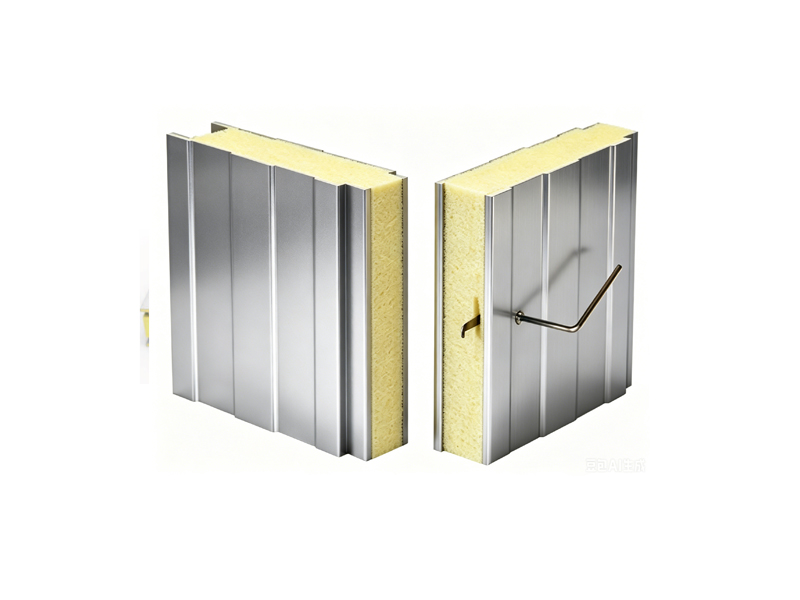
Insulation Floor and Door Requirements
Do not overlook the floor. A cold room floor without insulation will allow frost heave or simply leak enough heat to destabilize temperature near the floor, creating a non-compliant zone for the bottom layer of pallets. For морозильная камераs, you need a minimum of 100 mm of XPS or PU insulation below the concrete slab, with a vapor barrier. The door must be an insulated sliding or sectional type with heated door frame gaskets to prevent freezing and ensure a tight seal during frequent access. In a multi-temperature cold storage we built in Ecuador, the frozen storage door used a ручная раздвижная дверь with a heater cable; without it, the door would ice shut after a few hours of operation in the high-humidity coastal air.
Selecting Compliant Refrigeration Equipment
Once the room is sealed, the refrigeration system determines whether you can hold the certified temperature band and produce the records an auditor will check.
Compressor and Condensing Unit Selection
For import-grade cold rooms, I specify Bitzer or Copeland semi-hermetic compressors with a minimum of 20% spare capacity so the system can recover temperature quickly after a door opening or a defrost cycle. In large cold rooms for export processing, a parallel compressor rack gives redundancy; if one compressor trips, the system continues cooling, which prevents a temperature excursion that would break your chain of custody record. Our French fries processing project in Egypt used Bitzer 75HP and 125HP units on blast freezers and storage rooms to hold stable temperatures even at 45°C ambient. For smaller chiller rooms, a monoblock unit can work if the distance from the wall to the cooling zone is short, but for any room larger than about 20 m² I always go with a split system so the condensing unit can be located outside for heat rejection and service access.

Evaporator and Defrost Method
The evaporator type directly affects product quality. For frozen storage, a DD series high-delta-T evaporator with electric defrost is standard because it handles the low coil temperatures and prevents frost buildup without flooding the room with moisture. For chiller rooms storing fresh produce, a DL series air cooler with off-cycle defrost works well and avoids drying the product. I have found that importing an evaporator with a defrost timer that allows programmable defrost intervals is useful: you can set defrosts during periods of low door traffic, reducing temperature swings that show up in the data logger. The evaporator must be matched to the compressor capacity and the room's heat load, and I always run a load calculation that includes product respiration heat (for fruits and vegetables) and infiltration from door openings.
Monitoring and Data Logging
A compliant cold room needs a digital temperature controller with at least two sensors: one for the room air temperature and one for product simulation (a probe placed in a liquid-filled container to mimic the thermal response of the product). The controller must log data at a frequency the buyer specifies—often every 15 minutes for high-risk foods—and store records for the entire storage period plus the shipment transit time. I recommend a controller with a remote monitoring function, like a PLC with 4G connectivity, because it lets you and the buyer check conditions in real time and generate the audit reports directly from the system. In the Ecuador seafood project, we integrated the Bitzer compressor controller with a remote panel that sent SMS alerts if the temperature deviated by more than 1°C from the setpoint.
Installation and Documentation Requirements
An inspector will not just check the room; they will verify that the installation was done to a standard and that you can prove it.
Installation Steps That Matter for Compliance
The installation must be carried out according to the manufacturer's assembly drawings, and every step should be photographed. Critical points include the panel joint sealing, the pipe insulation thickness on the suction line (minimum 19 mm for freezer rooms to prevent condensation and energy loss), and the refrigerant charging to the exact superheat specification. After installation, a commissioning test must be run: an empty room pull-down test to prove the system can reach the design temperature within the specified time, and a door opening recovery test. I always provide a commissioning report signed by the installing technician and the site supervisor, because several EU importers have asked for it during a supplier audit.
Documentation to Present to Customs or an Auditor
The document set that satisfies most import compliance checks includes: (1) cold room panel and door technical data sheets, including fire rating and insulation R-value certificates; (2) compressor and evaporator manufacturer datasheets and certificates of origin; (3) temperature controller calibration certificate from a recognized lab; (4) refrigeration pipe pressure test certificate; (5) the commissioning report; and (6) an operating log showing temperature records for at least three months before the first export shipment. Keep this pack organized because a customs officer or third-party auditor may ask for a specific certificate on short notice.
Preparing for a Compliance Audit
When the buyer or a certification body schedules an audit, the cold room is the first place they'll walk into. The room itself must look clean, with no standing water, no ice accumulation on the evaporator, and all surfaces washable. The door must close and seal without force, and the strip curtains (if used) must be intact.
Pre-Audit Cold Room Checklist
I have a short pre-audit walk that catches most issues: check that the temperature display on the controller matches the independent thermometer reading (if they differ by more than 1°C, the sensor needs calibration); confirm that the defrost water drain line is clear and the drain heater is working; verify that the alarm is functional and that the alarm history log does not show unexplained excursions; and check that the door gasket heater is warm to the touch. Resolve any of these before the auditor arrives.
If your cold room has been running for a while and you are not sure about panel seal integrity, a smoke pencil test will show if cold air is escaping around door frames or panel joints. In one audit I observed, the inspector's initial concern was a floor seal that looked damp; we were able to show the panel joint drawing and a thermographic image proving it was surface condensation from high ambient humidity, not a structural leak, and that satisfied the requirement.
Common Questions About Import Cold Chain Compliance
Does my cold room need a specific certification for EU imports?
The cold room itself does not carry a single "EU certificate," but the equipment must comply with relevant EU directives if you are importing into the EU. The importer will typically ask you to demonstrate that the cold room can maintain the temperature required by EU Regulation (EC) No 853/2004 for products of animal origin, for example. You prove this by providing the equipment specification sheets, the commissioning report, and the temperature log. Some buyers also want the cold room panels to have a CE marking, which means the panel manufacturer has declared compliance with the Construction Products Regulation. Ask your panel supplier for the Declaration of Performance.
How do I prove my cold room meets GCC standards?
Gulf Cooperation Council standards, such as GSO 150 for frozen foods and GSO 839 for food hygiene, require temperature control and hygiene provisions. The documentation is similar to EU requirements: panel material certificates (food-grade inner lining), evaporator drain design to prevent contamination, and temperature records. The key difference we have seen is that some GCC importers also want a certificate of the refrigerant gas used, due to environmental regulations. Providing the compressor specification sheet that lists the refrigerant type (e.g., R448A or R449A) usually covers this. 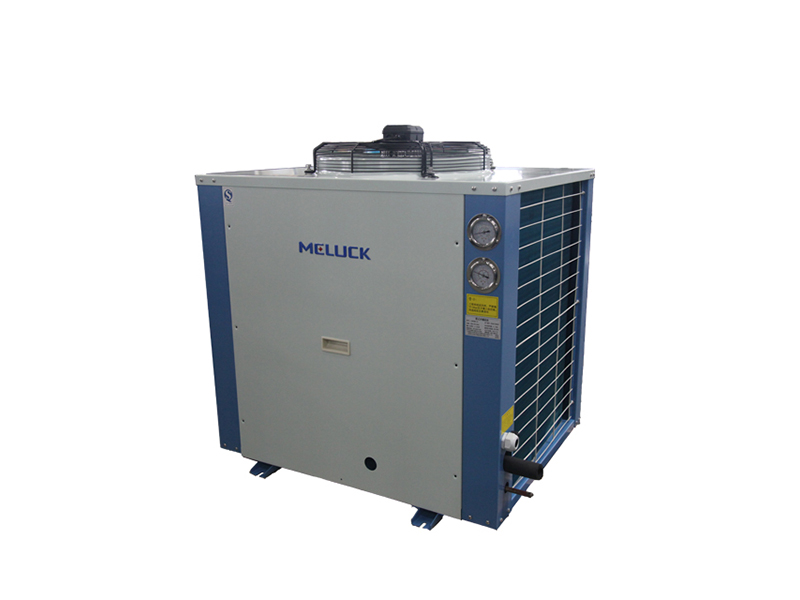
What if my cold room fails a pre-shipment inspection?
The most common reasons are: temperature records show peaks above the limit during defrost or door openings, the evaporator has frost accumulation indicating insufficient defrost, or the panel joint seals show condensation. Fix the root cause—adjust defrost intervals, calibrate the controller, or reseal the joints—then run a stability test for at least 48 hours to generate a clean temperature record before requesting a re-inspection.
If your program involves exporting products to multiple destinations with different standards, the room design may need to satisfy the strictest target market first, then document compliance for the others through the operating records. It is worth reviewing your specific product temperature requirements and destination country regulations with your equipment supplier early in the planning phase so the system is configured correctly from the start. Send your product list and target markets to meluck@meluckcooling.com and we can confirm the compliance documentation requirements for your cold room design. You can also reach us at +8617369893087.
Если вам интересно, ознакомьтесь с этими статьями по теме:
Решения для шоковых морозильных камер -40C~-60C - Meluck
Мультитемпературный проект холодильного хранения в Эквадоре - Meluck
Предварительное охлаждение и холодильное хранение авокадо в Перу — Meluck
Имея более чем 15-летний опыт работы инженером по холодильному оборудованию MELUCK, я специализируюсь на проектировании холодильных складов, чиллеров, льдогенераторов и энергосберегающих систем холодовой цепи, обеспечивая техническую поддержку дистрибьюторам и инжиниринговым компаниям по всему миру.

meluck