
Selección de una unidad condensadora para climas tropicales
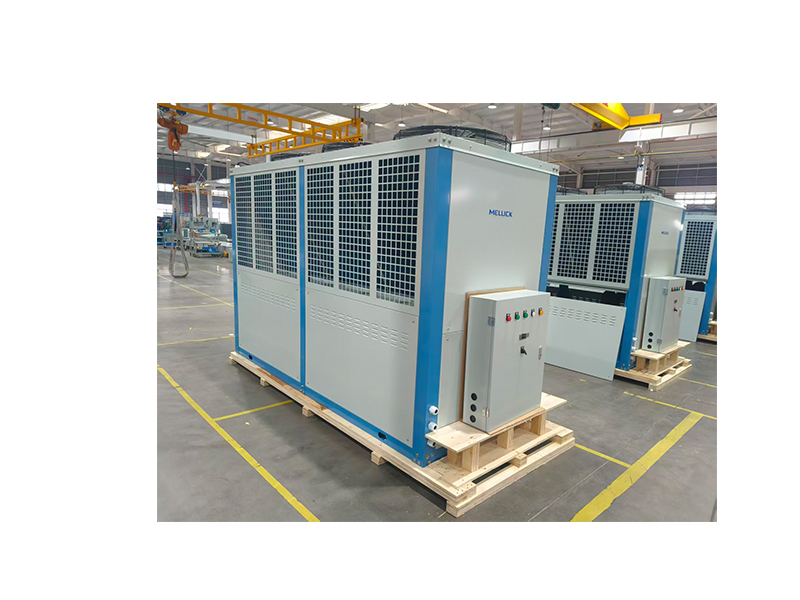
Selecting a unidades condensadoras for tropical climates is not a matter of picking a standard model and hoping it holds up. When ambient air temperature regularly passes 35°C, the performance and long‑term reliability of a refrigeration system depend on design choices that go well beyond nameplate capacity. Over the past decade, I have worked on cold room projects in Ecuador, Egypt, and Peru, where high heat is constant and equipment failure means lost product and angry clients. The condensing units that survive and thrive in these conditions share common features: generously sized condenser coils, robust compressor motor cooling, and manufacturer‑confirmed performance data at elevated ambient temperatures. This article explains what to look for, what to avoid, and how to specify a condensing unit that keeps your cold room at setpoint even when the outside temperature is pushing 40°C.
How High Ambient Temperatures Affect Condensing Unit Performance in Tropical Climates
Every air‑cooled condensing unit relies on the temperature difference between the refrigerant in the condenser and the outside air to reject heat. When the ambient temperature rises, that difference shrinks, and the condenser must work harder to maintain the same condensing temperature. The direct consequence is a loss of cooling capacity coupled with a rise in compressor discharge temperature.
At 25°C ambient, a medium‑temperature Bitzer 15HP reciprocating condensing unit might deliver close to its nominal capacity. At 40°C ambient, the same unit can lose 15–25 % of its cooling capacity, depending on the condenser design and airflow. The compressor also runs at higher discharge pressures, which increases motor winding temperature and accelerates oil degradation. In a standard condensing unit built for temperate climates, that combination often leads to repeated high‑pressure cutouts, shortened service life, and occasional compressor burnout during heat waves.
The problem is more severe for low‑temperature applications. A freezer condensing unit that is already operating at a high compression ratio sees its suction vapor temperature rise as the condenser struggles, putting the compressor outside its design envelope. In one of our early projects in Ecuador, a freezer cold room that was specified with a condensing unit matched to a temperate‑climate datasheet tripped weekly during the hottest months. Replacing it with a tropical‑duty unit that had a 30 % larger condenser and a motor designed for 50°C ambient solved the issue permanently.
Choosing the Right Compressor for Your Condensing Unit in Tropical Climates
Not all compressor technologies handle high ambient heat equally. The three main types used in commercial condensing units are hermetic reciprocating (piston), scroll, and semi‑hermetic reciprocating compressors. For tropical climates where daytime temperatures regularly exceed 35°C, semi‑hermetic reciprocating compressors offer the best balance of durability, repairability, and temperature tolerance.
Semi‑hermetic reciprocating compressors from Bitzer and similar manufacturers are built with a suction gas‑cooled motor. The suction vapor passes over the motor windings before entering the cylinders, which provides active cooling. When the condensing unit is exposed to high ambient, the suction gas temperature does rise, but the motor cooling benefit remains. In our French fries plant project in Cairo, Egypt, ambient air temperatures reached 45°C in summer. The Bitzer 75HP and 125HP semi‑hermetic compressors ran 24/7 without a single motor overheat event because of that gas‑cooled design and the factory‑sized condenser.
Scroll compressors are more sensitive to high discharge temperatures. Their internal temperature protection trips more readily, and they are less tolerant of the elevated discharge gas temperatures that come with high compression ratios in a hot climate. A Copeland scroll condensing unit can work well for small cámara frigoríficas (0°C to +10°C) if the condenser is oversized and the evaporating temperature is moderate, but for freezer applications below –18°C I would not rely on a scroll compressor without a thorough review of the operating envelope.
Two‑stage semi‑hermetic compressors are the strongest option for blast freezer or deep‑freeze applications in the tropics. By splitting the compression into two stages with inter‑stage cooling, they keep discharge temperatures low even when the condenser struggles. In our Manta, Ecuador seafood project, we used Bitzer two‑stage 16HP and 20HP condensing units for blast freezers at –35°C, and they held stable head pressures year‑round.
| Tipo de compresor | High Ambient Performance | Best Use in Tropical Climates |
|---|---|---|
| Hermetic reciprocating | Fair; compact but limited motor cooling. | Small chiller rooms where cost is a priority. |
| Scroll (Copeland) | Moderate; sensitive to high discharge temp. | Medium‑temperature chillers, oversize condenser recommended. |
| Semi‑hermetic reciprocating (Bitzer) | Excellent; suction‑gas cooled motor, robust at high compression ratios. | Cámara de congelacións, blast freezers, continuous heavy‑duty cycle. |
| Two‑stage semi‑hermetic (Bitzer) | Best; minimal discharge temperature rise, stable in deep freeze. | Blast freezers, IQF tunnels, –40°C and below. |
Condenser and System Design Features for Reliable Operation in Hot Ambient Conditions
Beyond the compressor, the condenser coil and the overall system design determine whether a condensing unit can survive a tropical climate. A standard condensing unit sold for temperate zones may have a condenser with 2.2 mm fin spacing and a relatively small fan diameter. For 40°C ambient, we always specify a condenser with wider fin spacing (2.8 mm or more) to reduce the risk of airflow restriction and a larger face area to lower the condensing temperature. A copper‑tube aluminium‑fin coil with a corrosion‑resistant coating is the default for coastal tropical sites where salt spray adds another stress factor.
Fan and airflow configuration matter just as much. In hot climates, we use high‑airflow condenser fans with external rotor motors rated for continuous operation at 50°C. The additional airflow does increase noise slightly, but the drop in condensing temperature more than pays for itself in compressor protection and energy savings. In the Egypt French fries facility, the three large‑capacity Bitzer 75HP units were paired with oversized air‑cooled condensers and variable‑speed fans that adjusted airflow based on head pressure, keeping the condensing temperature within 5°C of the design value even at 45°C ambient.
The receiver and liquid line also need attention. Hot ambient temperatures reduce the subcooling available before the expansion valve, so the receiver volume must be liberal enough to store the additional refrigerant charge that a tropical‑duty condenser requires. Undersized receivers cause liquid level fluctuation and potential flash‑gas at the TEV inlet, which further erodes cooling capacity. Similarly, liquid line sight glasses and filter‑driers should be rated for the higher saturated liquid temperatures that occur on a 45°C day.
If your project involves a cold room that must operate continuously with ambient temperatures above 40°C, specifying a condensing unit with proven high‑ambient performance is not optional. Contact our team at meluck@meluckcooling.com with your site conditions, and we can help you evaluate whether a standard tropical‑duty unit or a custom‑built configuration is required for your application.
How to Verify Condensing Unit Performance Data for High Temperature Applications
Datasheets tell only half the story, and I have learned that the version that matters is the one from the compressor manufacturer, not a generic reseller document. When we specify a Bitzer condensing unit for a project in a hot country, we always request the compressor’s application envelope from Bitzer’s engineering software. This document shows the condensing temperature limits, the maximum ambient temperature the factory allows for continuous operation, and the expected capacity and power input at the target evaporation temperature and a 45°C condensing temperature.
A manufacturer that provides a detailed selection report with a suction and discharge temperature profile, not just a single nominal capacity point, is one that has done the engineering. For the Peruvian avocado cold room, the Bitzer 20HP condensing unit selection showed that at 10°C evaporation and 45°C condensing, the capacity remained within 12 % of the nominal rating, with the discharge temperature still 15 °C below the compressor’s maximum limit. That level of transparency gave us the confidence to guarantee performance to the client.
Buyers should also verify that the condensing unit frame, electrical panel, and fan motors are factory‑configured for high ambient rather than a supplier assembling components themselves. An integrated package where the compressor manufacturer has matched the condenser and ensured the control logic protects against high discharge temperature and low suction superheat is far more reliable than a piece‑meal assembly. When in doubt, ask for a reference list of installations in the same climate zone. Any supplier with genuine tropical experience will have more than a few.
Sourcing a Tropical‑Duty Condensing Unit: What Your Supplier Should Guarantee
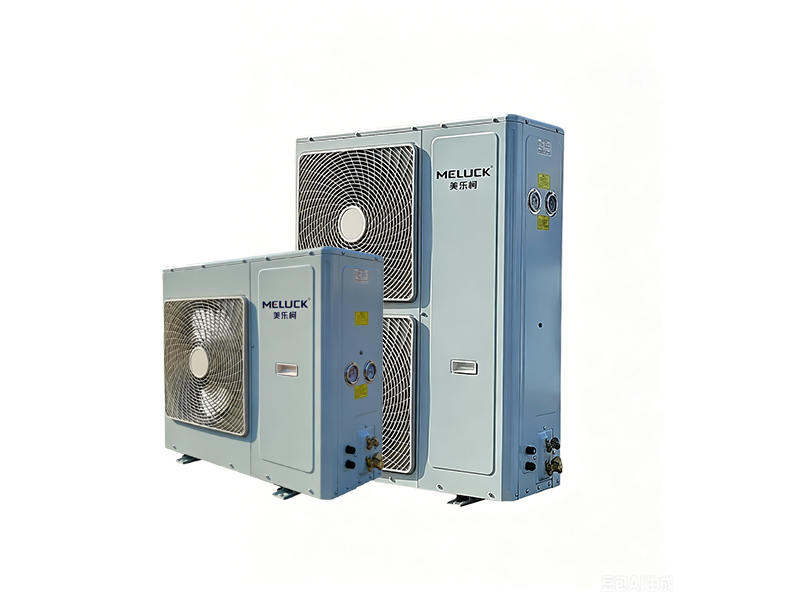
Cold room operators in tropical countries cannot afford trial and error. The condensing unit is the heart of the system, and choosing a unit that is not engineered for the local climate will cause repeated downtime and higher electricity bills. The right supplier needs to provide more than a price list: they must demonstrate that their units are tested, documented, and installed in operating cold rooms under similar ambient conditions.
One practical way to judge a supplier is to ask three questions: Can you provide a Bitzer or Copeland compressor selection report for our exact evaporating temperature and a 45°C condensing temperature? Do your condensing units use factory‑matched condensers and fans rated for continuous operation at 50°C? Can you share a project reference in a region with comparable climate, such as coastal Ecuador or sub‑Saharan Africa, where the unit has been running for at least two years? A supplier that hesitates on any of these is guessing, and guessing with refrigeration in the tropics costs money.
We have spent years building condensing unit specifications that work for customers from Manta to Cairo. By working directly with Bitzer and Copeland, we can supply original tropical‑duty condensing units with the correct condenser, receiver, and controls, all backed by the compressor factory’s operating limits and our own field experience. If you are currently selecting a condensing unit for a cold room project in a hot climate, send your required capacity, evaporating temperature, and ambient temperature range to meluck@meluckcooling.com or call +8617369893087. We will review your conditions and provide a selection recommendation within one working day.
Common Questions About Condensing Units in Hot Climates
Can I use a standard condensing unit and just oversize it for a tropical climate?
Oversizing a standard unit helps to a degree, but it does not solve all problems. A larger compressor in the same chassis may still have a condenser that is too small or a motor insulation class not rated for sustained high ambient. The discharge temperature may still rise above safe limits. It is safer to specify a unit that the compressor manufacturer has approved for the required condensing temperature and ambient range from the start.
How much cooling capacity does a condensing unit lose at 40°C?
The loss varies by model, but as a general rule of thumb, a typical medium‑temperature condensing unit loses 15–25 % of its nominal capacity when the ambient temperature rises from 32°C to 40°C. A quality tropical‑duty unit with an oversized condenser will keep that loss closer to 10–15 %. Always ask for the capacity at a 45°C condensing temperature, which is a realistic condition for a 40°C day with solar radiation on the condenser.
What maintenance is different in tropical environments?
Condenser coil cleaning becomes more frequent. Dust, pollen, and even salt from coastal air coat the fins and reduce heat transfer. We recommend monthly visual checks and a deep clean every 3–6 months depending on the site. The fan bearings and electrical connections should also be inspected for heat stress. In our own after‑sales visits, we often find that a poorly maintained condenser is the root cause of capacity loss, not a fault with the compressor.
Is the extra cost of a tropical‑duty condensing unit worth it?
In our experience, the upfront price difference of 10–20 % over a standard unit is recovered quickly through fewer emergency call‑outs, lower electricity use, and a longer compressor life. The cost of lost product from a single breakdown in a cold room loaded with high‑value goods can dwarf the entire equipment investment. For peace of mind and total cost of ownership, tropical‑duty condensing units are the more economical choice. If you would like us to evaluate your project’s specific requirements, send your temperature profile and capacity needs to meluck@meluckcooling.com, and we will confirm a suitable model with full supporting data.
Si le interesa, consulte estos artículos relacionados:
Soluciones de salas de procesamiento para plantas alimentarias - Meluck
Proyecto de almacenamiento en frío multitemperatura en Ecuador - Meluck
Soluciones de cámaras de congelación rápida -40C~-60C - Meluck
Proyecto de almacenamiento en frío de patatas fritas en Egipto - Meluck
Con más de 15 años de experiencia como ingeniero de refrigeración de MELUCK, me especializo en el diseño de almacenamiento en frío, enfriadoras, máquinas de hielo y sistemas de ahorro energético para la cadena de frío, y presto soporte técnico a distribuidores y empresas de ingeniería de todo el mundo.

meluck