
Financiación de almacenamiento en frío en mercados emergentes: guía de leasing
Hacer bien la infraestructura de la cadena de frío en los mercados emergentes no es solo una cuestión técnica. Es un desafío de capital. Una cámara frigorífica bien diseñada cámara frigorífica o túnel de congelación puede duplicar la producción de un procesador, pero el coste inicial crea una barrera que mantiene a muchas empresas atascadas en procesos manuales y con tasas de deterioro superiores al 10 %. Tras haber trabajado en proyectos de cámaras frigoríficas desde Ecuador hasta Myanmar, he comprobado que la diferencia entre un plan estancado y una instalación operativa a menudo se reduce a cómo se paga el equipo. Los modelos de financiación basados en el leasing y el pago a plazos están cambiando lo que es posible para los compradores de la cadena de frío en economías en desarrollo.
Cómo funciona la financiación de cámaras frigoríficas en la práctica
Most equipment suppliers in international markets expect full payment before shipment. For a food processor or farming cooperative with seasonal cash flow, that model creates a timing mismatch. The harvest is months away, yet the cold room must be installed now to handle it. Financing bridges that gap by spreading the cost across the period when the equipment generates revenue. Two main structures dominate: supplier-arranged installment terms and third-party leasing.
I’ve found that buyers are often surprised by how flexible these can be. A processor who needs a 3-room blast freezing setup for seafood may pay 30% to 40% upfront, with the balance structured across shipment, installation, and several months of operation. This aligns the payment schedule with the cash flow from export contracts, rather than requiring all capital before the project earns a single dollar.
Leasing vs. Buying: Capital Structure for Cold Rooms
The conventional path is to purchase equipment outright. That works for well-capitalized buyers who want full asset ownership and can absorb shipping, duties, and installation costs in one tranche. But many emerging-market cold chain operators are better served by leasing or supplier-financed installment plans. The difference affects everything from balance sheet treatment to maintenance responsibility.
| Factor | Outright Purchase | Operating Lease | Supplier Installment Plan |
|---|---|---|---|
| Upfront capital | 100% before delivery | 1-3 months’ payment | 30-40% deposit common |
| Asset ownership | Immediate | Retained by lessor | Transferred after final payment |
| Maintenance cost | Buyer’s responsibility | Often included | Seller provides warranty support |
| Flexibility | Fixed capacity | Upgrade possible at term end | Fixed capacity |
| Credit requirement | Bank guarantee or full prepayment | Lessor credit assessment | Supplier evaluates business viability |
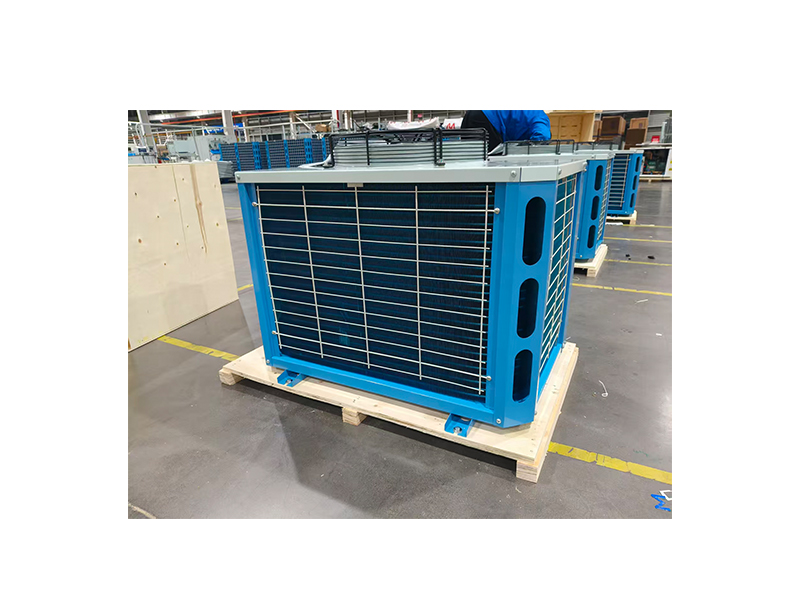
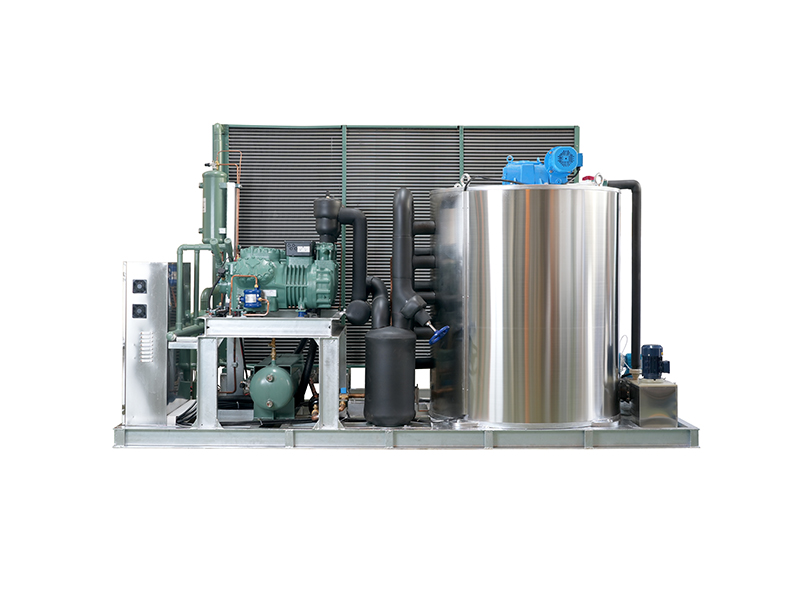
Leasing can convert capital expenditure into a recurring operating cost while keeping maintenance with the equipment provider. That’s particularly useful for projects using industrial Bitzer condensing units and specialized evaporators, where proper commissioning and after-sales support directly affect uptime. I’ve seen a 10-ton/day flake ice plant installed under a lease structure in Ecuador, and the built-in service coverage kept the system running 24/7 through the initial export season without any technical gaps.
How Installment Models Work for Cold Room Projects
Supplier installment plans are the most common path for first-time cold chain buyers in Africa, Southeast Asia, and South America. These aren’t bank loans, they’re direct credit arrangements between the equipment manufacturer and the end user. The supplier carries the risk, so the evaluation is practical rather than paper-heavy.
A typical structure might require a 35% deposit to cover production and partial shipping costs, then another 30% upon delivery confirmation, and the remaining 35% within 90 to 180 days from commissioning. For a project like the avocado pre-cooling cold room we built in Peru, that timeline matched the harvest cycle perfectly. The client’s first export proceeds covered the final payment while the cold room was already in commercial use.
The key advantage: the supplier designs, builds, and commissions the system, so they have full control over quality and timeline. For the buyer, this reduces the risk of contractor disputes or equipment that doesn’t meet spec. The supplier’s incentive to receive the final payment also ensures they prioritize correct installation and operator training.
Preparing Your Project for Financing Approval
If you’re approaching a supplier for installment terms or a lessor for a lease, your project needs to answer three questions convincingly:
- What is the product throughput and cold storage demand in tons per day or per season?
- What is the target market and the revenue per unit that the cold chain will protect?
- What existing infrastructure (power, water, site access) is already in place?
I’ve reviewed hundreds of cold room inquiries, and the ones that move fastest are those where the buyer provides clear operational data, not just a room size. A seafood exporter who can demonstrate that a 5-ton blast freezer will handle their daily catch and support a specific export contract gives the financing provider confidence that the project generates real cash flow. Vague capacity requests without market context make risk assessment impossible.
Documentation matters too. A simple business plan with projected volumes, a letter of intent from a buyer or distribution partner, and site photos showing the prepared foundation are far more effective than a generic loan application. Suppliers who offer installment terms are essentially investing in your business, so show them what a finance-ready project looks like.
Matching Financing to Project Type
Not all cold chain projects carry the same financing profile. A modular cámara frigorífica for a retail supermarket chain is a lower-risk, faster-return investment than a multi-zone industrial freezing facility for export processing. Lenders and lessors categorize accordingly.
For straightforward storage applications, standard leasing agreements with 24- to 36-month terms are common. These are essentially equipment rental contracts. For complex processing lines that integrate blast freezing, packaging rooms, and frozen storage, such as the French fries plant we built in Egypt, the financing structure must account for the longer ramp-up period. There, a supplier installment plan that extends payment across 12 to 18 months, linked to commissioning milestones, matches the project’s cash flow curve.
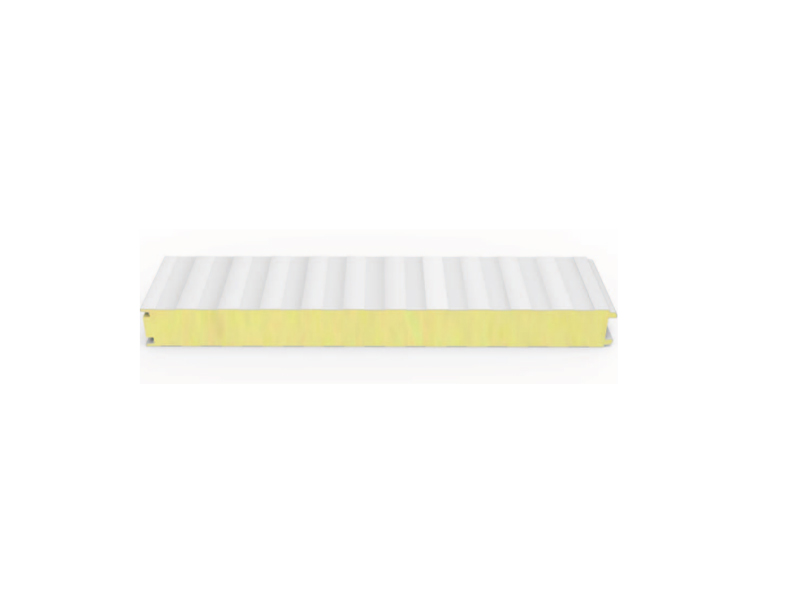
Buyers should also consider equipment tier when applying for financing. Original Bitzer compressors, high-density PIR panels, and properly specified evaporators hold residual value better and reduce lifetime running costs. Financers recognize that genuine, certifiable components lower the risk of early failure that could disrupt the repayment schedule.
Cold Storage Financing Questions from Emerging Market Buyers
Do I need a bank guarantee to get supplier installment terms?
Most supplier installment plans do not require bank guarantees. The equipment itself serves as implicit collateral because it remains under the supplier’s ownership until the final payment. A sales contract, production timeline, and repayment schedule are typically sufficient. In our projects across Peru, Egypt, and Myanmar, we structured payment terms based on the buyer’s operational cycle, not their banking relationships.
What happens if the equipment fails before the payment is complete?
Any responsible supplier ties the financing agreement to the warranty and after-sales service commitment. During the payment period, the equipment is covered by the manufacturer’s warranty, and the supplier has a strong incentive to resolve technical issues quickly. When you source a complete system (insulation, condensing unit, evaporator, controller) from one manufacturer, service responsibility is centralized, which simplifies troubleshooting.
Can I finance just the insulation panels and install the refrigeration later?
Yes, phased projects are common. Many buyers start with the insulated structure and add the condensing unit and evaporator when their cash position improves or when first product flow justifies it. The modular nature of camlock and slip-joint panel systems makes later expansion or equipment installation straightforward. Just ensure the supplier knows the end-use temperature so that panel thickness and door types are correct from the beginning.
How long does it take to get approved for a lease on cold storage equipment?
Approval timelines vary, but a well-prepared application with site details, product data, and market justification can receive a preliminary financing offer within one to two weeks. Leasing companies that specialize in industrial equipment are accustomed to working across borders, so delays are often on the buyer’s side when documentation is incomplete.
What’s the smallest project that qualifies for installment financing?
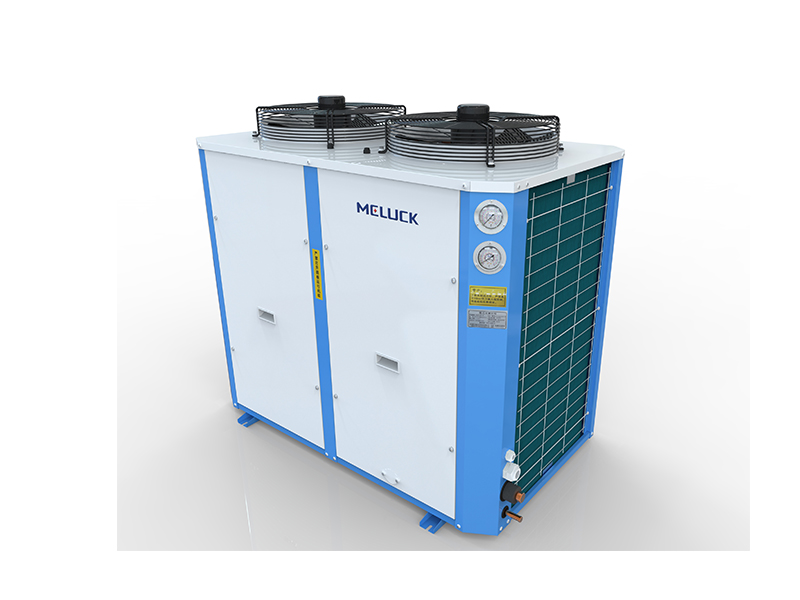
Projects with a total equipment value around USD 20,000 to 30,000 typically serve as a practical minimum for supplier installment plans, though lease structures can sometimes accommodate smaller amounts. If your needs fall below that threshold, a monoblock refrigeration unit or a compact cold room with a staged payment arrangement may still be feasible. We’ve handled small-scale cold rooms for startups where a simple deposit-and-balance structure worked well. Share your capacity requirements and we can assess whether a structured payment plan fits your situation. Reach us at meluck@meluckcooling.com or call +8617369893087.
Si le interesa, consulte estos artículos relacionados:
Soluciones de salas de procesamiento para plantas alimentarias - Meluck
Soluciones de cámaras de congelación rápida -40C~-60C - Meluck
Soluciones para salas de refrigeración -10C~10C - Meluck
Con más de 15 años de experiencia como ingeniero de refrigeración de MELUCK, me especializo en el diseño de almacenamiento en frío, enfriadoras, máquinas de hielo y sistemas de ahorro energético para la cadena de frío, y presto soporte técnico a distribuidores y empresas de ingeniería de todo el mundo.

meluck