
Cámara frigorífica para empresas alimentarias emergentes: una configuración mínima viable de la cadena de frío
La mayoría de las empresas alimentarias emergentes no fracasan porque el producto sea malo. Fracasan porque la vida útil se agota antes de que el cliente pague, y el almacenamiento en frío es la solución más directa para ese problema. Una cámara frigorífica para una empresa alimentaria emergente no necesita ser grande, automatizada ni costosa. Necesita mantener la temperatura correcta en el momento de máximo volumen, superar una inspección de seguridad alimentaria y seguir funcionando sin reparaciones constantes.
Antes de comparar presupuestos, define las zonas de temperatura de tus productos, tu volumen de producción semanal máximo y tu suministro eléctrico disponible. Esos tres datos determinan todas las decisiones sobre equipos que vienen después.

1. Empieza por las zonas de temperatura del producto que realmente utilizas
Una configuración mínima viable de la cadena de frío empieza por la temperatura, no por las marcas de equipos. La mayoría de las empresas alimentarias emergentes necesitan una de tres zonas.
A cámara frigorífica running at 0°C to 8°C covers fresh meat, dairy, cooked food, cut fruit, and most prepared meals. A cámara congeladora at -18°C to -25°C covers frozen meat, seafood, ice cream, and long-term storage. A cámara de congelación rápida at -30°C to -40°C is only justified when the business freezes product quickly after production, such as cooked meals, seafood, or bakery items.
Food safety regulations set the upper boundary. The U.S. FDA Food Code requires cold holding at 5°C (41°F) or below for time/temperature control for safety foods [1]. HACCP-based systems treat chilling as a critical control point, which means the room temperature and product temperature both need documented monitoring [2].
For most startups, the first purchase is a cámara frigorífica or a cámara congeladora, not a túnel de congelación. Buy the zone your product actually needs, then add capacity as volume grows. Temperature precision matters in practice. In one avocado export cold room, a chiller room maintained at 10°C ±0.5°C reduced rejected and spoiled fruit from about 15% to below 4%, directly improving the grower's export margin.
2. Size the Room for Peak Volume, Not Optimistic Projections
The most expensive mistake a startup makes is sizing a cold room for the business it hopes to have in three years. Cold room panels and refrigeration equipment cost more up front and consume more energy every single month, even when the room is half empty.
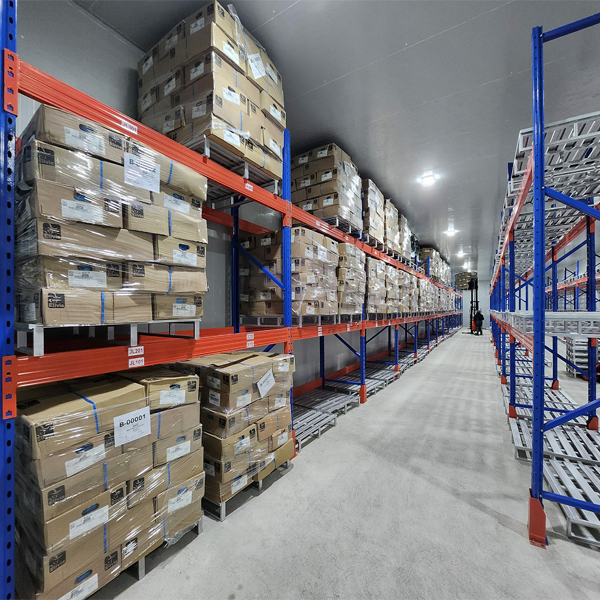
Size instead for the largest weekly batch you can realistically handle now. Add about 20% to 30% for buffer, including pallet movement and air circulation space. In a walk-in chiller, usable storage is always less than the room footprint because airflow, shelving, and door swing reduce the effective volume.
A 10 m² to 15 m² chiller room typically supports a small catering or meal-prep operation at startup scale. A startup meat or seafood business that freezes product for weekly distribution may start with a 15 m² to 20 m² freezer room. These are starting references, not universal rules, because product density and turnover differ sharply by business type.
If you are still deciding between a fixed room and a refrigerated truck, the choice depends on throughput and product mix, not just purchase price.
A refrigerated truck is a distribution asset; a fixed cold room is a production asset. <Cámara frigorífica frente a camión refrigerado: cuándo gana el almacenamiento fijo> covers the break-even logic for when a fixed room becomes the better investment for a growing food business.
3. Match Equipment to Your Site and Power Supply
Once the temperature zone and room size are set, the equipment choice is straightforward. Small startup cold rooms often use unidades de refrigeración monobloque, which combine the condenser and evaporator into one unit that mounts through the wall. Monoblocks reduce installation time and cost, and they fit rooms up to roughly 20 m³ to 30 m³ depending on temperature.
Larger rooms use a split system: a condensing unit outside the room and an air cooler inside. For food businesses that need reliable operation, Bitzer reciprocating condensing units are a common reference point because of parts availability and long service life. A compact option such as the Bitzer 3HP reciprocating condensing unit is sized for small chiller applications. The correct horsepower depends on room volume, insulation, product load, and local ambient temperature.
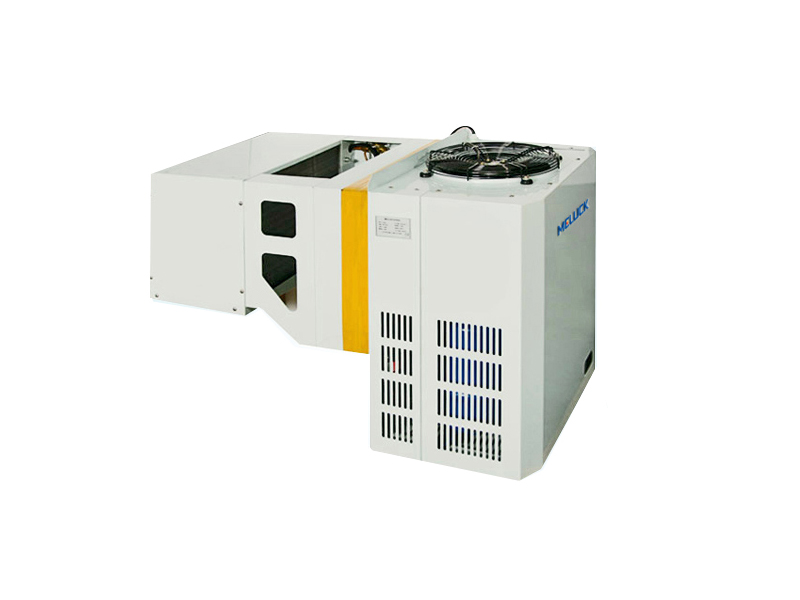
Power supply is the variable startups most often overlook. A three-phase 380V supply supports most condensing units from 3HP upward, while many small monoblock units run on single-phase 220V. In regions with a 60Hz grid, the equipment must be 60Hz-compatible, especially for imported systems. Confirm your supply voltage, phase, and frequency before accepting any quote.
At this point, write down three numbers: your largest weekly throughput, the coldest temperature you must hold, and your available power supply. Those three data points determine the right equipment faster than any catalog comparison. If you need a starting configuration, send them to meluck@meluckcooling.com and ask for a matched chiller room or freezer room proposal based on your operating conditions.
4. Budget for the Total Cost of Ownership
A startup cold room quote covers panels, door, refrigeration, and maybe installation. It rarely covers the operating costs that decide whether the room is actually viable: electricity, maintenance, spare parts, and the value of product lost if the system fails.
For a small food business, energy use is the largest ongoing cost. Panel quality, door seals, and refrigerant choice all affect it. Logistics also matters in emerging markets, where a low equipment price can be erased by shipping, customs, and poor after-sales support [3]. The practical approach is to evaluate the quote as a total cost per usable cubic meter per month, not as a one-time purchase price.
Cold room quotes rarely show the full operating picture over five to ten years. <ROI de proyectos de almacenamiento en frío: evaluación financiera práctica> covers how to weigh installation cost against energy, maintenance, and product loss when evaluating a room for a startup operation.
5. Do Not Skip Insulation, Sealing, and Monitoring
Startups sometimes cut cost by choosing thinner panels or cheaper door hardware. That is a false saving. Insulation determines how hard the refrigeration system works, and a poorly sealed room leaks cold air continuously, raising energy cost and causing temperature swings.
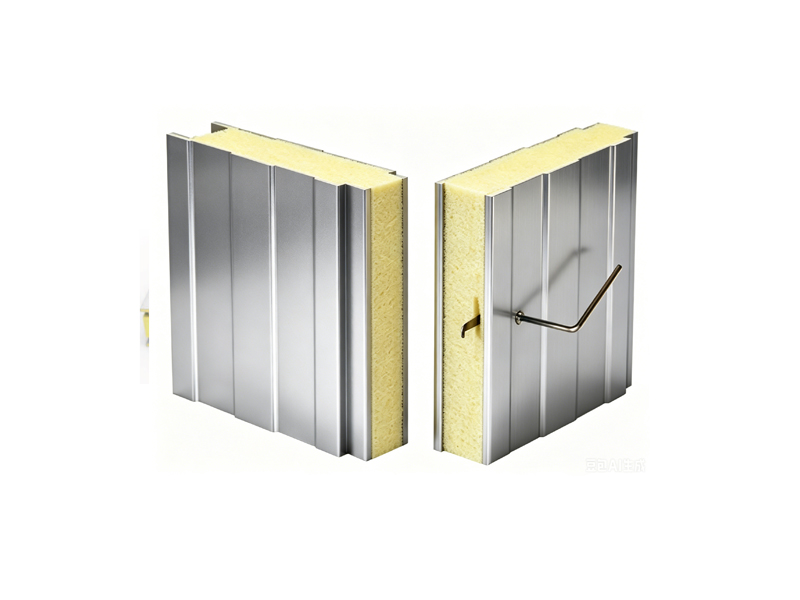
PU and Los paneles PIR para cámaras frigoríficas are the two standard options. Los paneles PIR para cámaras frigoríficas offer better fire resistance and slightly better thermal performance than PUR panels, which matters for food processing sites with strict fire codes. For a small startup chiller room, 100 mm PU or PIR panels are a common starting point; freezer rooms often need 120 mm to 150 mm.
Temperature monitoring closes the loop on food safety. A startup should install a digital controller with an alarm and keep a temperature log, because inspectors check both the current reading and the history. Remote monitoring is optional at startup scale, but an alarm is not. ISO 22000-based food safety systems require evidence of temperature control throughout storage, which a simple log satisfies when it is maintained consistently [4].
6. Build a Setup That Can Grow Without Rebuilding
The minimum viable cold chain should be modular. Prefabricated panel systems allow a room to be extended later, and a properly sized condensing unit gives some headroom for increased load. The alternative, rebuilding from scratch when the business grows, wastes the initial investment.
Plan the expansion path at the start. Leave space on the site for a second room. Choose panel systems with slip-joint or cam-lock connections that can be disassembled and re-extended. Document the original equipment specifications so the next capacity step is a known calculation, not a guess.
The most important reliability rule for a startup is simple: the room must keep running during your busiest weeks.
A cold room that fails during a peak order week can cost more than the equipment itself. <Fiabilidad del sistema de refrigeración en cámaras frigoríficas críticas> covers redundancy and component selection for operations that cannot afford unplanned downtime.
Ready to Plan Your First Cold Room?
Contact the MELUCK engineering team at meluck@meluckcooling.com or +8617369893087 with your product type, weekly volume, and site power details. You will receive a proposal matched to your operating conditions, including panel specification, refrigeration capacity, and installation guidance. A startup cold room is not a catalog purchase, it is a small system designed around the way your business actually works.
Preguntas frecuentes
What is the minimum cold room size for a startup food business?
Most startup food businesses start with a 10 m² to 20 m² walk-in chiller or freezer room. The right size depends on weekly throughput and product type, not on a fixed industry minimum. A small catering or meal-prep business can often operate from a 10 m² to 15 m² chiller room.
How much does a small cold room cost?
The cost varies by size, temperature, panel type, refrigeration system, and installation site. A small monoblock chiller room costs less than a split-system freezer room of the same size. The realistic way to evaluate cost is total cost per usable cubic meter per month, including energy and maintenance, not the equipment quote alone.
Can a startup use a refrigerated truck instead of a cold room?
Yes, for distribution-heavy businesses a refrigerated truck may work early on. However, a truck is not a substitute for production storage, and it costs more to run per cubic meter than a fixed room. Many startups begin with a fixed cold room and add truck capacity later.
What temperature should a startup cold room run at?
A chiller room should run at 0°C to 8°C for fresh and chilled foods. A freezer room should hold -18°C to -25°C for frozen products. Cold holding at 5°C or below is the common regulatory boundary for time/temperature control for safety foods [1].
How long does cold room installation take?
A standard prefabricated walk-in cold room can be assembled and commissioned in a few days to two weeks after equipment arrives on site, depending on size, power connection, and site preparation. Custom multi-zone projects take longer because they include design, manufacturing, and commissioning.
Referencias
[1] U.S. Food and Drug Administration. Food Code 2022. Chapter 3-501.16, Time/Temperature Control for Safety Food: Hot and Cold Holding. Cold holding at 5°C (41°F) or below.
[2] Comisión del Codex Alimentarius. Principios generales de higiene de los alimentos, CXC 1-1969 (2020 revision). Section on temperature control and HACCP-based systems.
[3] Food and Agriculture Organization of the United Nations. The State of Food and Agriculture 2019. Post-harvest food loss and the role of cold chain infrastructure in developing regions.
[4] International Organization for Standardization. ISO 22000:2018, Food safety management systems: Requirements for any organization in the food chain.
Si le interesa, consulte estos artículos relacionados:
Guía de equipos para salas de refrigeración y congelación de mataderos
Soluciones para cámaras de congelación -25C~-18C
Con más de 15 años de experiencia como ingeniero de refrigeración de MELUCK, me especializo en el diseño de almacenamiento en frío, enfriadoras, máquinas de hielo y sistemas de ahorro energético para la cadena de frío, y presto soporte técnico a distribuidores y empresas de ingeniería de todo el mundo.

meluck